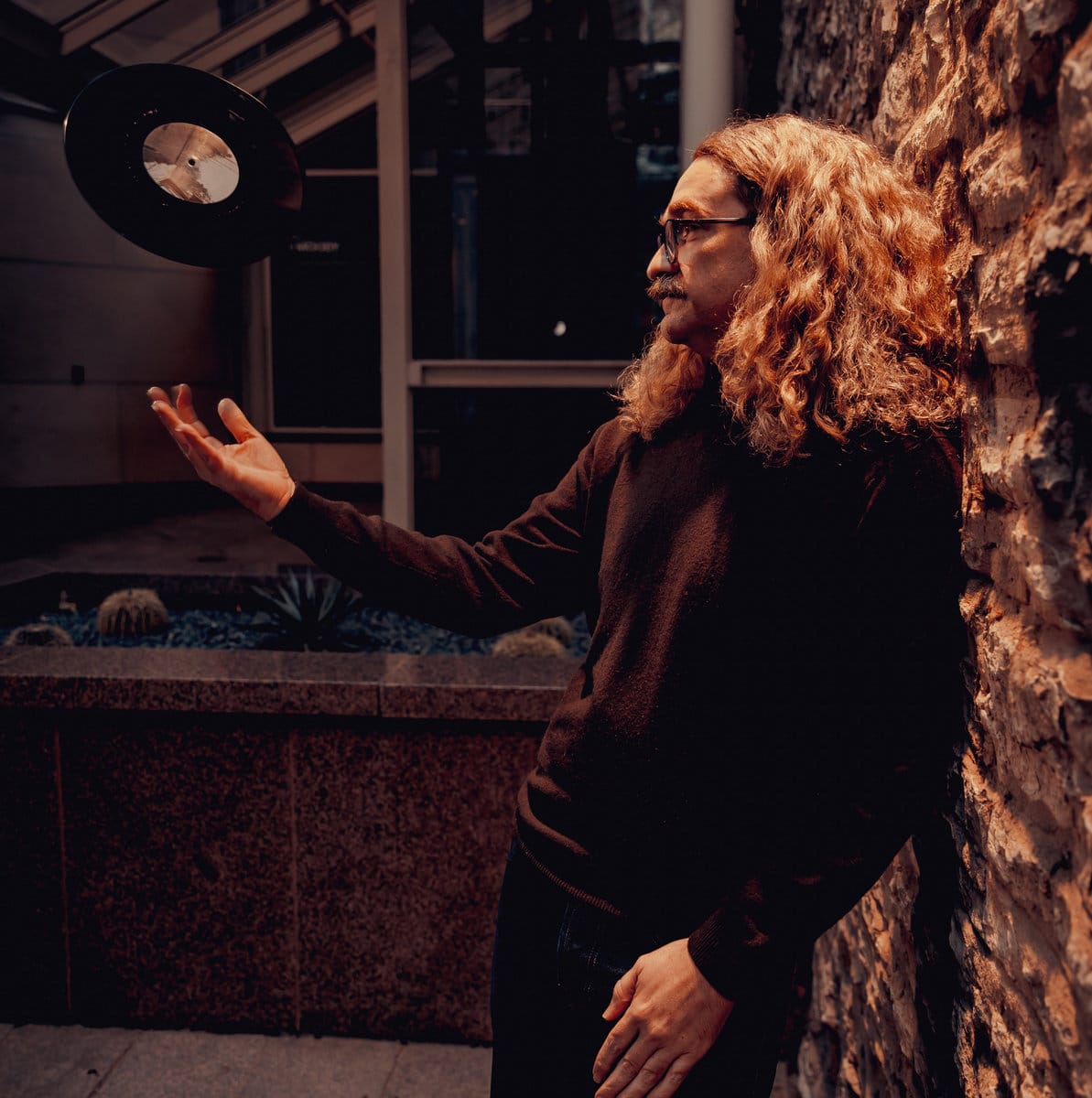
Reverse Osmosis’ Unable Unstable is one of those releases where the first few minutes tell you exactly what kind of space the producer wants to operate in. It is dark, direct, and built around long-form techno movement, with tracks that stretch out long enough for the details to start doing the real work.
The album dropped last week on May 22nd, and the ten-track run gives the whole project enough room to feel like a complete idea rather than a pile of club tools.
That last part is what I kept coming back to while listening.
This project has continuity. It is not presented as a DJ mix, and it does not need to be, because the tracks already feel connected through the way the drums, synth hits, low-end pressure, and darker textures sit beside each other. You can move from “Garden of Glitches” to “Surrender,” then through “Hot Pie,” “Titus,” “Sexy Bastard,” “Slip On It,” “Salted Makhana,” “Boat,” “Its Not Me,” and “Roasted Nuts” without feeling like the project keeps resetting itself every eight minutes.
That is a hard thing to pull off with techno at this length. A seven or eight-minute track can fall apart fast when the producer treats length as a default format instead of earning it through movement. Unable Unstable earns that runtime through sound design, small arrangement changes, and a very specific sense of pressure. It keeps the drums moving, then lets the surrounding details shift the mood around them.
The Sound Design Is The Main Pull

The best part of Unable Unstable is the sound design, and that shows up most clearly in “Titus.”
That track has a psychedelic, space-age quality without turning into a novelty record, and the synth one-shots are a big reason it lands. They cut through the mix in a way that feels strange, playful, and a little disorienting, then the groove underneath keeps everything locked into the floor.
“Titus” also shows how Reverse Osmosis handles repetition. The track does not need a giant breakdown or an obvious hook to keep your attention. It uses short synth details, subtle changes in placement, and a steady sense of motion to keep your ear active. The result is a track that feels designed for late hours, where small changes in tone can feel larger because the rest of the arrangement stays focused.
That kind of production is easy to underplay in writing, because the track does not hand you a big, obvious headline moment. The value is in the small decisions. The little synthetic flickers, the way the percussion stays dry enough to cut, and the way the atmosphere fills the space around the drums all give “Titus” a clear identity inside the larger project.
“Slip On It” Brings The Harder Edge
“Slip On It” is one of the most aggressive cuts on the release, and it gives Unable Unstable a useful shift in force. The track has a direct, physical feel, with a darker push that separates it from some of the more psychedelic or dreamier sections of the album. It still sits inside the same overall sound, so the project keeps its identity, and the track gives the middle stretch of the release a harder point of attack.
What I like here is that the aggression stays controlled. The track does not oversell itself with cheap noise or obvious peak-time tricks. It leans into the drive, keeps the rhythm section moving, and lets the synth and texture choices add tension around the core pattern. That restraint is what gives the track replay value for me.
Across the release, that is one of Reverse Osmosis’ better instincts.
He lets these tracks sit in their ideas long enough for the listener to actually get inside them. There is a lot of hypnotic pressure here, and the arrangements make room for that quality instead of forcing quick changes every few bars.
“Roasted Nuts” Gives The Project A Proper Closing Point

By the time “Roasted Nuts” comes in at the end, the album has already established its language.
The closing track works so well because it softens the edges slightly without abandoning the record’s darker, late-night identity. It is one of the dreamier moments here, and that makes it a smart closer.
There is still movement in the track, and there is still enough tension to keep it from drifting too far away from the rest of the album. The difference is in the way it lets the hypnotic side breathe. After the harder push of tracks like “Slip On It,” “Roasted Nuts” feels like the project giving itself a little bit of space at the finish line.
Unable Unstable is at its best when Reverse Osmosis lets the details stack up slowly. The drums keep the album grounded, and the synth work gives it personality. “Titus” brings the strangest sound design moments, “Slip On It” adds the harder club pressure, and “Roasted Nuts” closes the project with one of its most effective hypnotic moods.
This is a long album, and it asks for attention.
The upside is that the attention gets rewarded. Reverse Osmosis has built a release that feels connected from front to back, with enough sound design detail to keep the longer arrangements from feeling stretched thin. For listeners who want techno that stays dark, raw, and locked-in without becoming static, Unable Unstable has plenty to dig into.

Will Vance is a professional music producer who has been involved in the industry for the better part of a decade and has been the managing editor at Magnetic Magazine since mid-2022. In that time period, he has published thousands of articles on music production, industry think pieces and educational articles about the music industry. Over the last decade as a professional music producer, Will Vance has also ran multiple successful and highly respected record labels in the industry, including Where The Heart Is Records as well as having launched a new label with a focus on community through Magnetic Magazine. When not running these labels or producing his own music, Vance is likely writing for other top industry sites like Waves or the Hyperbits Masterclass or working on his upcoming book on mindfulness in music production. On the rare chance he's not thinking about music production, he's probably running a game of Dungeons and Dragons with his friends which he has been the dungeon master for for many years.