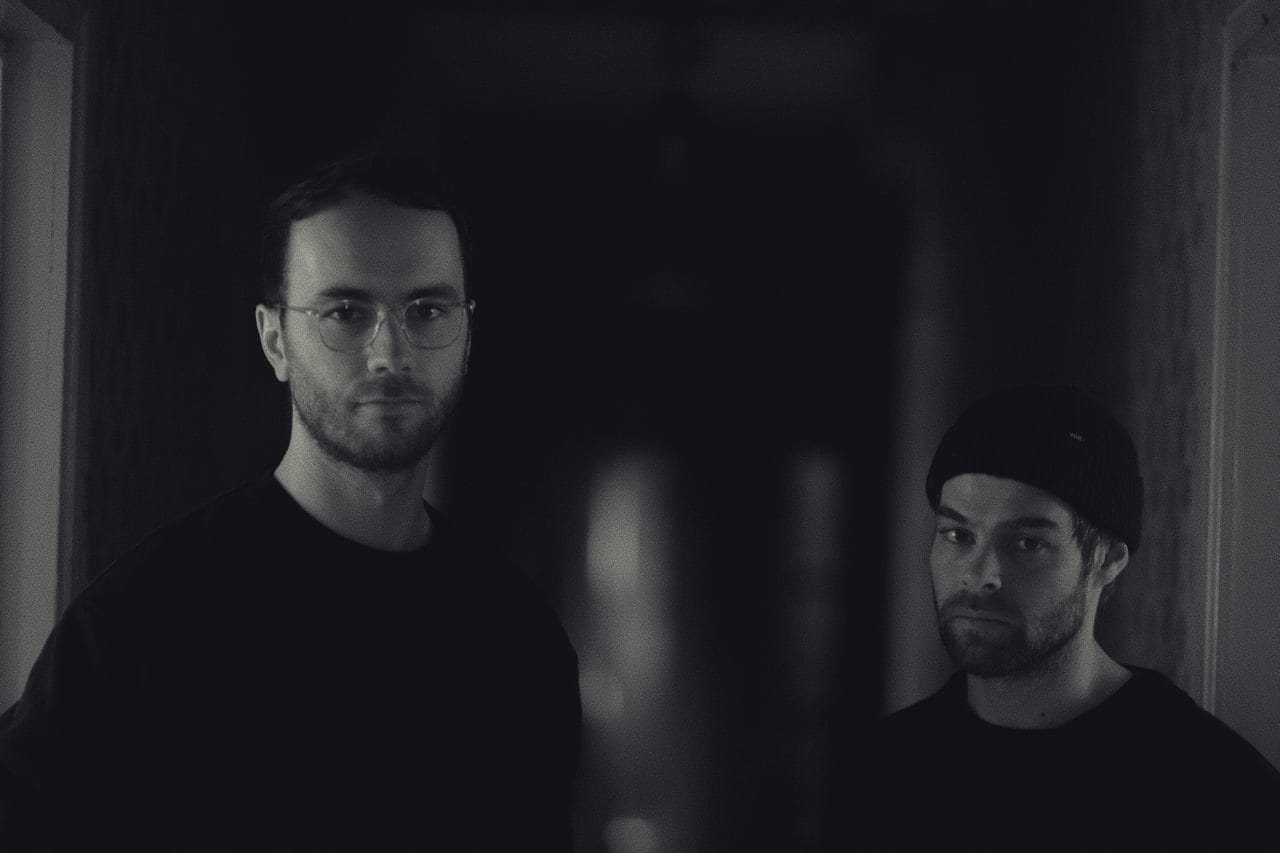
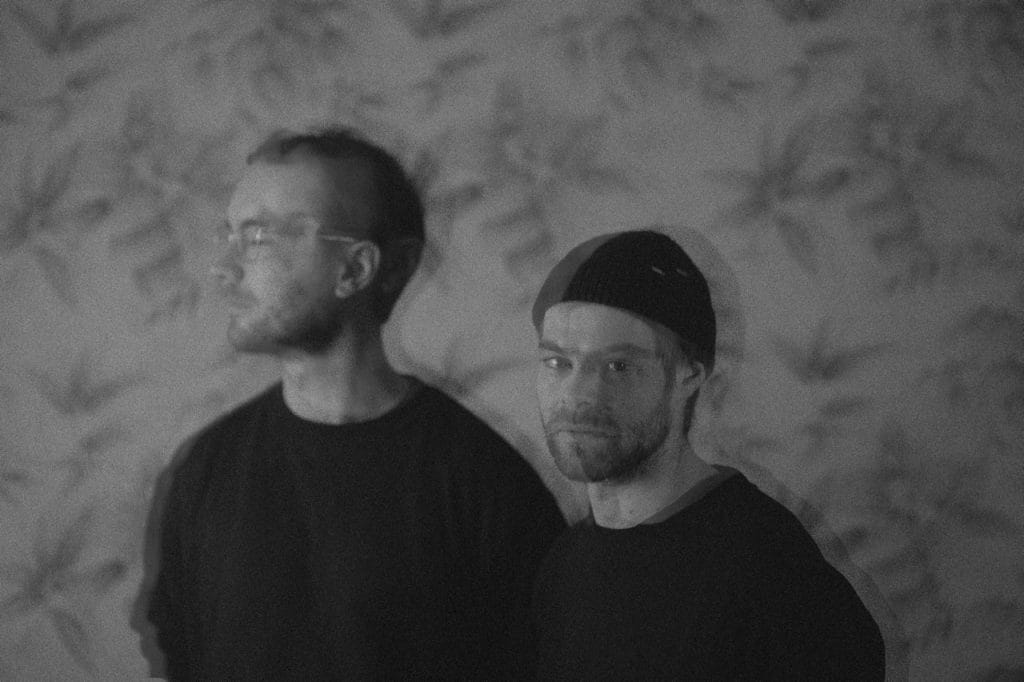
When pørtl (@weareportl) first appeared on Magnetic Magazine Recordings with Elodie, the appeal came from how little they seemed interested in over-explaining themselves. The duo, Jan Lüftner and Jonas Obermüller, work from a place of restraint, small decisions, and patience, and that has carried through their label run with a consistency that feels rare in a release cycle built around speed.
Their remix of Discognition and Vellichor’s “Lillian” fits that same approach, taking a record already rooted in careful pacing and giving it a new shape without losing the central feeling that made the original land.
The remix is part of the larger Lillian Remixed package, the 52nd catalog signing from Magnetic Magazine Recordings, which also includes versions by Ben Pierre and RTIK. pørtl’s version also sits high on their Beatport profile, which feels right because it connects the duo’s own recent momentum with a release that already had a clear story inside our label’s catalog.
Instead of treating the remix as a simple release-cycle checkpoint, pørtl use the conversation to get into a bigger question facing producers right now: what the hands-on process of making music still gives an artist when tools can generate polished results faster than before.
For a duo whose music often feels defined by what they leave in, what they leave out, and how carefully they let an idea unfold, that perspective gives this remix a wider frame without pulling attention away from the record itself.
Interview With pørtl
With AI making it easier to generate finished tracks, what still makes the hands-on process of making music valuable?
We’ve talked about this a lot, and we think it’s a really important topic. Whether it’s AI generators like Suno or production platforms like Splice, more and more tools now help you create finished tracks very quickly.
And honestly, a lot of that can be useful to remove friction and speed up repetitive tasks. But for us, the hands-on process of making music was never the boring part. That’s the exciting part. That’s where you enter a flow state, where experimentation happens, and where the emotional connection to the work comes from.
So when that process becomes too automated, something starts to feel off. In a way, it can even remove part of the joy. If you’re mostly prompting systems or assembling AI-suggested loops, the output might sound polished very quickly, but it also risks sounding like everything else. And more importantly, you can lose the deeper connection to the creative process itself.
What do producers learn from working through a track themselves that they would miss by skipping straight to a finished file?
Relying too heavily on platforms that constantly provide finished loops, suggestions, or AI-generated material can actually become a pitfall, and this is definitely something we ran into already. On one side, you can very quickly reach something that feels close to the finish line and very polished. But what people risk missing is the actual craft of shaping a piece of music over time. Arrangement, development, tension, dynamics, and transformation. Questions like: how should this track evolve? What needs to change after 16 bars? Which element should become more present? Should a sound slowly change character over time?
Those are the kinds of decisions that really teach you how music works emotionally.
And maybe even more importantly, you risk missing the process of finding your own sound. Because in our experience, a personal sound rarely comes from simply combining suggestions. It usually comes from limitation, experimentation, and spending time deeply engaging with the material yourself. That’s where identity starts to develop.
The internet tends to reward the finished post or release. What does the private process still give the artist?
For us, that question comes down to something deeper: why do you make music in the first place?
If the only goal is to release polished, genre-specific tracks as efficiently as possible, then yes, that will become easier than ever. But more and more people will be doing exactly that. We’re moving toward a world filled with technically impressive music that often feels interchangeable.
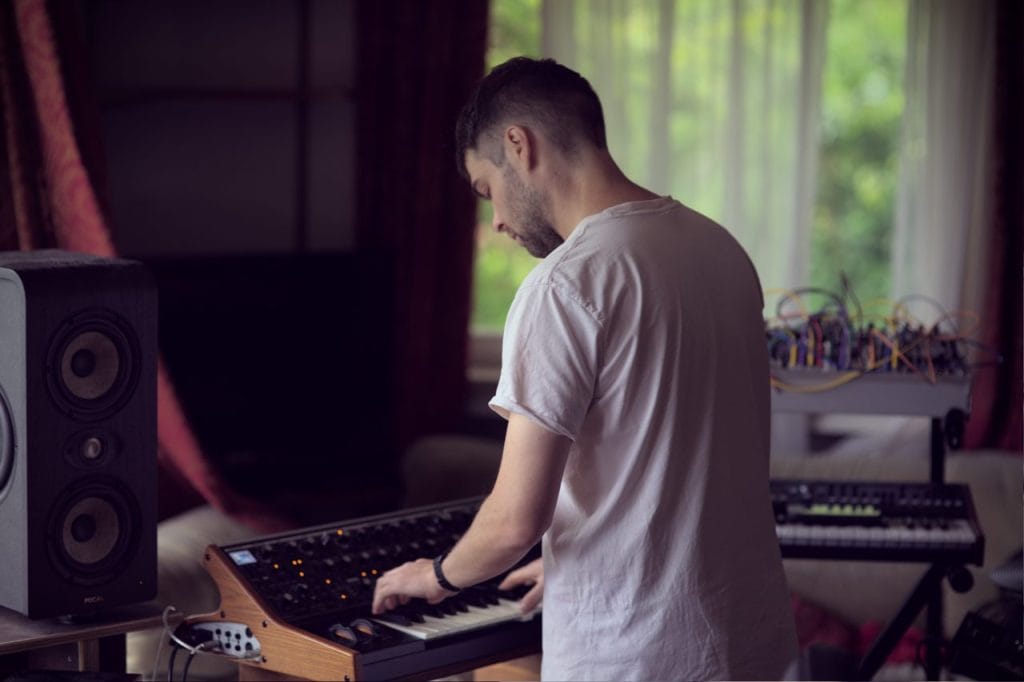
For us, the private process is actually the most important part. There’s this saying that “the journey is the goal,” and as cliché as it sounds, it’s especially true for us in music. If you don’t enjoy sitting with your instruments, experimenting with sounds, listening back to a loop of your track, or simply getting lost in the process, then something important is missing.
Sitting down, taking your time, experimenting, and getting lost in the details is actually the joyful part. And in the end, it’s also what makes you sound like yourself, because it forces you to make all the small creative decisions that eventually define your sound.
Those things rarely come from pressing a button or following suggestions. They come from spending time deeply engaged with the process itself. And in the long run, that’s what creates an identity that feels unique.
How can making music still be useful to an artist even when the track never comes out?
We’ve both made countless tracks that never saw the light of day. We have a huge backlog of unfinished ideas, abandoned sketches, and tracks that simply didn’t feel right in the end.
Most likely, almost every producer goes through phases where that can feel frustrating or even discouraging. You spend days on something and it doesn’t work, or you simply lose the connection to it. And interestingly, this is also an area where AI can genuinely help. It can help improve mixes faster, improve translation across systems, or even guide parts of the arrangement process. Those things can remove friction and help people move forward more easily.
But at the same time, there’s a very important balance. A huge part of becoming an artist comes from failure, repetition, and learning why something doesn’t work. That process of trial and error is part of what shapes your sound and your artistic instincts.
So even if a track never gets released, it still has value. Every project teaches you something about arrangement, emotion, workflow, sound design, or yourself. And honestly, the most important thing is that the process itself feels meaningful and enjoyable to you. Because in the end, that’s why most people started making music in the first place.
What would you tell a newer producer who feels discouraged by how fast creative tools are moving?
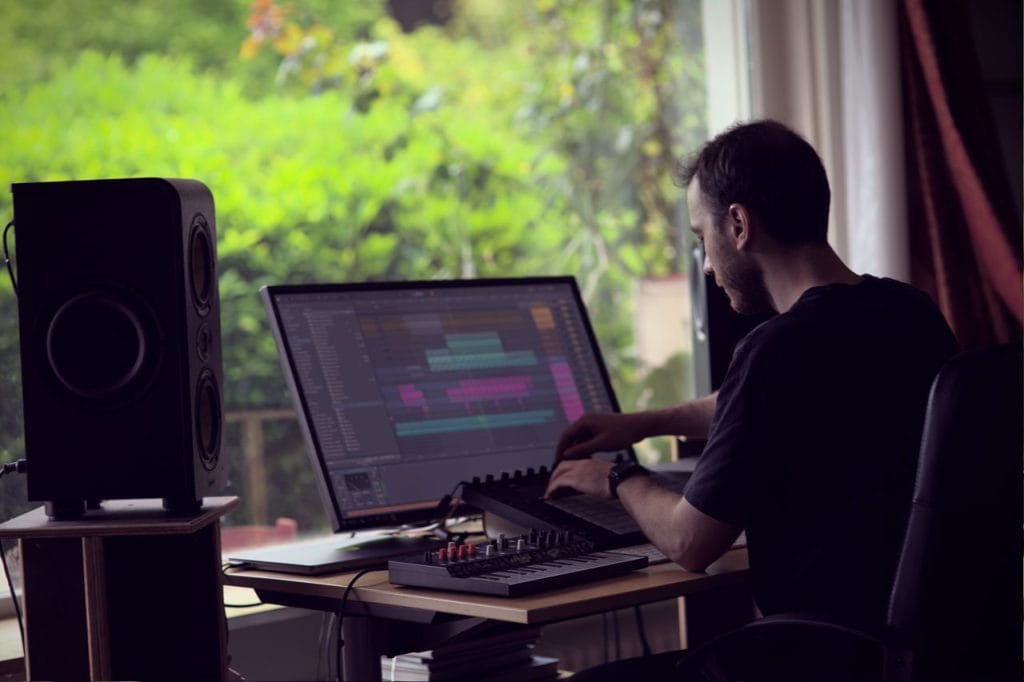
On the positive side, making music has never been more accessible. There are plugins, AI systems, and creative tools that help people create great-sounding tracks much faster than before. That lowers the barrier to entry in a very positive way.
While it can feel discouraging with AI improving extremely quickly and creating music itself, what becomes even more important now is not perfection, but identity.
The more polished and optimized everything becomes, the more valuable human character becomes.
Your sound doesn’t need to be flawless, and it doesn’t need to compete technically with every perfectly optimized AI-generated track. But it should feel like you.
That’s something we’ve been reflecting on ourselves too. Wanting less perfection and more personality. Less focus on whether everything is technically ideal, and more focus on whether the music has emotion, atmosphere, and represents us.

Will Vance is a professional music producer who has been involved in the industry for the better part of a decade and has been the managing editor at Magnetic Magazine since mid-2022. In that time period, he has published thousands of articles on music production, industry think pieces and educational articles about the music industry. Over the last decade as a professional music producer, Will Vance has also ran multiple successful and highly respected record labels in the industry, including Where The Heart Is Records as well as having launched a new label with a focus on community through Magnetic Magazine. When not running these labels or producing his own music, Vance is likely writing for other top industry sites like Waves or the Hyperbits Masterclass or working on his upcoming book on mindfulness in music production. On the rare chance he's not thinking about music production, he's probably running a game of Dungeons and Dragons with his friends which he has been the dungeon master for for many years.