Table of Contents
Choosing the best music for retail stores can seem simple until it starts to shape the room in ways you did not plan. A playlist can change how long people stay, how staff feel during long shifts, and how clearly the store communicates its taste. That does not mean every retail space needs a heavily programmed soundtrack. It means the audio should be handled with the same care as lighting, layout, product placement, scent, and staff tone.
Retail music works best when it supports the pace of the space: a boutique with slower browsing behavior needs a different energy than a grocery store at 5:30 p.m. A home goods shop needs a different approach than a streetwear store. A luxury showroom needs a different playback level than a busy gift shop. The right choice rarely comes down to one perfect genre. It comes down to fit, and the mistake I see retailers make is treating music as decoration.
They pick songs they personally like, hand the aux to whoever is working, or rely on a random playlist whose feel changes every few tracks. That can create a room that feels uneven, and it can also create licensing problems if a personal streaming account is used in a commercial space. Retail needs consistency, and that consistency should still leave room for taste.
For businesses that want a cleaner way to handle this, Moodby offers clear stations for commercial spaces, pricing by zone, multi-location control, staff access settings, in-store audio messaging, and a free trial listed on its site.
Start With The Store’s Pace Before You Pick The Genre
The best retail music starts with a big question: how do people use the space and move through it?
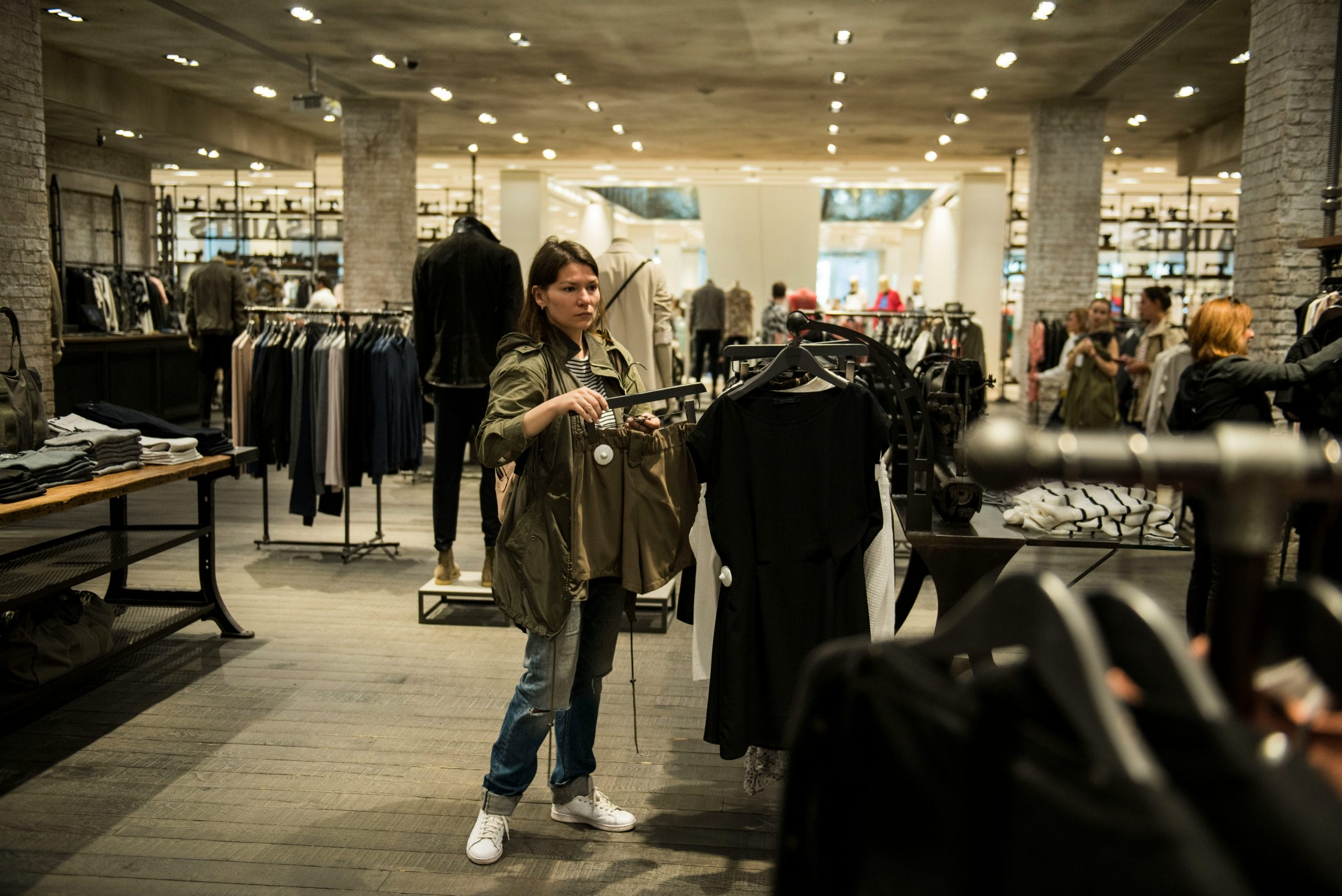
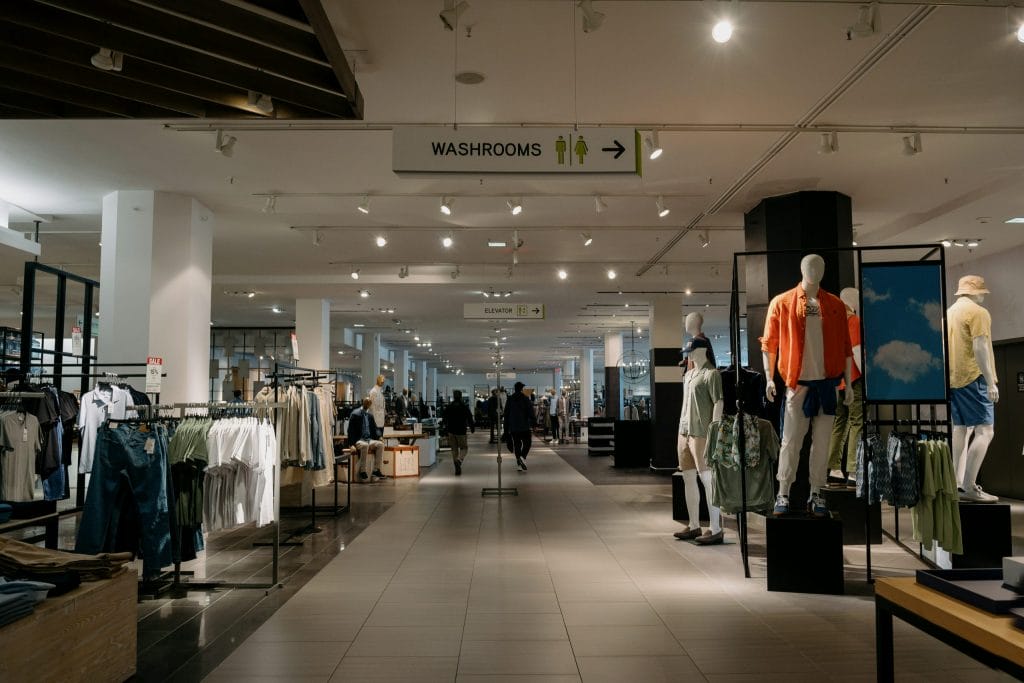
That question is important because every store has a natural speed. A customer in a furniture store may spend twenty minutes comparing finishes, sitting on couches, and checking measurements. A customer in a convenience store may complete the entire visit in three minutes. A boutique clothing shop may need people to slow down enough to browse. A sneaker shop may need enough energy to match the visual identity without making the room feel crowded.
This is where genre becomes less useful as the first decision.
“House,” “indie,” “jazz,” “R&B,” or “pop” can all work in retail, but they can also all fail if the tempo, volume, and track selection work against the space. A mid-tempo R&B station may fit a modern apparel store during afternoon traffic. A softer jazz set may fit a skincare retail floor. A low-key electronic playlist may fit a design shop. The category matters less than how the room responds to it.
Tempo Is The Biggest Factor
Tempo is usually the first lever.
Faster music can raise the perceived pace of a store. Slower selections can give customers room to inspect products and take their time. Neither choice is automatically better. A busy grocery store may benefit from music that keeps the room moving without feeling rushed. A high-end boutique may need a pace that supports browsing and conversation. A family-focused store may need a neutral middle ground that does not compete with children, staff, and product demos.
Next Is Volume
Volume is the second lever, and it is often handled poorly.
Retail music should be audible enough to prevent awkward silence, yet quiet enough for staff and customers to speak comfortably. If customers need to repeat themselves at checkout, the system is too loud. If staff start speaking louder as the day goes on, the room is probably fatiguing them. If the music disappears completely during normal foot traffic, the level is too low.\
A Simple Test Could Save Your Life
The best way to test this is simple.
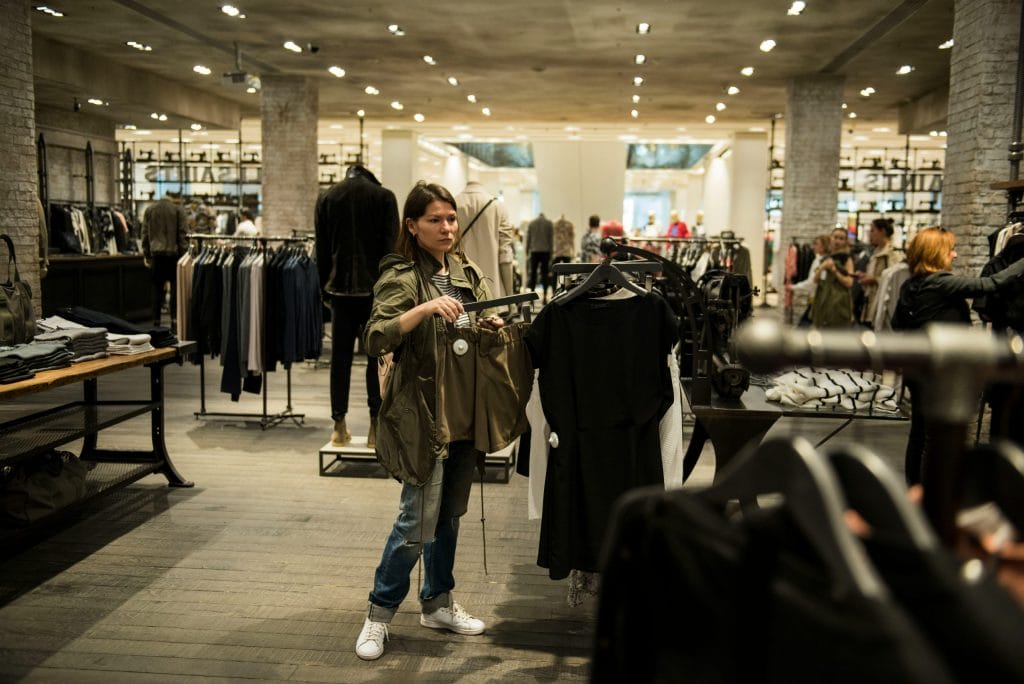
Walk the customer path. Start outside the entrance. Step through the door. Pause near the first product display. Walk to the checkout. Stand near fitting rooms, waiting areas, sale racks, and corners where speakers may hit harder. The music should feel consistent across the room. It should support the store without calling attention to itself every thirty seconds.
Keep Brand Identity Specific, Yet Flexible
Brand identity in retail music does not mean every track needs to sound like the brand’s visual style. That can get stiff quickly. It means the music should reinforce the kind of experience the store wants customers to have.
A surf apparel shop can lean into relaxed guitar music, modern indie, mellow disco, or coastal-leaning electronic selections. A minimalist design store can use ambient electronic music, modern jazz, or stripped-back soul. A youth-focused streetwear store can pull from hip-hop, grime, club music, or left-field pop, as long as the lyrics and energy fit the floor. A wine shop can use soul, jazz, folk, soft house, or acoustic selections, depending on the customer base and time of day.
The key is to define the boundaries before anyone starts picking tracks.
What should the store never sound like?
What should it sound like at its busiest hour?
What should it sound like ten minutes after opening?
What should it sound like during a sale event?
These questions turn taste into a system the staff can follow. I would define a retail music profile in plain terms. For example, a modern clothing store might use this:
“The room should feel current, warm, and easy to shop. Music should sit around low-to-mid tempo during the day, then pick up slightly in the late afternoon. Avoid aggressive vocals, harsh highs, novelty tracks, and anything that pulls focus from the room.”
That kind of direction helps as it gives staff a clear target without forcing one narrow playlist to carry the entire store.
Lyrics deserve special attention. Songs with explicit lyrics, heavy emotional content, or distracting hooks can interrupt the shopping experience. A track that works in headphones may feel awkward in a family retail setting. A song with a chorus that repeats too often can become exhausting for staff after eight hours. Instrumental music can help with some of this, but a fully instrumental playlist can also feel too neutral for certain brands. The balance depends on the store.
And finally, time of day also comes into play as well. Morning music should usually be lighter and less dense. Midday can carry the main brand feel. Late afternoon may need more energy. Evening shopping can tolerate a slightly stronger identity, especially in fashion, beauty, and lifestyle retail. A store that uses the same playlist from open to close can feel flat. A simple daypart plan fixes this without creating extra work.
Use Zoning To Solve Real Retail Problems
Retail stores often treat audio as a single room, yet many have several micro-environments. The entrance has one job. The main floor has another. Fitting rooms have another. Checkout has another; you get the point I’m sure. Larger stores may also have cafes, demo spaces, service desks, kids’ sections, or outdoor areas.
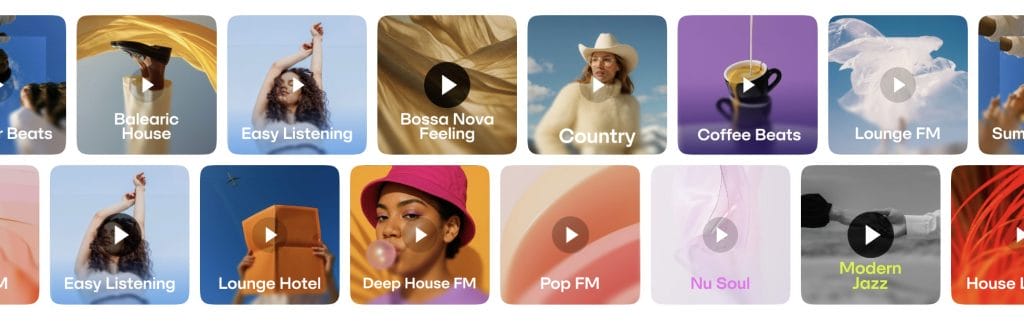
This is where zoning becomes a resource you can use to define the space overall. A zone is an independent audio area with its own stream or level. A single-room shop may only need one zone. A larger space may need separate control for the entrance, main floor, and checkout. Moodby describes zones as independent streams that can be assigned to areas such as a dining room, bar, lobby, or retail floor, and the same idea applies cleanly to stores with different customer touchpoints.
The Entrance
The entrance should create an immediate read. Customers should understand the store’s feel within a few seconds. That does not mean the entrance needs loud music. It means the first impression should be intentional. The opening section of a store often carries displays, promos, and new arrivals, so the music should support attention rather than scatter it.
The Main Floor
The main floor should be the most balanced zone. Customers need to browse, compare, talk, and think. This area usually benefits from music with enough movement to keep the room active, with low vocal distraction. Overly busy arrangements can make the room feel cramped, especially when the store has reflective surfaces, hard floors, and exposed ceilings.
Fitting Rooms
Fitting rooms need comfort. This is where shoppers make personal decisions, and the room should feel relaxed. The music can be slightly quieter there. Harsh treble and aggressive vocals can make the area feel less private. Staff callouts and customer questions also need to remain clear.
Checkout
Checkout needs communication. This is where payment, returns, loyalty programs, and service conversations happen. The music should stay out of the way. Many stores lose control here because speakers point directly at the counter. A small level adjustment can make the staff experience better and reduce friction at the end of the visit.
Zoning also helps multi-location retailers protect brand consistency. A growing retail chain cannot rely on each location to interpret the brand through personal playlists. That creates uneven rooms. One store may sound tasteful. Another may sound chaotic. Another may sound like a staff member’s weekend playlist. Central control lets a brand set guardrails while still giving locations enough flexibility for local hours, traffic, and store layout.
Make Licensing And Staff Control Part Of The System
Retailers should take music licensing very seriously, and yet it’s something newer businesses usually put on the back burner…. only to get burned by it (pun only slightly intended) down the line. Personal streaming services are built for private listening, and public business playback can require different rights, and it’s important to remember that business playback can involve public performance rights and organizations such as ASCAP, BMI, SESAC, and GMR in the U.S.
This is one reason business music services exist.
They reduce uncertainty for owners and managers. They also prevent staff from using personal accounts, skipping tracks all day, or changing the entire feel of the store because the playlist has grown tiresome. The goal is not to remove staff taste from the room. The goal is to prevent the room from changing direction every shift.
Staff access should be limited and practical, and a manager may need control over stations and schedules. Floor staff may only need play, pause, and volume access. A regional lead may need to manage several locations. A business owner may need reporting, billing, and proof that the setup is licensed for commercial use. The less ambiguous the system is, the fewer daily decisions the team needs to make.
In-store messaging can also be useful when handled with restraint, but it’s super easy to overdo it. Short audio inserts can announce promotions, remind customers about services, or reinforce store policies. They should be brief, cleanly voiced, and spaced out. Too many messages can make the room feel transactional. A few well-timed messages can support sales without forcing staff to repeat the same information all day.
The best retail music setup is usually boring behind the scenes. It runs on schedule. It fits the hour. It fits the room. It gives staff the right amount of control. It keeps the business clear on licensing. It supports the brand without turning the store into a listening room.
That is the real standard here. Retail music should help customers feel comfortable, help staff work through the day, and help the store express its taste with consistency. When those pieces are handled well, the room feels intentional before anyone consciously notices the playlist.

Will Vance is a professional music producer who has been involved in the industry for the better part of a decade and has been the managing editor at Magnetic Magazine since mid-2022. In that time period, he has published thousands of articles on music production, industry think pieces and educational articles about the music industry. Over the last decade as a professional music producer, Will Vance has also ran multiple successful and highly respected record labels in the industry, including Where The Heart Is Records as well as having launched a new label with a focus on community through Magnetic Magazine. When not running these labels or producing his own music, Vance is likely writing for other top industry sites like Waves or the Hyperbits Masterclass or working on his upcoming book on mindfulness in music production. On the rare chance he's not thinking about music production, he's probably running a game of Dungeons and Dragons with his friends which he has been the dungeon master for for many years.