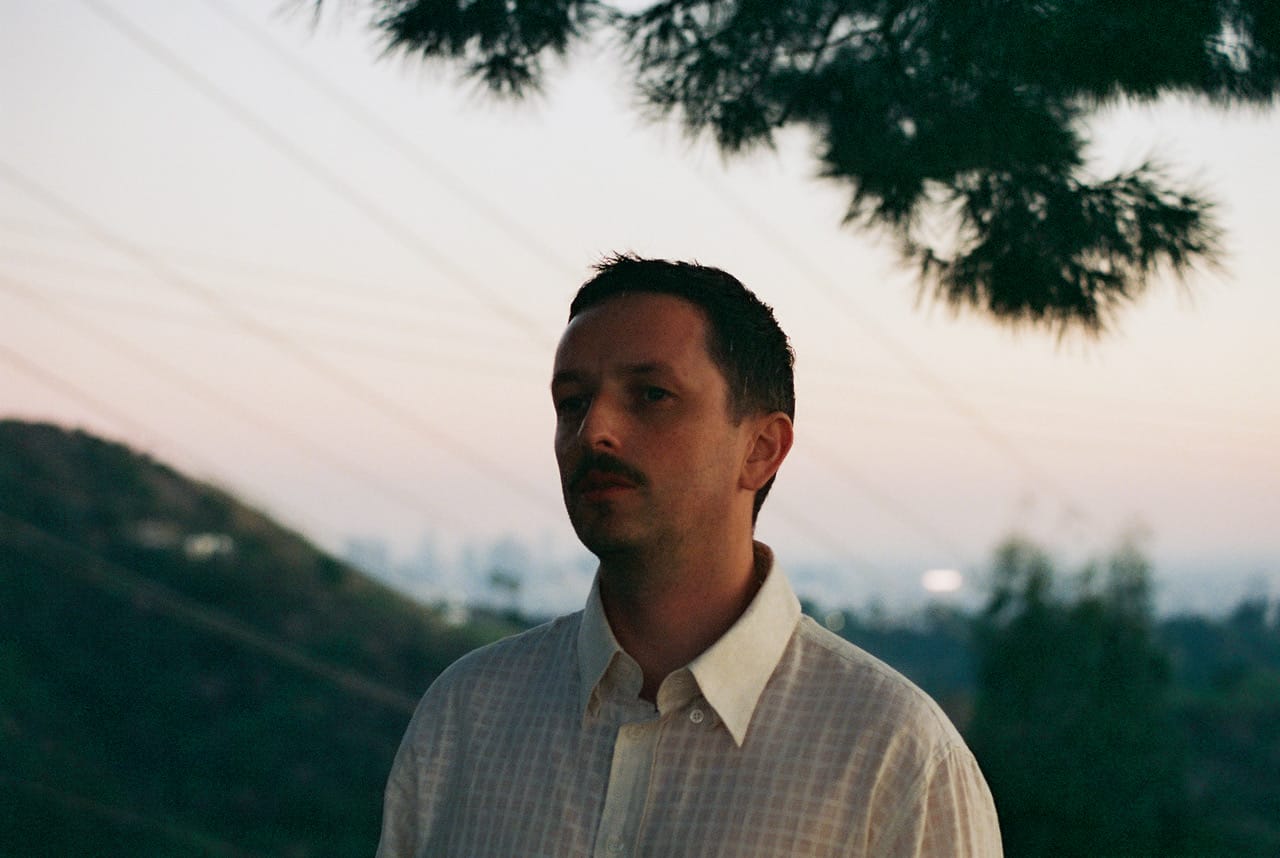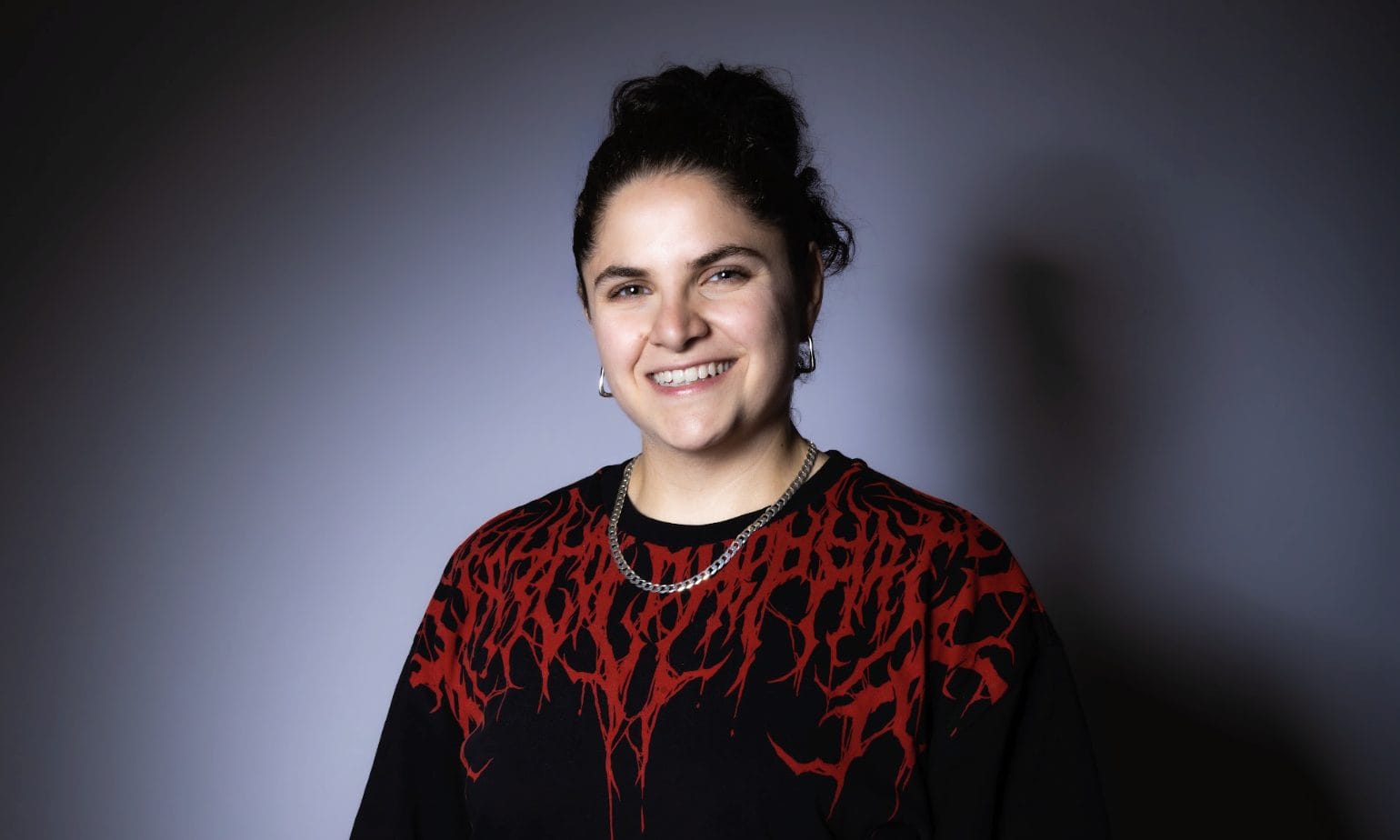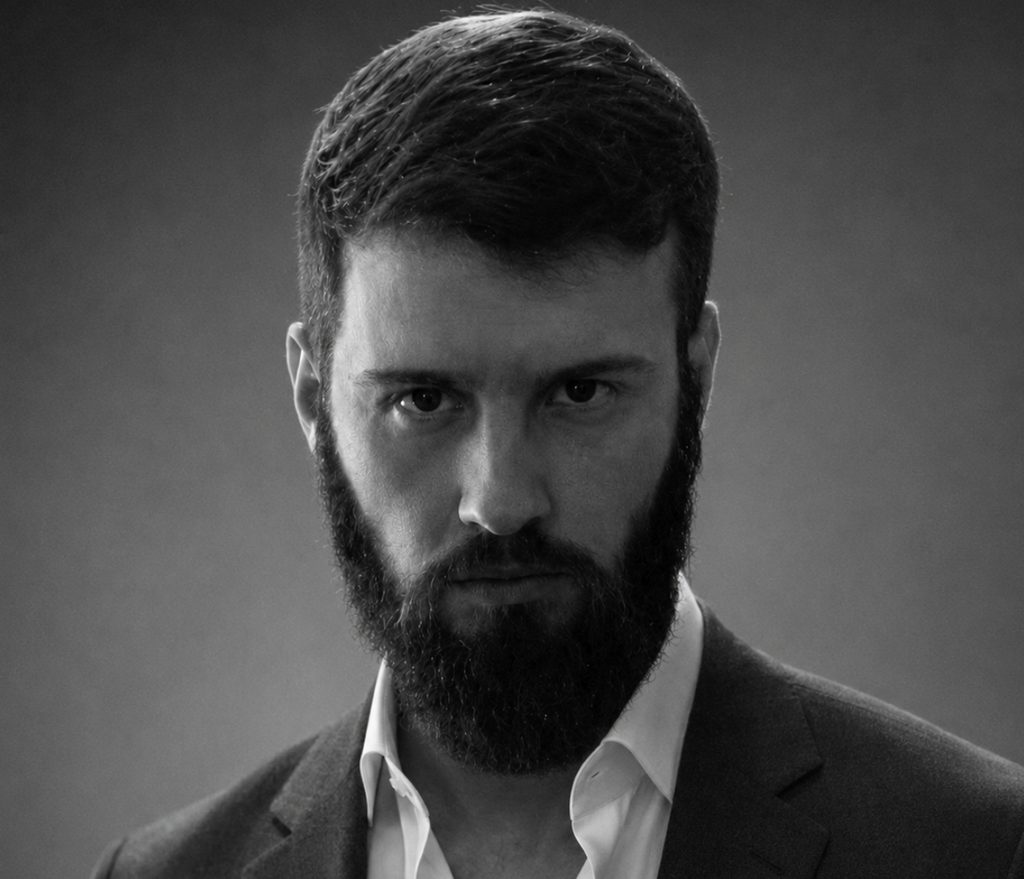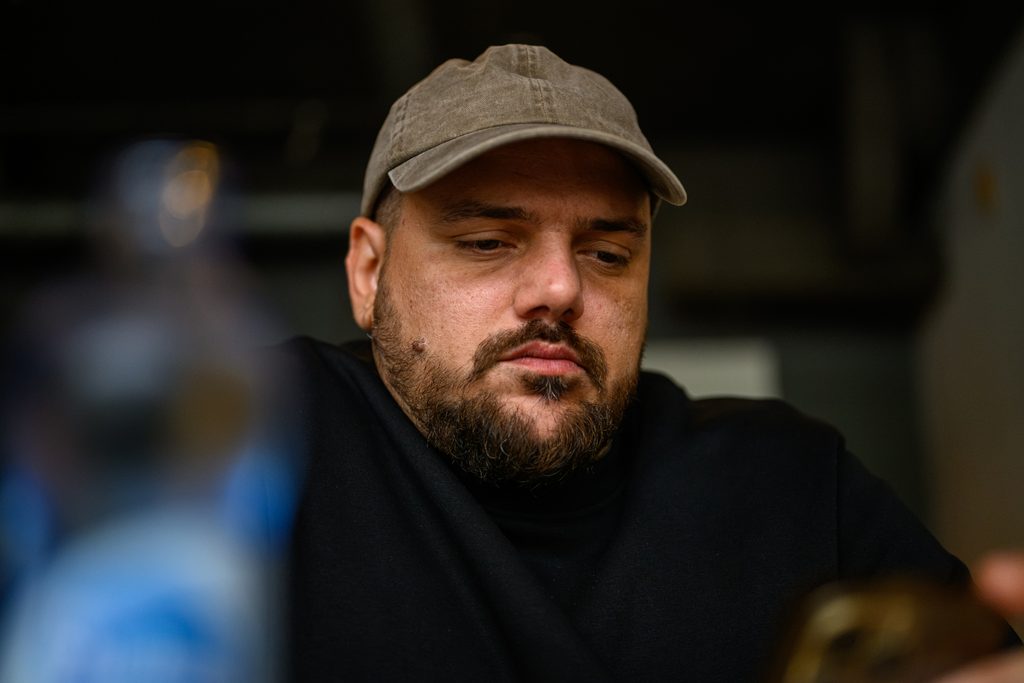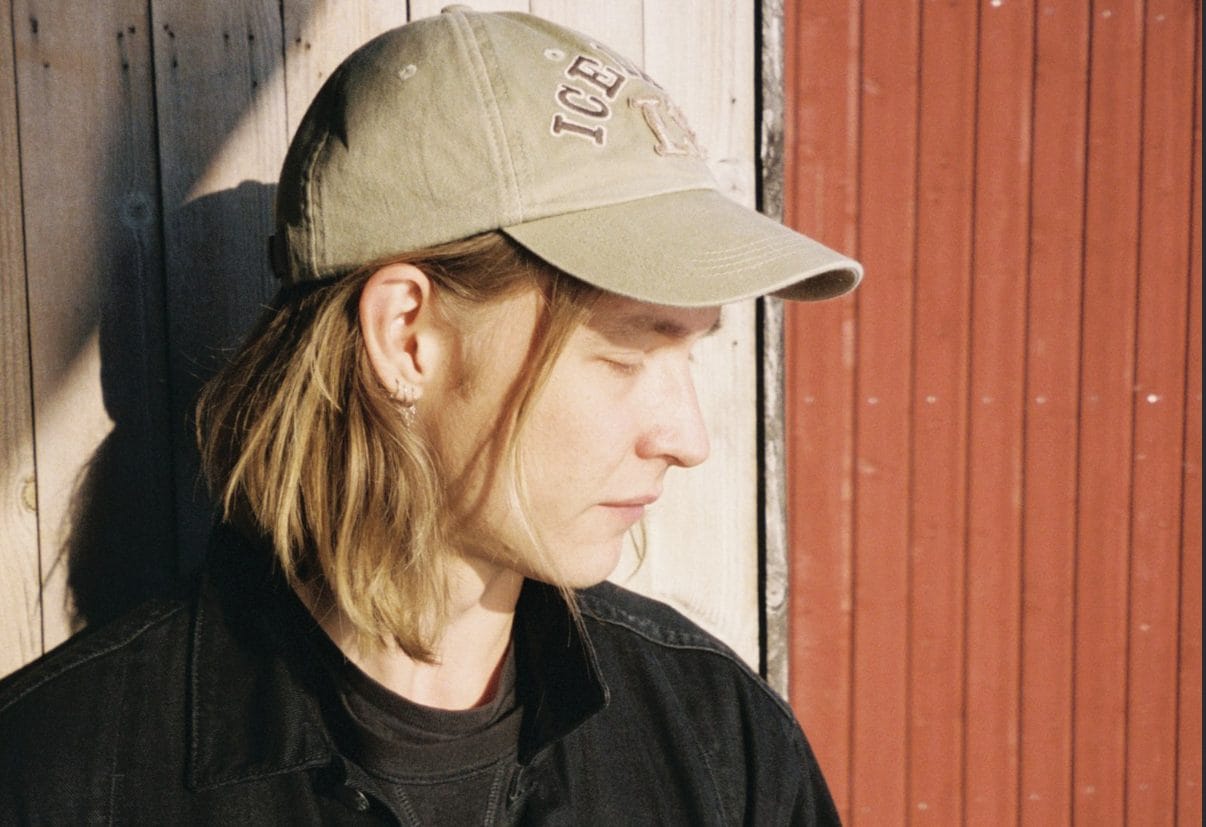
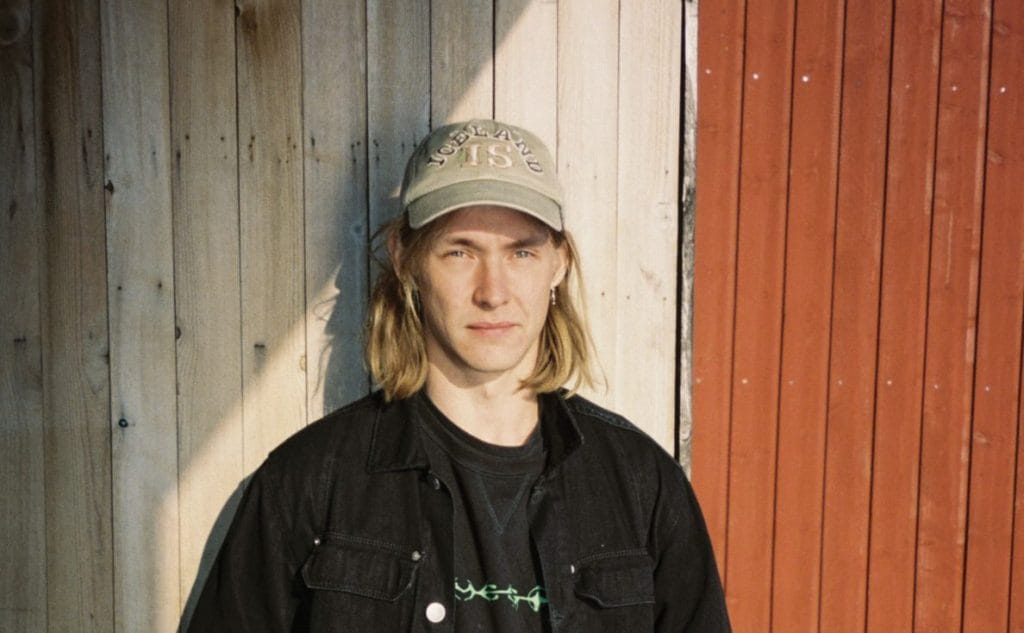
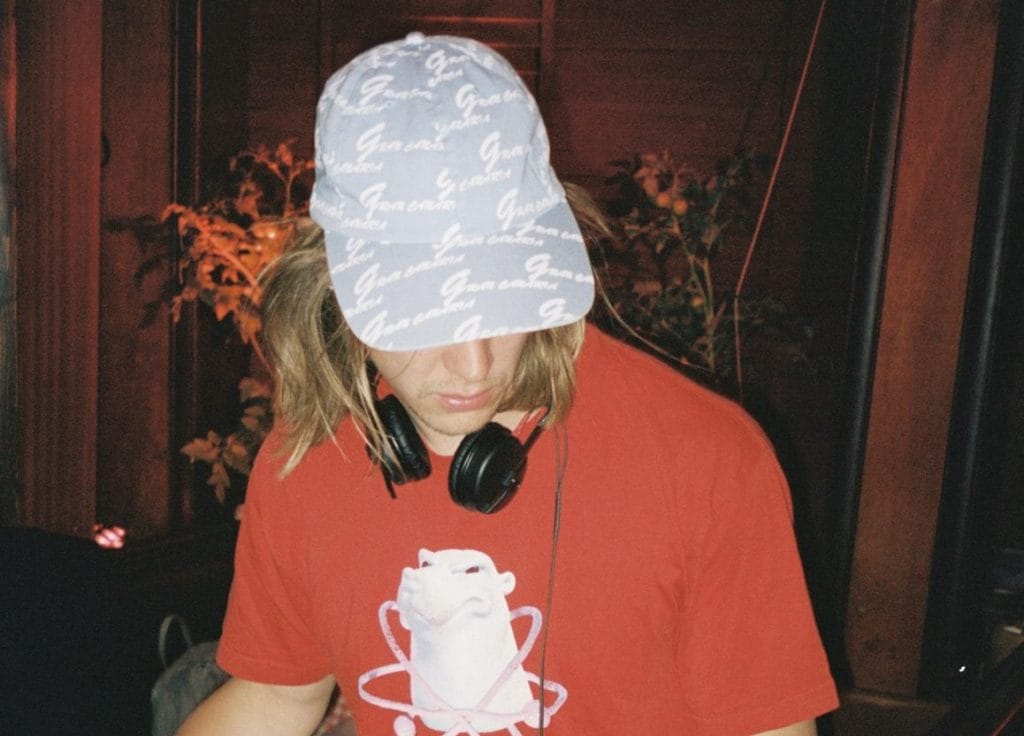
Niilas, the Bergen-based artist Peder Niilas Tårnesvik, had been moving across club music, sound art, and performance in a way that made format feel secondary to concept. The new album Nama Haga kept that multidisciplinary throughline, and it also framed his Sámi heritage as part of the record’s identity, rather than a separate talking point added later.
His wider background helped explain that approach.
The press materials described concept-driven album work, an audio-visual live show, and participation in BICEP’s multimedia project TAKKUUK, including a feature in the film and on the album’s intro track. They also pointed to appearances at Øyafestivalen, Henie Onstad Art Center, Tate Modern Corner Bar, and the Munch Museum, plus soundtrack work for brands like Adidas and Polestar.
In the interview, Niilas talked about “exposure” as something he could generate through direct connection, collaboration, and local shows, and he was clear about limiting online activity to what he cared about and what served the project. He also described how bringing in family history, indigenous connections, and art sharpened his direction, which led into his debut album Also This Will Change, then continued into an ongoing focus on experimental Sámi electronic music.
He framed boundaries as a practical requirement for sustainability, and he separated creative struggle from the kind of workload that makes the work feel draining in a way that does not pay back.
Interview With Niilas
How has your relationship to “exposure” changed as your career has grown?
In recent years I shifted focus from chasing exposure online to connecting with people around me in a physical sense. I think that comes from internet oversaturation and attention inflation online. Exposure works best when there is an exchange of energy, and the internet has increasingly become a place where capital and attention get extracted. Exposure is also something you can create yourself, or in collaboration.
Booking small shows with local artists, doing collaborations, promoting projects directly in person or by email, and posting on social media are all actions that can impact the community around you, and people will notice when the quality is strong.
Sometimes it can feel like exposure means being lucky enough to get presented by someone you look up to, and while that can be true, it also includes what you build directly through consistent work and relationships.
What helps you maintain clarity about who you are beyond your public presence?
Social processes and relating to people, places, situations, and real life in general have become increasingly important for me. It feels strange to say something that obvious, but in a context where people get pushed into systems that require constant self-presentation as a product, it becomes easy to forget that identity is forged in community.
The public version can be a compressed version of something, since it implies a split, or a sense of multiplicity. Who I am can vary day to day depending on where I am and who I am with, and it is larger and has more depth than a press release connected to a specific project.
Have there been moments where refining your output strengthened your creative direction?
When I started incorporating more of my personal life and family backstory, including indigenous connections and art, things became clearer for me.
That culminated in my debut album Also This Will Change, which did very well. I have been working with the idea of experimental Sámi electronic music since then, and I feel I have grown artistically through that process. The album I am releasing now includes music that did not fit into the conceptual albums I made in recent years.
The tracks still felt strong, and I did not want them to stay on a drive, so when enough material took shape and I started collaborations, it became a cohesive body of work that deserved release.

How do you decide when to engage online and when to step back?
I try to limit my online engagement to things I care about, project publicity, or the occasional funny picture.
The ceiling for attention, energy, and time spent on social media is close to infinite. The return on energy spent in person versus online has shifted a lot in the last fifteen years. I would rather engage with people than large systems, or smaller systems when needed. Finding communities on Soulseek, Discord, and Nina Protocol feels more direct than posting self-promo videos on TikTok. It also gives individuals more power and control, rather than waiting for an algorithmic boost.
What practices help you protect your energy while staying active?
A consistent physical practice is essential for me, and I prioritize rest while reflecting on my energy level and general capacity. I also learned that traveling often carries a higher cost than expected, and friendship often has the opposite effect.
I also try to cultivate creativity across different areas. Drawing, singing, yoga, dance, whatever it is, I try it and I do it.
My grandfather is a big inspiration here. He always has an ongoing project, something to work on with his hands. The focus on performance, sales, and constant presentation can be degrading to the arts, and it can reduce inspiration quickly.
How do you think about the relationship between your public persona and your private self?
I do not keep strict boundaries between personal life and public life.
That has helped keep authenticity on both sides, although it may be easier for me since I am not a major celebrity. The online version of me is more concentrated and condensed, with selected activity and aesthetics.
Finding a balance between fluidity and concreteness matters to me, and I sometimes feel more connected to an art scene than to the music business. I have an aversion to predictability in my practice, and I get frustrated when I listen to an artist where everything sounds the same. There is a balance here, and experimentation is a priority for me.
What boundaries have supported your long-term focus?
Saying “no, thanks” has been valuable.
It can be easy to keep taking on projects, commissions, concepts, and concerts, and at a certain point the load carries a higher cost than the reward. Working hard makes sense, but only at a sustainable level. I also try to stay conscious of what effect the work has on me. If it makes me feel miserable, I try to limit the space it takes in my life. Struggle is not the same as misery. I keep going longer when I enjoy something, compared to forcing it. I also try to remember the gratitude inside the “thanks” in “no thanks.”

Will Vance is a professional music producer who has been involved in the industry for the better part of a decade and has been the managing editor at Magnetic Magazine since mid-2022. In that time period, he has published thousands of articles on music production, industry think pieces and educational articles about the music industry. Over the last decade as a professional music producer, Will Vance has also ran multiple successful and highly respected record labels in the industry, including Where The Heart Is Records as well as having launched a new label with a focus on community through Magnetic Magazine. When not running these labels or producing his own music, Vance is likely writing for other top industry sites like Waves or the Hyperbits Masterclass or working on his upcoming book on mindfulness in music production. On the rare chance he's not thinking about music production, he's probably running a game of Dungeons and Dragons with his friends which he has been the dungeon master for for many years.