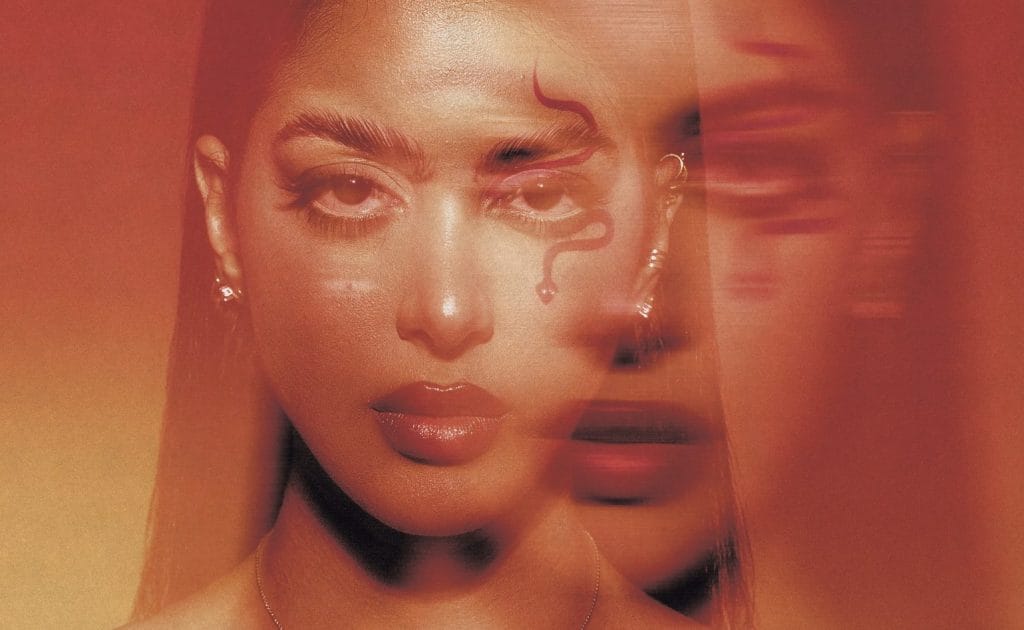
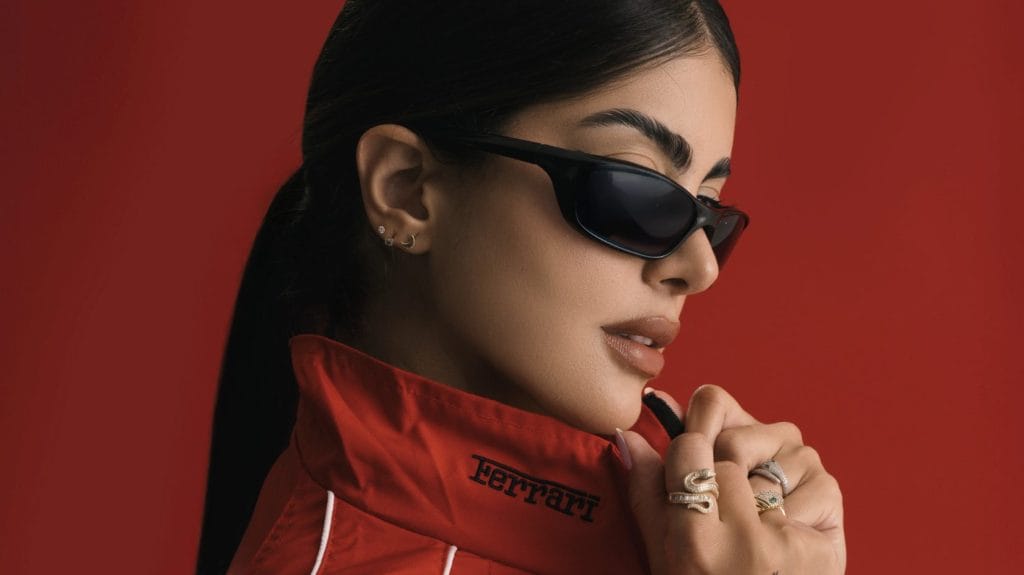
Amal Nemer (@amal.nemer) has been moving fast over the past few years, and the run into Devils adds another strong chapter. The Venezuelan-born, Lebanese DJ, vocalist, and producer has released music through Moon Harbour, Glasgow Underground, Nervous Records, Made In Miami, and Farris Wheel, and now turns back to her own Manifest Records for a new EP arriving today on March 20, 2026.
That release lands at a point when her profile is already expanding through club sets, charting records, and larger support opportunities, including a closing set for Carl Cox at Moon Landing Tampa.
But this chat with her takes a different route.
Instead of staying on release notes and studio process, it gets into ownership, access, and how a DJ keeps a library personal at a time when streaming puts nearly everything within reach. That tension has become part of modern DJ culture, especially for artists trying to keep a clear sense of identity while dealing with packed inboxes, digital convenience, and a constant flood of new music.
Nemer’s answers are direct and personal. She talks about downloading tracks, organizing folders on USB, studying records closely, and keeping enough space in her routine to actually hear what belongs in her sets. Alongside the new EP, that perspective gives this conversation a clear angle, because it shows how she thinks about music before it ever reaches the booth.
Amal Nemer Interview
How do you think about the difference between owning music and accessing it instantly through streaming platforms?
Honestly, I still download my music.
There’s something different about having your USB with the folders organized the way you feel and understand them. It feels personal, intentional. I love technology, and I’m sure for open-format DJs this streaming tool must be super helpful, but I still prefer owning the music on my USB.
Has streaming changed how you build or maintain your library?
Not really. My library has my soul in it 😂 I still put the same effort and love into organizing it. Every track has a place and a reason for being there.
What helps you ensure your crates reflect deliberate curation rather than turn-and-burn levels of convenience?
First of all, I study my music. I spend real time learning each track, understanding its energy and where it lives. When the time comes to play them, I make sure to stay connected with myself and listen to my intuition rather than just reaching for whatever is easy.
When so much music is being released and hitting your inbox each week, how do you preserve music that defines your identity?
If I can imagine myself playing the track, then I download it. That’s the question I always ask myself whenever I listen to something new. It keeps the noise out and makes sure what ends up in my library actually means something to me.

Has ease-of-access influenced how you commit to certain records over time (or fall in love with them)?
There’s timeless music that I’ll always go back to, even though I constantly change my sets because I get bored of tracks easily. Some records just stay with you no matter what, and no amount of new releases changes that.
What practices help you stay intentionally connected to your music in a streaming-first workflow?
Giving my ears a break helps a lot, as does listening back to my own sets and paying attention to what actually moved the room.
I also have a daily practice where I don’t use my phone for the first two hours of the morning, which really helps my focus and keeps me grounded. In the studio, I produce and audition tracks at a low volume too. It changes how you hear things.


Will Vance is a professional music producer who has been involved in the industry for the better part of a decade and has been the managing editor at Magnetic Magazine since mid-2022. In that time period, he has published thousands of articles on music production, industry think pieces and educational articles about the music industry. Over the last decade as a professional music producer, Will Vance has also ran multiple successful and highly respected record labels in the industry, including Where The Heart Is Records as well as having launched a new label with a focus on community through Magnetic Magazine. When not running these labels or producing his own music, Vance is likely writing for other top industry sites like Waves or the Hyperbits Masterclass or working on his upcoming book on mindfulness in music production. On the rare chance he's not thinking about music production, he's probably running a game of Dungeons and Dragons with his friends which he has been the dungeon master for for many years.



![[Premiere] Tom Brownlow And JenJammin Sax Bring Live Sax To House On “Happiness”](https://magneticmag.com/wp-content/uploads/2026/08/Untitled-design-45-1024x614.jpg)