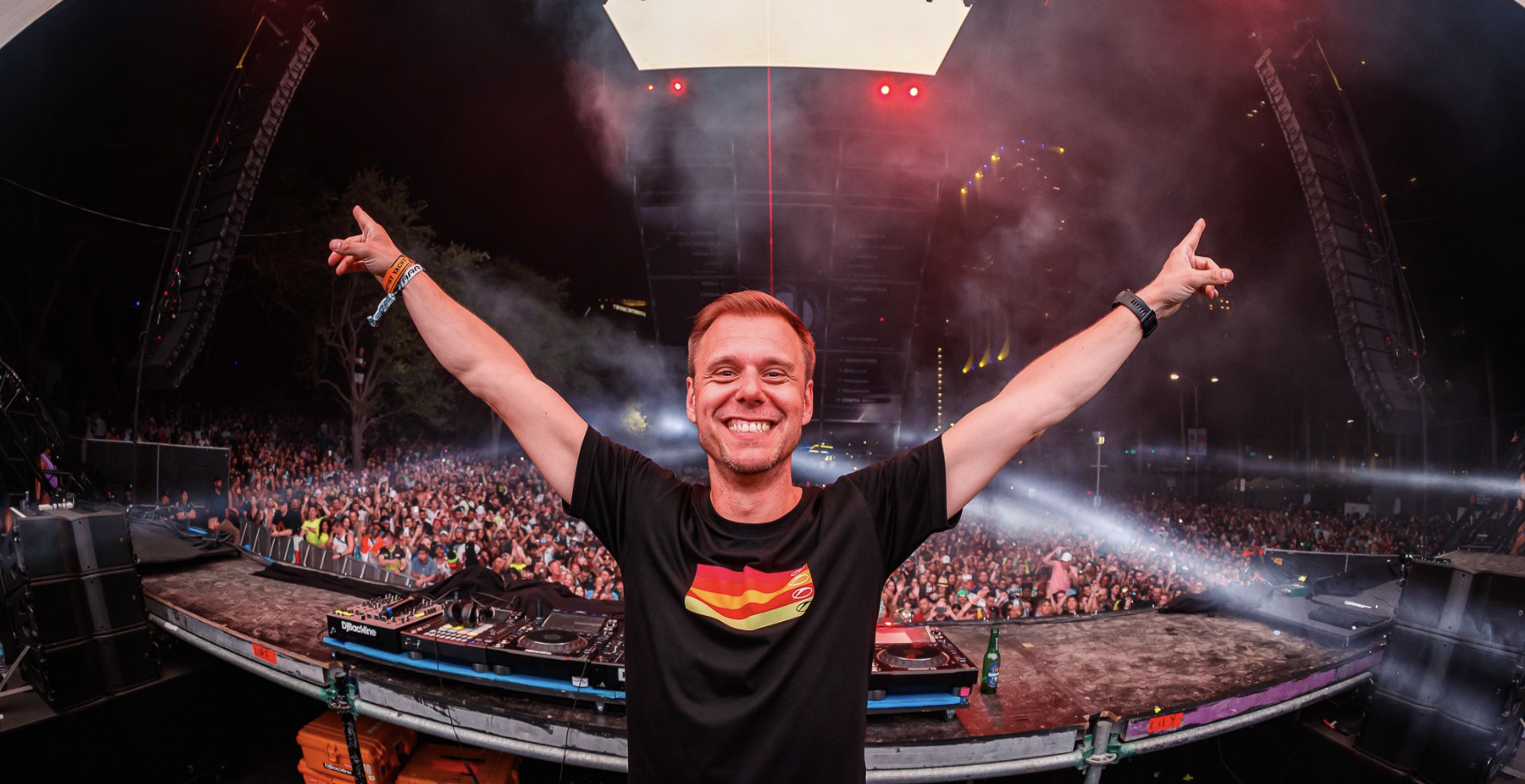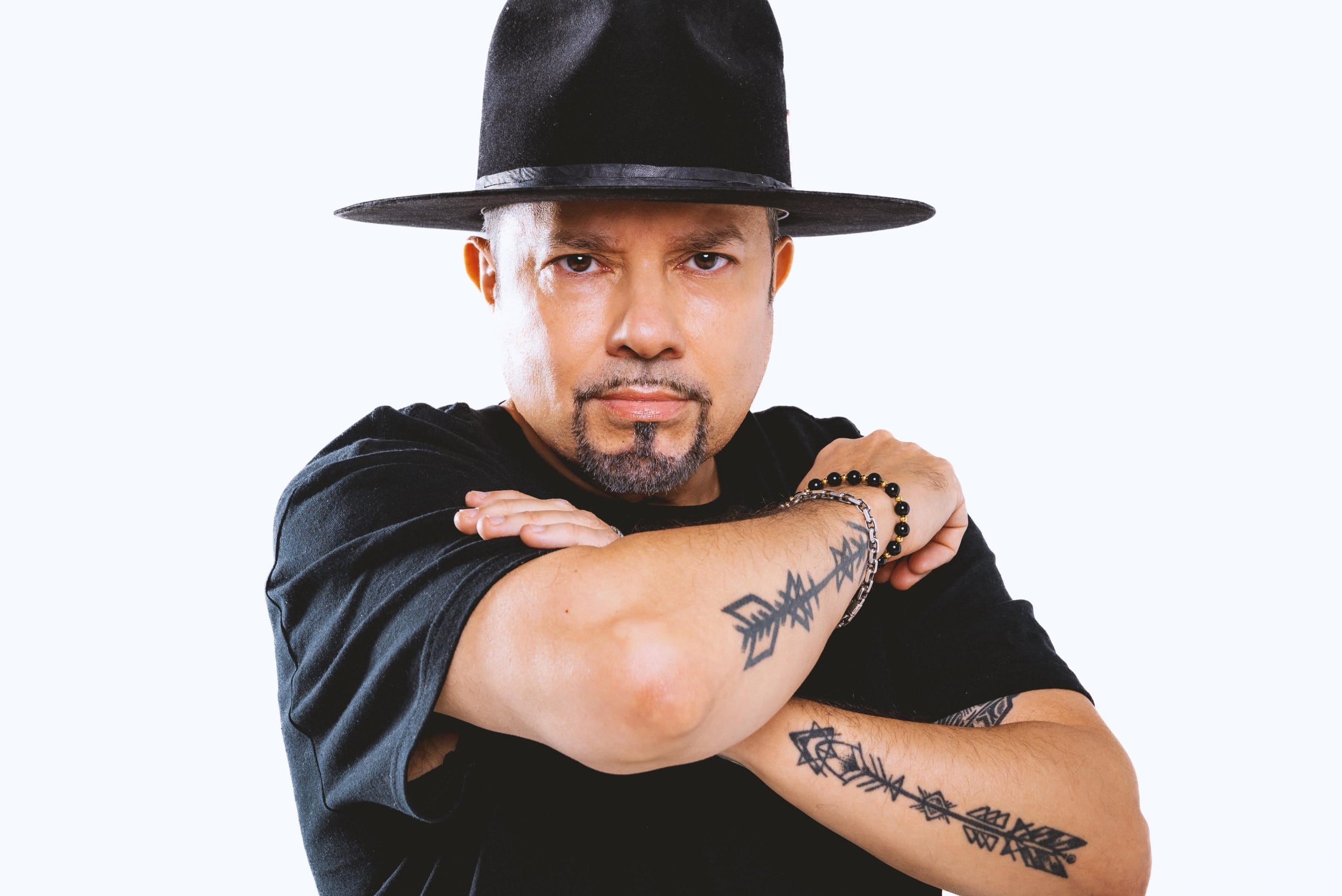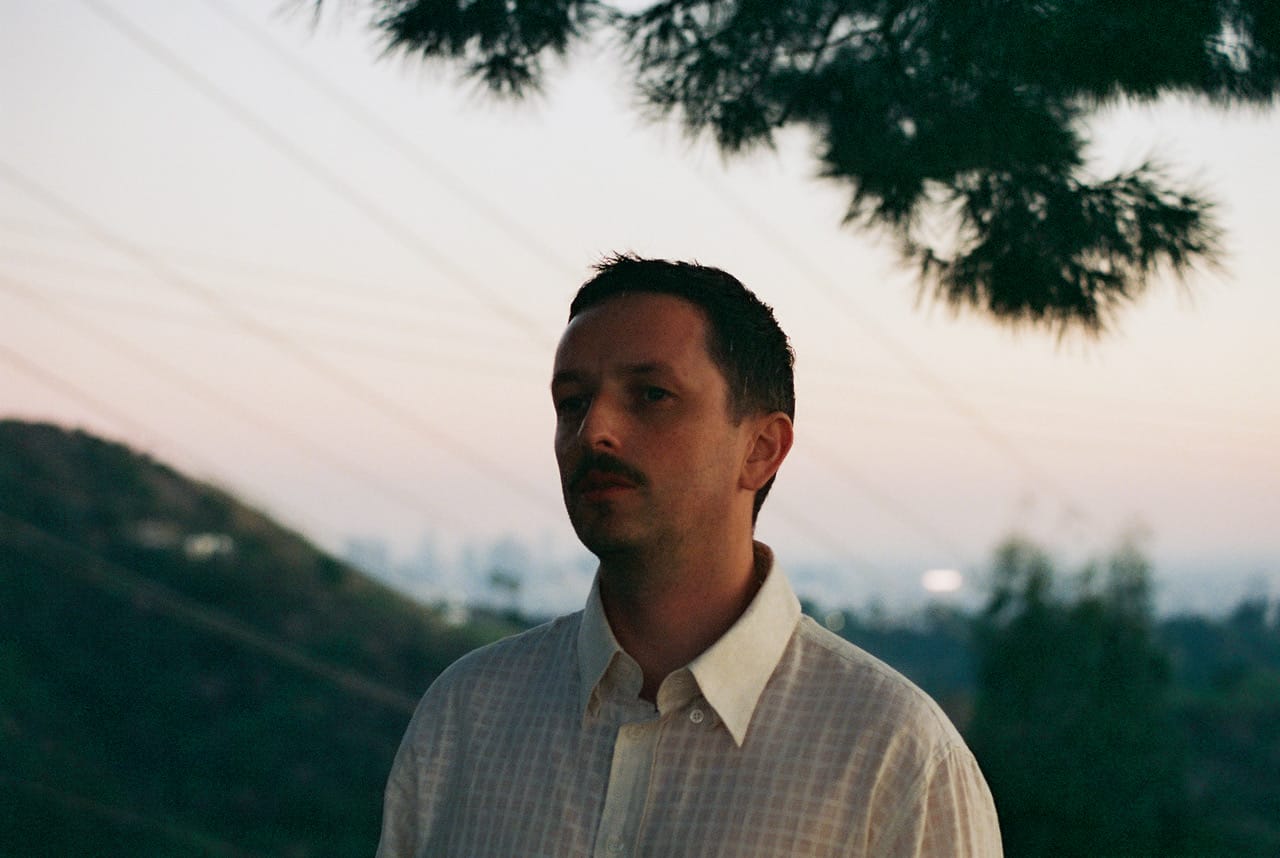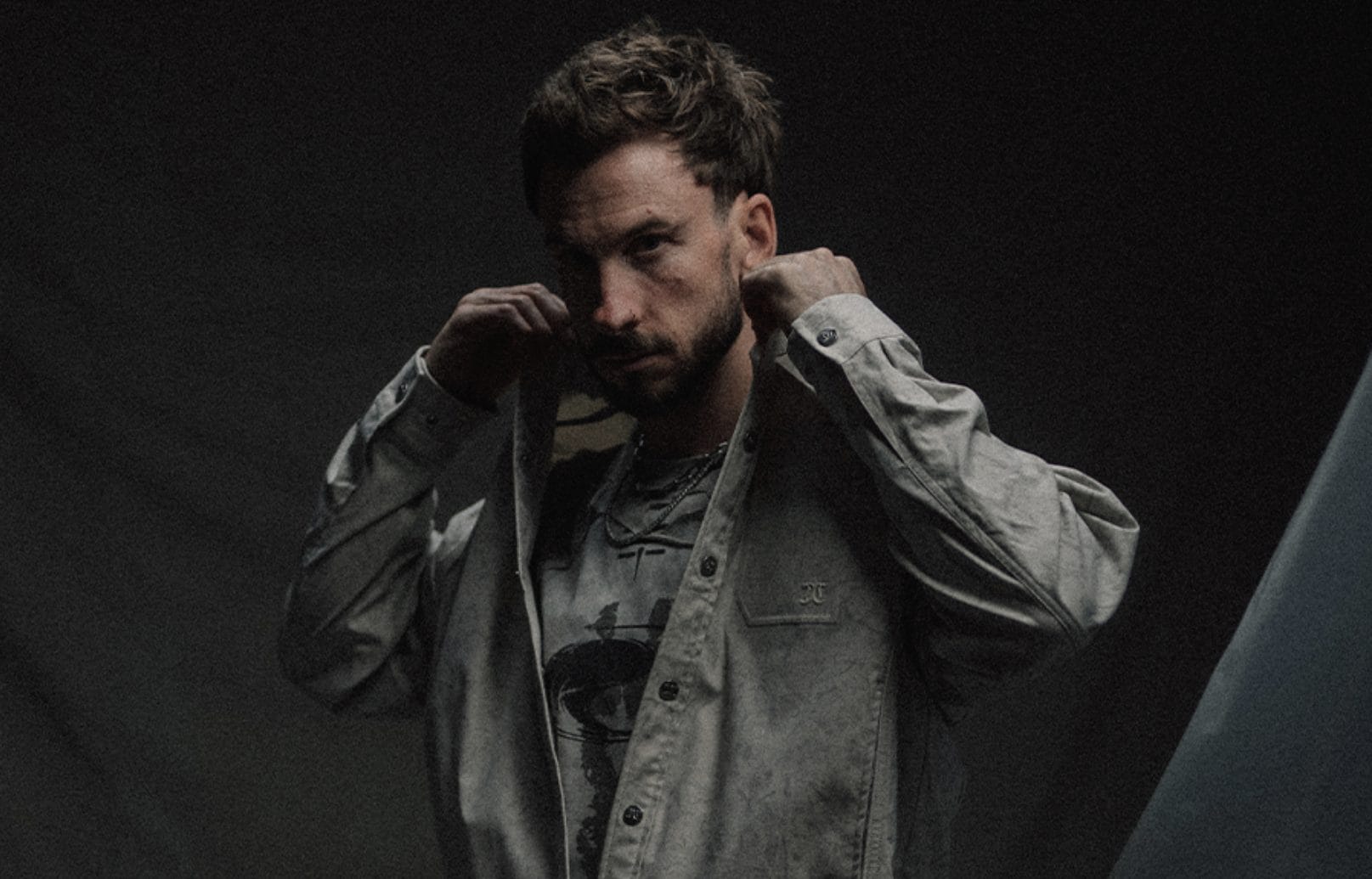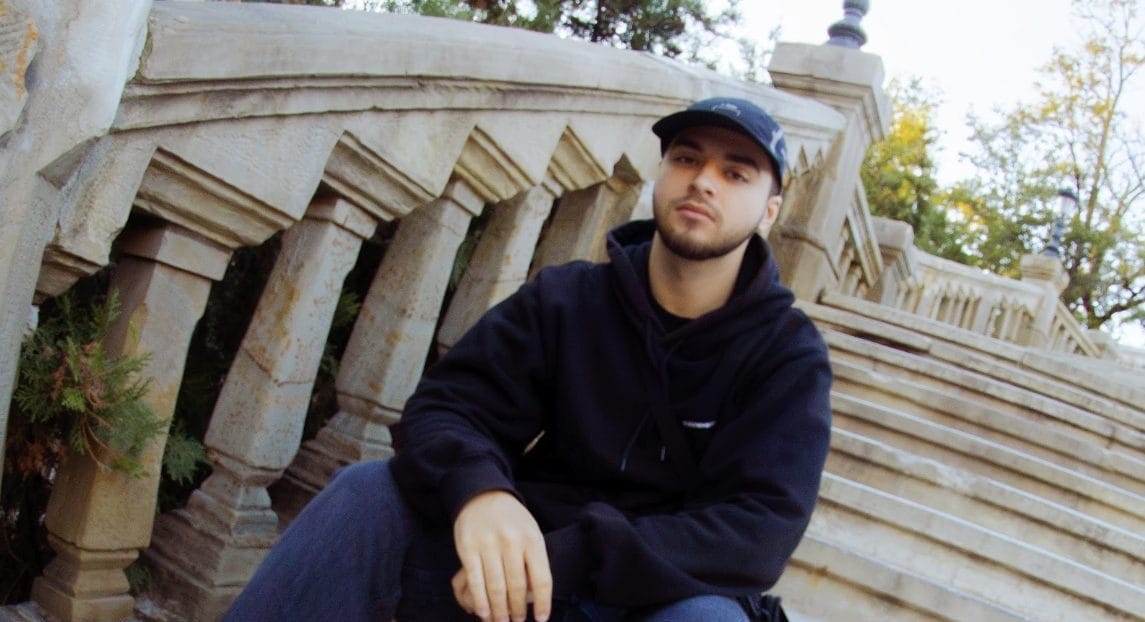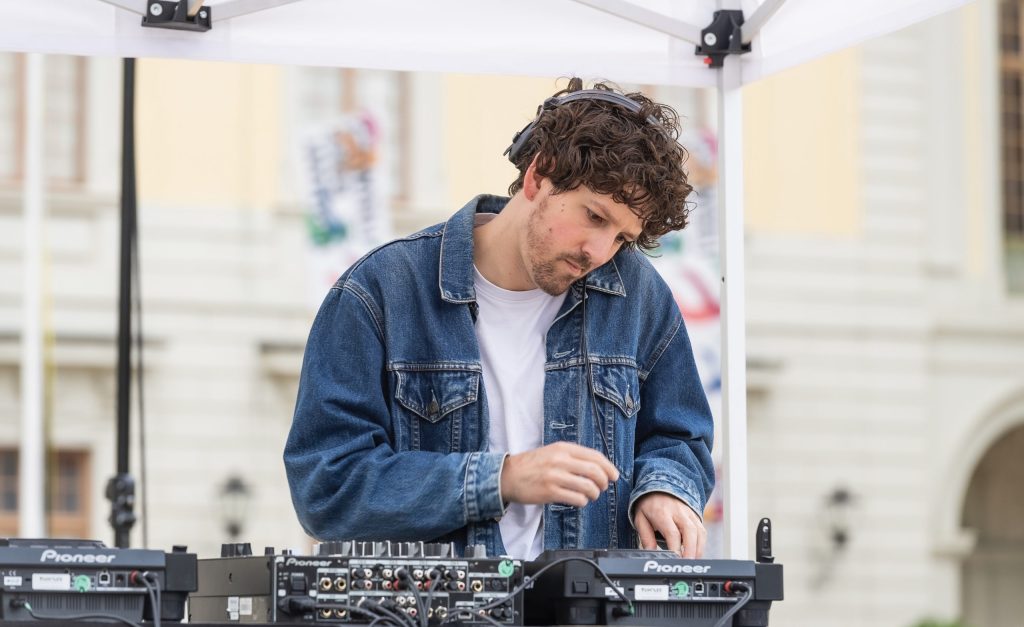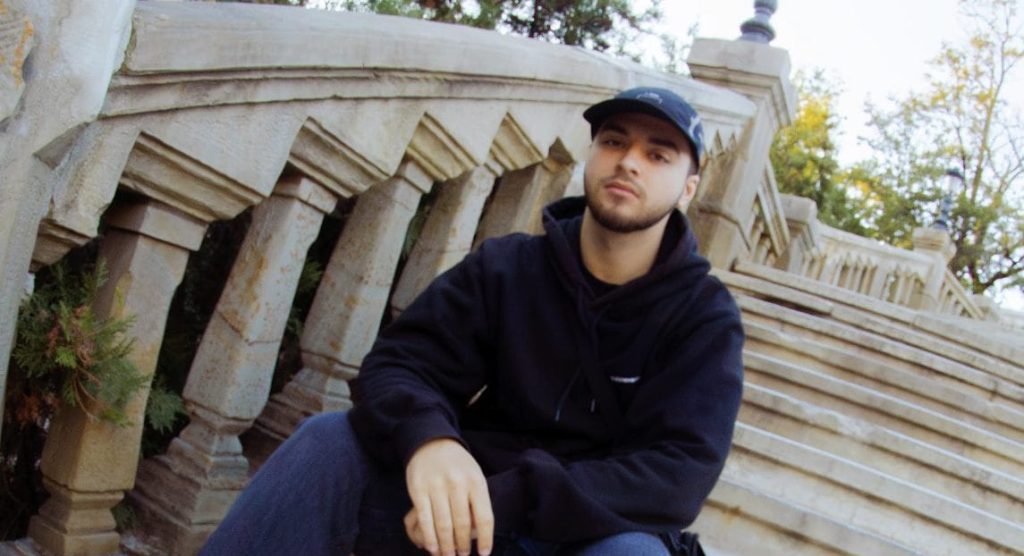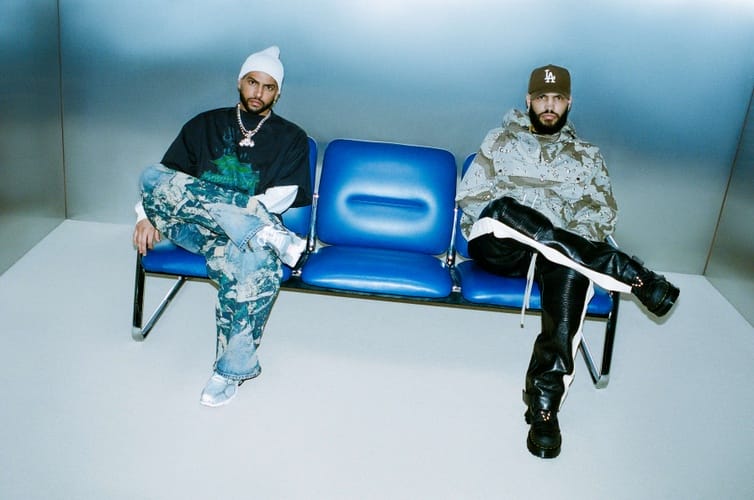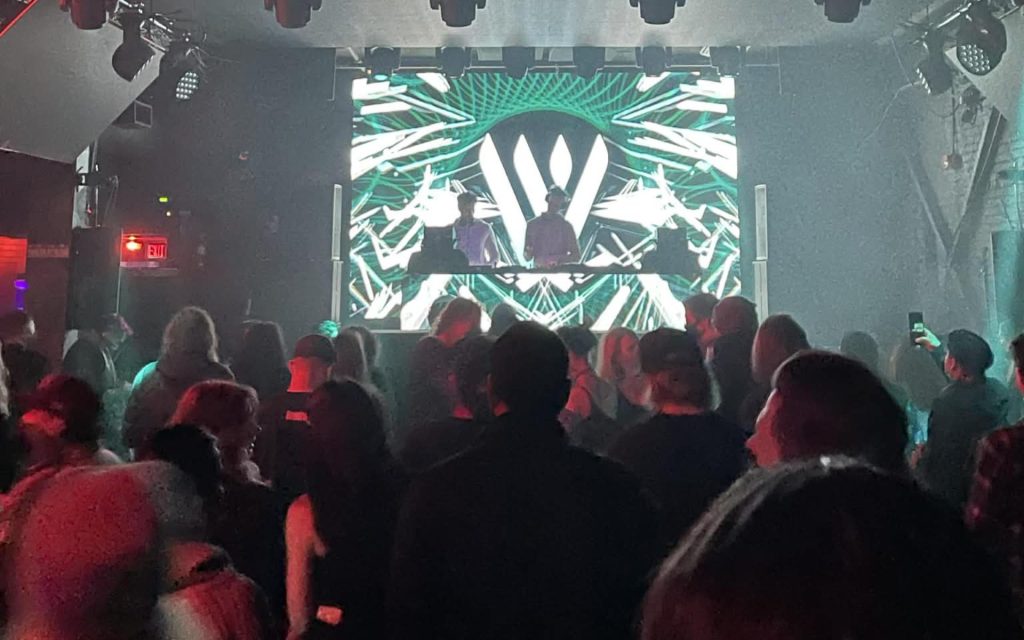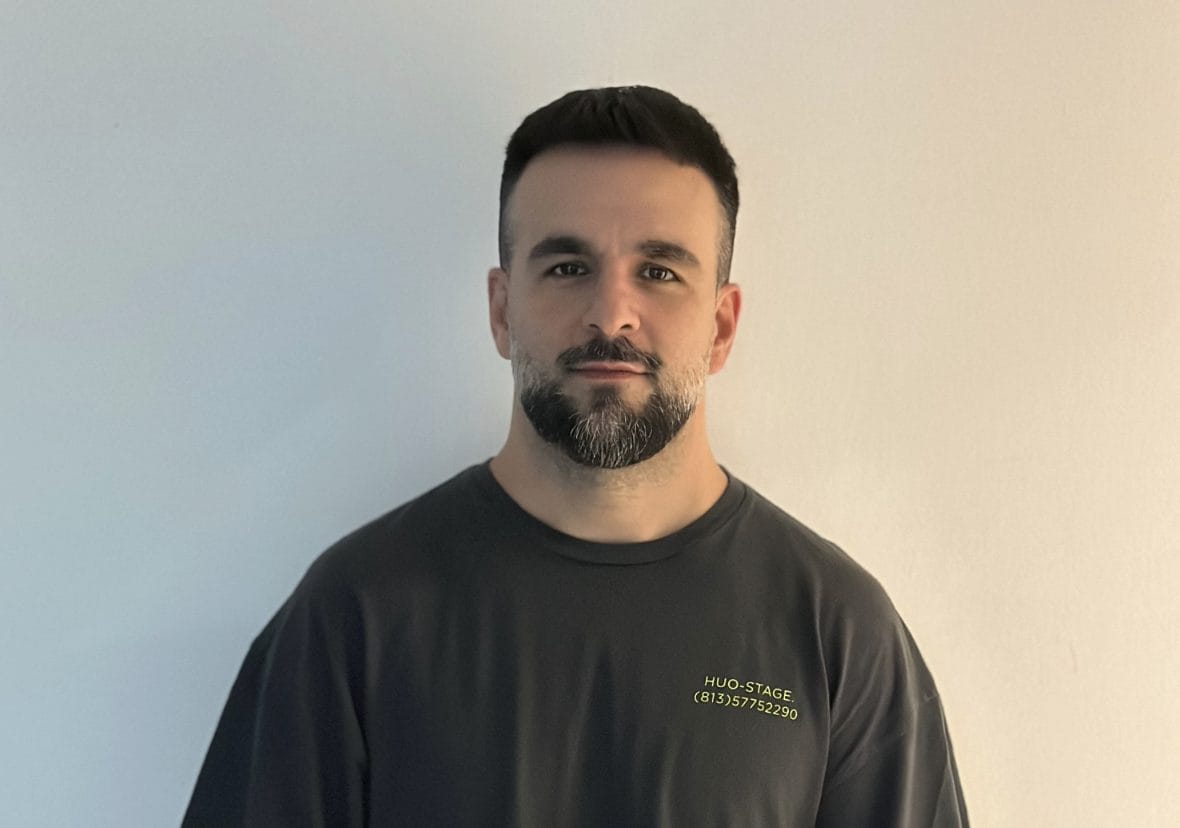
Larrosa, Nico Sparvieri, SACK, and Flor Pavone return with a new two-track release on Last Night On Earth, and it arrives during a moment when Argentina’s progressive community continues to move with confidence and clarity. Euphoria and Interstellar both sit in that space where detail, patience, and tone feel intentional, and they land as a sharp follow-up to the group’s run of collaborations across Selador and Nightcolours.
To go deeper into the project, we spoke with Nico Sparvieri about how club culture has shifted in the last decade. His answers explore presence, recording culture, and the tension between real-time connection and a dance floor shaped by cameras and content. He explains how these shifts influence the way he prepares, plays, and protects the emotional core of each set.
Nico’s perspective grounds the release in something broader than two tracks. It highlights how DJs navigate attention, how technology changes the room, and why the unrecorded moments still matter. The result adds context to Euphoria at a time when emotional depth inside club culture continues to evolve.
Interview With Nico Sparvieri
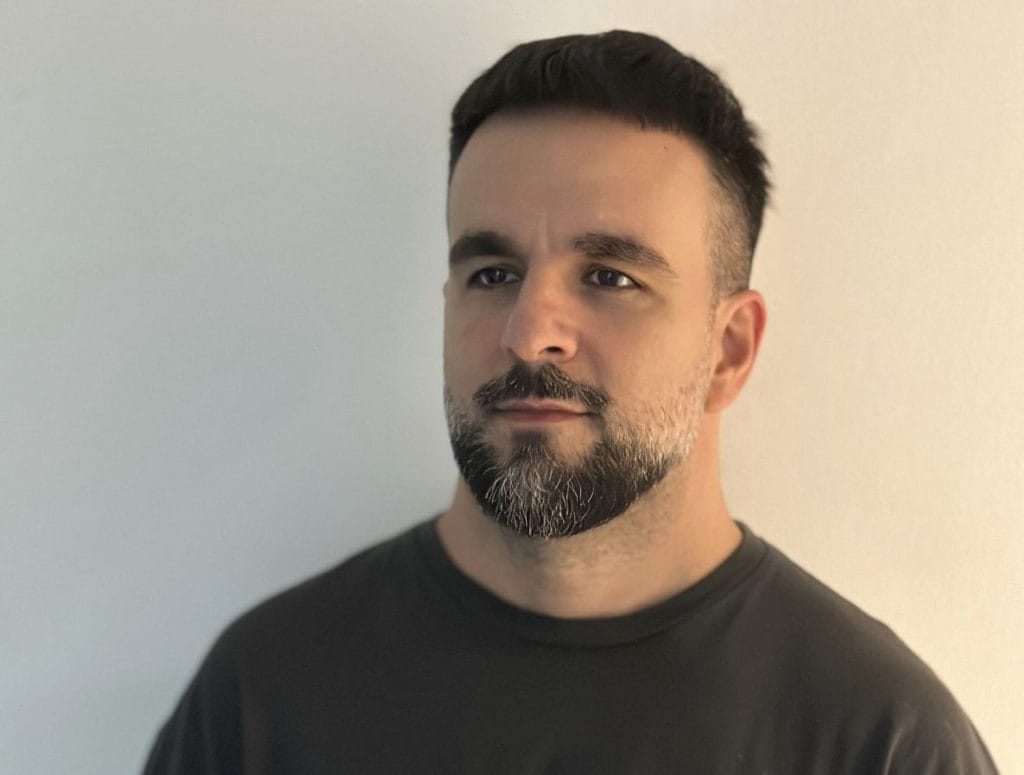
Have you ever felt that nowadays sets are recorded more than they are experienced?
Today it’s natural to see people recording moments—it’s part of how we live and share music in the digital era. Sometimes this makes the experience happen more through a screen, but I still find many people who choose to live the set with full presence, feeling every shift in energy.
As a DJ, you perceive that mix on the dance floor, and when the audience truly surrenders to the moment, the connection is very special. I think technology adds value, as long as it doesn’t make us lose sight of what’s essential: experiencing the music as it happens. In the end, the deepest memories are always the ones you live, not the ones you film.
How do you find the balance between creating a memorable moment and creating a viral clip?
I don’t focus on trying to make any moment go viral—that’s never the goal. My priority is always to create something meaningful for the people who are actually there, enjoying the show. If a clip ends up going viral, great—but it’s not a measure of success for me. What matters most is the energy, the connection, and the shared experience in that room. DJs must remember that the audience is there for the music, not for a social media highlight.
A viral moment can be a nice bonus, but it shouldn’t define the set. By staying focused on what I deliver live, each performance remains authentic. In the end, people remember how they felt, not what they filmed.
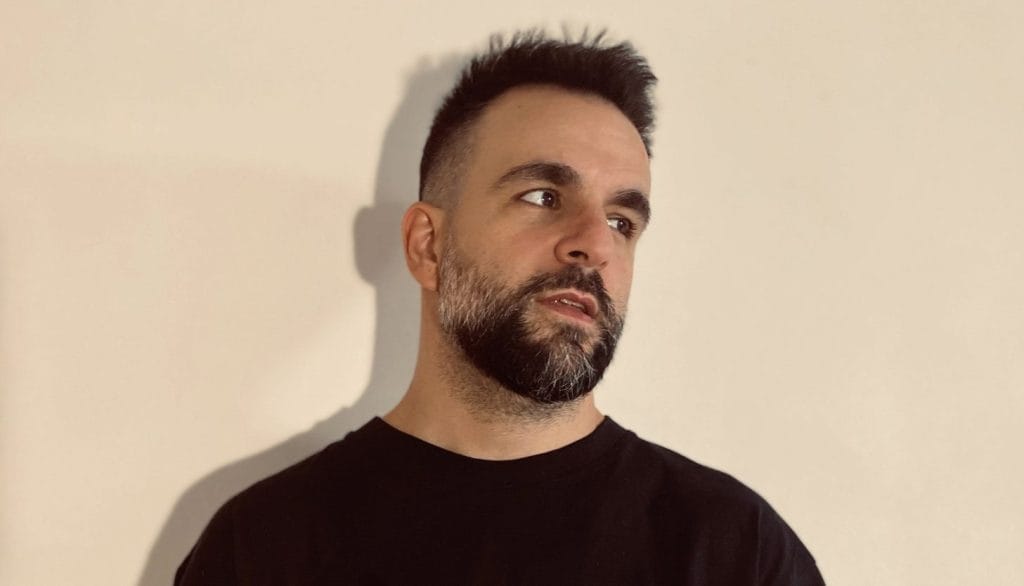
Have you changed the way you prepare or play knowing people may be recording?
I don’t prepare my sets thinking about people filming.
My focus is always on creating an emotional journey and generating moments that resonate in the present. Yes, people record—but that doesn’t guide my decisions or limit my creativity. Music is meant to be experienced, not posed for a camera. I want people to feel something, whether they film it or not. Staying faithful to the energy of the room allows me to preserve authenticity and spontaneity. Preparing music with that intention puts the human connection above the image. The audience always comes first; the fact that they’re recording is secondary.
What is something that used to matter more in club culture before everything became a photo opportunity?
Fifteen or twenty years ago, the atmosphere in clubs was more purely festive and immersive than it is today. People celebrated with overwhelming and genuine enthusiasm—raising their hands, clapping, reacting deeply to the music. The focus was on being in the moment, responding to the sound, and sharing that energy with everyone in the room.
There were fewer distractions, without the pressure to capture the experience for social media, and the connection felt more organic. DJs and the crowd fed off each other in real time, and the vibe was built entirely around the music. The night wasn’t about documenting—it was about truly living it. Those shared, unrecorded moments were often the most memorable. That authenticity is something I still try to preserve in my sets.
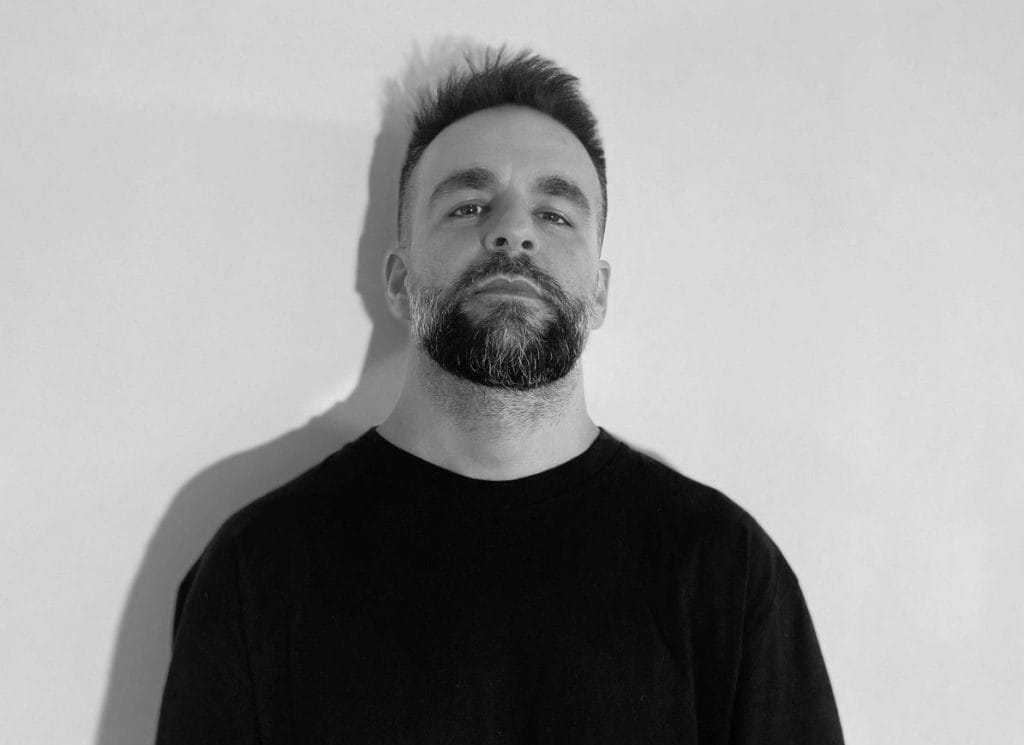
Do you think the pressure to look good behind the decks has affected the way DJs perform?
I don’t think the pressure to look good behind the decks has changed the way DJs perform.
Music is still the most important part of any set, and it always takes priority over appearance. Yes, presentation can enhance the experience, but it shouldn’t dictate artistic decisions. A DJ’s true skill lies in reading the crowd, building a journey, and creating emotion—not in looking a certain way while doing it. If someone focuses too much on the visual, they risk disconnecting from the audience. For me, performance comes from the music and the energy, not the aesthetics.
In the end, a DJ’s credibility is measured by taste and timing—not style or posture.
What happens to artistic risk in a culture that values content over presence?
Artistic risk in DJing is always tied to musical decisions and how they generate emotion and connection. Every time you pick one track instead of another, you’re taking a risk—it might not land the way you expect with the crowd. In a culture that focuses more on content than presence, these risks may feel less valued, or even ignored online. Still, the real reward is in the live moment: the energy, the reactions, and the atmosphere you create in the room.
Choosing tracks that challenge the crowd, exploring unexpected transitions, and building a journey are all forms of artistic risk. The focus should stay on presence and authenticity, not on generating content. That’s where the most natural and meaningful risks happen, and where the art of DJing truly flourishes.
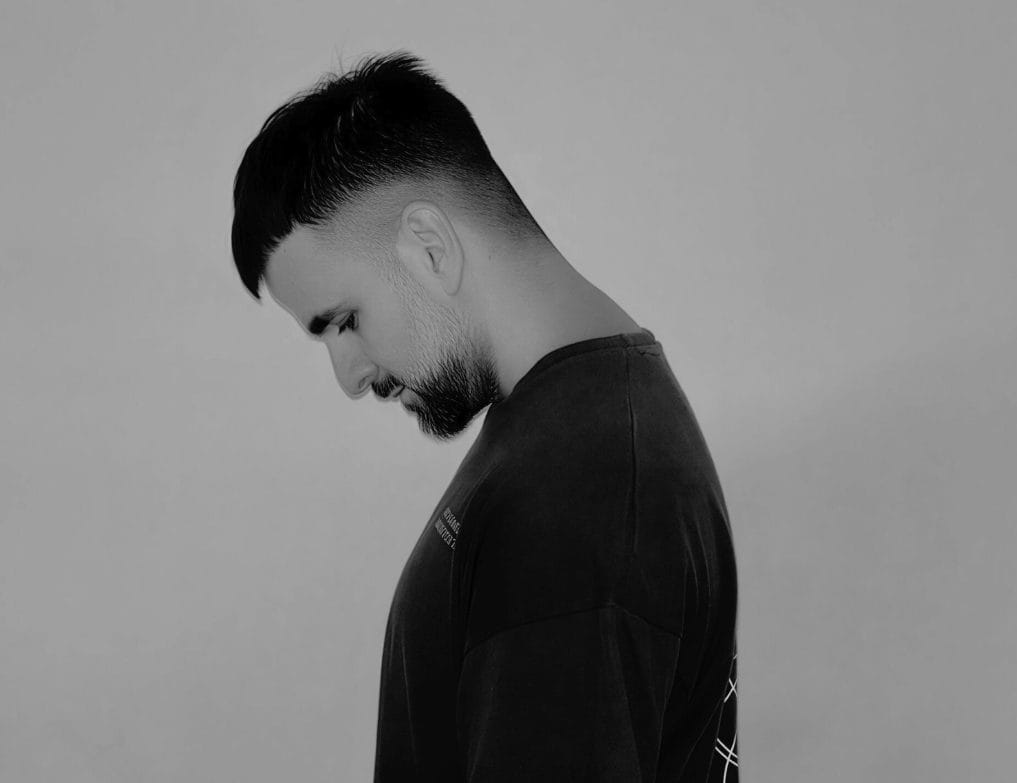
Have you ever had a night where nothing went viral, but the vibe was unforgettable—and that was enough?
Absolutely—those are always the most beautiful nights. At the end of the day, what matters most is the music and the emotions you share in the moment. A night doesn’t need a viral clip to be successful; it’s defined by how the crowd connects with the sound and with each other.
The atmosphere, the energy, and the spontaneous moments are far more important than what gets recorded. Some of my most memorable experiences happened without anyone filming a single second. The feeling in the room, the smiles, the dancing, the collective presence—that’s what creates lasting memories. That genuine connection is what keeps me returning to the decks. Viral clips are nice, but they can never replace the magic of being truly present.

Will Vance is a professional music producer who has been involved in the industry for the better part of a decade and has been the managing editor at Magnetic Magazine since mid-2022. In that time period, he has published thousands of articles on music production, industry think pieces and educational articles about the music industry. Over the last decade as a professional music producer, Will Vance has also ran multiple successful and highly respected record labels in the industry, including Where The Heart Is Records as well as having launched a new label with a focus on community through Magnetic Magazine. When not running these labels or producing his own music, Vance is likely writing for other top industry sites like Waves or the Hyperbits Masterclass or working on his upcoming book on mindfulness in music production. On the rare chance he's not thinking about music production, he's probably running a game of Dungeons and Dragons with his friends which he has been the dungeon master for for many years.