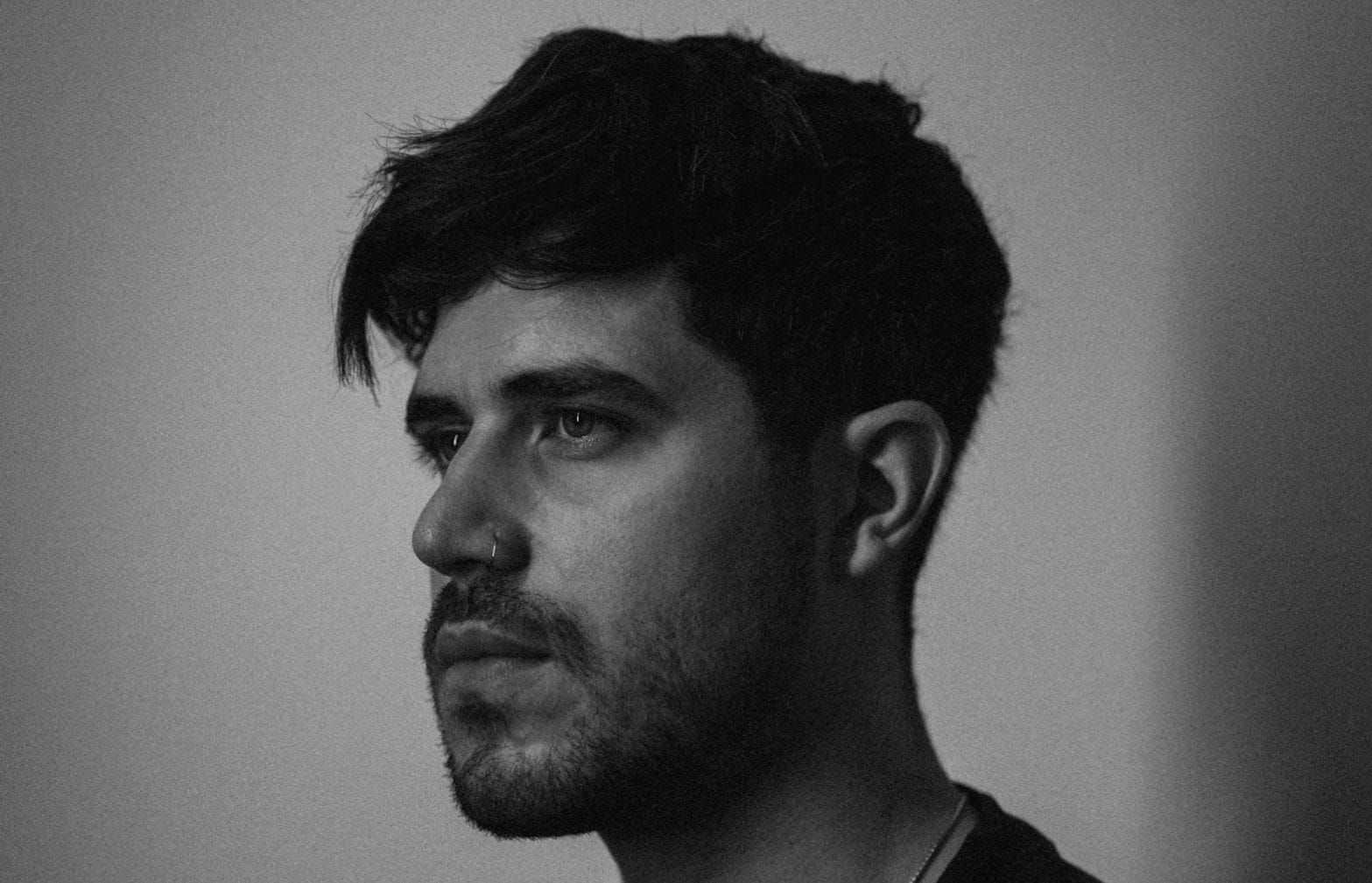
Timefive approached Find You from instinct rather than structure.
The track started with a simple piano idea that arrived during an unfocused moment of playing, and that spontaneous beginning shaped the entire direction. Instead of forcing an arrangement or chasing a formula, he followed the feeling and let the idea move at its own pace.
That approach stayed consistent throughout the two years he spent building the track.
It became a process of removing pressure and stepping away from perfectionism, which helped him reconnect with why he creates music in the first place. That shift opened the door for a more honest production style and set the tone for the collaboration with Quincy Telus, whose vocal brought the emotional center the instrumental needed.
Find You also marked a turning point for Timefive as an artist. Releasing it as a debut single required stepping out of a private creative space and letting the music reach people on its own terms. It represents a move toward visibility, confidence, and a clearer sense of purpose, which carries through every decision in the production process. In this edition of how it was made, Timefive walks us through every step of the creative process and shares some high level production tips to help you level up your sound too! So let’s dig into it; the rest of the words are entirely his!
Emotion first
Find You started almost by accident. All I did was, let my fingers fall without thinking on the keys of the piano. What emerged was a spontaneous riff that sparked something deeper in me. I wanted the track to open in an intimate, nostalgic space before gradually rising into something bigger, cinematic, and uplifting. The chords and atmospheres followed. The vocal wasn’t even part of the picture yet.
Once the instrumental foundation was strong, I connected with Quincy Telus through a mutual A&R. We wrote together over Zoom (he’s based in Canada, I’m in the UK), and the vocal came together naturally in that session. Quincy’s tone and energy brought exactly the emotion the track was missing.
Piano & Atmosphere
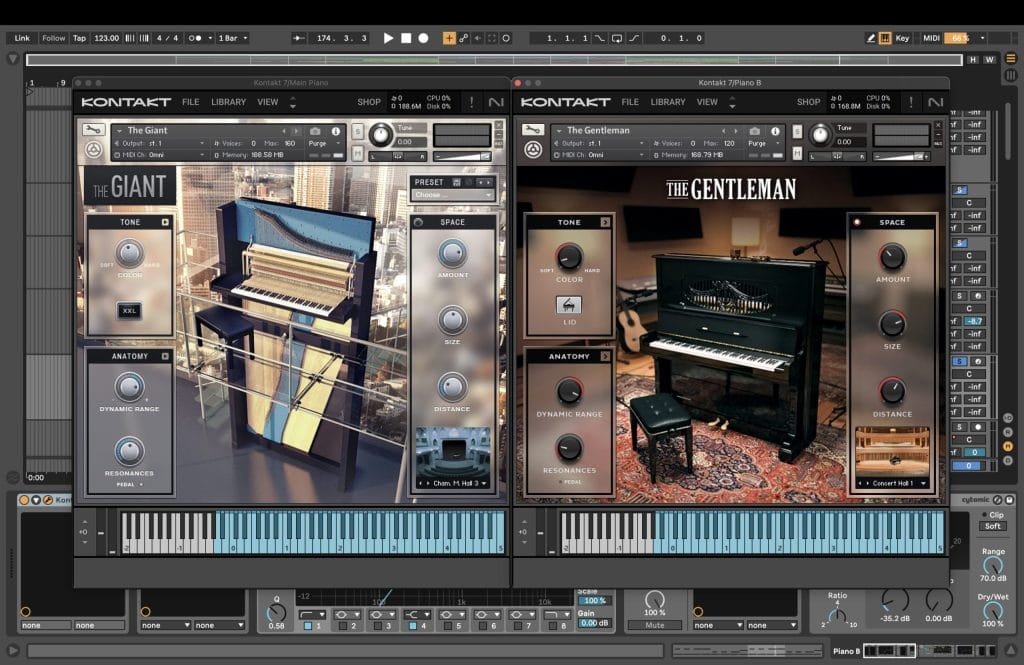
The piano is the core of the track. I actually split the performance into two layers:
- A bright, expressive top layer (The Giant – Kontakt)
- A soft, filtered emotional layer underneath (The Gentlemen – Kontakt)
Each layer was treated differently to create width and movement without crowding the mix.
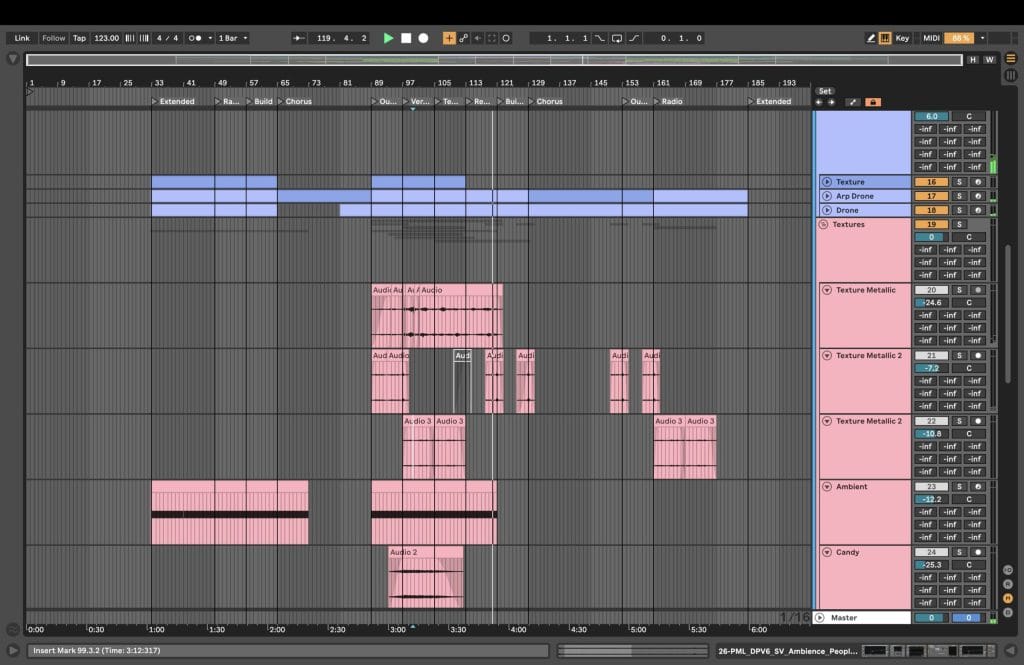
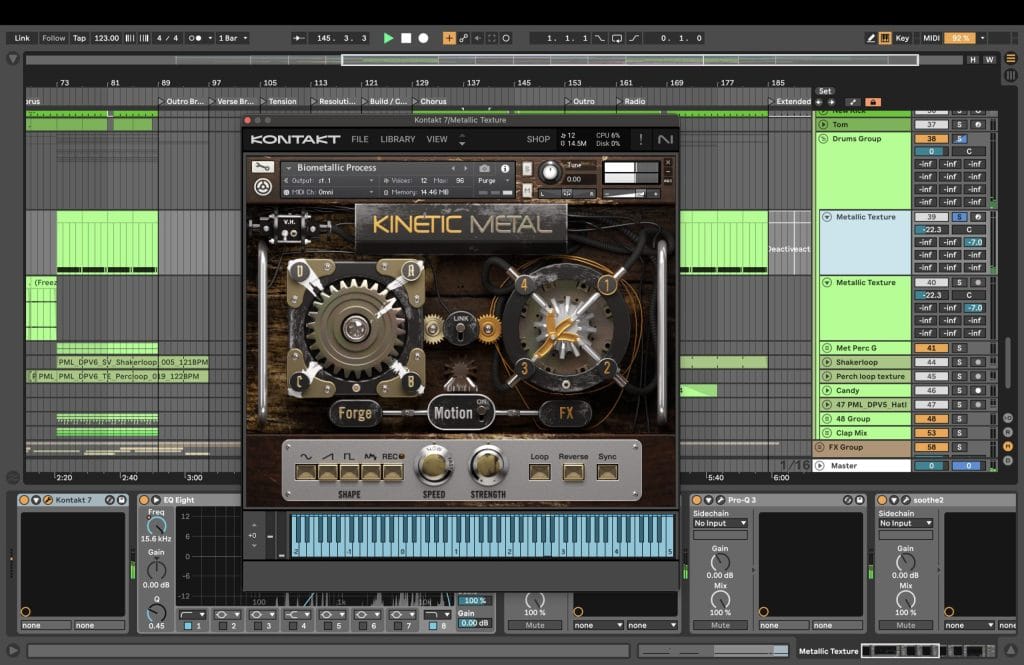
To build the cinematic feel, I created a bed of Kontakt-based drones and textures. I stretched, reversed, and resampled sounds, then re-amped some of them through speakers and recorded them back in to add depth and organic character. These subtle layers make the track feel alive.
I started this track over two years ago, around the time I was diving deep into Kontakt libraries (Black Friday deals that turned into long-term inspiration)
Synths – evolving, never static

Most of the synth work comes from:
- u-he Diva: my go-to for rich basses, lush pads, and analog weight
- Arturia Mini V4: used heavily for chords and basslines
- Kontakt: used for pianos and organic tonal layers
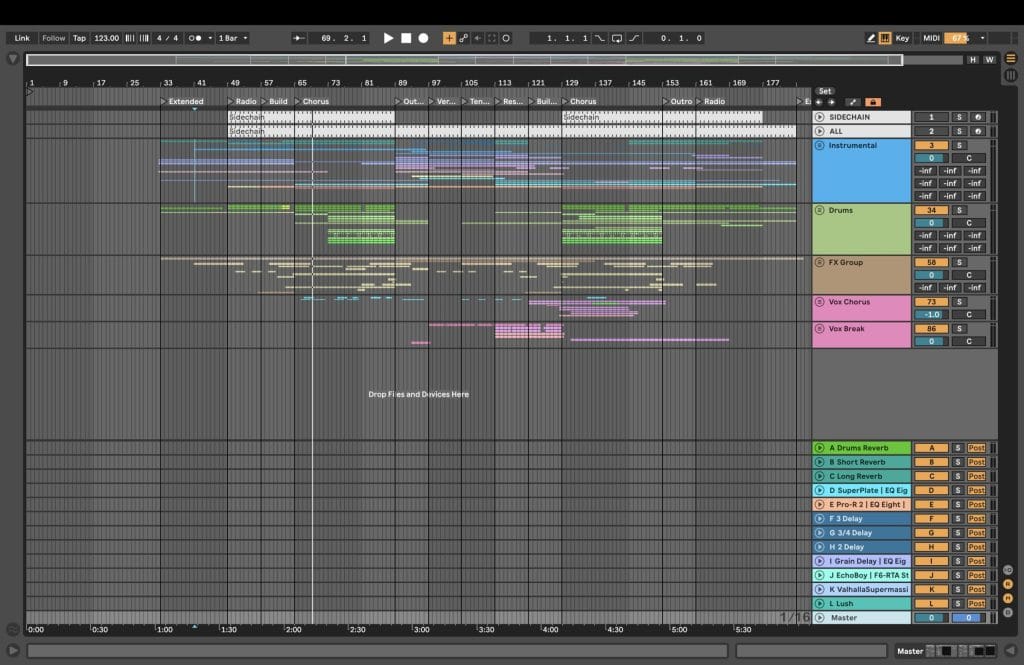
The priority throughout was evolution. The track constantly shifts: instrumental passages, hints of vocal, drum-led sections, spacious breaks, and a final lift where everything merges. If a sound didn’t evolve, it didn’t stay.
Vocals – Space & Shimmer
Quincy absolutely delivered. His voice brings the emotional anchor, so I wanted the processing to feel spacious but delicate:
- Warm saturation and light compression to keep Quincy’s tone intimate
- A dual-reverb setup (short plate reflection + long shimmer) to build that spacious, emotional halo
- A tucked stereo delay to push moments forward without distracting
- Dynamic EQ to keep his naturally bright voice sitting perfectly over the piano and pads
I wanted it to feel like his voice was wrapping around the track, airy in the high moments, grounded in the low ones, and always emotionally present.
Drums & Bass
The drums came after the musical idea.
I wanted them clean, textured, and supportive, groove without aggression. Organic percussion, evolving layers, and a bass that lifts without distracting.
This wasn’t meant to be a club-driven mix, it’s emotion-driven movement.
Workflow & Creative Approach
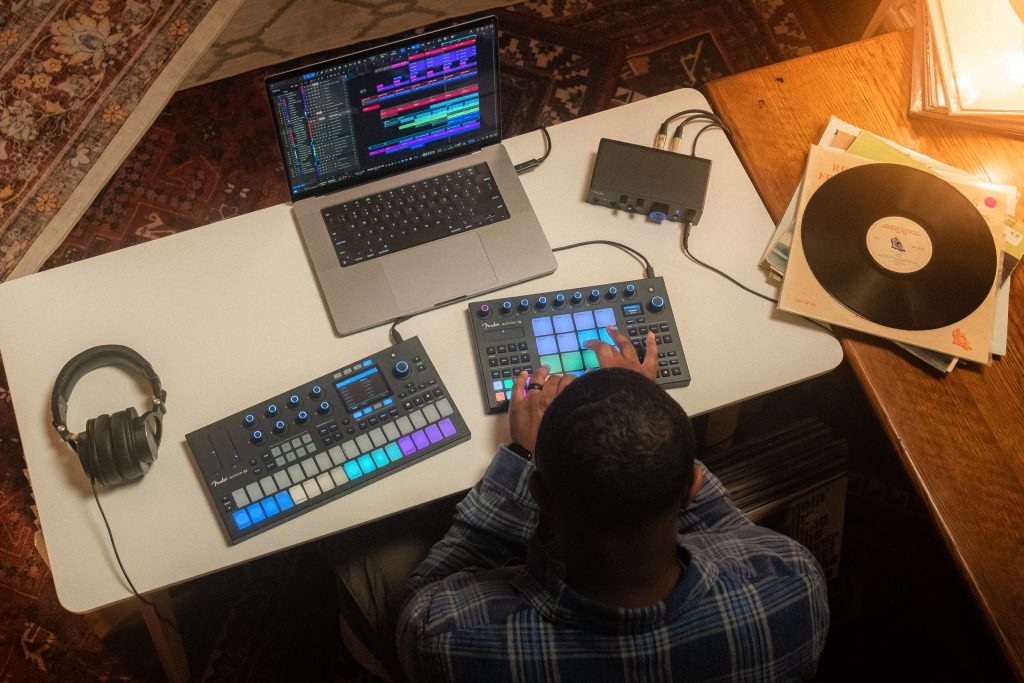
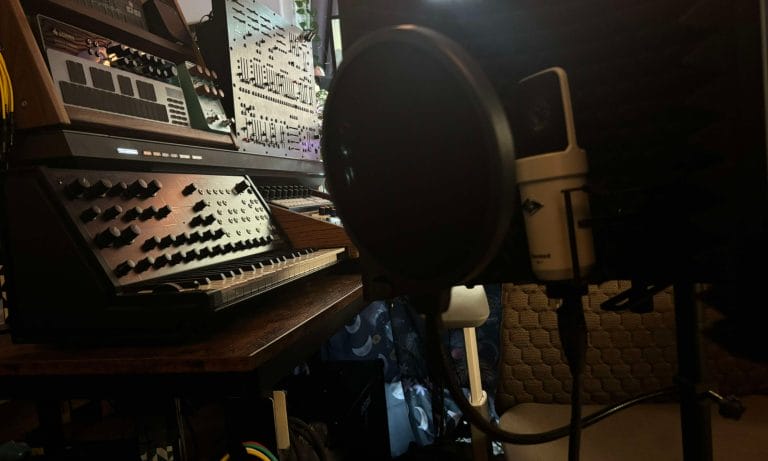
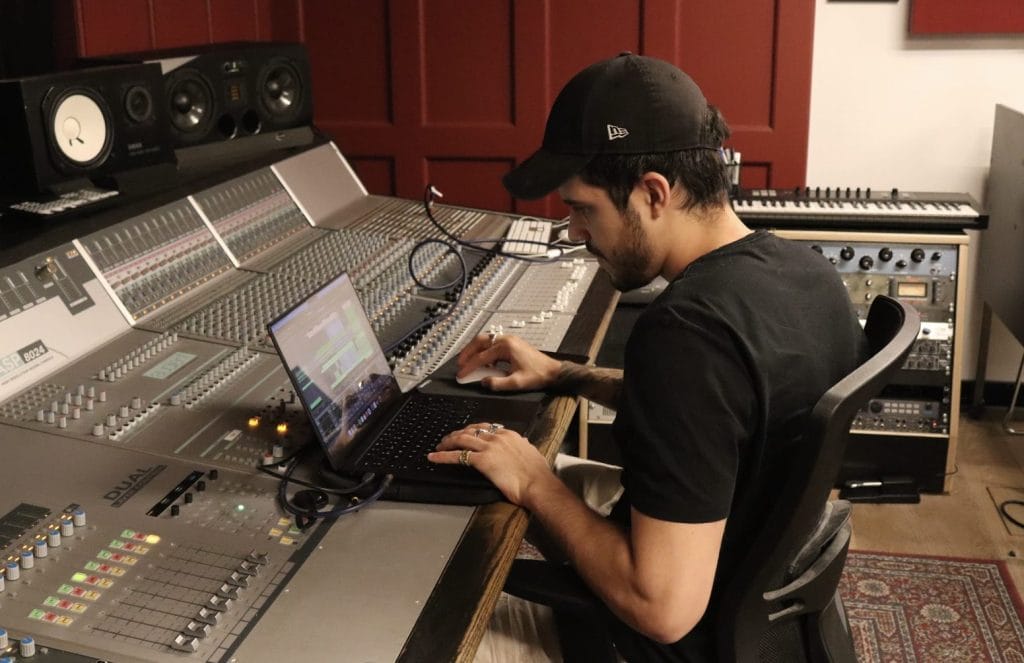
I experiment a lot – sampling sounds, mangling textures, flipping recordings, and breaking my own patterns. I move around London quite a lot, so I work mostly in-the-box; it keeps me agile and focused on ideas, not hardware, even though I love them and I book in-studio sessions to sample these..
This track is a reminder that collaboration and curiosity matter as much as gear.
Tools & Setup
- DAW: Ableton Live
- Main Synths: Diva, Mini V4, Kontakt
- FX: Valhalla Supermassive, Pro R2, Soundtoys bundle, Ableton stock plugins, resampling + re-amping
You don’t need a room full of gear to make something meaningful.. just vision and execution.
Tips for Producers
1) Finish music – even the rough ones
This is easier said than done, but it’s the real one.
Finishing builds skill. One day something clicks, and suddenly you have a release you’re proud of.
2) Network intentionally
It took me almost 10 years to realise how powerful genuine connection is. Reach out, share ideas, collaborate, help others, simply go into events and network with likeminded people or audience you want to connect to. It all comes back.
3) Change your starting point
Some tracks start with drones, others with drums, a riff, or even an 8-bar loop. Rotate your creative entry point, it breaks patterns and opens inspiration. I often switch between creating in session view vs arrangement view (Ableton) and often start with recorded samples from past studio sessions, even a simple basic sample.
Closing Thought
Find You is built on emotion, movement, collaboration, and curiosity. Sometimes all you need is a piano, a voice that inspires you, and the willingness to follow where the idea leads.

Magnetic byline note: This byline is used for staff produced updates and short announcements, often based on press materials and official release information. Editorial responsibility: David Ireland (Editor in Chief) and Will Vance (Managing Editor). About: https://magneticmag.com/about/ Masthead: https://magneticmag.com/masthead/ Contact: https://magneticmag.com/contact/