These days, new labels are popping up everywhere, and while some quickly fade into obscurity, others innovate and drive their genres and the industry forward.
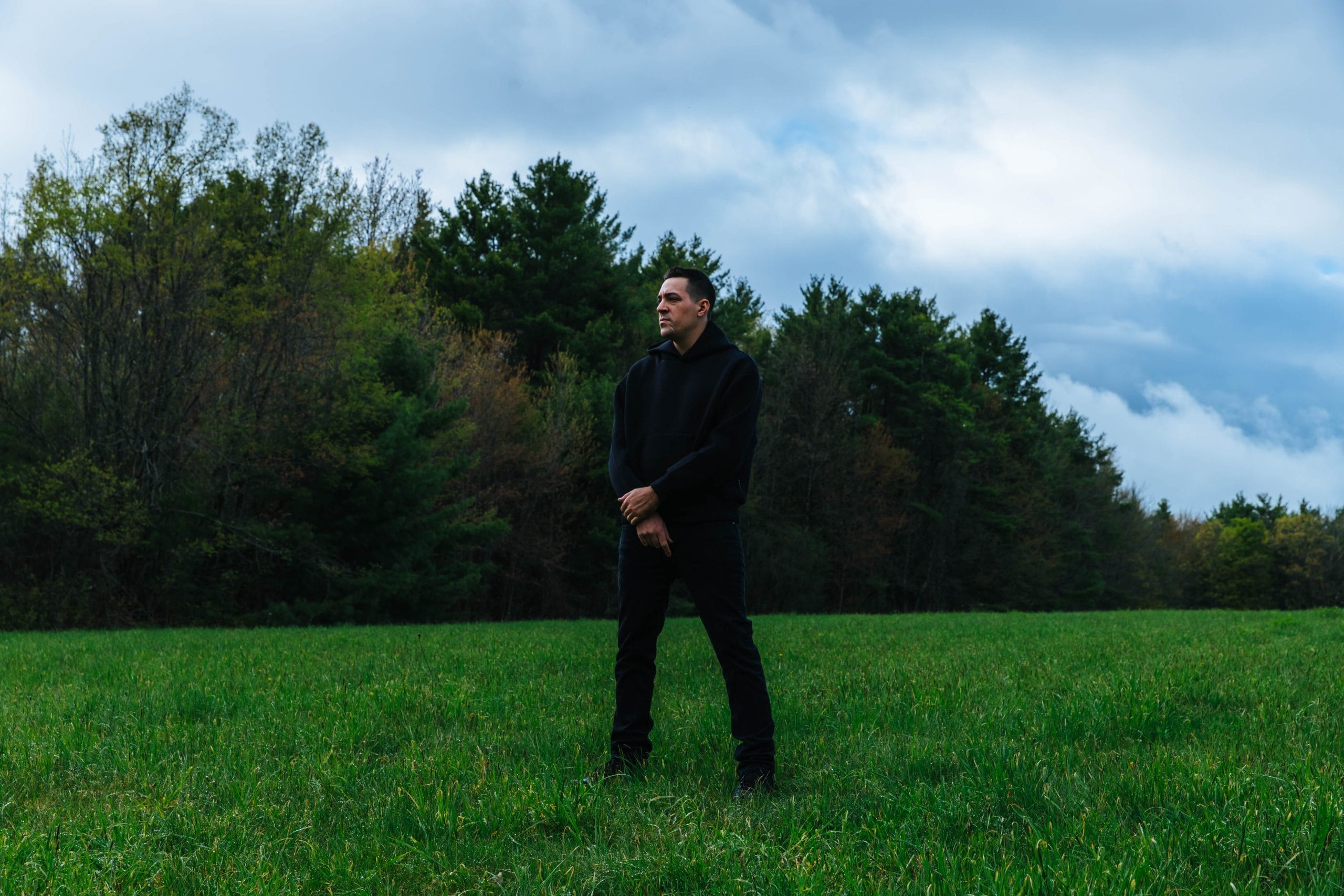
The launch of Interstellar by Insomniac Music Group represents a significant milestone, especially with its focus on melodic house, techno, and other sub-genres. This label aims to offer a platform for artists whose music embodies deep, progressive, and ethereal elements. The debut of Interstellar features the release of ‘Holmen,’ a single by the renowned Swedish DJ and producer Jeremy Olander.
A label’s role goes beyond music distribution in today’s music industry. Artists seek labels that distribute their music, support their creative vision, enhance their marketability, and expand their reach through strategic marketing and networking.
For a label like Interstellar, the challenge lies in releasing successful tracks and fostering enduring relationships with artists by nurturing their development and ensuring their music reaches the right audience. With Jeremy Olander’s ‘Holmen,’ Interstellar establishes a high standard for collaboration between artists and audiences, signaling a promising beginning for the label in the competitive landscape of electronic music.
Can you share what you think labels should offer electronic music producers? Is ‘just getting their music on DSPs’ enough these days?
Thank you for having me, and a good question!
I think we’ve seen the role of major labels change in the last 25 years, and the same applies to smaller indies, too. Anyone can put music out and get it on Spotify or Beatport with little effort, so labels have to work harder than before to add a different value to the artists than just making their music available to people.
In the dance music scene, I think it’s a lot about offering a particular association and helping a new artist position themselves and build their brand, so that’s one part. But equally important is, of course, providing know-how on how to market and promote a release. There’s so much great music released every day that goes completely unnoticed.
In your experience, how do successful electronic music producers evaluate potential label partnerships?

I think it goes back to what I said before.
My impression is that the biggest factor considered is the label’s positioning: who else is releasing on there, what artists support their music, does the label do events, and so on.
What role does a label play in developing and promoting an artist’s career in the electronic music scene?
I don’t know the ins and outs of the music business best (hence why having a team you can trust is key), but my perception is that major labels don’t really develop acts anymore. The art of A&R is not really there. Labels look at socials and streaming numbers and are interested in acts that already have momentum that they can help grow at a faster pace.
I think it’s a bit different in the dance scene, though, where labels are more inclined to build a label family of artists that don’t necessarily only consist of ones who are well on their way already. There’s a bigger culture of the mentality of paying it forward and not only focusing on the money.
Are there advantages to releasing music exclusively with one label? Conversely, are there advantages to releasing on various labels these days?
It depends on your relationship with the label and what you can offer them at the end of the day. It’s not a one-way street.
Loyalty is essential in all aspects of life, but it’s not always appreciated and rewarded, so knowing when to cut your losses and maybe go elsewhere is essential.
What considerations go through your mind when being the debut artist on a new label?

Regardless of what label I release on, it’s always been about not compromising on my style.
I’ve been producing for 20 years, and I think a big part of what’s made me want to continue and maintain my joy is that I’ve made music for me and not anyone else.
With certain trends in dance music being very strong these days, many new artists feel like they have to adapt and compromise to get a break. The problem is that when you follow trends, you’ll always be second, at best, on the ball.
Finally, can you share any success stories of electronic music producers who found their ideal label match and what made these partnerships successful?
I can only speak from experience, and that was linking with Eric and getting the opportunity to put stuff out on Pryda Friends.
For my sound, that was a great match and did a lot for my career early on. Good times!

Will Vance is a professional music producer who has been involved in the industry for the better part of a decade and has been the managing editor at Magnetic Magazine since mid-2022. In that time period, he has published thousands of articles on music production, industry think pieces and educational articles about the music industry. Over the last decade as a professional music producer, Will Vance has also ran multiple successful and highly respected record labels in the industry, including Where The Heart Is Records as well as having launched a new label with a focus on community through Magnetic Magazine. When not running these labels or producing his own music, Vance is likely writing for other top industry sites like Waves or the Hyperbits Masterclass or working on his upcoming book on mindfulness in music production. On the rare chance he's not thinking about music production, he's probably running a game of Dungeons and Dragons with his friends which he has been the dungeon master for for many years.