So before you start trolling hard on this post, just read it… then after you read it you can troll all you want. Fair?
Yes, DJing on vinyl these days might seem like a bit of a step backward for most of the aspiring jocks out there, and for some even at bit antiquated. Vinyl still has a place in modern DJing, although it maybe more of an enthusiast’s thing — kind of like film is to the photography world.
Aside from just the cool factor, one learns some hardcore fundamentals when learning to use vinyl that will truly make you a better DJ.
And if you’re looking to get into the complicated art of DJing, whether ts vinyl or digital, Point Blank Online just launched an all-encompassing DJ course that teaches you the ins and outs of pretty much everything discussed on this list (and more of course!). Check it out and enroll here
1. Understanding of Touch, Back Cueing, Scratching
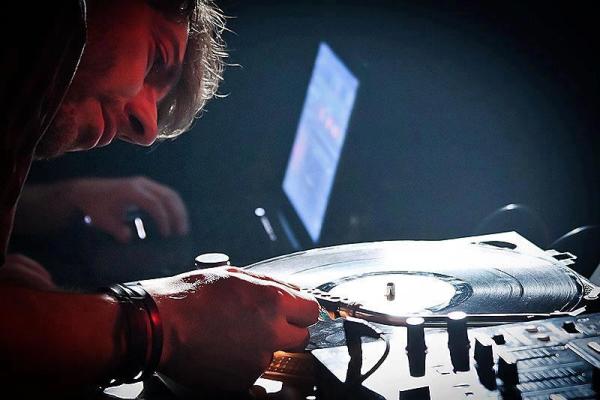
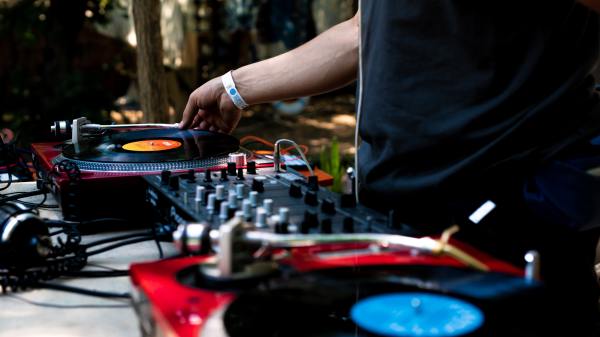
When I first learned to DJ, I had one breakthrough moment that made everything clear – learning how to back cue. When I rotated the record backward, I truly understood where the bass, hi-hat, snare, kick drum, and other percussion were in the track.
Next was learning to scratch, learning how to manipulate those sounds into a scratch and physically doing it with a record was substantial in understanding mixing and transitions. Touching vinyl and the platter of a CDJ is an entirely different experience. You might compare it to wearing or not wearing a condom during sex…
When you touch and see the grooves of a record it somehow brings you closer to the song, and let’s you get more intimate with it. I never learned how to scratch that well, but through it I learned the art of touch.
2. Hearing The Mix
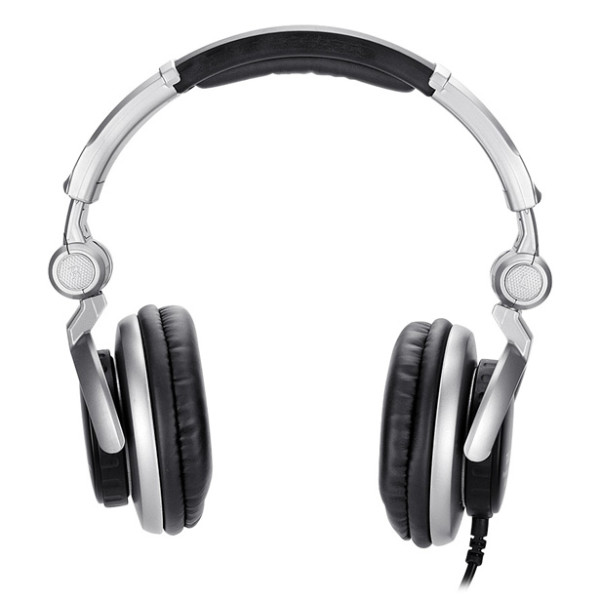
Vinyl is unforgiving, or I should say the turntables are unforgiving. Back in the day, DJing at a club was much like the Forrest Gump quote, “You never know what you’re gonna get…”
You might show up to perfectly tuned 1200 MK5s or some busted-up pair of Geminis with a broken tone arm. You had to make it work through MacGyver tactics (like the penny on the needle trick) or constantly monitoring the records through your entire mix.
This is where your ears were (and still are) essential. You had to ensure the mix was tight through listening, not waveforms or sync buttons. Why is this essential? Because your ears are always right — if it sounds like shit, it is shit, and you should always trust that instinct. Sync buttons can easily fail you; just because your bpm’s are matched doesn’t mean your mix will sound good.
Vinyl is like Mr. Miyagi’s “Wax On, Wax Off” training for your ears.
3. Being Selective
Nowadays it’s easy to go on Beatport or SoundCloud and download a shit ton of music, throw it into rekordbox or Mixed In Key and have it all sorted out by BPM, key and even energy level. While this is great on many levels, it also kills the craft of really carefully selecting your records.
With vinyl you are limited by both the cost of the music (unless you are loaded) and the space in your record box. So for the most part you can only take 50-100 records with you to a gig and when you are playing wax you are a hell of a lot more selective about what’s in there. When you are more critical of your music choices, you are playing the best of what you got. All killer no filler.
You also have a much better understanding on how to put all of your records together because you have spent so much time with them.
4. Sound Quality
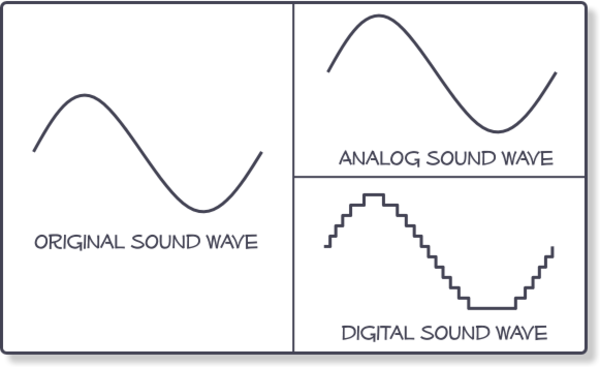
No, I’m not going to go on a rant about analog vs. digital here, that’s not the point. I’m not an audiophile, but I know when something sounds warm and strong and when something sounds crispy and shitty. When you play vinyl, you are hearing analog waveforms and those have a very distinctive sound to them that let you hear the details of your music.
Records can sound crappy too.
If you have a record that was not pressed or mastered healthy chances are it will sound light and thin compared to one that is done well. This is the same for compressed digital music vs. uncompressed digital music; CDs/WAV files just sound better and more robust than a MP3, so many DJs still opt to play WAVs. Analog sound let’s you truly understand the foundation of what music should sound like at it’s best and you can work backward from there.
5. Commitment
Yeah, I’m going there. Vinyl weeds out people that don’t really want it. It takes hours of practice to learn how to get perfect, it’s expensive and not to mention really really fucking heavy.
It’s just like when Chandler put Rick Cain on the really old Hawaiian surfboard and made him graduate to the foam/resin boards only when he had reached a certain skill level in North Shore. North Shore rules.

David Ireland is a professional strategist, creative, and marketer. He began his career in 1995 as creator and publisher of BPM Magazine. In August 2000, BPM Magazine merged with djmixed.com LLC, an online media company based in Los Angeles, which later evolved into the Overamerica Media Group [OMG] in 2003. In 2009, Ireland left Overamerica Media Group to serve as the VP of Marketing at Diesel. In 2011, he returned to his roots in media and cofounded the online electronic music publication Magnetic Magazine and created The Magnetic Agency Group. In June 2018, Ireland joined Winter Music Conference (now owned by Ultra Music Festival) as the Director to lead the reboot for 2019 and usher in a new era for the iconic brand. He served as Chief Marketing Officer at Victrola for three years, guiding product innovation and brand growth. He currently serves on the advisory board of Audiopool, a new music tech startup focused on AI-generated music licensing and artist revenue models.




![How It Was Made: JOKESONYOU & DJ IP – OTTF [Teletech]](https://magneticmag.com/wp-content/uploads/2026/08/artwork-ottf.jpeg)


![How It Was Made: JOKESONYOU & DJ IP – OTTF [Teletech]](https://magneticmag.com/wp-content/uploads/2026/08/artwork-ottf-1024x1024.jpeg)