When selecting a vocal microphone, there are various essential factors to consider. Not all microphones are created equal; choosing the right one for your specific needs can make all the difference in the final product. From the polar pattern and frequency response to the diaphragm type and sensitivity, each attribute can impact the quality and clarity of the recorded sound.
In this article, we leaned on the pros at DPA Microphones to assemble the 15 most important things to consider when purchasing the right vocal mic for your room and your voice. Not all mics are one-stop solutions for all situations, and just because a mic is the most expensive doesn’t necessarily make it the best mic for you.
So, let’s dive into the list.
#1 AUDIO TRANSPARENCY

Achieving audio transparency is crucial for any vocal microphone. This means the microphone output should provide an accurate and complete representation of the talent’s voice without extensive equalization to capture the vocalist’s natural timbre.
When evaluating a microphone’s audio transparency, it’s essential to check the specifications and ensure that the frequency response is neutral at a short distance of approximately 12 cm. This will help guarantee that the microphone captures the full range of the singer’s voice without adding any unwanted coloration or distortion.
#2 FREQUENCY INDEPENDENT DIRECTIONALITY

The pickup pattern refers to the microphone’s directionality or how it captures sound from various angles. Many environments require specific pickup patterns and selecting the one most suited to your stage, room, or studio is essential.
The frequency sensitivity around the microphone is also crucial to consider. This refers to the microphone’s ability to capture sound at varying frequencies. Ensuring that the sensitivity is optimized for the space that you’re using it in can significantly affect the overall sound quality of what the mic captures.
Careful evaluation of a microphone’s pickup pattern and frequency sensitivity can help you select one perfectly suited to your live performance and studio needs. This will ensure that your vocals are captured or heard with clarity and precision.
#3 EASY TO EQ
When equalizing vocals, the timbre of the sound must react appropriately to the adjustments, you make on the filters. Many poor-quality mics act incredibly finicky when EQing recordings, and can be a nightmare to remedy in post-production mixing work.
As the old saying goes, “you can’t un-bake a cake,” and this is especially true of your mics, which need to guarantee that the source material you capture is of the highest possible quality to make EQing the recordings as easy as possible.
#4 HIGH SOUND PRESSURE LEVEL (SPL)

When recording vocals, it’s essential to be aware of the potential for high sound pressure levels, which can occur when the singer is positioned close to the microphone. In some cases, vocals can produce SPLs above 150 dB (especially common in live performances on grand stages), which can harm hearing and cause distortion in the recording.
To avoid these issues, it’s vital that the microphone―and the entire audio chain―are capable of handling high SPLs.
This may involve selecting a microphone with a high maximum SPL rating and using appropriate gain staging and compression techniques to control the overall level of the recording. By managing loud sound pressure levels, you can ensure that your vocal recordings are clear, clean, and distortion-free.
#5 CLARITY
For voice recording or amplification, it’s crucial that the sound is faithfully reproduced without muffling or losing the voice’s unique contours and characteristics. This means selecting a microphone and audio chain capable of capturing the full range and nuance of the singer’s voice without adding any unwanted coloration or distortion.
Muffling or other forms of distortion can also cause the voice to lose its clarity and impact, detracting from the overall quality of the recording or live performance. Prioritizing faithful reproduction of the voice makes certain that the audience experiences the full emotional impact of the performance and that the singer’s unique style and character shine through in the final product.
#6 INTELLIGIBILITY
Whether singing or speaking, a performer’s voice must be clear and intelligible to the listener. This means that the microphone, audio chain, and any other processing equipment must accurately capture and transmit the full range of vocal frequencies. Intelligibility is critical in live performance situations. The room’s acoustics or other environmental factors may make hearing and understanding the voice more challenging―even on a good day!
Prioritizing intelligibility helps the singer or speaker connect with their audience with effective messaging and emotions, which helps the audience appreciate the performance thoroughly.
#7 GOOD GRIP
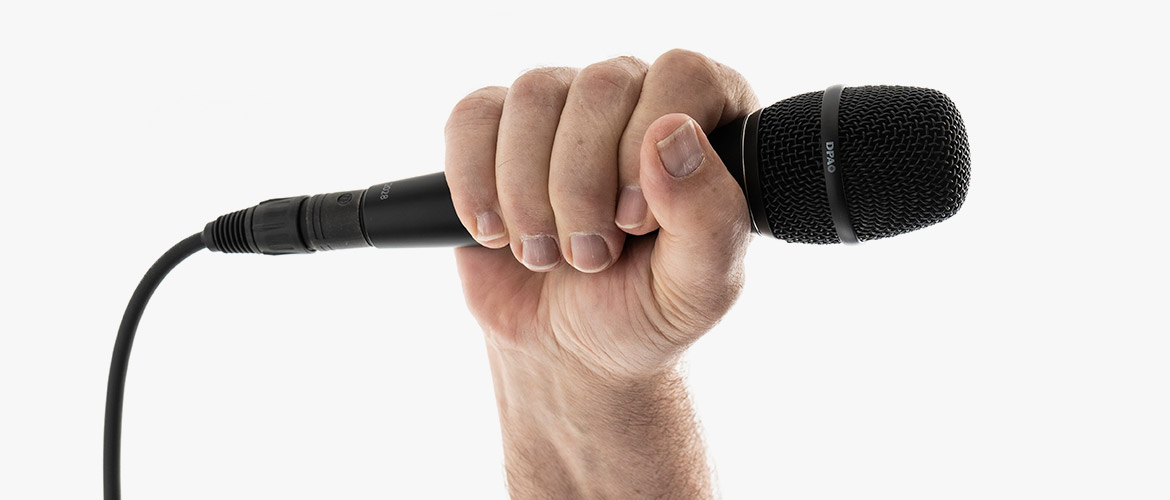
It’s important for the talent to feel comfortable and at ease while holding the microphone, especially during long performances and studio sessions. Two key factors to consider in achieving this are the shape of the handle and the amount of surface friction.
A well-designed handle shape and texture can reduce hand fatigue and give a more relaxed grip. This benefits the vocalist and helps ensure consistent audio quality throughout the performance. By minimizing discomfort and distraction, the talent can better focus on delivering their best performance.
#8 HANDLING NOISE AND VIBRATIONS

Choosing a microphone with low sensitivity to mechanical vibration is essential, particularly if you plan to use it on stage or in non-professional recording spaces, like a garage or spare room. When a microphone is sensitive to handling noises, it can pick up vibrations from the stage or surrounding environment, resulting in an unwanted low-end rumble and coloration of the sound.
To avoid this, look for a microphone that has a robust design and is resistant to vibration. If you’re not accustomed to proper mic handling techniques, place the mic in a clip on a stand with shock mounts to help isolate the microphone from external vibrations and ensure a clean, clear sound. Minimizing the impact of mechanical vibration on your microphone can help ensure that your recordings are free from unwanted noise and distortion.
#9 LOW SENSITIVITY TO CABLE NOISE

With microphones, it is vital to ensure that the cable being used is not only of good quality, but also flexible and adequately isolated. If a cable is heavy and stiff, vibrations can transfer through it and into the microphone capsule, causing unwanted noise and potentially compromising the audio signal quality. Proper cable management can help prevent these issues, as can investing in high-quality, flexible cables designed for audio use.
It is also essential to ensure that cables are properly secured and not loose or dangling, as this can increase the risk of cable-related noise and interference.
#10 RESISTANT TO FEEDBACK
There is a potential for acoustic feedback when using a microphone near loud stage monitors or in front of loudspeakers. To minimize this risk, use a microphone with a high rejection range. It is also important to note that cupping the microphone, or covering the capsule, can increase the likelihood of feedback occurring. Therefore, choosing a mic with appropriate rejection capabilities is crucial to avoid feedback issues during a performance or recording session.
#11 NO POP OR WIND NOISE
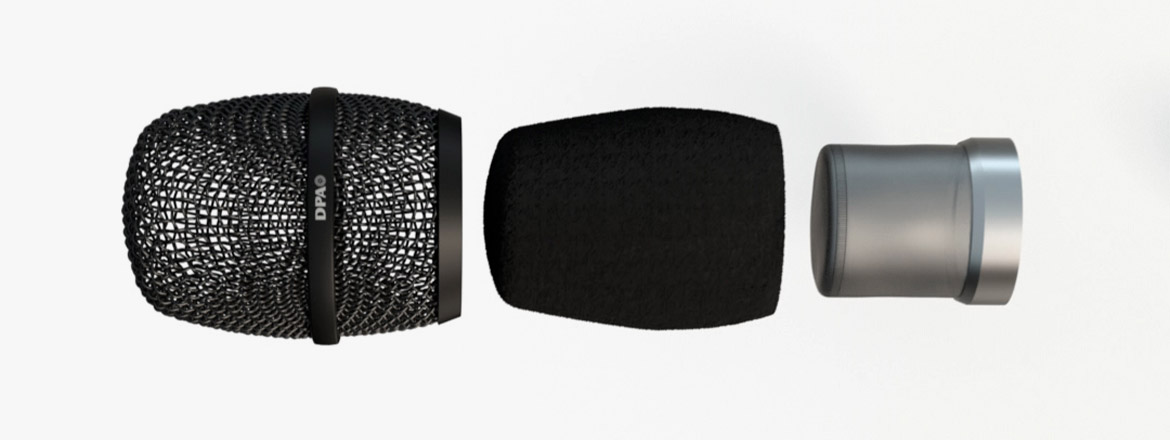
Adequate pop protection and wind noise reduction are critical factors for achieving high-quality vocal recordings or live performances. Plosives, such as “p” and “b” sounds, can create bursts of air that overload the microphone’s diaphragm, resulting in pops and distortions. Similarly, wind noise from air movement can cause unwanted noise and reduce the clarity of the vocals.
A well-designed grid with proper wind shields must provide adequate pop protection and wind noise reduction to avoid these issues. It’s essential to ensure that the mic you choose has high protection against both plosives and wind noise.
#12 RUGGED CONSTRUCTION, DURABLE MATERIALS
Accidents happen, and dropping the microphone is just one of the many mishaps that can occur during live performance. That’s why it’s important to choose a mic that can withstand impact so that the capsule can remain undamaged and function properly, even if the grille becomes deformed. A durable microphone is a good investment for those who use it frequently, as it reduces the risk of costly damage and the need for frequent replacements.
#13 IMPERVIOUS TO RAIN AND HUMIDITY
Humidity can cause problems for microphones, especially when it rains, or the mic is in cold storage. Choosing a microphone designed to handle high humidity levels is essential to preventing damage to the microphone’s internal components.
A good microphone should function without any problems, even in humid environments. This is particularly important for live performances or recording sessions in locations with high humidity levels as moisture can interfere with the signal and cause unwanted noise or damage the microphone. Selecting a humidity-resistant microphone ensures that your audio recordings will be of high quality, even in challenging environments.
#14 CABLED OR WIRELESS
A good microphone should ideally be designed for cable and wireless connections, allowing for versatility in various performance situations.
This means it should be compatible with standard connectors such as XLR, USB or 1/4-inch jack, and with standard wireless systems. Both options ensure that the microphone can be used in a wide range of environments without the need for additional equipment or adaptations.
#15 HAPTIC FEEDBACK
Microphones that provide haptic feedback (an audible and tactile “click” when connecting an XLR cable) can promote feelings of trust and security during use. This is especially important as the XLR connector can be a weak point in the audio chain. The click ensures the connection is safe and locked in place, giving the user confidence.
This feature is especially handy in live performances or recording sessions where the microphone may be moved around frequently, as it reduces the risk of accidental disconnections and ensures uninterrupted audio capture.
FINAL THOUGHTS
Finding the perfect vocal microphone is crucial to any recording or performance setup. It can make a significant difference in the quality of the sound produced and the comfort of the talent using it. With the 15 tips in this article, one can make an informed decision when investing in a mic. To find one that suits their specific needs, it is important to consider factors such as the microphone’s frequency response, pickup pattern, handling noise, feedback resistance, pop protection, and durability.
Moreover, one should consider their specific needs and preferences when choosing the right vocal mic. A good microphone should feel comfortable to hold and use, especially for long periods. It should also provide good haptic feedback, resist mechanical vibration and humidity, and be compatible with cable and wireless connections. Considering these factors will allow you to find a mic that fits your budget and recording/performing needs. With the right vocal microphone, you can produce high-quality recordings and performances that are both clear and intelligible, giving the talent confidence in their sound.
For more microphone tips, tricks, and advice, check out DPA Microphones’ Mic University. With how-to articles, technical sound breakdowns, and even a microphone dictionary, this place is a go-to for everything you’ve ever wanted to know about microphones.

Magnetic byline note: This byline is used for staff produced updates and short announcements, often based on press materials and official release information. Editorial responsibility: David Ireland (Editor in Chief) and Will Vance (Managing Editor). About: https://magneticmag.com/about/ Masthead: https://magneticmag.com/masthead/ Contact: https://magneticmag.com/contact/