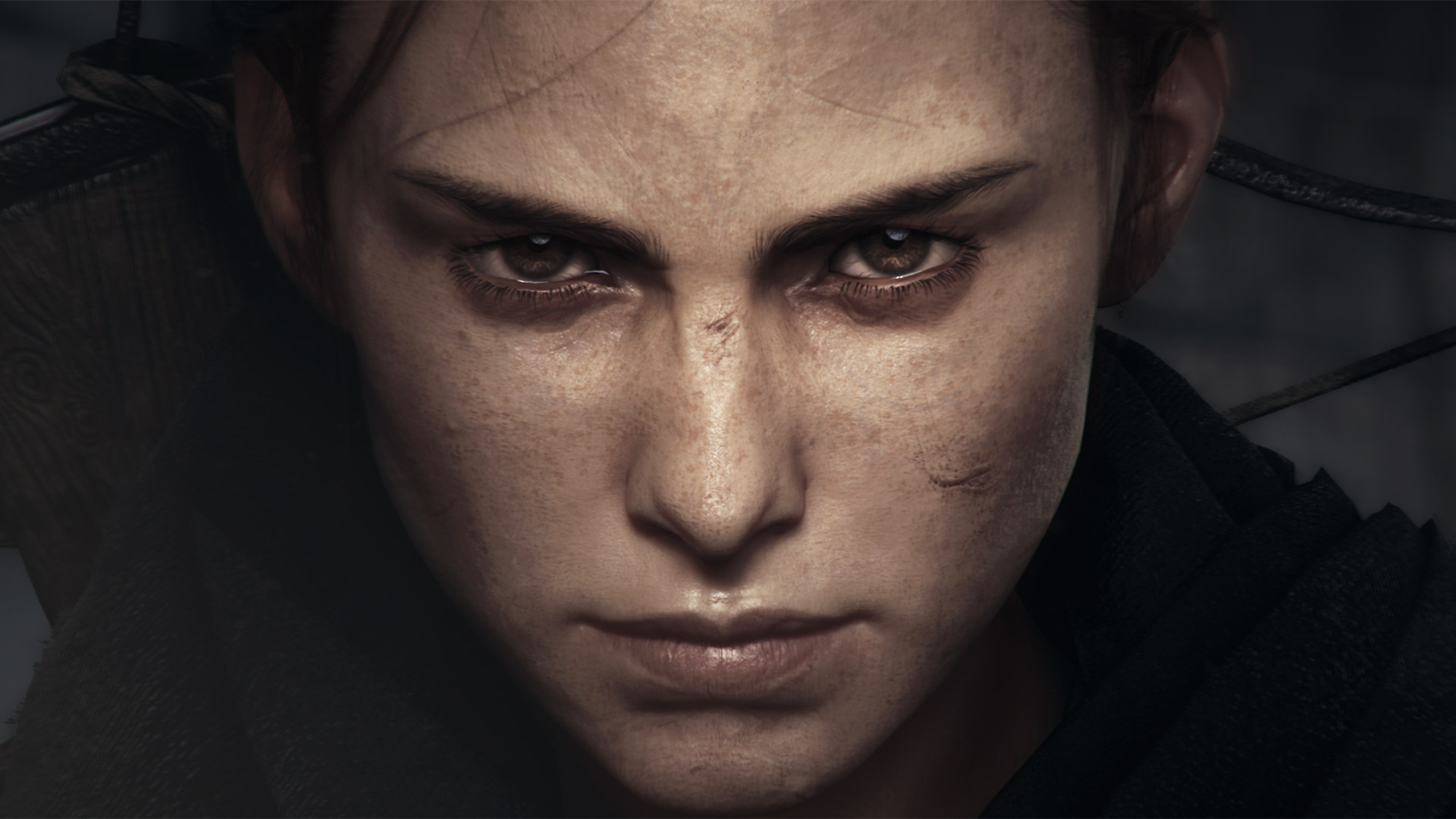
The first installment in the series was released in 2019 and was met with resounding praise, barring some complaints about gameplay. Requiem takes everything it got right in the first game and doubles down on those strengths for the sequel.
We had a chance to review the second rendition of the game to discover how it stacks up against many other open-world RPGs out on the market right now.
After spending hours in the immersive world that the game creates, we discovered just how visually stunning, emotionally jarring, and narratively complex the game truly is.
A Plague Tale: Requiem’s Visuals Are Stunning

A Plague Tale: Requiem is one of the best-looking games released this year and possibly one of the best-looking games of all time. This is no small feat considering the game is produced on Asobo Studio’s own “in-house” engine, which is tuned for the ability to display thousands and thousands of rats on screen at a given time, allowing them to flow over the map like a grotesque tsunami.
That’s not the only trick this game has up its sleeve either.
It also packs in beautiful textures and very impressive lighting that uses a mixture of screen space reflections, hidden static light sources, and ambient occlusion to an impressive degree. It’s not easy to be impressed by non-RayTraced lighting these days, but A Plague Tale: Requiem pulls it off (Ray Tracing options for PC have been promised in a future patch, but no release date confirmed at the time of review).
This helps to immerse the player in an emotional narrative through beautiful southern France as well as enhance the many lighting-based puzzles you’ll encounter along the way.
Although, this degree of visual fidelity comes at a cost.
There are no 60fps options on consoles and while the goal is 40fps, all platforms tend to dip to 30fps or below when the rat action pops off or lots of NPCs are on screen. On my PC which is currently using a 3080Ti, I was able to get a relatively smooth experience on ultra settings and DLSS set to “quality” mode, however, I would only hold a smooth 60fps about 80% of the time. It was perfectly serviceable with Gsync but could’ve been better.
A Plague Tale: Requiem’s Story Is Personal
Darkness isn’t just a gameplay mechanic in Requiem. Amecia and Hugo are both struggling mentally from what they did and what they saw in the first game.
The rats present themselves as a physical manifestation of the large-scale corruption in the world they live in, but this is a personal tale that we see through the eyes of a traumatized child and young woman fighting desperately to keep their trauma from descending into a rage, violence, and resentment as all the light they’ve ever known seems to be fading away.
They aren’t alone though.
Amecia and Hugo encounter several companions on their journey. All of these are intriguing and have character arcs that help reinforce the narrative themes explored in the game.
All of this is atmospherically molded together by composer Olivier Deriviere’s breathtaking score filled with deep cellos, bright lutes, and hauntingly angelic choir vocals that contrast in such a way that you feel both unsettled and hopeful at the same time. Easily one of the best soundtracks to a game this year so far. Paired with the immersive 3D audio option and fantastic voice acting all around, this makes for a truly beautiful narrative experience.
The only issue I had was the terrible lip-syncing during cutscenes. This issue gets slightly better when playing the game in French but still seems antiquated in 2022.
A Plague Tale: Requiem’s Gameplay Is Redundant

While Requiem does make an effort to rectify some of the gameplay complaints from the first game, they by no means nullify them. There are only so many times you can ask a player to solve the same puzzle or sneak through tall grass past the guards until it stops being fun and becomes a burden that’s between you and the next bite of the story that you’re hungry for.
Although in Requiem there are a few more tools given to you to make the puzzles more complex and you get to use unique companion abilities (depending on who’s with you in that section of the story) to keep combat somewhat interesting, it isn’t quite enough to make up for the repetitiveness and complete lack of innovation in the gameplay.
Asobo Studio’s in-house engine does something remarkable; it puts more moving objects on screen than I’ve ever seen any video game pull off, but sometimes A Plague Tale: Innocence and Requiem both feel more like a tech demo with an excellent narrative than it does a video game meant to immerse the player its story and world.
I would’ve loved to see them lean harder into either Quantic Dream-style quick-time events or frantic environmental stealth-based combat like The Last of Us, but it doesn’t quite do enough of either to remain fun for the entire experience.
Final Thoughts
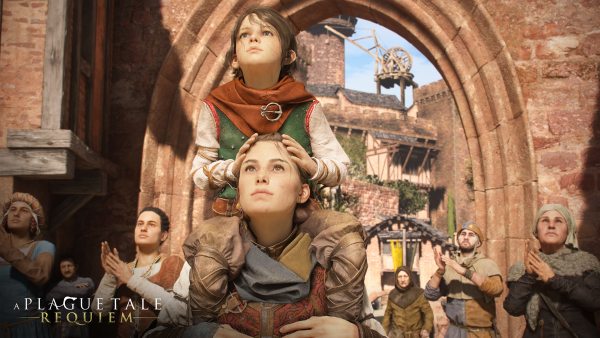
A Plague Tale: Requiem tells a poignant story that is even more relevant now after the events of 2020 than when the first game was released in 2019. It’s a story that reflects how humanity responds to crisis and corruption and how individuals must face the consequences of their actions.
It will leave you thinking about it long after the end credits roll and it will get you there using some of the best art direction, visual fidelity, and soundtrack I’ve experienced this year. However, part of that experience is inevitably going to be a slog through repetitive gameplay and puzzles that are neither simple enough to be an “interactive story” nor complex enough to leave you feeling satisfied.
Don’t let that dissuade you from experiencing what this game has to offer, though. It’s very close to something special.