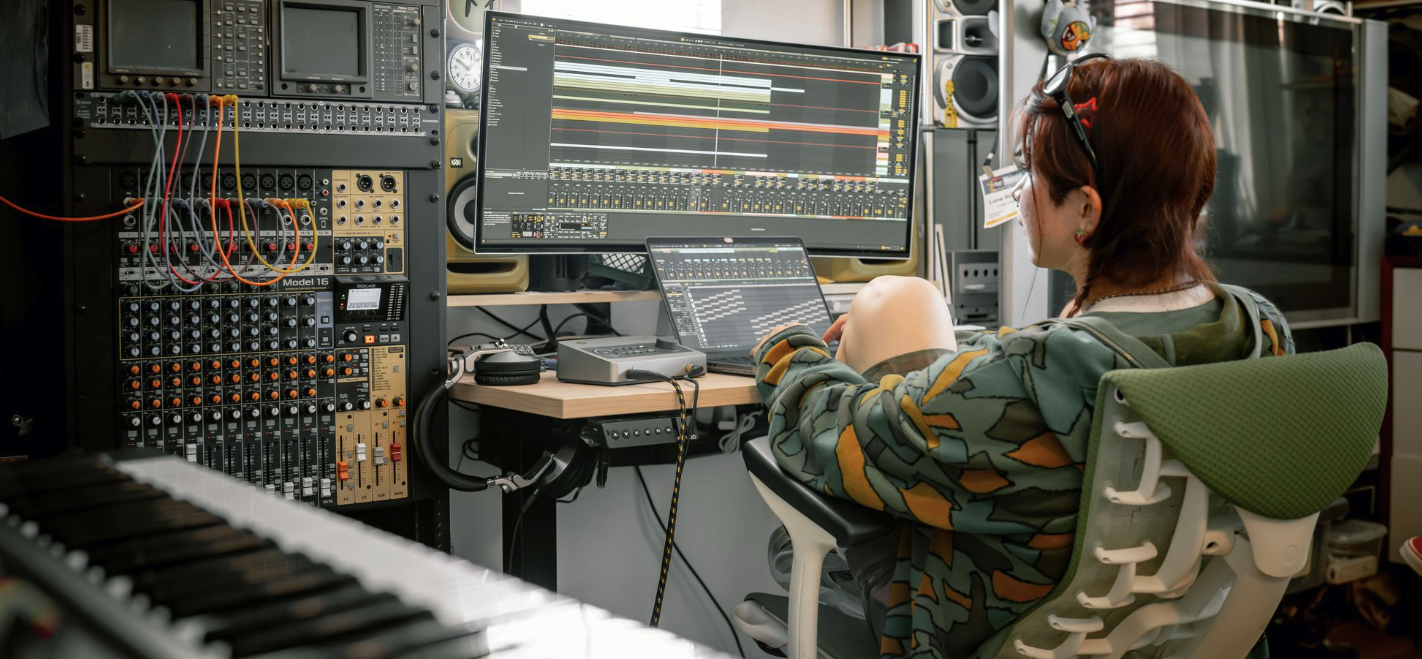
Ever since I purchased my first vinyl record and started on this long path of DJing and music production, I’ve always wanted one thing – a proper studio space. It’s been a long time since that first record, and I never found the time, the right space or the money to make it happen until now.
After many years of grinding it out, I’ve finally found the perfect space for this dream studio that has been on my mind for almost 25 years, but hey better late than never. This room will also serve as my home office, video/photo editing station and secret hideout from chores and other undesirable tasks (because we all need one of those). Will there be a bar? Maybe, wait and see!
If you are in the process or have thought about doing the same thing, whether in your home or your office space – this little docu-series should help answer some critical questions before you get started.
So here’s part one and our starting off point.
The Space:
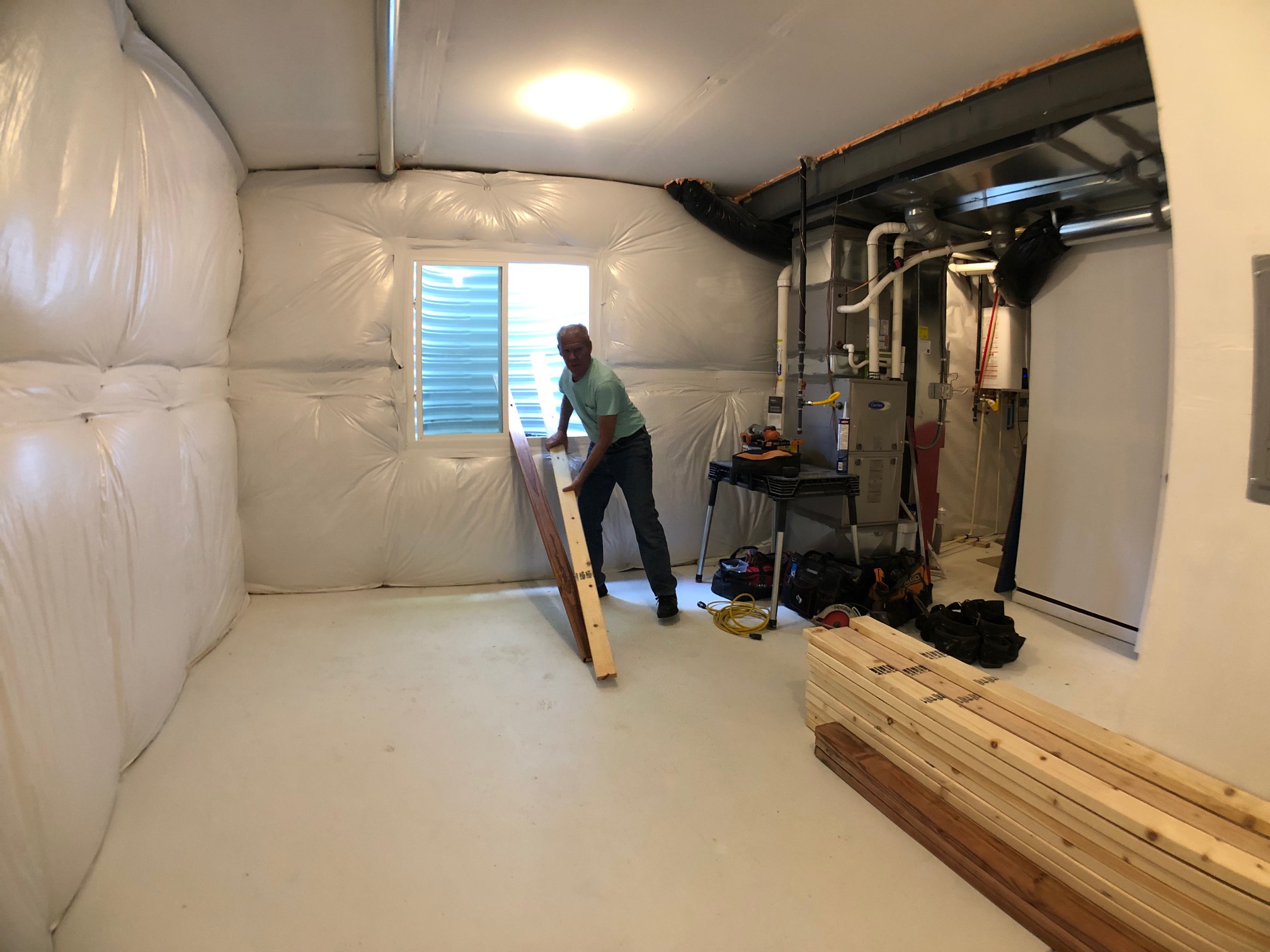
This little spot was one of my favorite things about our new home, about 200 square feet of unfinished basement that I got to designate as my workspace and studio. The area itself needed a lot of work, so I contacted a local designer with some significant experience in designing these types of spaces, and more importantly in isolating the sound. The unfortunate part of the space is that it’s right next to a furnace and directly underneath my wife’s home office, so sound isolation was an absolute must.
The Plan: Step One
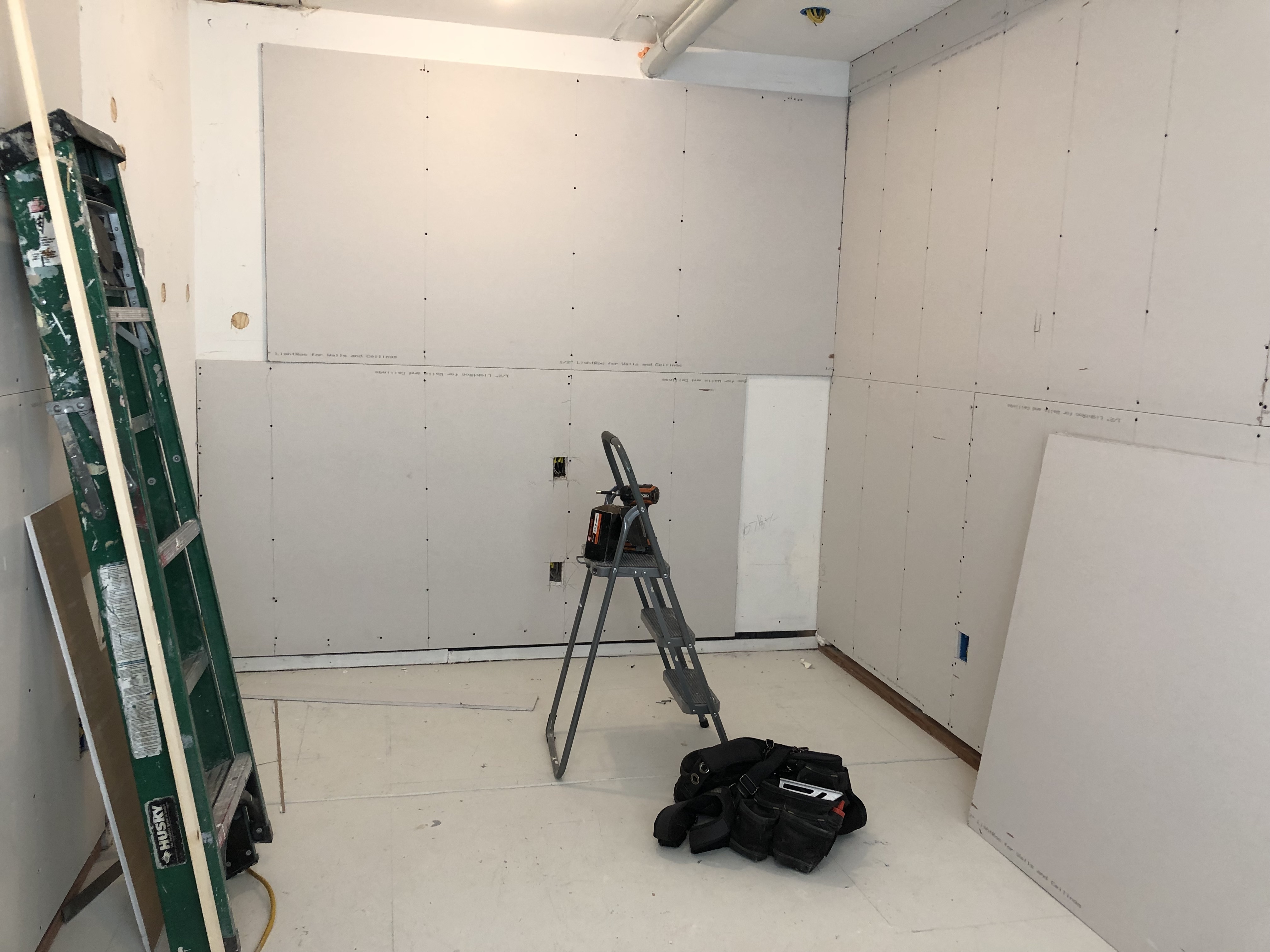
The first part of the plan was simple; we needed to create what was mostly an extra bedroom and then work from there. So we started with pulling out the puffy “insane asylum” insulation and replaced it with floating walls and rock wool insulation along with a new wall to close it off into a room. The before and after shots are below.
One of the great things about building it this way is that you bring value into your home with what is essentially an extra bedroom – so it’s a true investment in your property. I also didn’t have the budget to go crazy, so this was the best route for me as I couldn’t build anything excessive.
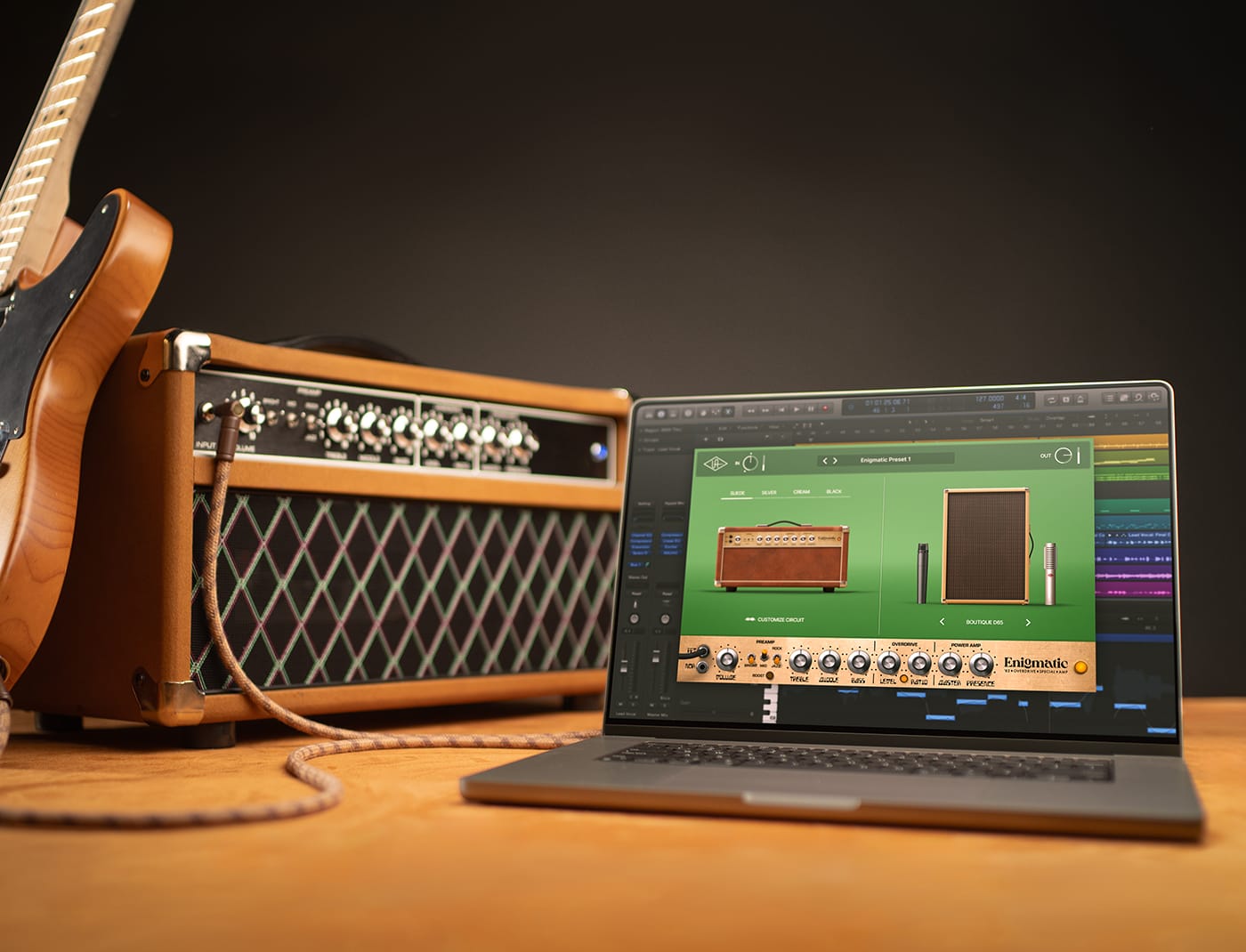
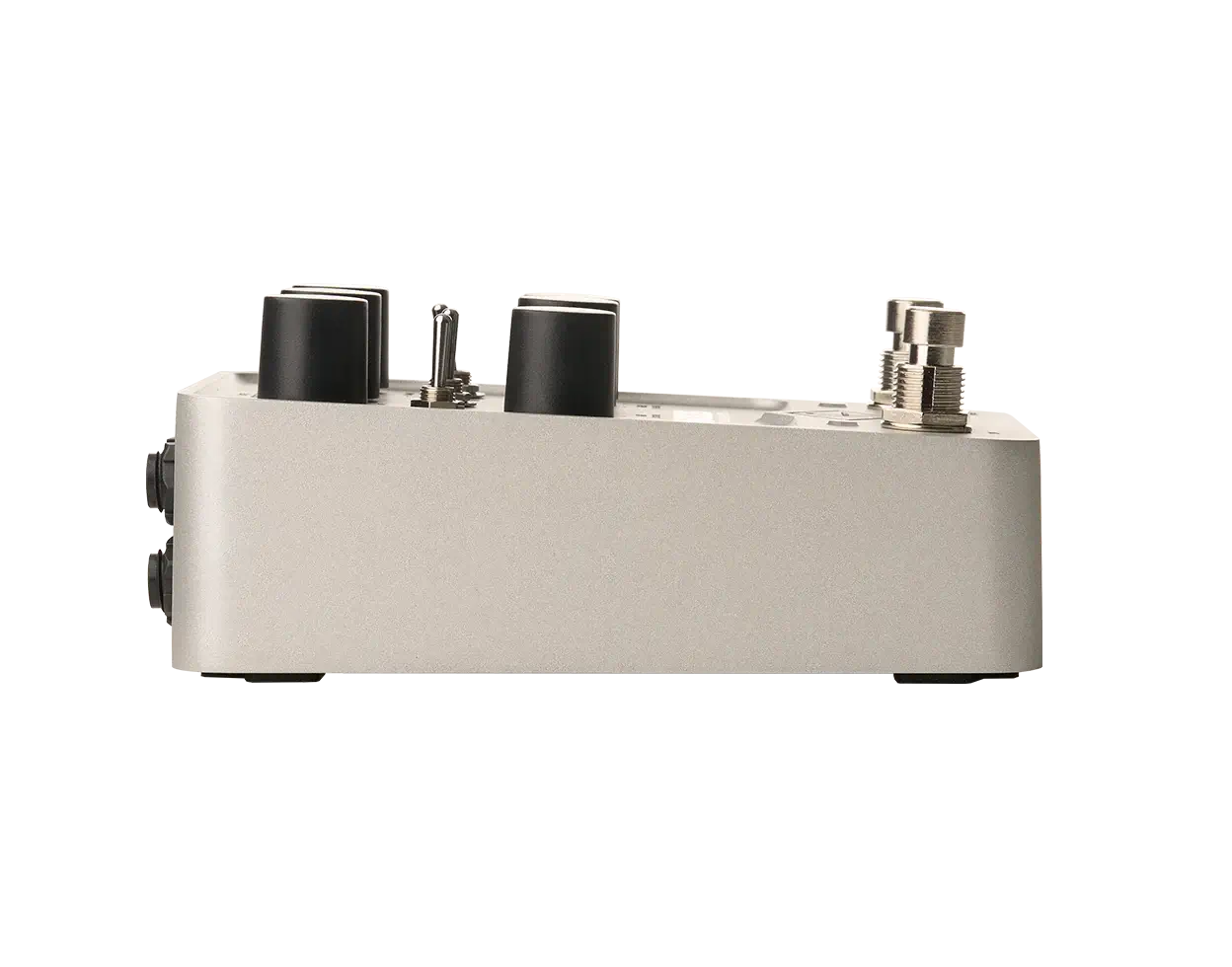
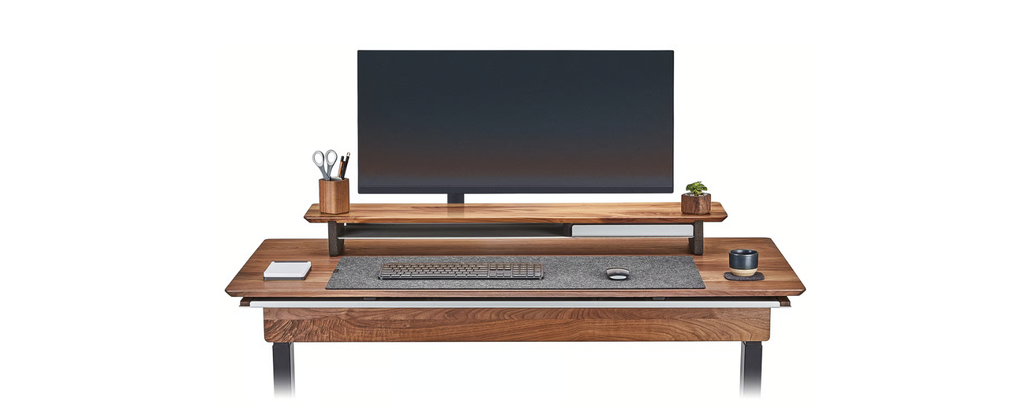
In the video above, Farrell North explains in a bit more detail the starting point of this process, what we are looking to achieve, and the road map we have laid out for ourselves. In the next four parts of this series, we will take you through the necessary steps, the gear we used (desks, monitors, panels, audio interface, etc.), the cost break downs and how we solved any problems along the way.
I hope you find this journey helpful, and if you have any questions for us, please email info@magneticmag.com with the subject: Studio Questions and we will do our best to answer you.

The Magnetic Studio Project Stats:
Timeline: 6 Weeks from start to finish
Starting Budget: $8000 (That fantasy number was over rather quickly)
New Budget: $14,000 (So far we are staying on target)
Special thanks to our partners that joined us on this journey and helped to make this studio top notch and to Farrell North our incredible and very patient studio designer.
Universal Audio | Fluid Audio | Rode | Primacoustics
The Magnetic Studio Project Full Series:
The Magnetic Studio Project Part 2
The Magnetic Studio Project Part 3

David Ireland is a professional strategist, creative, and marketer. He began his career in 1995 as creator and publisher of BPM Magazine. In August 2000, BPM Magazine merged with djmixed.com LLC, an online media company based in Los Angeles, which later evolved into the Overamerica Media Group [OMG] in 2003. In 2009, Ireland left Overamerica Media Group to serve as the VP of Marketing at Diesel. In 2011, he returned to his roots in media and cofounded the online electronic music publication Magnetic Magazine and created The Magnetic Agency Group. In June 2018, Ireland joined Winter Music Conference (now owned by Ultra Music Festival) as the Director to lead the reboot for 2019 and usher in a new era for the iconic brand. He served as Chief Marketing Officer at Victrola for three years, guiding product innovation and brand growth. He currently serves on the advisory board of Audiopool, a new music tech startup focused on AI-generated music licensing and artist revenue models.