Images Courtesy Of Native Instruments
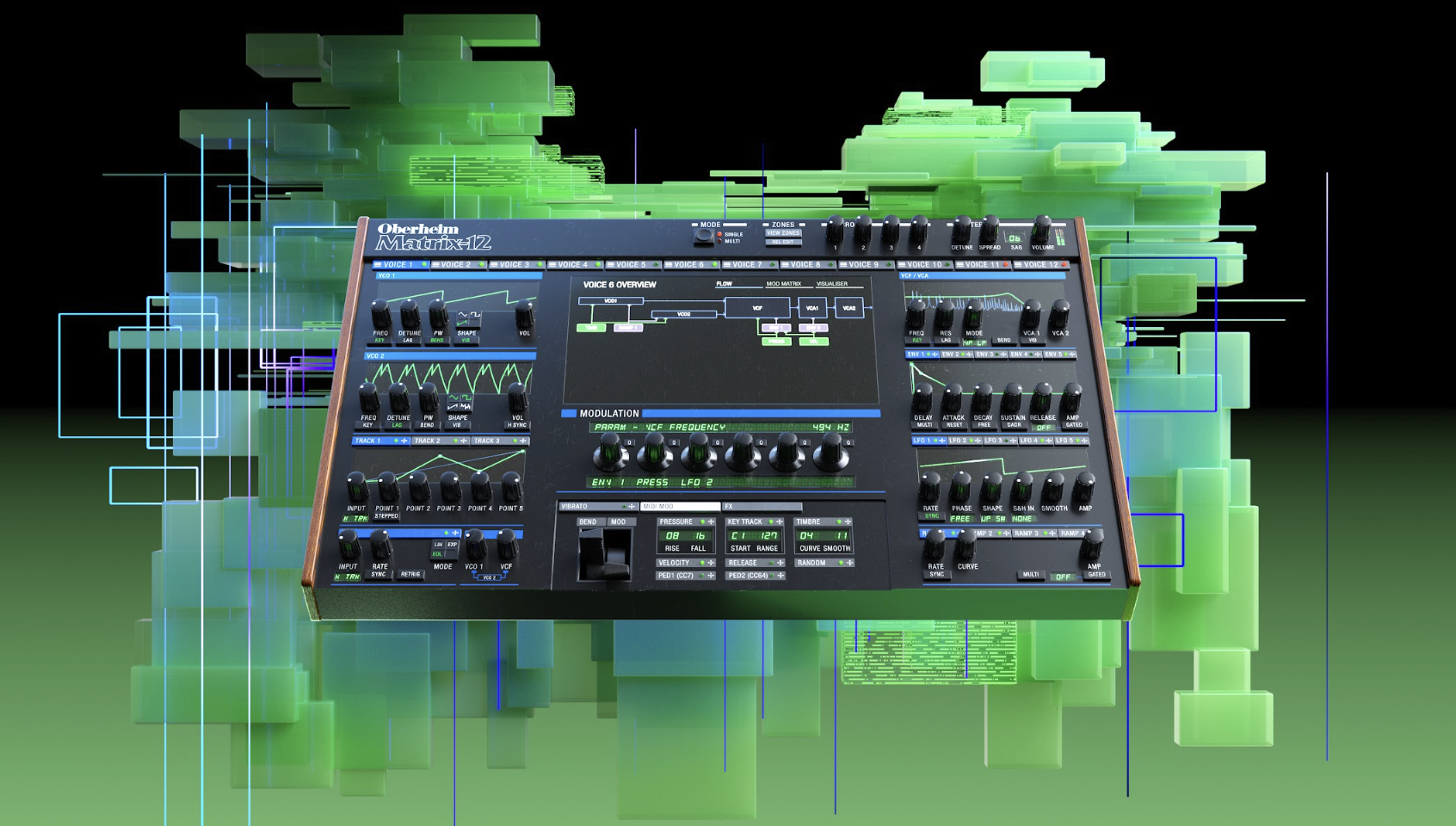
Native Instruments has officially launched Massive XL, the latest generation of its flagship software synthesizer, introducing a collection of new sound design tools, expanded modulation capabilities, and an interface designed to make complex synthesis considerably easier to manage.
Available October 27, 2026, Massive XL succeeds Massive X and brings substantial changes to a synthesizer family that has shaped electronic music production for two decades.
Massive has an established history with electronic producers, particularly those working in dubstep, drum and bass, electro, and other styles where detailed wavetable manipulation is central to the production process. Massive X, released in 2019, introduced a new synthesis architecture with extensive routing possibilities, although its approach to modulation and interface design also required producers to invest time learning the instrument. Massive XL maintains that architecture while introducing tools that could considerably change how producers create and modify their own presets.
The most interesting addition is the new Preset Generator, which allows producers to import an audio reference and generate a playable synthesizer patch from it. Combined with stem separation, customizable wavetables, and updated modulation controls, the feature opens up new possibilities for producers who regularly resample audio, reference other synthesizers, or build entire tracks around a particular sound.
To learn more, visit www.native-instruments.com. Join the conversation on social media by following Native Instruments on Instagram, Facebook, and YouTube.

Massive XL’s Preset Generator Turns Audio Into Editable Synth Patches
The Preset Generator is easily one of the most substantial additions to Massive XL. Producers can import an audio reference, and the synthesizer analyzes that material to generate a corresponding patch that can be played across the keyboard and modified using the instrument’s existing synthesis controls.
For producers accustomed to manually recreating sounds from reference tracks, this could be an interesting alternative to building every element from an initialized patch. For example, a bass sound from an audio recording could provide a starting point for further modulation, filtering, or wavetable manipulation.
The important distinction is that Massive XL generates an editable synthesizer patch. This gives producers access to the underlying sound design parameters and allows them to modify the results beyond what conventional audio sampling permits.
The process incorporates stem separation, allowing users to isolate elements in the source material before working with them inside the synthesizer. How accurately the Preset Generator recreates complex sounds, particularly those involving multiple layers of processing, will require hands-on testing.
This approach gives producers more control over experimentation. Instead of randomizing an entire preset and potentially losing the characteristics that made it worth saving, they can retain particular components while modifying others.
There is an interesting connection here to our earlier How It Was Made feature with longstoryshort, where he discussed developing a Reese sound in Minimal Audio’s Current and allowing the synth’s wavetable processing to influence the final result. Massive XL introduces additional methods for that kind of sound development, particularly when working from an existing audio reference.
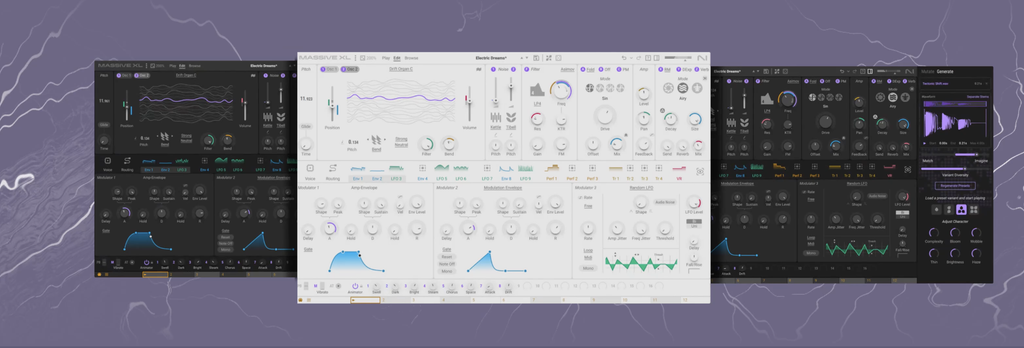
Expanded Wavetables, Effects, And Custom Sound Creation
Massive XL retains the semi-modular routing architecture associated with Massive X, allowing producers to organize signal processing and modulation according to their specific requirements.
The instrument introduces over 100 new wavetables, including material from the original Massive and classic PPG wavetable content. This expands the available oscillator material while incorporating waveforms associated with earlier wavetable synthesizers.
It also adds over 100 noise tables, offering additional source material for percussive sounds, layered textures, and more complex timbral arrangements.
Another addition is custom wavetable creation using imported samples and sample libraries. Producers can use audio material as the basis for oscillator waveforms and then manipulate those waveforms through Massive XL’s synthesis architecture.
Wavetable import has become an established component of modern synthesizer design, particularly in instruments such as Serum. In our How It Was Made feature with HATIHATI, the duo discussed importing sounds from analog instruments into Serum to create new wavetables, including using a vocal chop to construct a synthesized vocal part.
Massive XL adds another platform for this approach, with the additional options available through its routing architecture, new effects, and modulation system.
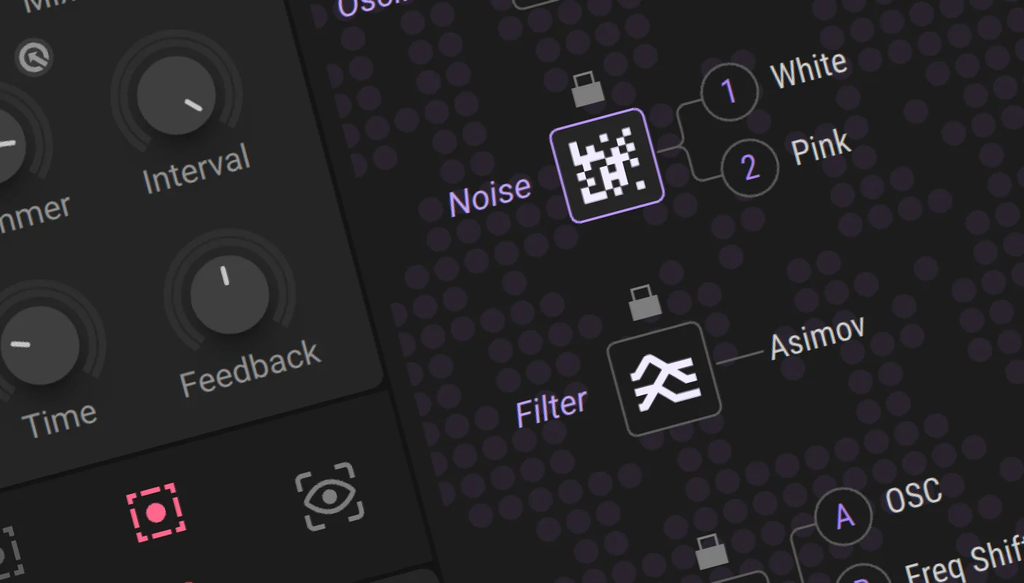
Redesigned Modulation Makes Complex Patches Easier To Understand
One of the central workflow changes in Massive XL concerns the visibility of modulation.
Complex synthesizer patches can involve numerous modulation sources affecting oscillator parameters, filters, effects, and other destinations. Tracking those assignments can get difficult, especially when modifying factory presets or returning to older projects.
Massive XL introduces animated modulators that visually represent changes as they happen. Producers can inspect individual parameters to identify their modulation sources or display all active modulation assignments throughout a preset.
This should make it easier to understand how an existing sound has been programmed and identify which controls are responsible for particular changes.
The modulation environment includes envelopes, LFOs, Performers, Trackers, sidechain routing, and drag-and-drop assignments. There are also 16 assignable macros with DAW automation support.
The improved Morpher and Animator functions allow producers to create parameter movement that can be performed, locked, transferred, and reused across presets.

These tools could be especially useful for programming evolving pads, rhythmic bass modulation, and sounds that need controlled changes throughout an arrangement. A producer could design a modulation pattern, save it, and apply that movement to another patch without recreating the underlying automation.
The improvements to modulation visibility are especially relevant considering Massive X’s original architecture. When we covered the release of Massive X in 2019, the instrument represented a substantial redesign of the original Massive platform. The latest version retains the extensive sound design possibilities of that architecture while addressing how producers navigate its controls.
Massive XL Pricing, Upgrades, And Availability
Massive XL is available as a digital download through Native Instruments beginning October 27, 2026.
The company has introduced discounted pricing through December 31, 2026, including separate rates for Massive X owners and users upgrading from the original Massive.
| License | Introductory price | Regular price |
|---|---|---|
| New Massive XL license | $99 | $199 |
| Massive X owner upgrade | $49 | $69 |
| Original Massive crossgrade | $79 | $129 |
The equivalent introductory prices are €99 / £89 for a new license, €49 / £44 for a Massive X upgrade, and €79 / £69 for an original Massive crossgrade.
Existing Massive X owners have a relatively inexpensive way to access the new features, especially compared with buying another full synthesizer. The upgrade could be especially appealing to producers who already rely on Massive X’s routing and modulation but would benefit from the new interface and preset tools.
Native Instruments has not provided a complete Massive XL compatibility specification in the announcement, so prospective buyers should confirm operating system, plugin format, and existing preset compatibility through the current product documentation before purchasing.
The new instrument is available now, with introductory pricing continuing through December 31, 2026.

Will Vance is a professional music producer who has been involved in the industry for the better part of a decade and has been the managing editor at Magnetic Magazine since mid-2022. In that time period, he has published thousands of articles on music production, industry think pieces and educational articles about the music industry. Over the last decade as a professional music producer, Will Vance has also ran multiple successful and highly respected record labels in the industry, including Where The Heart Is Records as well as having launched a new label with a focus on community through Magnetic Magazine. When not running these labels or producing his own music, Vance is likely writing for other top industry sites like Waves or the Hyperbits Masterclass or working on his upcoming book on mindfulness in music production. On the rare chance he's not thinking about music production, he's probably running a game of Dungeons and Dragons with his friends which he has been the dungeon master for for many years.