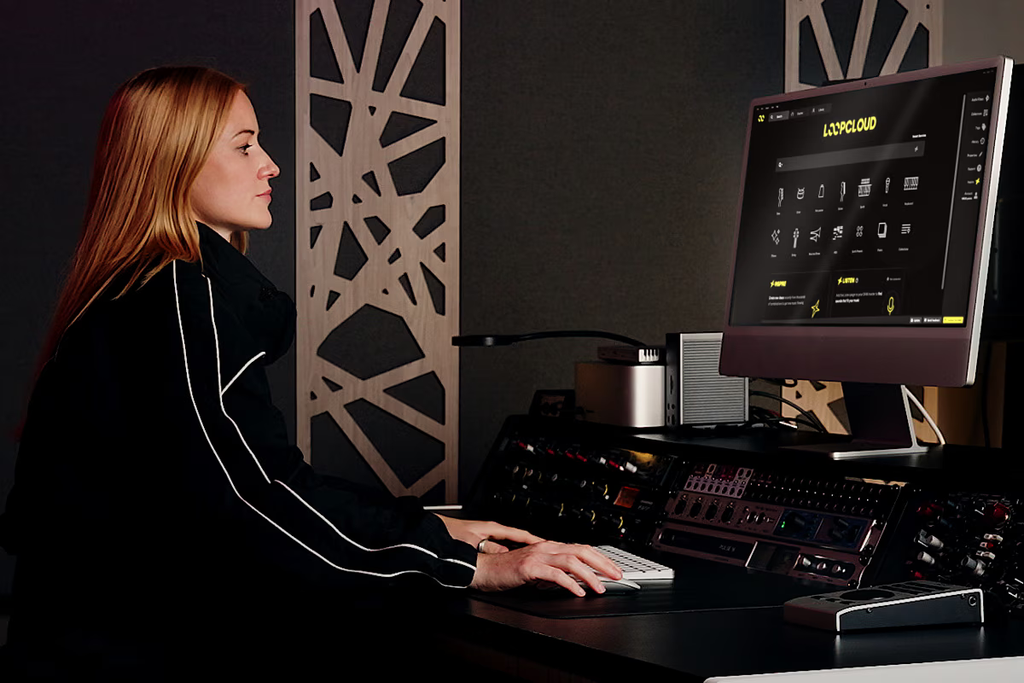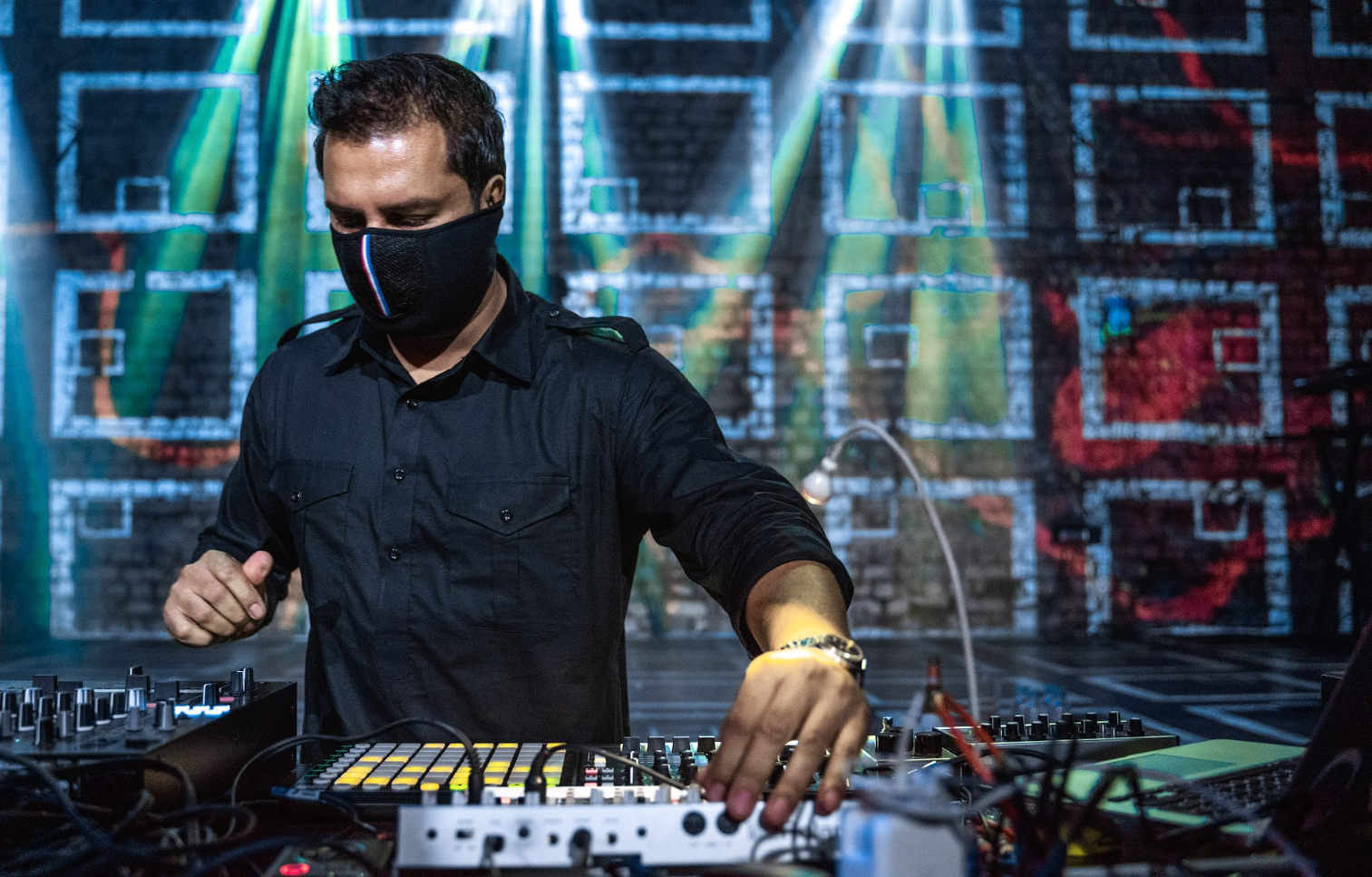
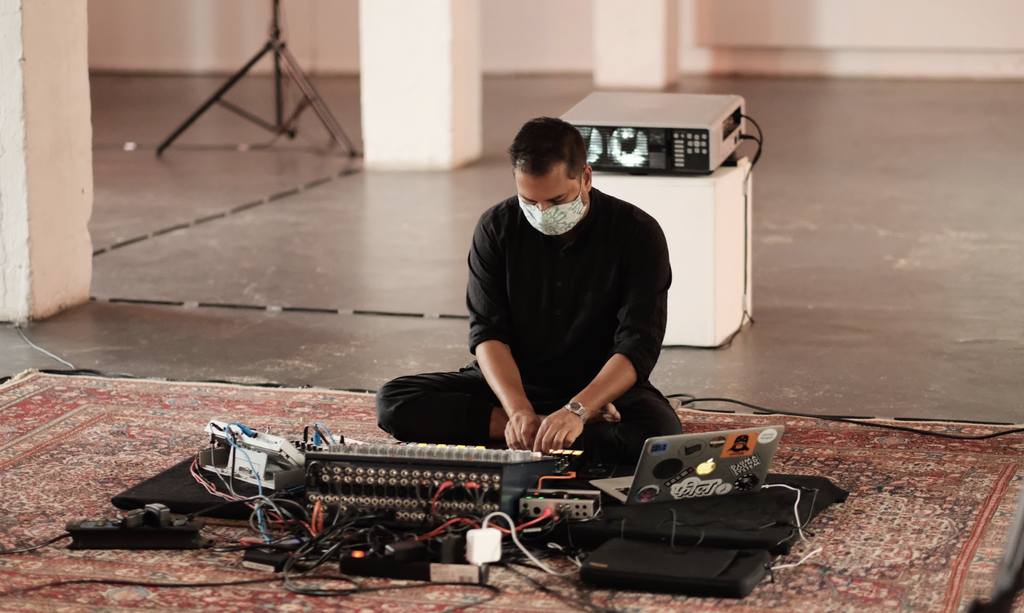
There’s a particular art to making sample-based house music, especially when the source material comes from decades of film music that most listeners outside its country of origin have probably never encountered. For Todh Teri, that relationship with older recordings has become central to his work, particularly through Masala Movement, the label he uses to explore the connections between Indian cinema, disco, house, and acid.
His latest release, The Return Of Disco Sheru, arrived on October 16, 2026, as the label’s ninth release, bringing together three producers with their own approaches to reworking Indian film music.
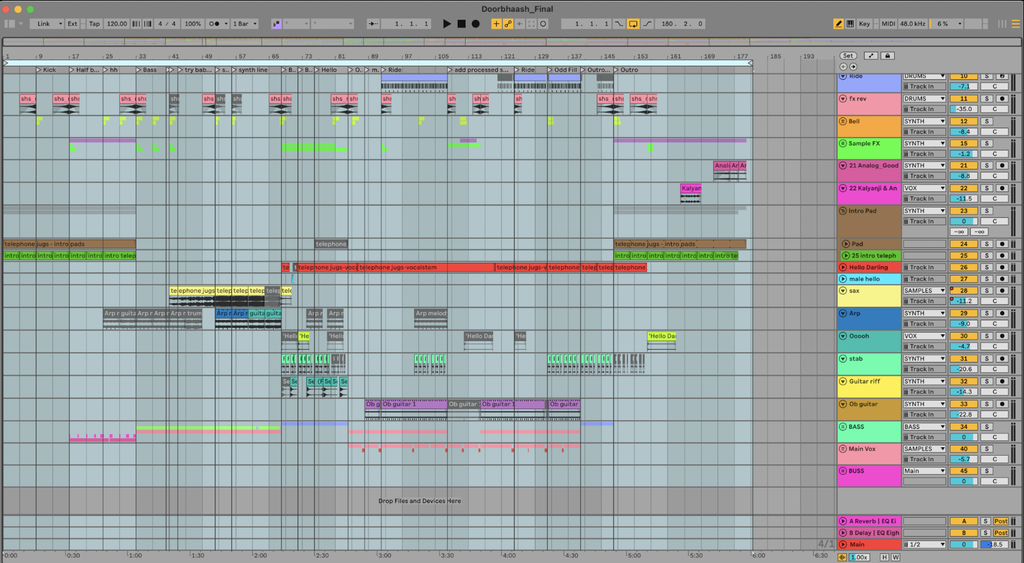
The project began when Todh Teri met Babloo Babylon and Sakré during his 2025 India tour. Rather than approaching the collaboration with a predetermined direction, they started making music together and eventually developed a record that also features longtime collaborator Kone Kone.
The resulting four-track vinyl release moves between the lo-fi, boom-bap-influenced house of “Doorbhaash,” the French house influences of “Vasanthageetham,” and the Malayalam cinema samples and acid programming of “Pushpakasham.” These tracks share an interesting relationship, particularly in how the producers preserve recognizable elements of the original recordings while adapting them to entirely different rhythmic structures.
That relationship between sampling and production is also central to Todh Teri’s studio workflow. Rather than relying on elaborate processing chains, he often turns to straightforward tools that let him reshape existing recordings while preserving the musical qualities that drew him to them in the first place. From discoDSP’s OB-Xd synthesizer to Ableton Live’s Auto Filter and Roar, his approach focuses on understanding what each sound needs and making deliberate adjustments.
Below, Todh Teri explains how these tools fit into his productions and shares five tips about sampling, creativity, and developing a sustainable relationship with music.
OB-XD (discoDSP)
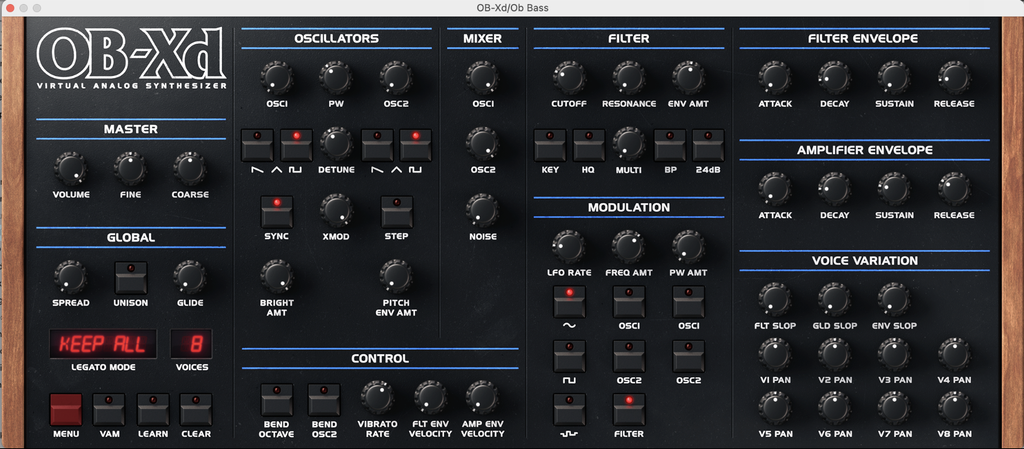
OB-Xd is a renowned virtual-analogue synthesiser by discoDSP, inspired by the legendary 1979 Oberheim OB-X. It’s great for beginners and experienced users alike, easy to handle, and comes with a nifty collection of presets.
This synth has become an integral part of my setup, alongside a few similar-sounding analogue synths. There are loads of presets to explore, but even starting with a basic tone, you can shape it into almost anything, from a synth hook to a deep, subby bassline. On this track, I’ve used it to create part of the bassline.
If you’re looking for a versatile, analogue-sounding VST at a reasonable price, I highly recommend OB-Xd. You can start with classic sounds or create something of your own without spending hours learning complicated functions. It’s also taught me how subtle tweaks in sound processing can make a huge difference.
AUTO FILTER (Ableton Live)

Ableton Live has so many great built-in plugins that, in my opinion, there’s little need for third-party ones unless you’re after something very specific. Auto Filter is on most of my channels, and I love the latest upgrade, especially the improved visualisation of the LFO movement.
Auto Filter is my go-to tool for all sorts of things: EQ, saturation, boosting the low end or adding some sparkle to the highs. I especially love using it on strings to create subtle movement. It also works wonders on the bass channel. Just turn up the Drive a little and hear how the character changes.
If you make sample-based music or edits, Auto Filter is great for shaping samples and blending them into your mix. Try automating the low-pass filter manually, too, as the LFO tends to work better on more static sounds. And hey, Auto Filter’s philosophy can apply to life as well: keep yourself contained, and open up gently when needed. Otherwise, just stay the way you are. 🙂
ROAR (Ableton Live)

A new addition to Ableton Live 12, this multiband saturation plugin offers countless ways to shape your sound and create some truly unholy textures.
The original Saturator is pretty good, but this update is a game changer. You can crunch the three main frequency bands independently. I’m still discovering its different modes and possibilities, so I can’t do justice to all its features yet. It’s a slightly complex tool, so I recommend experimenting with it and exploring the presets to get a feel for what it can do.
Amazing for lo-fi edits and music production in general. Try sidechaining it to your desired input, and don’t forget to turn up the feedback. Even a simple bassline can produce some interesting glides.
TDR Nova EQ (Tokyo Dawn Labs)
One of the few third-party plugins I use. This EQ by Tokyo Dawn Labs is freeware and one of the gentlest EQs I’ve worked with.
A very useful EQ for cleaning up your mix. Its adjustments are subtle but noticeable. I’ve used it on most channels that needed gentle notching or some unwanted frequencies cleaned up.
It’s free and absolutely worth getting. EQs can be quite temperamental, but this one behaves more like an analogue EQ. You can give a thousand tips on how to use an EQ, but I’d say trust your ears and follow your instincts.
Quick Fire Tips For Making This Genre
Tip #1
This genre is saturated, with everyone trying to sound “exotic” without knowing much about the samples or their history. If you still want to explore it, dig deeper, find something fresh, and treat it with respect. Remember, it’s someone else’s work!
Tip #2
Consistency is key! If you start something, finish it and keep going, regardless of the response. Make music for yourself, not others. If even a handful of people connect with what you do, that’s motivation enough. If you want to be a superstar, ignore this tip!
Tip #3
AI can produce music like a human? Well, NO. NEVER! Don’t let it intimidate you.
Tip #4
Stop watching others play to thousands of people with millions of followers on social media. You have music to make! If that content frustrates you, channel that energy into your creativity instead.
Tip #5
Make edits, yes, but do it respectfully. Don’t turn a sample into a remix that’s all about you. Build around the sample rather than forcing it into your own sound. Understand its origins and let the groove and feeling of the original shine through.

Will Vance is a professional music producer who has been involved in the industry for the better part of a decade and has been the managing editor at Magnetic Magazine since mid-2022. In that time period, he has published thousands of articles on music production, industry think pieces and educational articles about the music industry. Over the last decade as a professional music producer, Will Vance has also ran multiple successful and highly respected record labels in the industry, including Where The Heart Is Records as well as having launched a new label with a focus on community through Magnetic Magazine. When not running these labels or producing his own music, Vance is likely writing for other top industry sites like Waves or the Hyperbits Masterclass or working on his upcoming book on mindfulness in music production. On the rare chance he's not thinking about music production, he's probably running a game of Dungeons and Dragons with his friends which he has been the dungeon master for for many years.