Are you ready to take the next step in your music career and get your music signed by a record label? Sending a demo can be daunting, but it can be a thrilling and rewarding experience with the right approach and preparation. This article will guide you through the process and provide valuable tips and insights on making your demo submission stand out.
Curious about radio’s role in today’s music scene? Discover ‘Why Radio Airplay Still Matters: The Undervalued Significance of Radio Support in the Age of Digital Music’ – explore the impact here.
This article has everything from understanding demo submissions’ do’s and don’ts to tailoring your demo to the correct label. Whether you’re a seasoned musician or starting, you’ll find everything you need to know about getting your music noticed by record labels. So, put your best foot forward and prepare to take your music career to the next level.
Let’s dive in!
How To Send Music To Labels In 7 Easy Steps

Sending your demos to record labels can feel overwhelming and anxiety-inducing, especially if you’re new to the game and it’s your first time submitting music. But as with all things, it’s a task that’s made more manageable by breaking down the process into a few simple and easy tasks.
So let’s dive into how to submit your music to a record label in just seven easy-to-follow steps, along with our professional advice for each stage after running a handful of labels over the past years.
Step 1: Finish Your Song
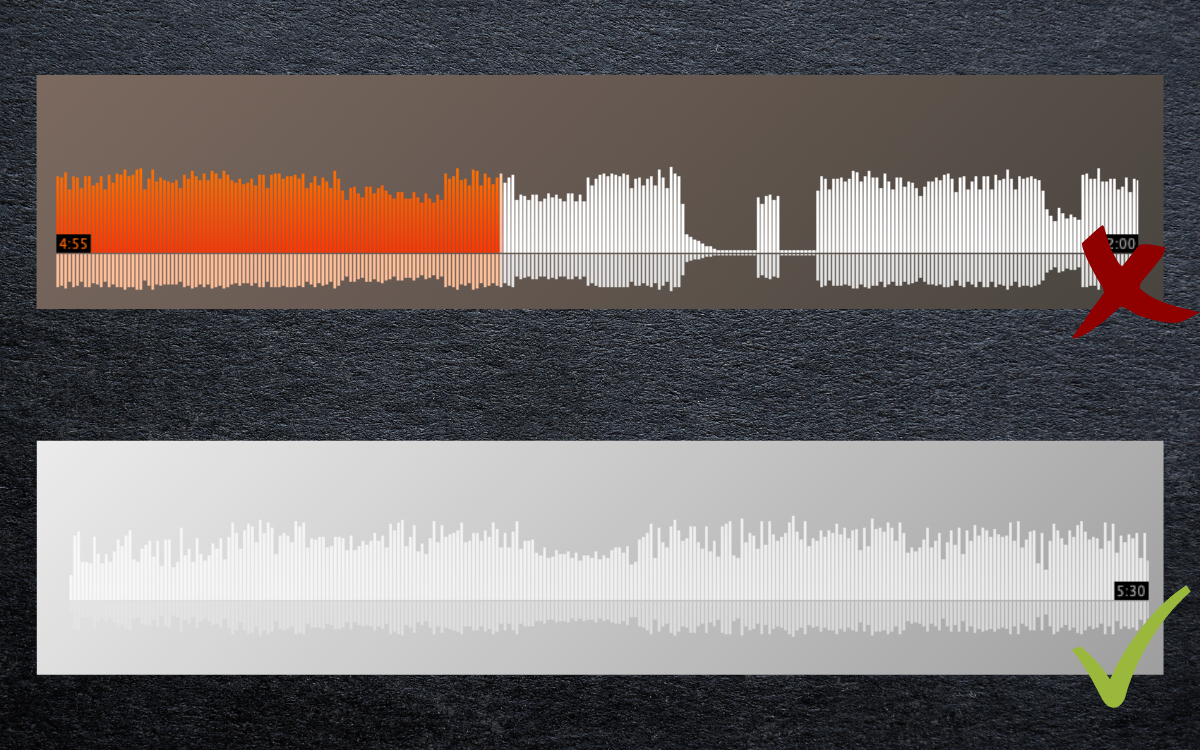
This step might seem overly obvious to some, but I need to count the number of unpolished demos we received at best and, at worst, just basic loops and ideas. The first and absolute most crucial step in the process is to send in a demo that you feel is pushed as far across the finish line as you possibly can get it, where the songwriting is done, the mix is finished, and there is at least a limiter on the master channel so that the demo “feels” like it’s commercially-loud.
Things might change once you’ve built up a working relationship with the record label throughout many successful releases, and you might get to a point where the label A&Rs want to hear the earliest iterations of your demos so that they can have a hand in shaping the sound of the result from the onset. But this will only be true after you have built trust with the label and its team. Until then, send in finished music that you are proud of. After all, this demo will likely be your first or second impression on their team, and you don’t want to blow it by sending them an unfinished idea.
And please don’t send record label mixes or signed releases, hoping some artists on the label will support your music in their DJ sets. That’s just different from how the industry works…
Searching for cost-effective synths? Discover ‘Best Affordable Polysynths: 7 Hardware Synthesizers You Won’t Go Broke Over’ – start your synth journey here.
Step 2: Make Sure It’s Your Best Work
Once you have finished the music you want to send to your favorite record label, hopefully, do another couple of critical listens. I mentioned this in the previous note, but you want to put your best foot forward when sending your music to a label, especially those you are contacting for the first time.
If the record label team is interested in the demos, they will likely check out some of your past releases to get a broader idea of your sound. And if your past releases are miles better than the demo they received, you run the risk of the label team taking that as a slight. At the labels we have worked at, we have passed on demos that we initially thought were solid, only to do some digging on the artists and discover that the demo they sent could have been better.
Get extra ears on your music from your producer friends, other industry connections, and professional critique, as it’s better to be patient and wait until you have the perfect demo to send to the exact label than rush the process. You should be in this for the long haul, and while we know you’re likely very excited about the demo you just finished, you want to make sure that you’ll not be ashamed of the production quality of the song years down the line.
Only send in and release your best work!
Searching for music sources beyond Beatport for your DJ sets? Explore ‘Beatport Alternatives: 6 Other Places to Find and Download Music for Your DJ Sets’ – expand your library here.
Step 3: Make A Private Streaming Link
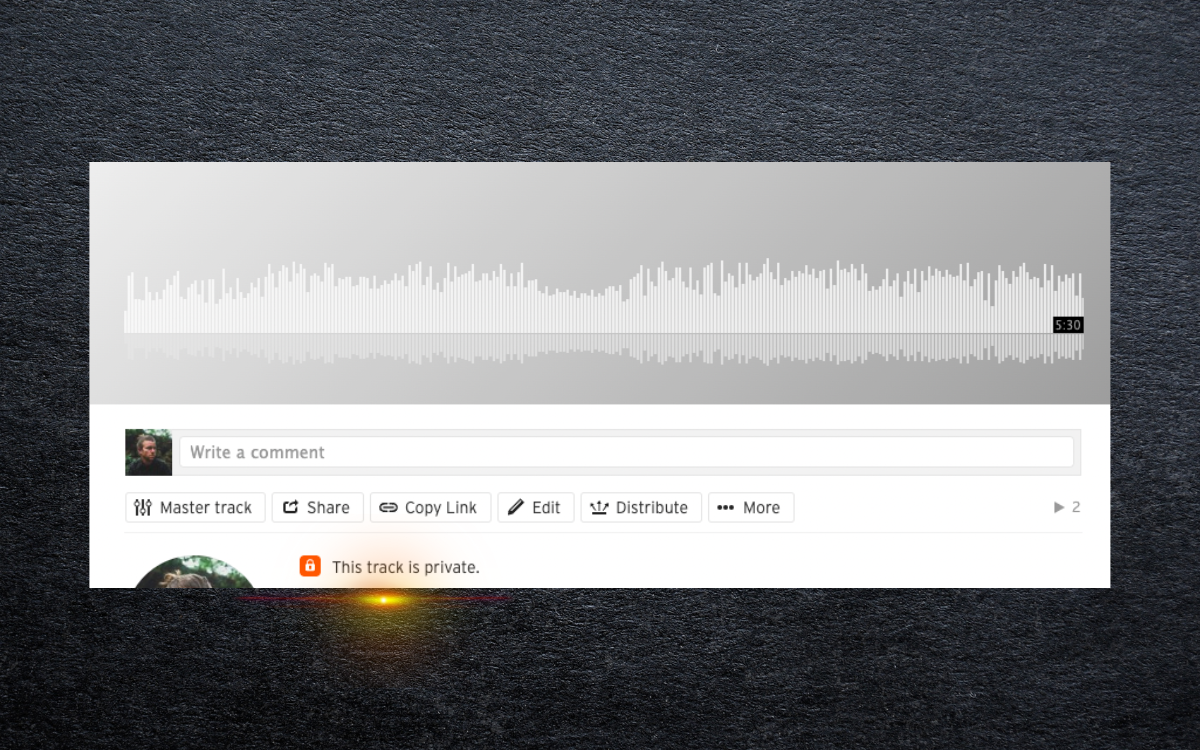
Please do yourself a favor and upload the demo to a streaming platform so that the record label can easily access it. There are several benefits for this that I will be discussing here shortly, but know that for now, you want to remove as much friction between the A&R team and your music and having to download an entirely separate file and load it into iTunes to play is undoubtedly more friction than necessary.
We suggest using SoundCloud for this process, though Dropbox works fine too. SoundCloud has more stats and ways to monitor the release and who is listening to it. But then again, I will be diving into that.
For now, just know that it’s best practice to do whatever you can to minimize the amount of work it takes for the label to hear your music, and you’ll be in good shape.
Deciding between a major, indie label, or going solo? Weigh your options with ‘The Pros & Cons of Signing with a Major Label vs. an Indie Label vs. Staying an Independent Artist’ – find your path here.
Step 4: Write An Email That’s Short And Sweet To THE Label
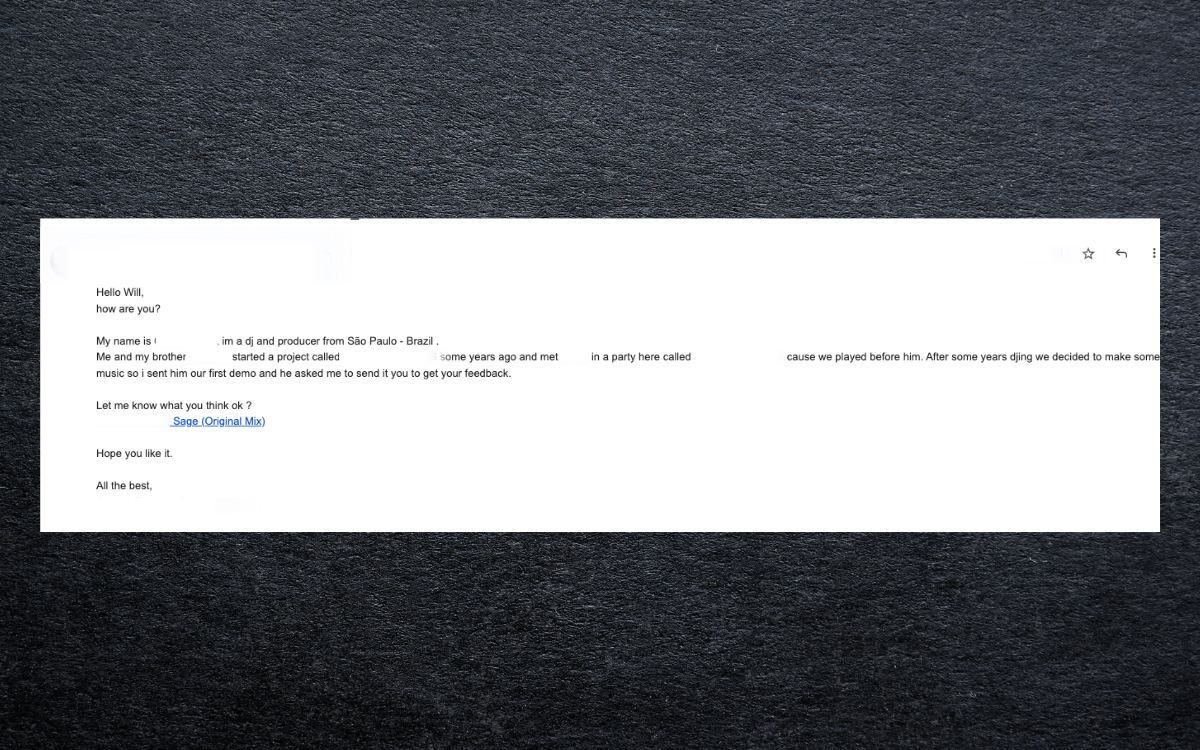
Most music producers are not natural writers, so this task is difficult for many. Add to the fact that I know many producers sending music to labels aren’t natural speakers of the language the label team speaks, and you’ve got yourself a genuinely tricky situation at times.
But all you want to be communicating in this email is a brief and respectful introduction to who you are and get right to the point of linking your demo. There is no need to dive into detail about how young of a producer you are, how long you’ve been producing, or who you’ve shared the stages with. If the label cares, they’ll ask in a follow-up email.
Curious about modern record label revenue strategies? Explore ‘Creative Ways Record Labels Are Making Money these days?’ – delve into the business side here.
We say “THE” label in the header of this section because you DO NOT want to be sending your demos to a wide swath of different record labels. BCCing hundreds of labels into an email thread with a generic and templatized outreach email will hurt your standing in the industry, come off as disrespectful, and waste everyone’s time (your own included).
Please research the best couple of labels you want to get signed with and only send the demos to them. In the long term, they will take notice of your consistent interest, and it will help your cause getting music signed if the label has had a chance to hear your sound develop and grow over many months/years of demos (even if they haven’t signed them).

Step 5: Be Patient And Check The Stats
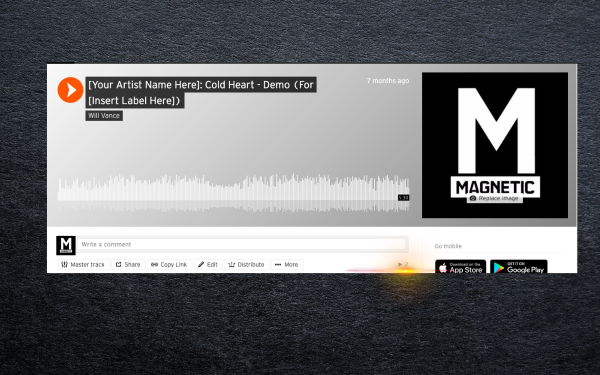
We like using SoundCloud to send in demos to record labels because they come with tools to help monitor who has listened to your demo and where they’re listening from. By uploading a private link that you only send to one destination, AKA the label, you can see when the play count rises that the label team has listened to your demo.
Don’t get ahead of yourself even if you see the play count tick up from 0 to 1. A single listen doesn’t mean much, but if the demo listens continue to increase over the coming days, that likely means that the label is considering the demo for signing. Allow them a few extra days to discuss their decision to move forward with your demo before you start thinking about when’s a good time to send that follow-up email.
Step 6: Follow Up
We’ve always considered two weeks to be the industry standard regarding the time you should wait without a response before sending the label or your contact on their team a follow-up email. Label teams are often very busy, and it can come off as disrespectful and a bit pesty to follow up too early.
And while we know full well how tempting it can be to send an email the moment you see that the A&Rs have listened to your demo, hold your horses and wait for them to come to you. If you have not heard back from them after two weeks, send a polite and short email nudging their response.
Snag Premium House Music Samples Without Breaking The Bank With Our Massive Curated List Of Warm, Punchy Sounds From Across The Internet. Click Here To Get 4k+ Free Sounds and Samples
Step 7: Keep At It
This final step is whether the label wants to sign your music, but the last and final stage of anything in the music industry is to keep pushing forward. Sending demos, getting signed, and making any meaningful waves in the music industry is all about playing the long game, and the best way to ensure that you find success is to keep pushing forward at all costs by…
- Getting back in the studio to make more music.
- Continue building your network of industry connections.
- Growing your online real estate of social media followers and playlist listeners.
- Thinking more about your image, your sound, and how these different dots connect to form your brand.
Do’s And Don’t Of Demo Submission To Record Labels
When submitting demo recordings to music labels, it is essential to follow specific guidelines to ensure your submission is taken seriously. Here are some tips to help you make a great impression and increase your chances of getting noticed:
DO:
- Make sure your demo is of high quality. This means having clear, balanced recordings that showcase your talent and skill. High-quality recordings demonstrate your commitment to your craft and that you take your music seriously.
- Label your demo correctly. Include your name, contact information, and relevant details about the music, such as the genre, tempo, and key. This helps the label understand your music, contact you if interested, and help them find your demo specifically when their inbox is filled with other submissions.
- Choose the right label. Research different labels and ensure that your music style aligns with their taste and the artists they currently represent. Submitting to the right label increases your chances of being noticed and appreciated and saves you time in the long run.
- Follow the submission guidelines. Many labels have specific guidelines for demo submissions, so follow these to the letter. Ignoring these guidelines can result in your submission being disregarded or rejected.
- Be professional. When sending your demo, include a professional email and cover letter. Presenting yourself professionally shows that you are serious about your music and increases the likelihood of a positive response from the label. You’d be surprised at how far you can get in this industry simply by being professional, showing up on time, and being easy to work with. Adam Stark said this on the first episode of the Magnetic Meaning Podcast, but he still needs to mention the concept.
DON’T:
- Only send finished or rough recordings. Make sure your demo is complete and polished before submitting it. Sending unfinished recordings can make you appear unprofessional and reduce the chances of your submission being taken seriously.
- Only send your demo to one label at a time. Focus on one label at a time and tailor your submission to their specific needs. Sending your demo to multiple labels at once can appear spammy and decrease your chances of getting noticed by any of them. As stated above, BCCing a list of labels is a hallmark sign of an unprofessional and unseasoned producer, with whom no label wants to work.
- Pay attention to the submission guidelines. Failing to follow the guidelines may result in your demo being disregarded or rejected. Following the guidelines demonstrates that you have done your research and take the submission process seriously.
- Don’t send unasked follow-ups too early. If a label is interested in your demo, they will contact you. Constantly sending follow-up emails or messages can come across as pushy and unprofessional. Patience and professionalism are key when waiting for a response from a label.
Following these tips can make a great impression and increase your chances of getting noticed in the competitive world of music submissions.
Ever wondered why DJs allow people behind the decks? Find out in ‘Why DJs Let People Behind the Decks: Four Reasons Why They Pack the Booth (Plus a Funny Story)’ – discover the reasons here.
Commonly Asked Questions About Sending Music To Labels

Sending demos to labels can feel like a tricky business, and there is a lot of uncertainty regarding best practices. And after running record labels and being a part of A&R teams for years now, here are the most common questions I’ve encountered on the best practices for getting your music signed by labels.
How Do I Reach Out To Record Labels?
If this is your first time working with the label and you are only aware of them through their online music catalog, then a short and respectful email to their demo inbox is likely the best way to reach out. These demo submissions are rarely hard to find and usually, a quick search on the label’s SoundCloud page will have the appropriate means of getting demos into the hands of their A&R team.
That being said, face-to-face interaction will always govern this industry. While I am not advocating that you carry around your mixtape in your back pocket to every show and gig that you go to, being out and about and networking with the artists who run the label or who have released music on the label before can be an excellent way to get your foot in the door and cut the line to the top of the demo inbox.
Even being active in artists’ Twitch streams and online events can be a great way to get your name into their ears, leading up to when you send them demos. And if you’ve met the artist or label team somewhere, that’s a perfect thing to include in your initial email when you reach out to help them connect your email handle to your face!
Need To Upgrade Your Arsenal Of Softsynths? Check Out The Most Impactful Ones We’ve Used In All Our Latest Productions HERE
When Should I Start Sending Music To Record Labels?
This is a super common question that I think only a few newer artists think about as they excitedly compile the first five songs they’ve ever produced into a potential EP to send to labels. As I mentioned above, you should be in this for the long game, and any music you release now will be attached to your name for decades to come.
Many producers make music for 3-4 years before releasing it. Still, even we think that that’s grossly too soon (except on rare occasions where the producer or artist is some phenom who can create fantastic music with less-than-average experience). Most artists only start hitting their stride and arriving at a unique and compelling sound after producing music seriously for 6-7 years.
Know that more work is added to your plate once you start releasing music. Music promotion, networking, brand building, and more are massive time sinks once you start trying to get your brand off the ground. All of that is likely better spent with your head down in the studio, perfecting your craft and not worrying about pushing and peddling music that you probably won’t love in a few years.
Curious about where DJs find their killer tracks? Check out ‘Where Do DJs Get Their Music? The Complete Guide for Digital Crate Diggers’ – uncover the secrets here.
Why Should I Send Music To Record Labels?
Navigating the music industry can sometimes feel like a solo journey, but aligning with a record label can be a game-changer. It’s no secret that some music labels are criticized for taking significant cuts from artists’ royalties and seemingly offering little in return. Yet, this is not the full story. Partnering with a record label brings a multitude of benefits, each tailored to the unique offerings of the label itself. From industry connections to promotional power, the right label can amplify your reach and impact in ways that solo efforts might not achieve.
Consider the diverse advantages a record label can present:
- Working directly with an artist-owned label, gaining valuable insights and support.
- Gaining access to extensive promotional pools frequented by top DJs, increasing your music’s exposure.
- Participating in live events and parties for more performance opportunities.
- Leveraging the label’s clout to boost your profile and open doors to new signings.
- Accessing vast networks, potentially placing your music on popular Spotify playlists.
- Collaborating with established artists, providing remix opportunities that could elevate your visibility.
- Receiving guidance from seasoned industry professionals who can mentor you through your career’s early phases.
In a recent interview, the benefits of smaller labels were highlighted, particularly their penchant for creative freedom:
“Smaller labels often offer more creative freedom to electronic artists, as they don’t face the same pressure of commercial success and, therefore, typically have a more flexible approach to music production and artist expression.”
This ethos extends to the nurturing environment smaller labels create, focusing on the artist’s unique sound and long-term development rather than immediate commercial gains. For a deeper dive into the advantages of partnering with a label and to understand how smaller labels can serve as catalysts for creative and professional growth, read the full interview. It’s a valuable resource for any artist considering their next steps in the music industry.
What If My Demo Gets Rejected?
The hardest part of this process is keeping your ego in check when a label rejects your demos. We know that artists pour their hearts and souls into their demos, but don’t let a rejection spurn an outcry of bridge-burning rage in your reply.
If the label rejects your demo, just take a deep breath and politely reply, thanking them for your time. It’s always good to ask if you can continue sending them demos as your sound evolves. Labels are always on the hunt for new music and allowing them to hear and see your growth as an artist and producer can only work in your favor.
Final Thoughts On Sending Demos To Record Labels:
In conclusion, submitting a demo to a music label can be a nerve-wracking experience. Still, with the right approach and preparation, it can also be a thrilling and rewarding. Following the dos and don’ts outlined in this article can increase your chances of making a great impression and getting your music noticed. Remember to focus on quality, choose the correct label, follow submission guidelines, and be professional.
The music industry can be competitive, but you can set yourself apart and succeed with the right tools and knowledge. Take the time to research different labels, understand their submission guidelines, and carefully craft your demo to showcase your talent and skills. Above all, believe in yourself and your music, and never give up on your dreams. The music industry is waiting for you, and with hard work and determination, you can make a name for yourself and achieve success.
Interested in monetizing your DJ skills on Twitch? Learn from ‘How DJs Can Make Money on Twitch: Doc Brown Shares How to Get Paid for Your Music’ – unlock the strategies here

Will Vance is a professional music producer who has been involved in the industry for the better part of a decade and has been the managing editor at Magnetic Magazine since mid-2022. In that time period, he has published thousands of articles on music production, industry think pieces and educational articles about the music industry. Over the last decade as a professional music producer, Will Vance has also ran multiple successful and highly respected record labels in the industry, including Where The Heart Is Records as well as having launched a new label with a focus on community through Magnetic Magazine. When not running these labels or producing his own music, Vance is likely writing for other top industry sites like Waves or the Hyperbits Masterclass or working on his upcoming book on mindfulness in music production. On the rare chance he's not thinking about music production, he's probably running a game of Dungeons and Dragons with his friends which he has been the dungeon master for for many years.