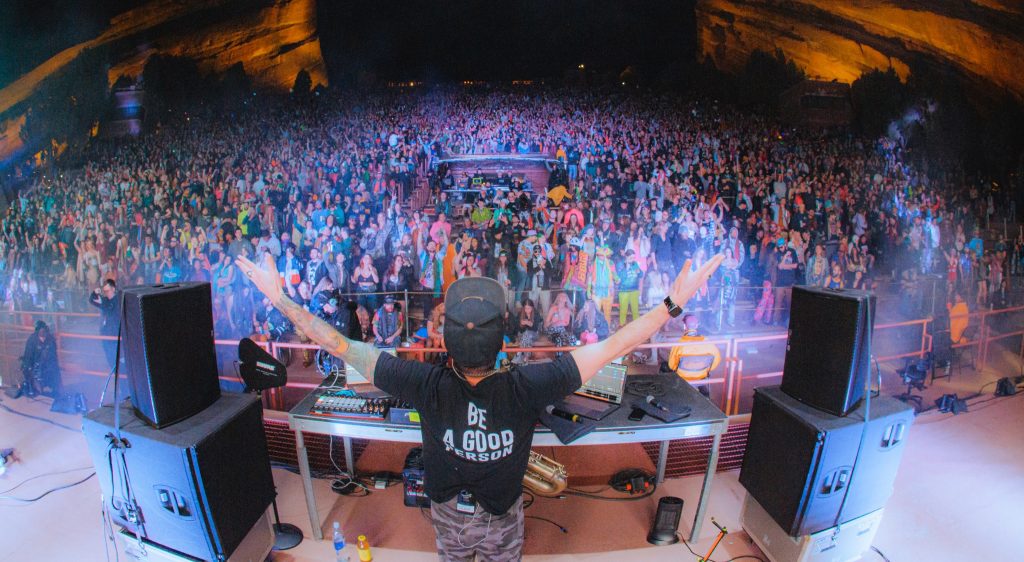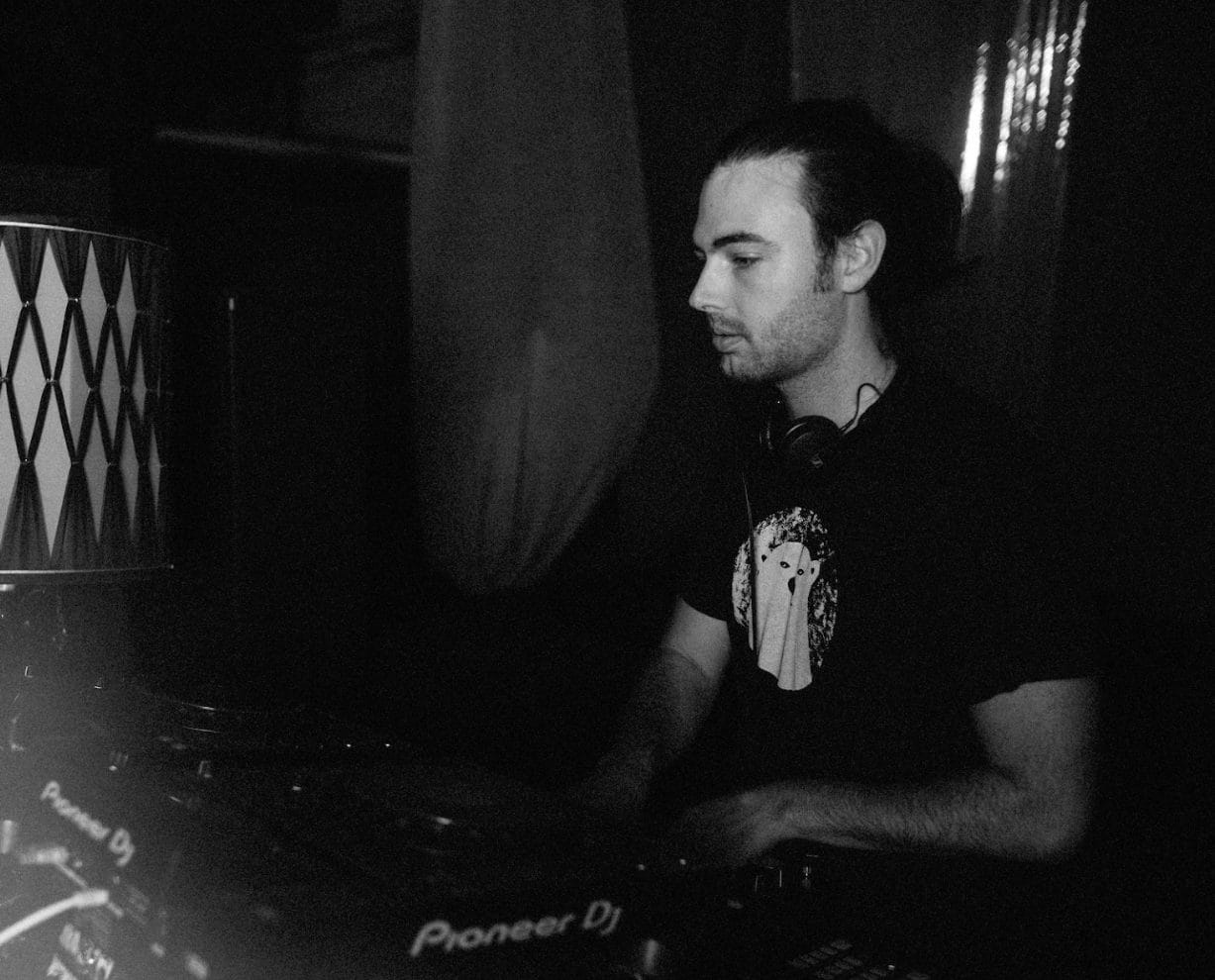
Waxman (@waxmanmusic) returns to Magnetic Magazine Recordings with a remix of Olendo’s “Folklore,” marking a meaningful release for the label on its 60th signing. Out now via Magnetic Magazine Recordings, “Folklore (Waxman Remix)” keeps the original’s emotional center intact while reshaping it into a progressive house record built for late-night sets and patient movement.
Waxman is no stranger to well-crafted melodic and ambient vocal tracks, and this latest remix is a clear fit for the label’s melodic side, giving Waxman space to show the kind of control that makes a remix feel considered rather than decorative.
Snag The Track On Beatport Here
The track also says a lot about Waxman’s perspective as a producer.
Instead of forcing the record into a louder or more trend-driven version of itself, he keeps the pacing measured and lets the arrangement do the work. That approach lines up with the way he talks about music production in the interview below. For him, the point of time in the studio is still the process itself, the hours spent learning, experimenting, making mistakes, and building taste. That mentality is all over this remix.
In the interview below, Waxman talks about AI, the pressure around speed and output, and why attention matters so much in a culture built around interruption. He makes a solid case for staying open to new tools without letting them flatten the reason you started making music in the first place.
That perspective gives “Folklore (Waxman Remix)” some extra context, because the track feels like the result of patience and focus rather than pressure to move faster.
Interview With Waxman

Since AI entered the creative conversation, how has the pressure around speed and output changed for artists?
I think there’s definitely more pressure to constantly be producing and sharing music and content. AI can be a super useful tool with brainstorming, but there’s also a lot of very generic and inauthentic stuff being generated and put out there right now.
Personally, I’m not interested in those kind of shortcuts, but I also don’t think it’s a good idea to fight the current. Embrace the direction things are going and the tools available, just don’t let them take away what you actually enjoy doing.
I’d much rather spend extra time making a track I’m genuinely proud of than rush something out that’s more of the same and boring just to stay visible.

When polished ideas can appear quickly, how should producers think about the value of time spent in the studio?
I don’t think the value has changed at all. The time in the studio isn’t just about getting to a finished track, it’s where you develop your skills and techniques.
Every hour experimenting, making mistakes, or chasing an idea that doesn’t work is teaching you something. Those experiences shape your taste, and I don’t think that’s something technology can shortcut.
The main value is the process itself. If you’re only producing or writing for an end product, you’re not going to enjoy it anyway.
In a faster creative culture, what should artists protect first: attention, taste, patience, or direction?
For me, it’s attention. There are more distractions than before, and it’s easy to spend your creative energy consuming instead of creating.
Some of my best ideas have come from sitting with a single concept for a few hours without feeling the need to check what everyone else is doing. Protecting that uninterrupted time has become increasingly important.
I like to leave my phone in the other room so I’m not reflexively reaching for it.

What helps producers stay grounded when every tool is built to speed things up?
Remembering why you started making music in the first place. New tools can be incredibly useful, and I enjoy experimenting with them, but they’re only valuable if they help you express something you actually want to say.
I try not to let the technology dictate the creative process. If a slower approach gets me a better result, I’m happy to take the extra time.
Again, remembering the value in the process. The process is kind of the best part anyway.
Faster access to ideas sounds useful. Why can it also make artists feel behind?
Because you’re seeing everyone else’s finished ideas without seeing the actual process behind them. It’s easy to compare your work-in-progress to somebody else’s highlight reel and feel like you’re not moving quickly enough.
I’ve found it’s much healthier to focus on making better music than making more music. At the end of the day, listeners rarely remember how quickly a track was made, they remember how it made them feel.


Will Vance is a professional music producer who has been involved in the industry for the better part of a decade and has been the managing editor at Magnetic Magazine since mid-2022. In that time period, he has published thousands of articles on music production, industry think pieces and educational articles about the music industry. Over the last decade as a professional music producer, Will Vance has also ran multiple successful and highly respected record labels in the industry, including Where The Heart Is Records as well as having launched a new label with a focus on community through Magnetic Magazine. When not running these labels or producing his own music, Vance is likely writing for other top industry sites like Waves or the Hyperbits Masterclass or working on his upcoming book on mindfulness in music production. On the rare chance he's not thinking about music production, he's probably running a game of Dungeons and Dragons with his friends which he has been the dungeon master for for many years.