SOCAN and Musical AI just announced a new collaboration aimed at one of the hardest questions in music right now: what happens when a song, recording, or composition helps shape an AI-generated output, and how should the original creators be credited and paid?
SOCAN, Canada’s performing rights organization for songwriters, composers, and publishers, will recognize Musical AI as an approved technology partner for attribution services and related initiatives.
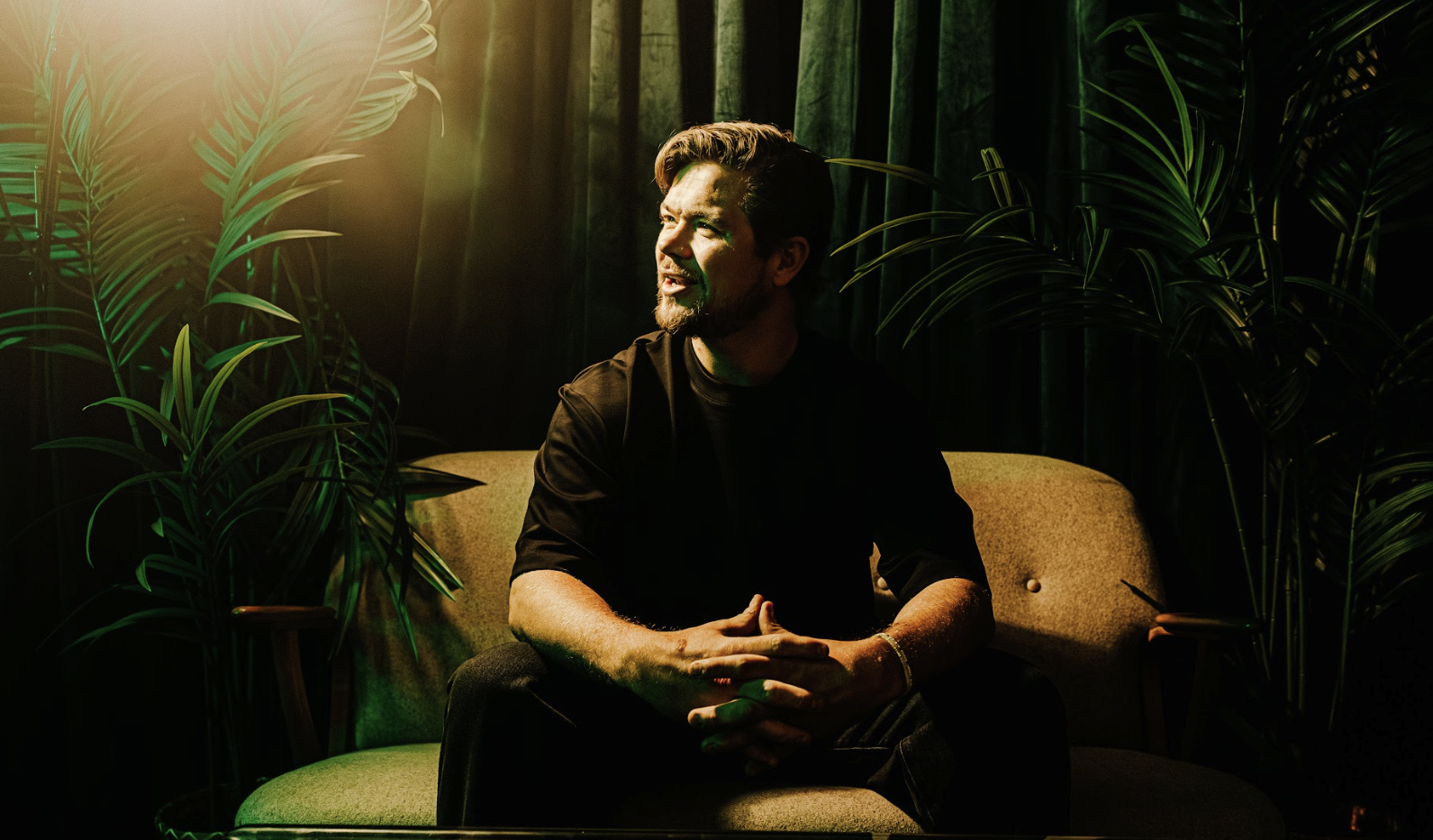
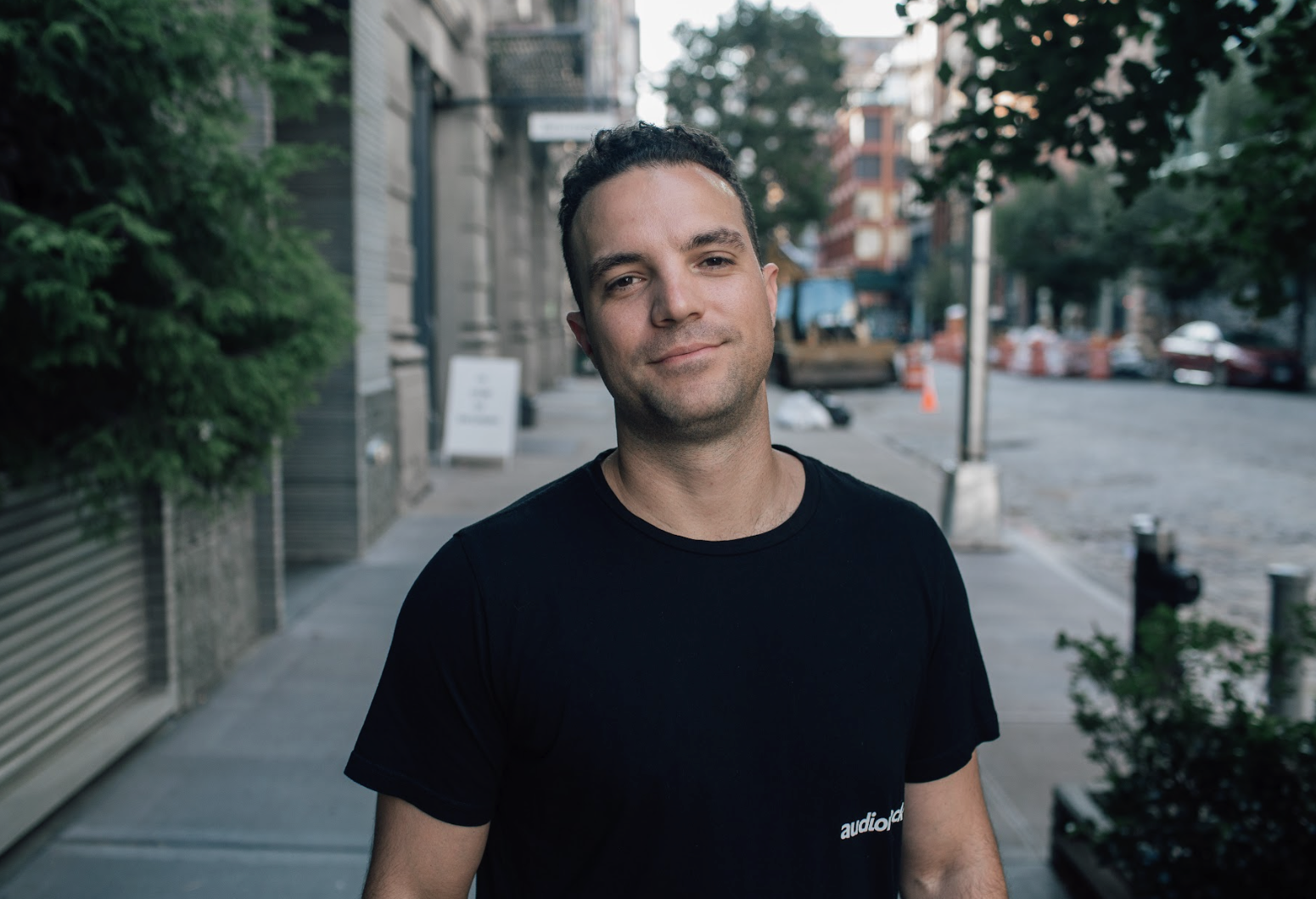
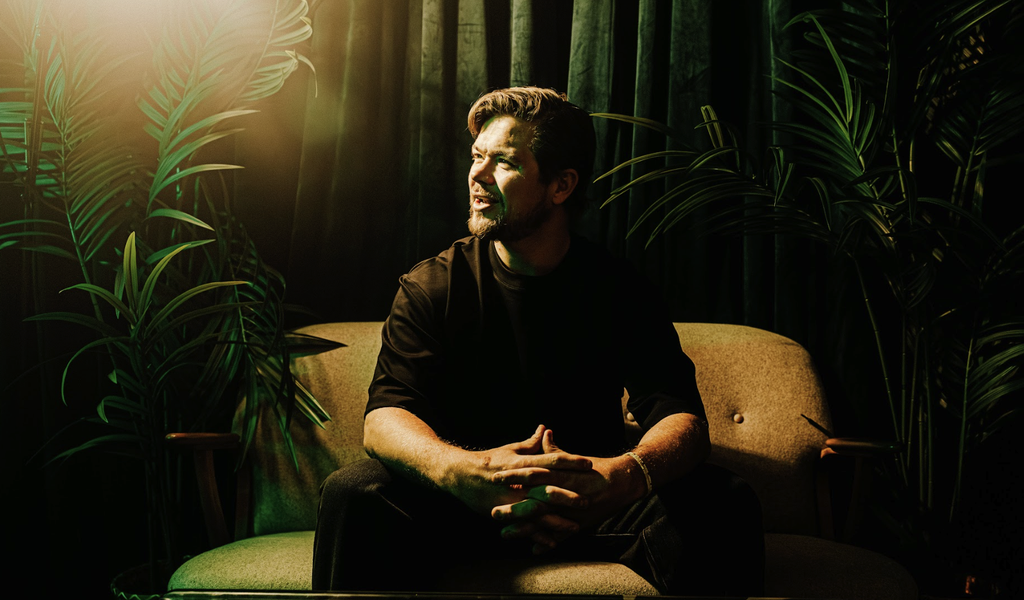
Musical AI is a Canadian company led by Jennifer Brown (pictured above, image credit Brad Ardley) that focuses on consent management and attribution infrastructure for generative music. Together, the two companies will explore systems to identify how music contributes to AI outputs and how that information can inform compensation.
The announcement is built around two clear principles. First, creators should decide how their work participates in AI. Second, creators should receive credit and payment when their work influences an AI-generated output.
That may sound obvious, but the current AI music conversation has often moved faster than the rights systems around it. SOCAN’s involvement makes this announcement more important because PROs already sit at the center of music royalty collection for public performance, broadcast, streaming, and other uses. The unanswered question is how that role should adapt when AI enters the chain.
Why SOCAN’s Role Changes the AI Music Conversation

Performing rights organizations already handle complicated royalty flows.
When a song plays on radio, at a concert venue, in a coffee shop, or on television, PROs collect license fees and distribute money to songwriters, composers, and publishers.
AI-generated music creates a different problem. If an output is influenced by existing works, a rights system needs a way to identify that influence and connect it back to the people whose work contributed to the result.
SOCAN and Musical AI are trying to address that missing layer. The collaboration will explore attribution technologies in Canada and how they could support SOCAN’s ability to compensate songwriters, composers, and publishers when their music is used in AI-generated outputs.
That makes this a rights-infrastructure story as much as a music-tech story. The point is not simply whether AI can generate music. The real question is whether the industry can build a system in which consent, reporting, and money can move with sufficient accuracy to protect human creators.
Consent Comes First in the SOCAN and Musical AI Model
The partnership starts with opt-in use. That part is critical because many artists, writers, and publishers have been worried about their catalogs being used for AI training or output generation without permission.
Musical AI’s consent management systems are designed to make creator choices clearer, more structured, and easier to scale. For songwriters and publishers, that could mean a more formal way to say yes or no to AI uses, instead of waiting for disputes after a model or output is already in the market.
Sean Power, CEO of Musical AI, put the order plainly: “The first step is consent.” Attribution comes next, because once a creator has allowed a use, the system still needs to show how their music contributed to the output and how value should flow back.
That distinction is important because consent alone does not solve payment. Attribution alone does not solve permission. SOCAN and Musical AI are trying to connect the two.
Attribution Has to Work Across Songs and Recordings
One of the more important details here is that Musical AI’s attribution technology separately assesses influence connected to sound recordings and musical compositions. That distinction matters because music rights are split across different layers.
A recording and a composition are different rights. A vocal performance, master recording, melody, lyric, chord movement, or production element may each sit in a different part of the rights conversation. A system that only looks at one layer will miss part of the issue.
Musical AI’s reporting can support accountability, licensing, and compensation. The company’s technology is being positioned almost like a new kind of split-reporting system for AI outputs, where influence can be tracked and used to guide payments.
That fits into a larger shift I have been tracking in music technology. My coverage of BandLab Technologies acquiring Aiode, an AI studio built around licensed musician models looked at a similar idea from the creation side: AI music systems are becoming easier to defend when permission and licensing are part of the product from the start.
Musical AI Gives SOCAN a Technology Partner for a New Rights Problem
SOCAN’s core role is protecting and paying music creators. Musical AI gives SOCAN a technology partner for a rights issue that cannot be handled with old reporting models alone.
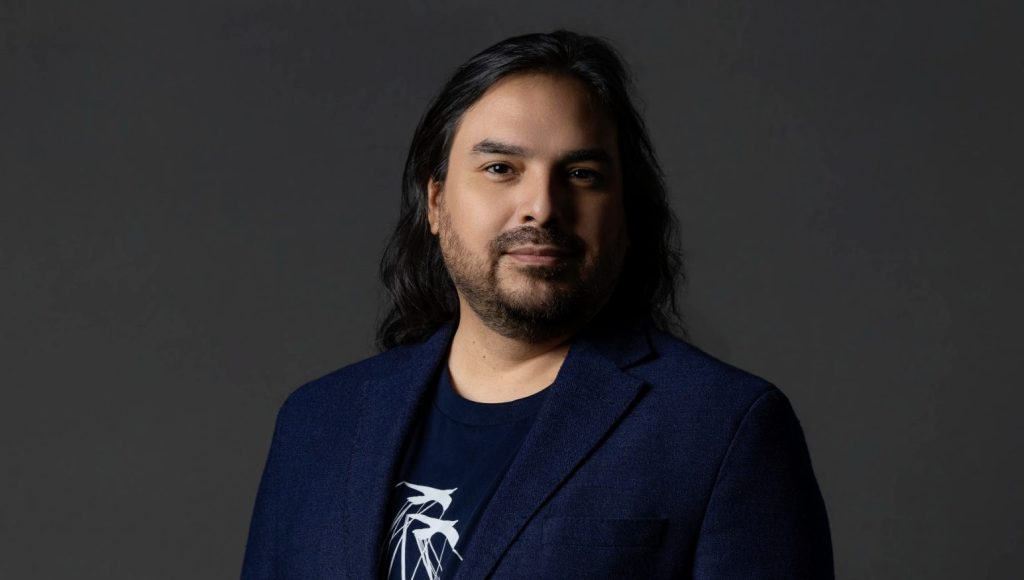
Jennifer Brown, CEO at SOCAN, said creators need “transparency, credit and fair compensation” as AI changes the music industry. That statement gets to the center of the issue. A rights organization cannot pay people properly if it cannot identify how their work was used.
That is why attribution technology matters. It gives PROs, publishers, and rights holders something more concrete than broad claims about influence. If the system can generate reliable reporting, it may help turn AI music from an unresolved legal fight into a licensable category with clearer rules.
There is still a lot to work out. The announcement says SOCAN and Musical AI will continue exploring appropriate uses, attribution guidelines, and future product offerings. That careful language is worth noting because this is early infrastructure, not a finished global standard.
What This Could Mean for Songwriters, Composers, and Publishers
For songwriters and publishers, the main takeaway is control. If Musical AI’s consent and attribution systems work at scale, creators could have a clearer way to decide whether their work can participate in AI, then receive reporting and compensation when it does.
For music companies, the takeaway is licensing. AI music systems will have an easier time gaining trust if they can show where influence came from and how payments are handled.
For producers and artists using AI-assisted software, this could also shape the next wave of products. My coverage of EASTWEST’s AI partnership with ACE Studio pointed toward AI systems built around professional sound libraries and expressive control. The SOCAN and Musical AI partnership addresses the next question those systems raise: how does credit flow once AI touches licensed music?
That is why this announcement is worth watching. It does not settle the entire AI music rights debate, but it gives the industry a more concrete direction: opt-in consent, attribution reporting, and creator compensation tied to how music actually influences AI-generated output.

Will Vance is a professional music producer who has been involved in the industry for the better part of a decade and has been the managing editor at Magnetic Magazine since mid-2022. In that time period, he has published thousands of articles on music production, industry think pieces and educational articles about the music industry. Over the last decade as a professional music producer, Will Vance has also ran multiple successful and highly respected record labels in the industry, including Where The Heart Is Records as well as having launched a new label with a focus on community through Magnetic Magazine. When not running these labels or producing his own music, Vance is likely writing for other top industry sites like Waves or the Hyperbits Masterclass or working on his upcoming book on mindfulness in music production. On the rare chance he's not thinking about music production, he's probably running a game of Dungeons and Dragons with his friends which he has been the dungeon master for for many years.