Ethan Ramos (@ethvnrvmos) opens a new chapter with Workaholic, the debut release on his new imprint, Unleaded Records. Known as one half of California house duo SHIFTY, this EP marks his first solo statement and introduces the label’s focus on groove-driven house music built around thoughtful songwriting and purposeful sound design.
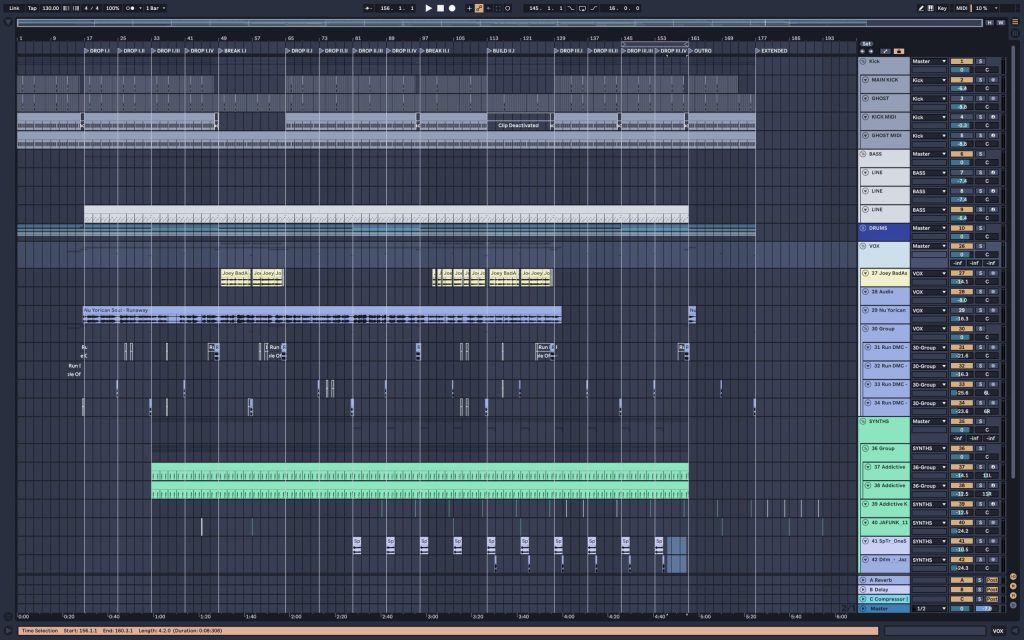
The title track grew out of a realization Ramos kept encountering throughout his career as an artist and entrepreneur. Constantly chasing progress can pull you away from the present moment. Centered around a spoken-word sample about stepping back, reconnecting with yourself, and recharging before moving forward, Workaholic balances introspection with a club-focused groove.
Rather than relying on dense arrangements, the production leans on jazz-inspired chords, careful sound selection, and a tight relationship between the bassline and drums to carry the record.
Below, Ramos breaks down the core tools behind the production, from Serum 2 and Waves R-Bass to RC-20 Retro Color, along with a few lessons he’s learned about keeping house music simple, musical, and effective.
Xfer Serum 2
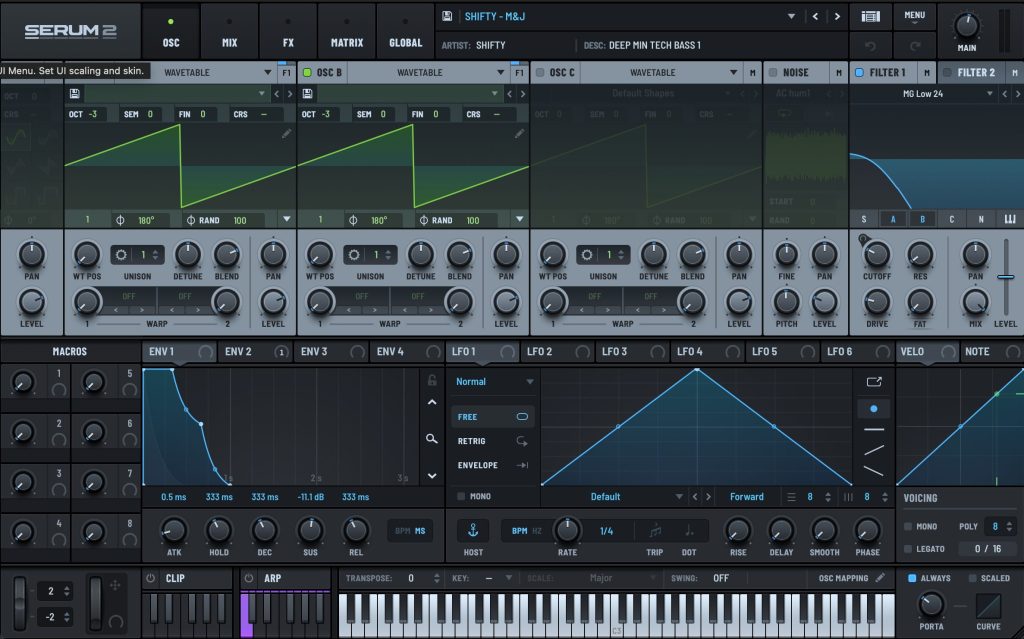
Serum 2 has become my absolute go-to synth when creating basses because it strikes the perfect balance between flexibility and workflow. The wavetable engine is incredibly powerful while still being intuitive enough to move quickly when writing ideas. Between the wavetable system, built-in effects, and extensive modulation options, it’s capable of everything from thick basses to subtle textures and lead sounds. It’s one of those synths that consistently helps me turn ideas into finished sounds without slowing down the creative process.
On Workaholic, I used Serum 2 primarily for the bassline. I started with a custom preset called “M&J” from my SHIFTY sample and preset pack, inspired by the sound of Mil & Jes, now known as Ammil and Mil Jes. Instead of building an overly complicated patch, I focused on a bass that already sounded full while leaving room to shape the attack, decay, sustain, and release around the groove. I also routed an LFO to the filter cutoff so I could introduce small changes in the midrange and upper harmonics over time. Those subtle movements helped the bass stay interesting without distracting from the rhythm.
For groove-driven house music, I think Serum works best when it supports the track’s movement rather than trying to dominate it. Small amounts of automation usually go much further than complex modulation. Leaving space is often just as important as creating interesting sounds, and finding that balance helps listeners connect with the groove rather than becoming overwhelmed.
Waves R-Bass
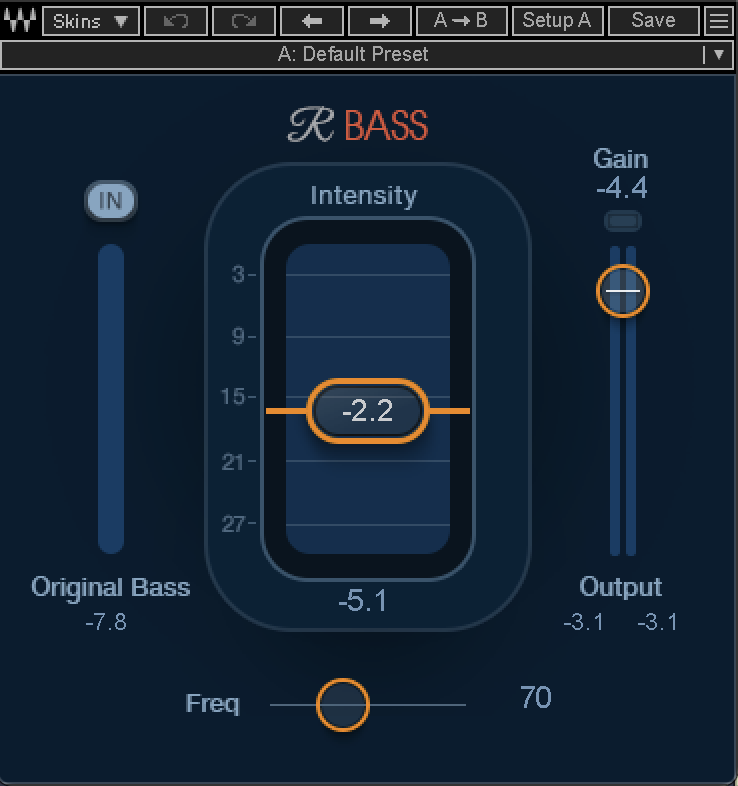
Waves R-Bass has been a staple in my workflow for years because it generates harmonic content that helps bass translate across different playback systems. Instead of simply boosting sub frequencies, it creates upper harmonics that make low-end feel fuller and more present without becoming muddy. That makes it especially valuable in dance music where your bass needs to hold up on club systems, headphones, and car speakers alike.
On Workaholic, R-Bass played an important role in making the bassline feel full without competing with the kick drum. I apply it directly to the bass channel instead of the master because I prefer treating each sound individually. The goal wasn’t making the bass louder. It was making it more audible across different listening environments while keeping the low end controlled. After R-Bass, I use sidechain processing triggered by the kick to maintain a clean relationship between those two elements.
One lesson I’ve learned is that less is almost always more with R-Bass. It’s easy to overdo it and end up with a muddy mix, especially in house music where the low end drives everything. I recommend applying it only to the bass channel and spending time finding the frequency that complements your sound. Around 70 to 80 Hz has consistently been the sweet spot for me.
XLN RC-20 Retro Color
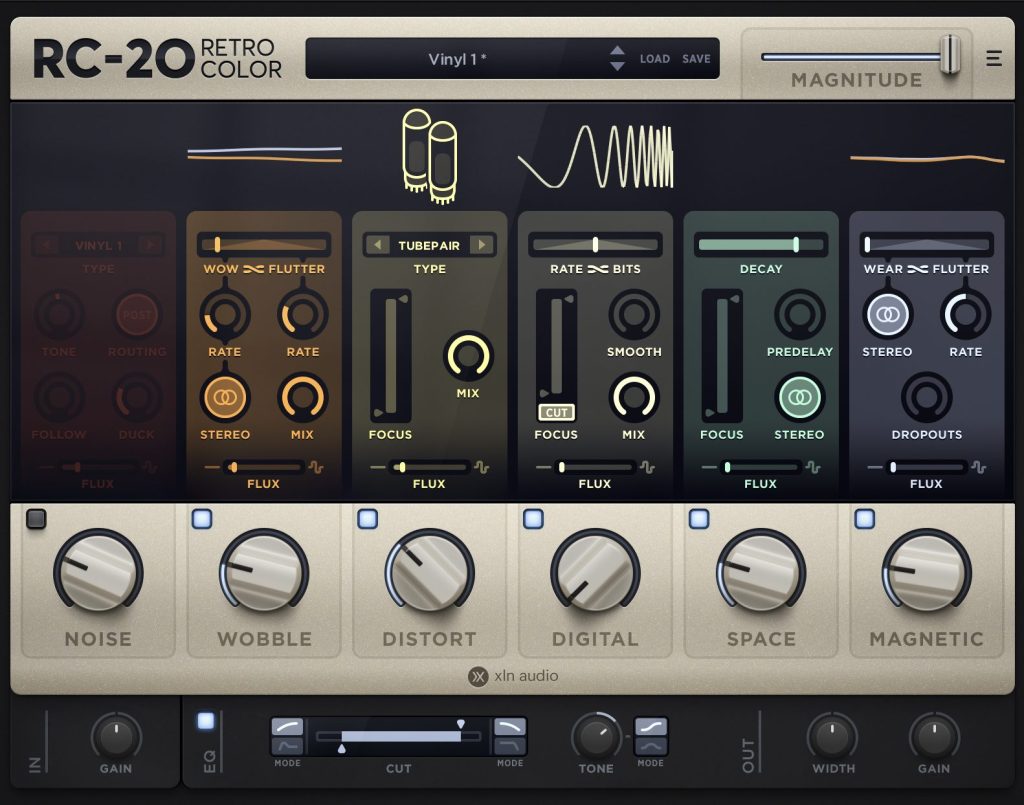
RC-20 Retro Color is one of my favorite creative plugins because it adds texture, character, and personality to otherwise clean digital sounds. It combines noise, distortion, wobble, saturation, filtering, and several other processing modules into a straightforward workflow. What makes it special is how quickly it can transform something modern into a sound that feels worn-in and organic.
On Workaholic, I used RC-20 across several melodic elements to introduce warmth and movement. Rather than relying on heavy presets, I applied small amounts of wobble, distortion, and ambience while automating selected parameters throughout the arrangement so the track continued evolving over time. One feature I use regularly is the Stereo option inside the Wobble module, which helps widen synths and keys without overwhelming the mix.
For producers making groove-focused house music, RC-20 is an excellent way to add depth without adding more layers. Finding a balanced combination of its modules can completely change the personality of a sound while keeping the arrangement uncluttered. I think the plugin works best when listeners don’t consciously notice it, they simply feel the extra character it adds to the record.
Quick Fire Tips For Making House Music
1. Every sound should serve a purpose. If an element doesn’t improve the groove or support the emotion of the track, remove it.
2. Build your relationship between the kick and bass before worrying about everything else. That foundation determines how the entire record feels on a sound system.
3. Small automation moves create long-term interest. Tiny filter changes, subtle modulation, and evolving textures often have a bigger impact than constantly introducing new layers.


Will Vance is a professional music producer who has been involved in the industry for the better part of a decade and has been the managing editor at Magnetic Magazine since mid-2022. In that time period, he has published thousands of articles on music production, industry think pieces and educational articles about the music industry. Over the last decade as a professional music producer, Will Vance has also ran multiple successful and highly respected record labels in the industry, including Where The Heart Is Records as well as having launched a new label with a focus on community through Magnetic Magazine. When not running these labels or producing his own music, Vance is likely writing for other top industry sites like Waves or the Hyperbits Masterclass or working on his upcoming book on mindfulness in music production. On the rare chance he's not thinking about music production, he's probably running a game of Dungeons and Dragons with his friends which he has been the dungeon master for for many years.