The best vocal transformation plugins for producers are the ones that let a voice become part of the production idea instead of sitting there as a dry lead that needs polish later. I have always liked vocal tools that can push a take into a hook, a pad, a harmony stack, a resampled texture, or a playable part without requiring me to build a chain from six separate inserts.
That is the lane I am looking at here, and it is a better keyword than a broad vocal plugin roundup because this keyword sits outside cleanup, de-essing, and basic pitch repair.
I am focusing on plugins I have reviewed on Magnetic, plus one or two review pieces from the team that fit the category too closely to leave out.
The caveat is that Polyverse Manipulator, Soundtoys Little AlterBoy, and iZotope VocalSynth 2 are all relevant to this search, although I haven’t done dedicated reviews of them just yet. So those stay in the on-radar table rather than getting treated like tested picks.
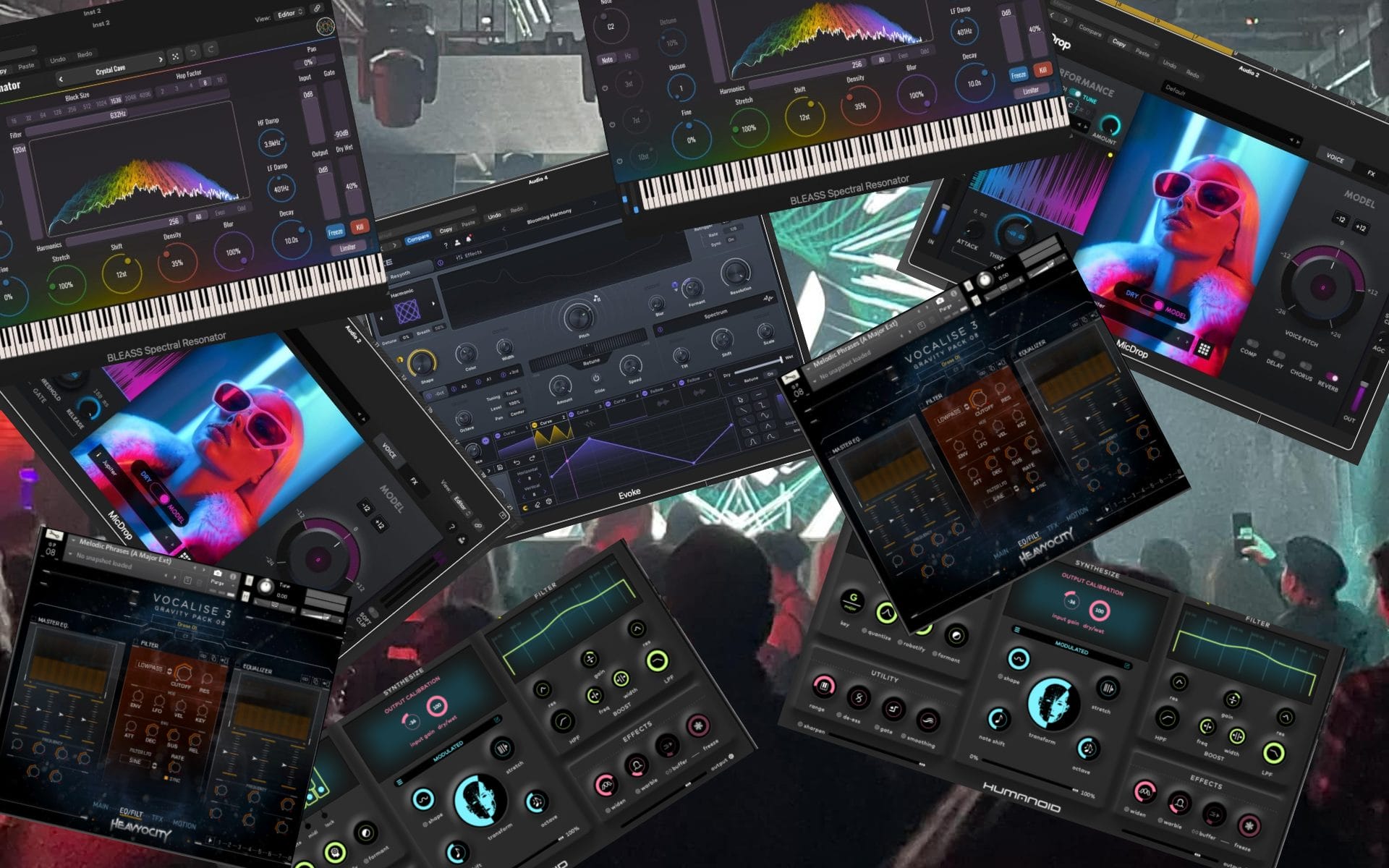
For the main list, I wanted each entry to answer a different part of the same question: do you need tuning, resynthesis, AI voice models, harmonies, spectral processing, or a vocal instrument? Mainly so that you can get a first-hand way to frame the best vocal transformation plugins for producers in 2026, because the right choice depends on what role the vocal needs to play in the track.
| Plugin | Category caveat | Best fit | Why I am including it |
|---|---|---|---|
| Minimal Audio Evoke | Full vocal transformation suite | Producers who want tuning, formant shifting, vocoding, and resynthesis in one place | The most complete Magnetic-tested pick for turning a vocal into a new production element |
| Baby Audio Humanoid | Character-heavy vocal processor | Producers who want hard-tuned, synthetic, and MIDI-driven vocal parts | Editor’s Choice pick with FFT retuning, resynthesis, formant control, and custom wavetable options |
| Soundlabs MicDrop | AI voice model transformer | Producers who want to reshape a vocal into another singer, talkbox, choir, or instrument model | The DAW-based ethical AI angle makes it the most specific voice-model tool here |
| BLEASS Spectral Resonator | Spectral processor, not a vocal-only plugin | Producers who want vocals to trigger playable harmonic layers | It sits between a resonator, vocoder, shimmer effect, and sound-design instrument |
| Waves Harmony | Harmony generator rather than full vocal mangler | Singer-producers, live acts, and writers who need fast harmony stacks | It creates up to eight harmonies from one voice and keeps the workflow fast |
| Heavyocity Vocalise 3 | Kontakt vocal instrument, not a processor for your own vocal | Producers who want vocal phrases, riffs, and one-shots as source material | It gives you a processed vocal library that can act like its own instrument |
Minimal Audio Evoke

Minimal Audio Evoke is the most complete answer in this list because it handles tuning, formant movement, vocoding, and real-time resynthesis within a single focused environment. In the original review, the core problem was simple: when I start with a vocal sample, I am usually stuck with that voice unless another plugin can move it far enough from the source. Evoke felt built around that exact frustration, because it can take a vocal and push it from simple tuning into material that no longer feels tied to the original take.
Compared with Humanoid, Evoke feels like the broader vocal workstation, while Humanoid feels like the faster character move when I want the voice to feel synthetic right away. The review called it one of the single best tools I have used for vocals, and that opinion still tracks for this keyword because it can replace a longer chain without making the session feel scattered.

I would reach for it first when the vocal needs to become a core writing device instead of a corrected lead. It also earns a high spot because it is not locked to one trick, so producers can use it for subtle formant changes, obvious vocoder parts, or full resynthesis experiments. If I were picking the safest first purchase from this article, Evoke would be the one.
Baby Audio Humanoid
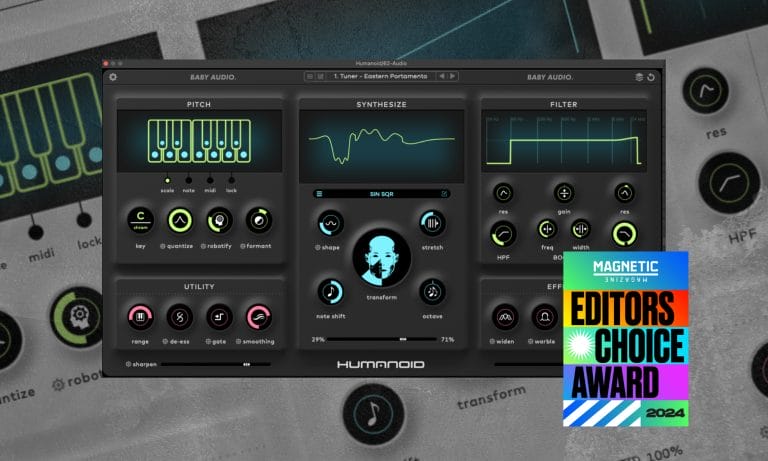
Baby Audio Humanoid is the pick I would use when I want the vocal to feel intentionally processed from the start. In the review, I framed it around voice manipulation, resynthesis, and hard-tuned textures that go past basic pitch correction or reverb.
The FFT-based retuning engine is the technical core because it breaks the vocal down into frequency components and lets the plugin pitch-shift with enough accuracy to keep the result from sounding thin or unstable. The formant control is where Humanoid moves past cleaner tuning, since it can move the tone from low and distorted to high and synthetic without making the workflow feel heavy.

Compared with Evoke, Humanoid feels more immediate and more direct when the goal is a hook, ad-lib, or vocal chop that clearly needs an altered identity. I would use Evoke when I want a wider vocal lab, and I would use Humanoid when I already know the vocal needs a harder stylistic push. The MIDI mode also matters because it lets you play notes and harmonies rather than treating the plugin as a static insert.
That makes it one of the easiest Magnetic-tested picks to recommend for electronic producers who want the voice to act like a lead part or bass-adjacent layer.
Soundlabs MicDrop
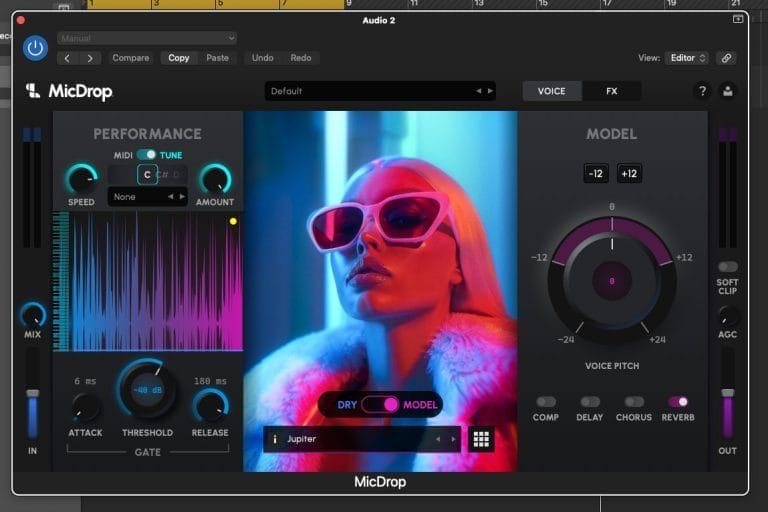
Soundlabs MicDrop is the most specific transformation tool in this roundup because it is built around ethically trained AI voice models inside the DAW. In the review, the main point was that you do not have to leave the session, upload a vocal to a website, buy credits, wait for processing, download the result, and bring it back in.
MicDrop keeps that voice-model workflow inside the production environment, which matters if you are trying to test ideas quickly instead of making vocal design feel like admin.
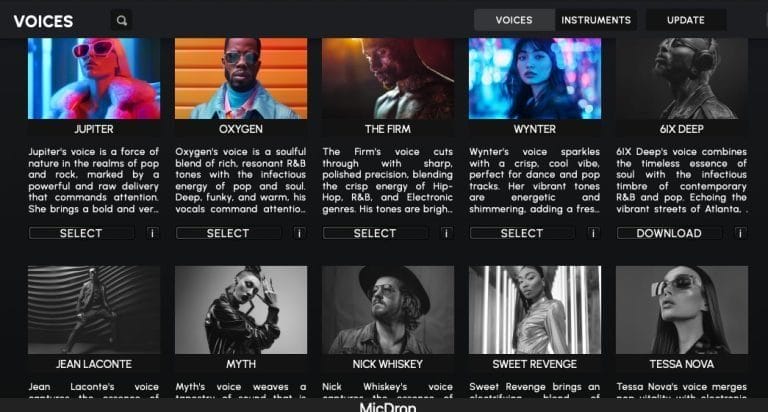
The 12 core models, including Jupiter, Oxygen, The Firm, and Wynter, give the plugin a range of singer-style colors, talkbox-style results, choir options, and instrument models. Compared with Evoke and Humanoid, MicDrop is less about pitch and formant design as abstract controls and more about turning the input into a new model-based result. The gate and tuning settings are the part I would tell readers to learn first, because the review made it clear that each vocal needs those adjusted before the model behaves cleanly.
This also connects directly with the Soundlabs conversation with BT and Lacy Transeau, where BT said, “It’s so cool seeing people find these wild uses for sound design. I love it.”
That quote gets to why MicDrop belongs here, because the best use case is controlled vocal transformation with a clear ethical data angle.
BLEASS Spectral Resonator
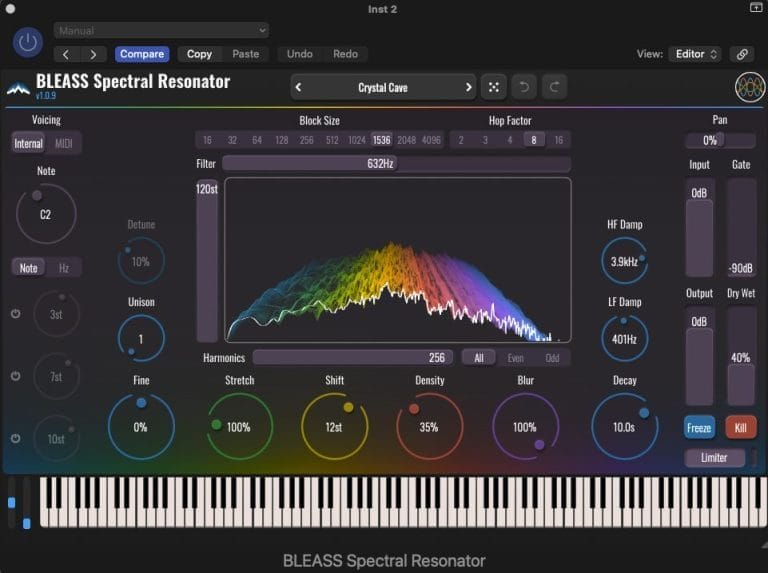
BLEASS Spectral Resonator needs a caveat because it processes many source types, yet it can transform vocals in a way that very few normal vocal plugins can. In the review, I liked that BLEASS took a technical idea, spectral analysis with harmonic generation, and made it feel approachable enough to use in a real session. The plugin analyzes incoming audio and generates resonant harmonic layers from that input, which can then be stretched, shifted, blurred, detuned, frozen, and filtered.
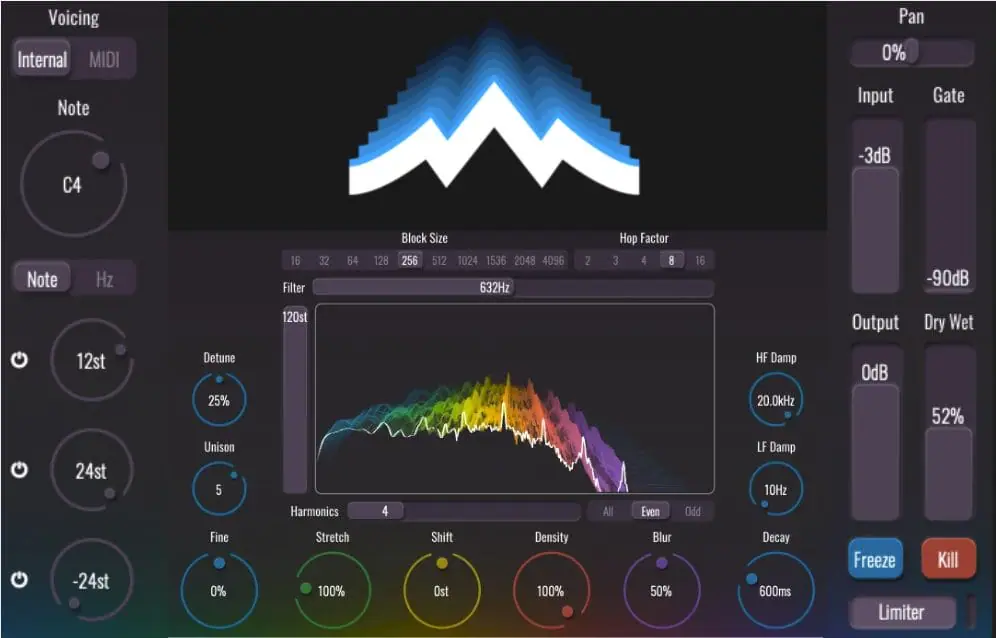
On vocals, that means the singer can become the trigger for pads, resonant tones, and playable harmonic material rather than staying in a standard lead-vocal lane. Compared with MicDrop, this is not about changing the singer’s identity; it is about turning the vocal into harmonic fuel for a new part. Compared with Waves Harmony, it is also less about correct harmony writing and more about spectral tone design.
The MIDI side is why it fits this article so well: you can feed in a vocal and then use MIDI chords to guide the harmonic output in real time. I would use this when a vocal phrase needs to become air, tension, or a musical texture that still follows the phrasing of the original performance.
Waves Harmony
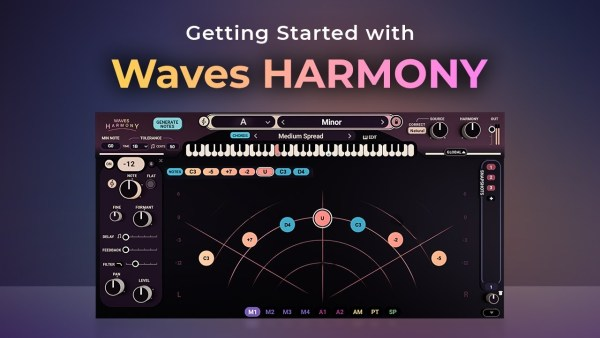
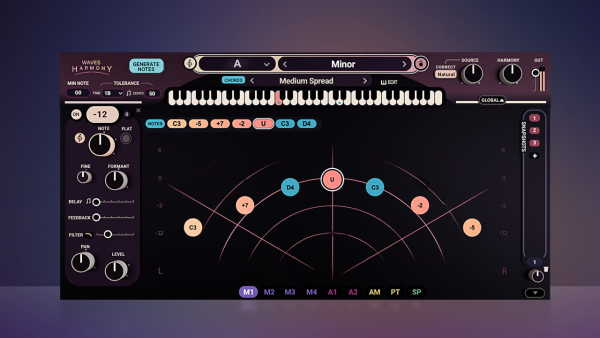
Waves Harmony is the most direct choice here for producers who need a single vocal to become a harmony stack without recording a pile of extra takes. In my review, I focused on how it can generate up to eight harmonies from one voice, which is still the main reason it belongs in a vocal transformation article.
The automatic mode gives you fast results through chord presets, the MIDI mode lets you play the harmony notes from a keyboard, and the graphical mode lets you shape sections with tuning, formant movement, delay, filtering, and panning. Compared with Humanoid, Harmony is less about making the voice feel synthetic and more about building a controlled supporting part around the lead. Compared with Vocalise 3, it works from your own vocal rather than giving you a prebuilt vocal library.
This reminds me of Rowland Giles walking through “Only With You”, where he said, “I do a lot of writing, singing, recording, and vocal processing on my own.” That is exactly the kind of producer Harmony is made for, because it helps a self-recording writer build width and support without needing a full vocal session. I would reach for it when the job is harmony speed, live reliability, or quick vocal expansion rather than extreme transformation.
Heavyocity Vocalise 3
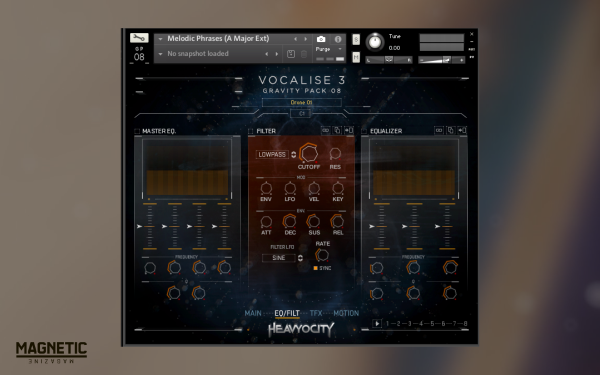
Heavyocity Vocalise 3 is the biggest caveat in the main list because it is a Kontakt vocal instrument rather than a plugin that processes your own voice.
I still think it belongs here because plenty of producers searching for vocal transformation are really looking for ways to turn voice into playable production material. In my review, I focused on how the library is packed with processed vocal performances, one-shots, riffs, and tempo-synced melodic phrases. The vocals were recorded by two singers, Carla and Kristin, at Heavyocity’s studio in New York, then shaped inside the Gravity engine.

Compared with Waves Harmony, this is not about generating support around a lead vocal that already exists. Compared with Evoke or Humanoid, it is not about taking one vocal and mutating it through processing. Its value is that the vocal source is already built to be played, arranged, and shaped like an instrument inside Kontakt.
I would use it when I need vocal color in a track but do not have a singer, phrase, or sample that fits the part yet.
Honorable Mentions I Have Not Reviewed Yet
These plugins fit the search intent, and a few of them have appeared in Magnetic artist features, sale posts, or production breakdowns. I would keep them as on-radar options until I have full review notes from my own session time.
| Plugin | Why it is on my radar | Best fit | External link |
| Polyverse Manipulator | Built for pitch, formant, harmonics, and timbral changes on monophonic audio | Producers who want aggressive pitch and tone reshaping | Polyverse Manipulator |
| Soundtoys Little AlterBoy | A simple pitch and formant shifter with hard-tune, robot, vocoder-style control, and tube drive | Producers who want fast vocal character moves with minimal setup | Soundtoys Little AlterBoy |
| iZotope VocalSynth 2 | A multi-engine vocal processor with five blendable modules and studio effects | Producers who want vocoder-style layers, talkbox tones, and stacked vocal effects | iZotope VocalSynth 2 |
| Klevgrand Altitude | A newer vocal performance station with pitch correction, harmonies, MIDI voice playability, and modulation | Producers who want one real-time vocal hub for writing and live use | Klevgrand Altitude |
Wrapping Things Up
The best vocal transformation plugins for producers in 2026 depend on how far you want the vocal to move from the original take. Minimal Audio Evoke is my safest top pick when I want a broad vocal processing center that can tune, shift, vocode, and resynthesize from one place. Baby Audio Humanoid is the better pick when vocals need a clearly processed identity fast, especially for hooks, chops, and synthetic layers.
Soundlabs MicDrop is the choice for model-based voice transformation in the DAW, with consent-based training behind the product. BLEASS Spectral Resonator is the caveat pick for turning vocals into playable harmonic material rather than treating them like standard lead parts. Waves Harmony is the fast harmony builder, and Heavyocity Vocalize 3 is the vocal-instrument option when I need prebuilt source material instead of processing my own take. I would keep Polyverse Manipulator, Little AlterBoy, VocalSynth 2, and Klevgrand Altitude on the short list for a later update once I have enough review time with them.
If I were buying one today for the widest range of producers’ needs, I would start with Evoke, then add Humanoid or MicDrop, depending on whether I wanted synthetic pitch character or AI voice model transformation.

Will Vance is a professional music producer who has been involved in the industry for the better part of a decade and has been the managing editor at Magnetic Magazine since mid-2022. In that time period, he has published thousands of articles on music production, industry think pieces and educational articles about the music industry. Over the last decade as a professional music producer, Will Vance has also ran multiple successful and highly respected record labels in the industry, including Where The Heart Is Records as well as having launched a new label with a focus on community through Magnetic Magazine. When not running these labels or producing his own music, Vance is likely writing for other top industry sites like Waves or the Hyperbits Masterclass or working on his upcoming book on mindfulness in music production. On the rare chance he's not thinking about music production, he's probably running a game of Dungeons and Dragons with his friends which he has been the dungeon master for for many years.