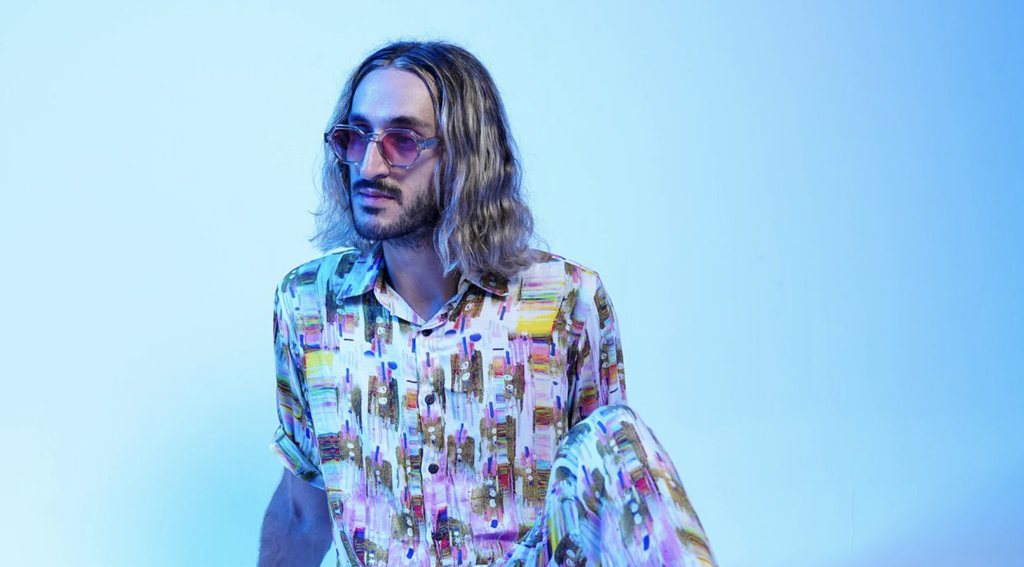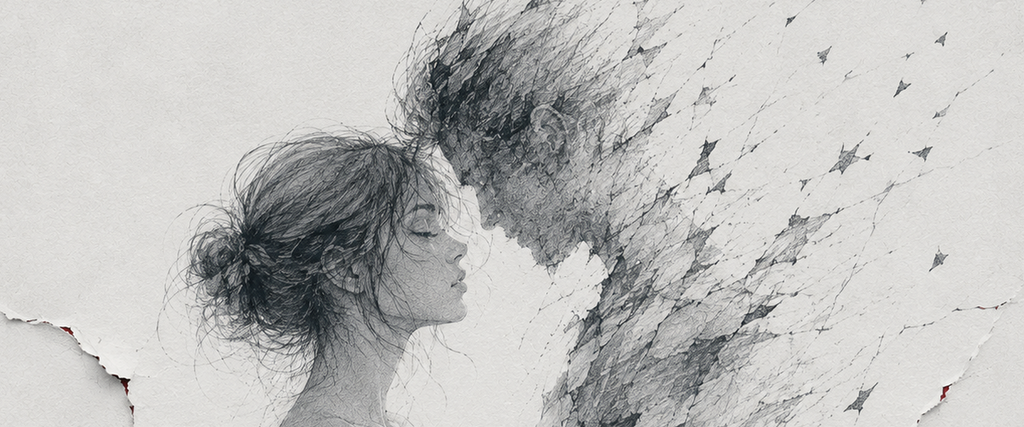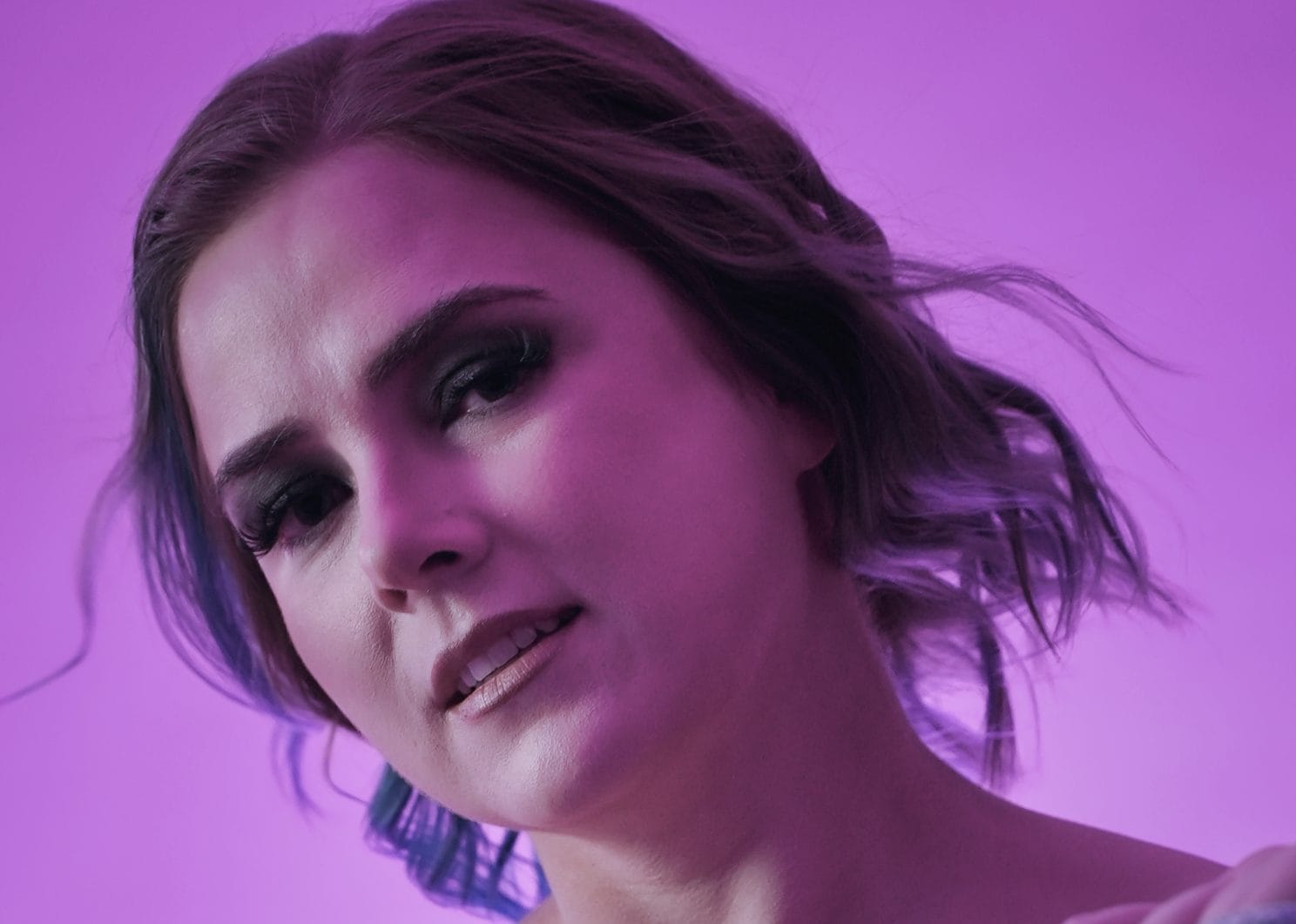
m0n0 jay released “Variant” exactly two years after the event that inspired it, turning a date associated with trauma into one attached to a piece of music she controls. She describes the track as an SA survivor club diss track, and she emphasizes that this language is important because “Variant” is built around confrontation rather than reflection from a safe distance.
It opens with her own interpolation of Rachmaninoff’s Vocalise, drops into a 125 BPM industrial club rhythm, then collapses into a slower section shaped by reversed vocals, dissociation, and a traditional Polish Góral survival chant.
There is a lot happening in music production, as is always the case with all of mOnO Jay’s work, which we’ve been covering for quite some time, and every choice has a clear psychological purpose.
The absence of vocal harmonies reflects the isolation of trauma, the formant-shifted title turns the human voice into something distorted and depersonalized, and the sudden tempo collapse recreates the feeling of losing control inside your own nervous system. Even the final hard stop is there to create a physical response before the listener has time to fully process what has happened.
That physical intent places “Variant” in an uneasy conversation with DJ culture and the idea of the club as a protected space. Clubs are often spoken about as places of release, community, and bodily freedom, though that promise depends on consent and respect.
m0n0 jay uses club-focused production to take back a space and a date that had been connected to violation, while also speaking directly to survivors who continue working, parenting, managing teams, and moving through ordinary life while carrying the effects privately.
Interview With m0n0 jay

What made “Variant” the right track to release on the exact two-year anniversary of the event that inspired it?
It comes down to a collision of my three backgrounds: psychology, marketing, and art. As a psychologist, I know that “anniversary reactions” are a very real physiological trauma response. As a marketer, I know how to rebrand a timestamp. As an artist, I needed to overwrite the narrative.
Releasing a 125 BPM industrial club track exactly two years later is not simply a release strategy. It is a hostile takeover of my own nervous system’s calendar. I did not want that date to belong to the trauma anymore. Today, it belongs on my EP.
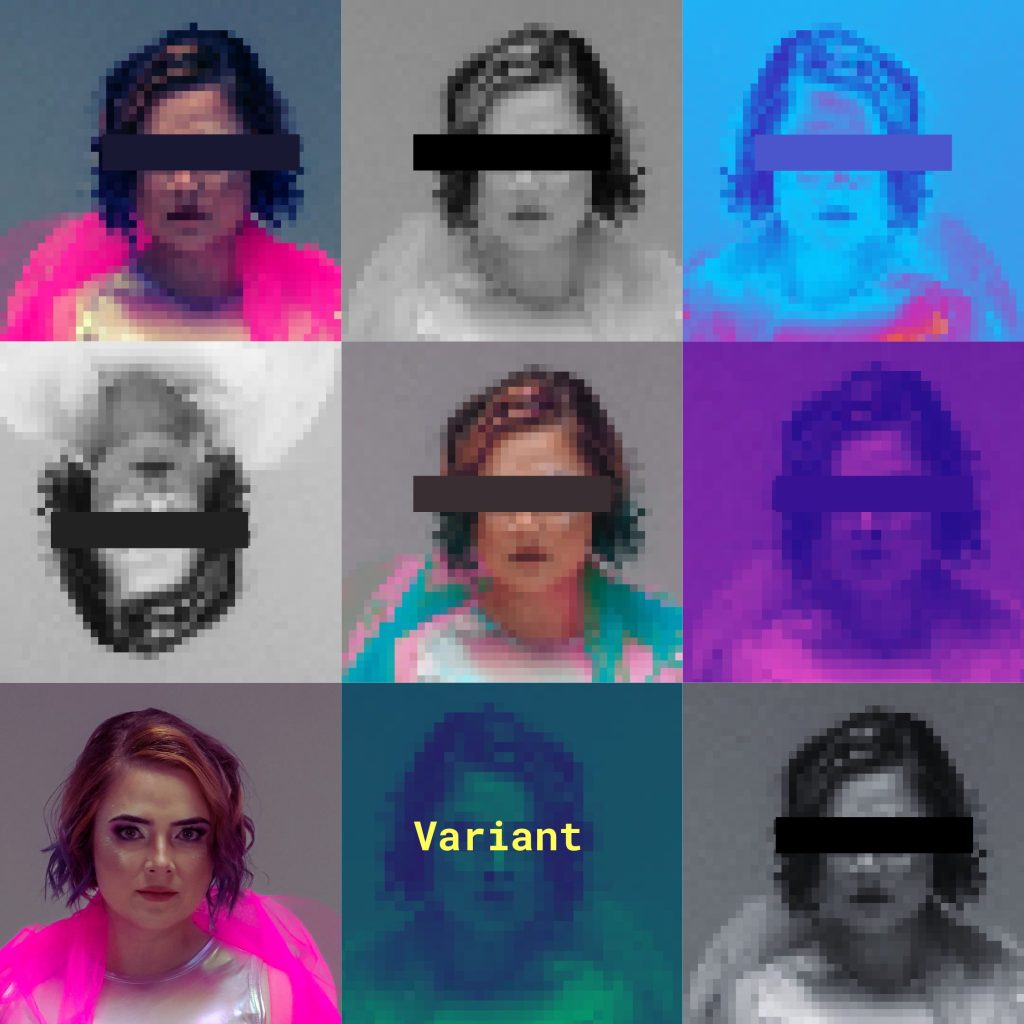
What is the origin of a diss track to you, and who were you writing to when you described “Variant” as an SA survivor club diss track?
A diss track, at its core, is a public declaration of war. Historically, it is about reclaiming territory and stripping an opponent of their power. You do not write a diss track to ask for an apology. You write it to win.
I wrote “Variant” against the specific culture of objectification that thinks it can own someone else’s space. The club is supposed to be a sanctuary, though when boundaries are violated, that sanctuary turns toxic.
Psychologically, trauma is an incredibly isolating experience, which I deliberately built into the audio architecture. If you listen closely, there are absolutely no harmonies on this track. It is only the main vocal, dubs, and effects. Philosophically, we do not harmonize with trauma. You face it alone.
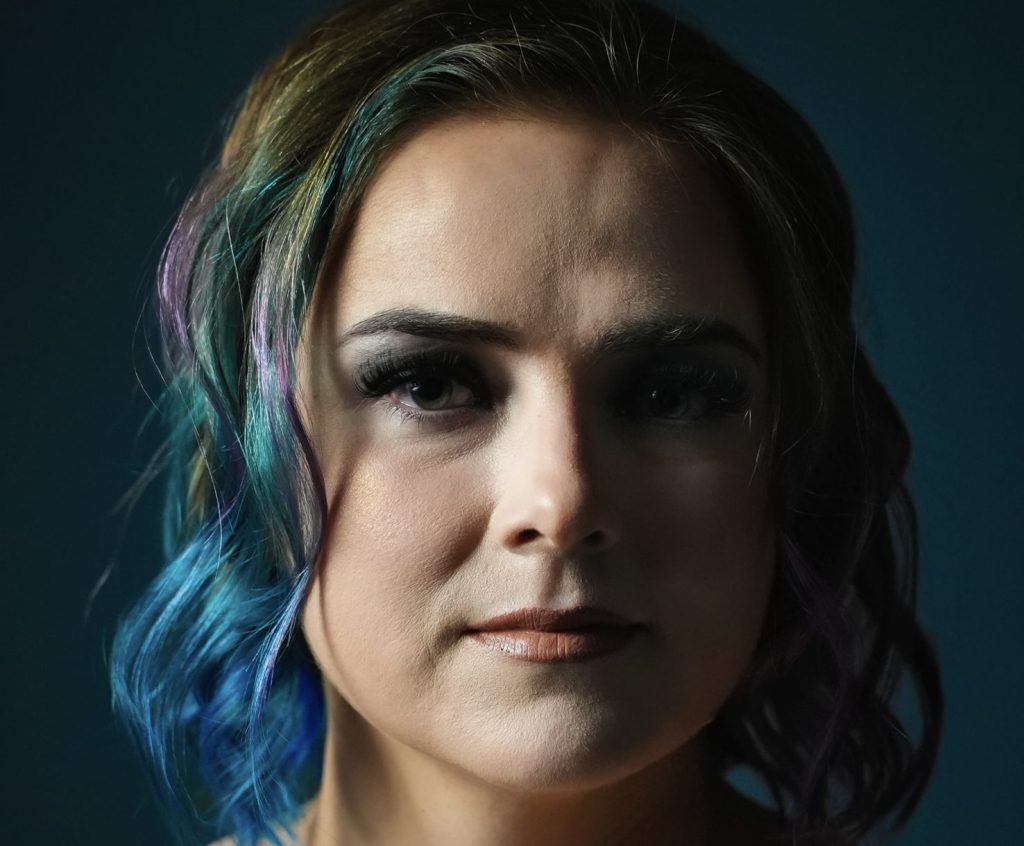
What is a “Variant,” and what does that word mean to you in the context of survival?
In electronic music, a variant is a mutation or a glitch in the code. In the context of survival, it is the cold realization that one in four women experience sexual assault throughout their lives. It is a universal, shared risk of being human.
To a perpetrator, we are countless, interchangeable variants of the same object. In the lyrics, I say, “I wasn’t a person anymore / I was just an anywhore / Just a toy variant.” I am describing the depersonalization that occurs when you are stripped of your humanity.
As an artist, I reflected that mutation in the mix by heavily formant-shifting the word “Variant,” pitching it down into a distorted, devilish texture. I wanted to capture the sound of a human being turned into a glitch.
Where does the Polish Highlander survival chant sit in your own history, and why did it belong in this piece?
It is a traditional Polish Góral chant I grew up with as the child of a Góral dad. Structurally, the middle of the track represents the psychological state of dissociation. The tempo collapses and the vocal physically reverses in the mix into “epacse deganam I.”
To pull the track out of that digital nightmare, I needed a fight-or-flight response. The chant builds to the word “Wytoce,” which translates to spilling blood. It is the visceral, ancestral survival instinct waking up to fight off the threat right before the final driving chorus.

Who are you hoping feels seen by this release, even if they never know the full story behind it?
The highly functioning survivors. The women and men who put on their corporate suits, manage their teams, and pack their kids’ lunchboxes while quietly managing their PTSD. I see you.
Ultimately, my primary audience is my children. I am speaking up and releasing this art today so that by the time my kids are teenagers, fighting for their bodily autonomy is a non-issue. I am doing this to change the baseline for them.
When people hear “Variant,” what would you rather they focus on first: the production, the message, the body response, or the survival chant?
The body response. As a psychologist, I know the body keeps the score. The track is engineered to force a somatic reaction before your brain even processes the lyrics.
It starts with a haunting, echoing performance of Rachmaninoff’s Vocalise, an angelic space that is quickly invaded by high-pitched, uncomfortable glitches. The track ends on a brutal hard stop to leave you breathless.
From a marketing perspective, do not worry, DJs. I released a DJ edit as well so you can mix it easily. The discomfort is meant to drive action.

Will Vance is a professional music producer who has been involved in the industry for the better part of a decade and has been the managing editor at Magnetic Magazine since mid-2022. In that time period, he has published thousands of articles on music production, industry think pieces and educational articles about the music industry. Over the last decade as a professional music producer, Will Vance has also ran multiple successful and highly respected record labels in the industry, including Where The Heart Is Records as well as having launched a new label with a focus on community through Magnetic Magazine. When not running these labels or producing his own music, Vance is likely writing for other top industry sites like Waves or the Hyperbits Masterclass or working on his upcoming book on mindfulness in music production. On the rare chance he's not thinking about music production, he's probably running a game of Dungeons and Dragons with his friends which he has been the dungeon master for for many years.