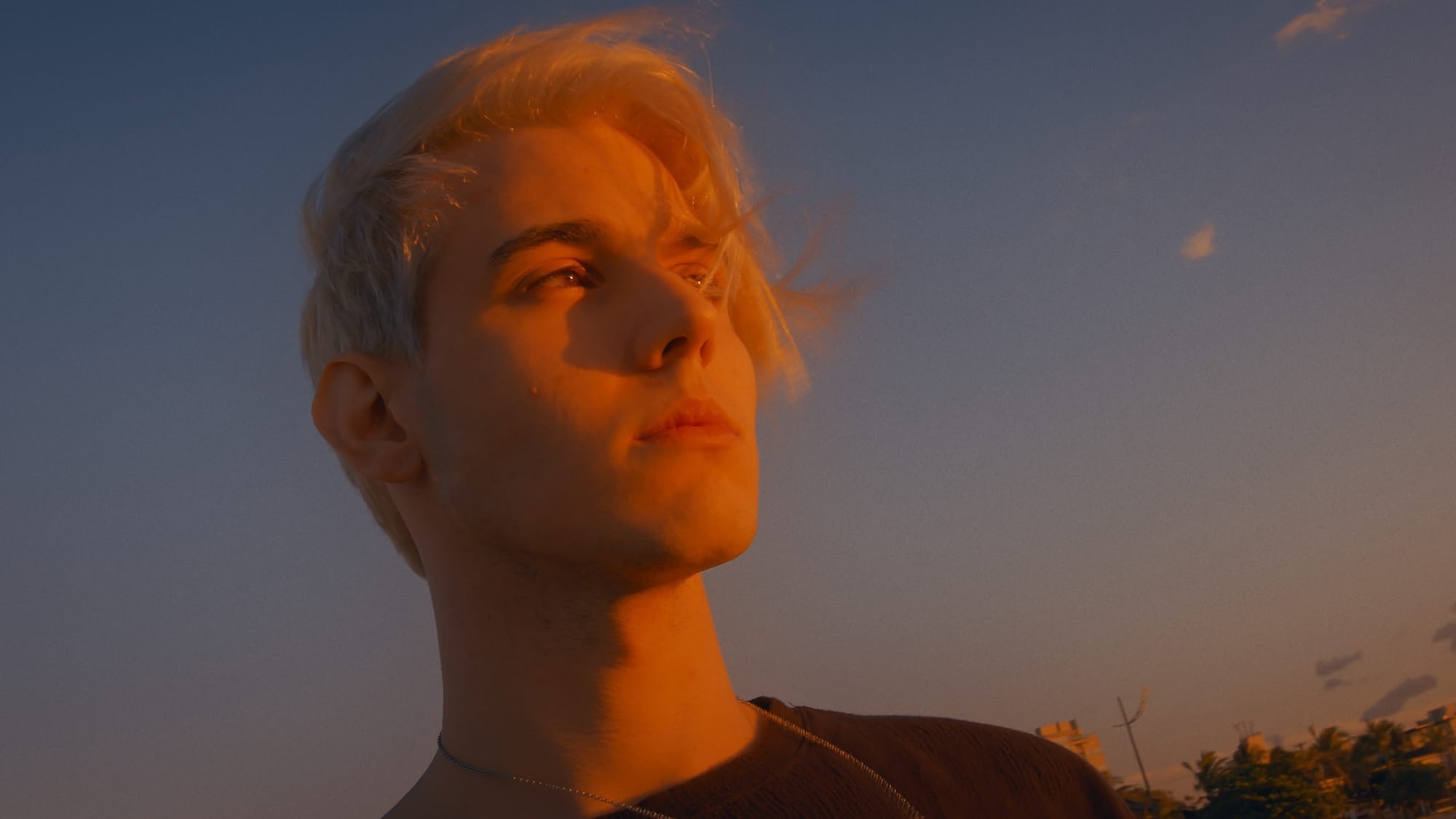
At 24, JP Castro has already packed more into his career than many artists manage in a decade. The Brazil-raised producer, songwriter and vocalist has built a reputation through a stream of melodic electronic releases that blur the lines between club music and songwriting, all while handling almost every stage of the process himself.
His latest single, Every High, continues that trajectory, favouring subtlety and restraint over obvious hooks and oversized production.
We caught up with Castro to talk about creative control, growing up obsessed with melody, playing alongside some of dance music’s biggest names, and why he’s never been particularly interested in chasing trends.
You handle almost every part of the process yourself, from writing and recording through to mixing. At this point, does that level of control feel essential to the project, or do you ever find yourself wanting outside voices in the room more often?
At this point, it’s a must; I don’t see it as control, it’s mostly that I just really love making music and have been doing all these bits since I was around 14-15 or so. Even though that is the case, I really enjoy sharing my music during its finishing process too; it’s very exciting.
“Every High” feels more restrained than a lot of crossover electronic records at the moment. The vocal sits quite low in the mix, the production never really oversells itself. Was that balance something you arrived at naturally, or did it take discipline to keep pulling things back?
Great question, whenever I’m making music, I don’t ever think in genres or “what label would like this, etc.” Those things kind of come about later once the record is finished. I’m always trying to make something I’m really passionate about. It naturally happened that I have so many diverse influences, including pop music. They all have something in common: Melody. That’s the most important thing to me, that can truly impact someone forever. With that said, I’m not trying to “hold anything back.” nor even thinking about it. I’ll always try to make the best songs that I love, and be very grateful if the world loves them too.
You’ve moved between club-focused releases, more melodic songwriting, Brazilian music projects, and collaborations with artists like Maz. Do you think of all of that as part of one bigger sound, or are you still figuring out where the edges of the JP Castro project actually are?
I feel my work is a completion of itself, not a contradiction. I’m not one to copy trends. So yes, I’m very decisive, especially with my music and which ones I love enough to share with the world. I remember how I felt during each one of them and how my heart burned, screaming: “This is exciting!” I’ve never been happier with my music than today, so I guess that says it all.
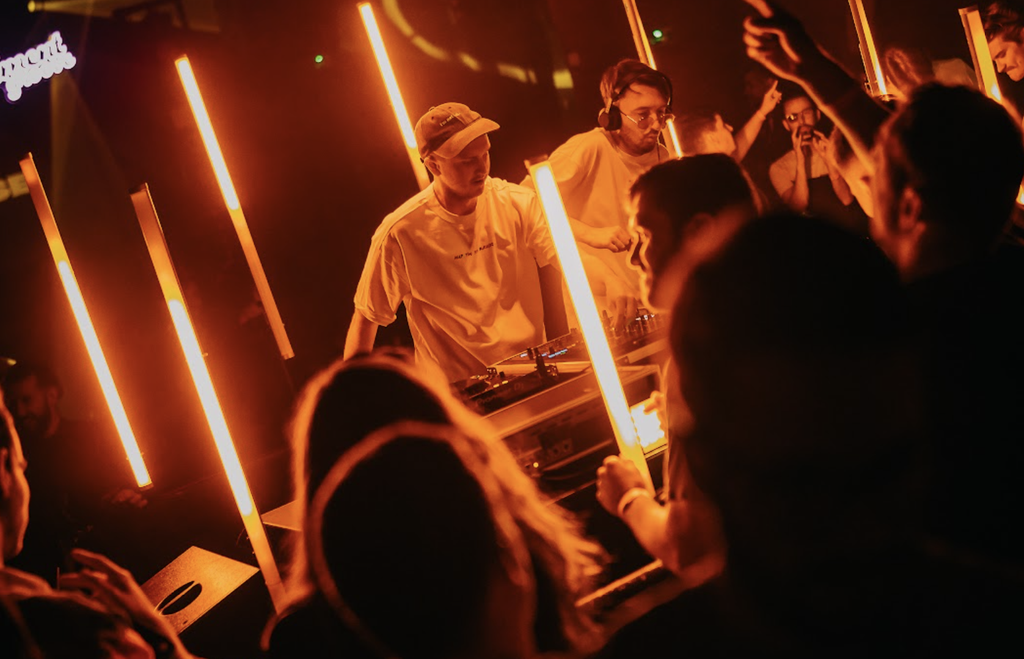
Closing for artists like Black Coffee and sharing stages with names like Eric Prydz and Diplo puts you in front of very different crowds. Have those environments changed the way you think about tension, pacing, or even songwriting when you’re back in the studio?
Absolutely, they were fantastic shows for all of us, and I remember that I left feeling inspired; I kind of do in different ways. Even though a certain artist doesn’t make exactly what you make musically, in the end, I guess great music is what matters to me. I might have started a new tune in my hotel bedroom afterwards, hahah. And in songwriting terms, yes, it influenced me in a very cool way.
A lot of producers talk about wanting crossover success, but your background seems rooted in actual songwriting as much as club music. Was there a specific moment growing up where those two worlds clicked together for you?
That’s a very interesting thing to think about, looking back in my musical journey which I consider to have started since my earliest memories listening to songs, at least, like when I was 3 or 4 years old. There was always this innate taste pulling somewhere, those many melodic shapes that would just pull me in, those records… I remember being about 12 or something, I had already been listening to electronic music for a couple of years by then, and I just felt this extreme goosebumps flow through my whole body, and I was like: “This is it, it would be the coolest thing if I could make records that could impact people like that as well!”
I guess that’s where it all started, and then I quickly started making music after that. I never really thought literally in those words of crossover “success” it was more like the sum of its parts, things I love, others I don’t, kind of thing.
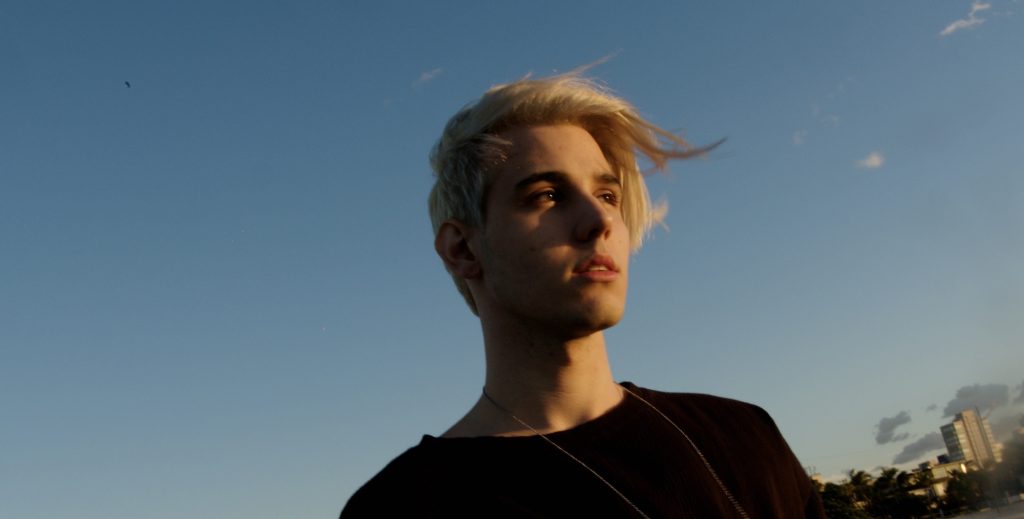
Brazil has such a strong musical identity, but electronic artists from there are often expected to lean into certain sounds or aesthetics internationally. Have you ever felt pressure to present your music in a more obviously “Brazilian” way than what comes naturally to you?
Not at all, in this day and age more than ever, being yourself feels so necessary. I know that’s a bit cliché, but it’s the way I always wanted to go.
“Through My Mind” and “All For You” both reached a pretty wide audience quite quickly. Did that early momentum change your confidence as an artist, or did it create a different kind of pressure once people started paying attention?
Yeah, that was very cool to see. I’m so grateful for it and have to say neither of those things! I remember I showed both of these songs to a few people who didn’t like them as much, but I knew they really loved them, so yeah, I want to share how I view the world with people, my music is the way I know to, I guess.
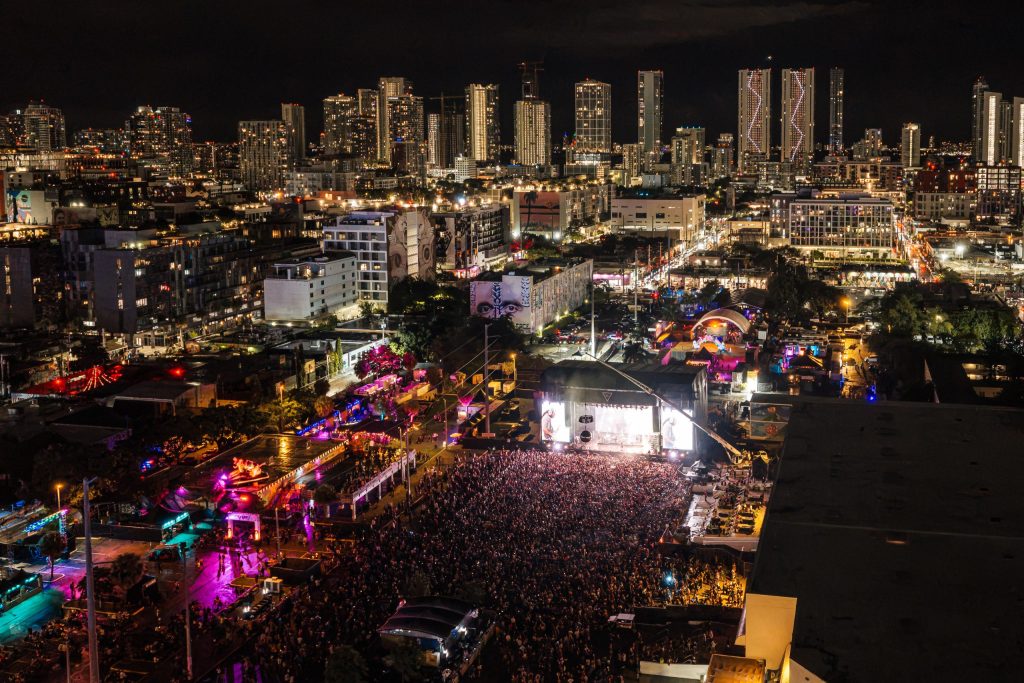
You’re still only 24, but you’ve already played places like Tomorrowland Brasil and clubs like Green Valley and Laroc Club. When you look at where the project is now, what feels furthest away from where you imagined it would be a few years ago?
Yeah, all of them definitely felt so deeply special! I’d say sometimes I’ve seen things can turn a bit more into the “achievements” lens quickly, but what really matters to me is purpose.
Every High is out now