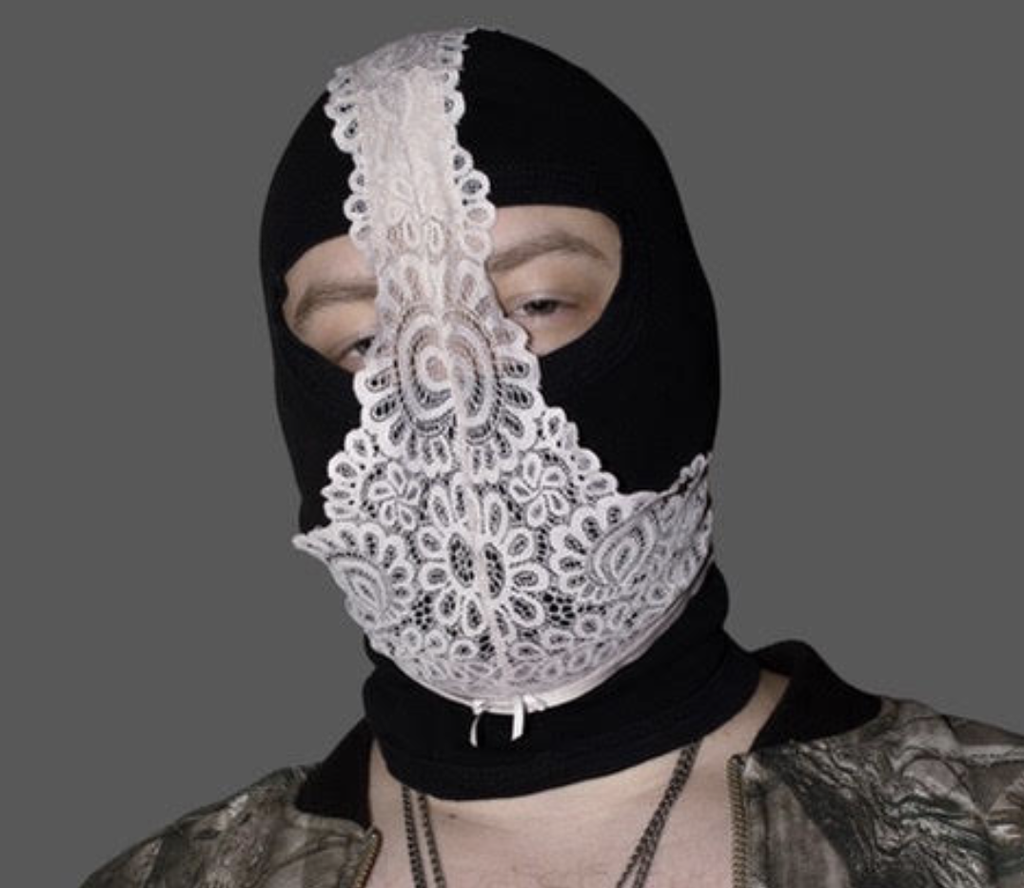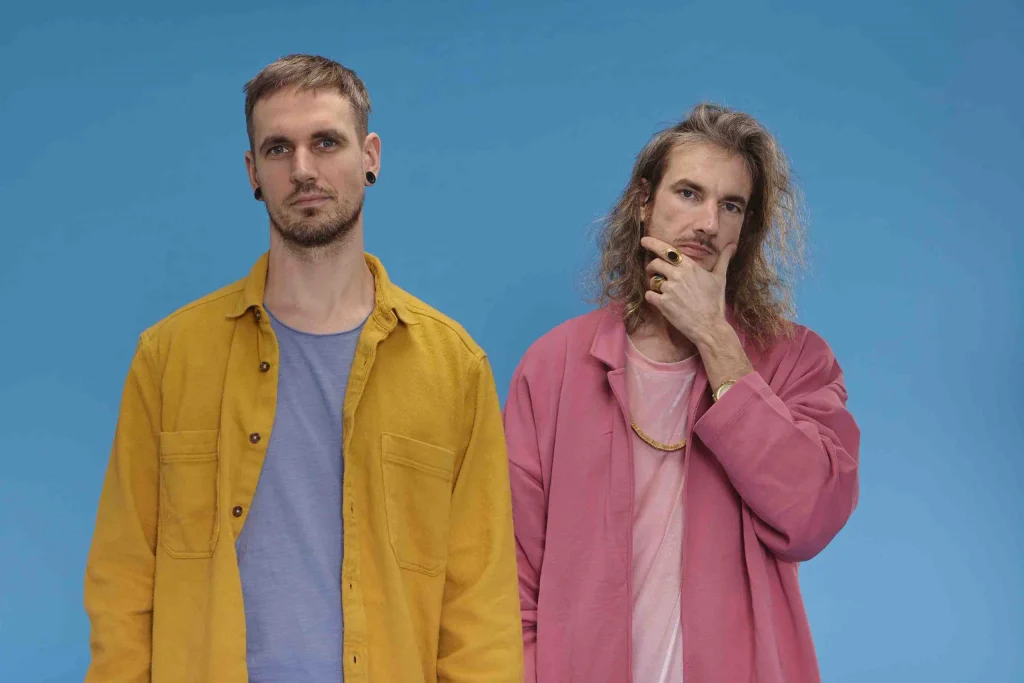
YAMATOMAYA’s (@yamatomaya_jp “Endless” arrives through Magik Muzik and Black Hole Recordings during a larger growth phase for the Japan-based artist project, with five new songs on the way and Amo Recordings preparing to roll out additional artists later this year. That timing gives the release a useful frame, since the track is tied to a broader push around artist identity, label development, and long-term presence across trance and EDM communities.
That context also connects well with the focus of this interview.
YAMATOMAYA talks through the difference between older forms of discovery and the current streaming-first workflow, moving from TV, radio, and record stores into internet digging, label research, algorithmic recommendations, and real-life listening moments. The answers are practical without feeling overly technical, and they show how discovery still depends on patience, taste, and personal instinct even when access has become almost unlimited.
What comes through most clearly is that YAMATOMAYA treats crate digging as a process of selection rather than accumulation. She talks about avoiding charts, following artists and labels that fit her direction, taking time before adding tracks, and paying attention to how music feels in ordinary settings like cafes or public spaces.
For an artist releasing “Endless” while building momentum through Black Hole Recordings and the upcoming Amo Recordings rollout, that approach gives a clear look at how her taste is being shaped in real time.
Interview
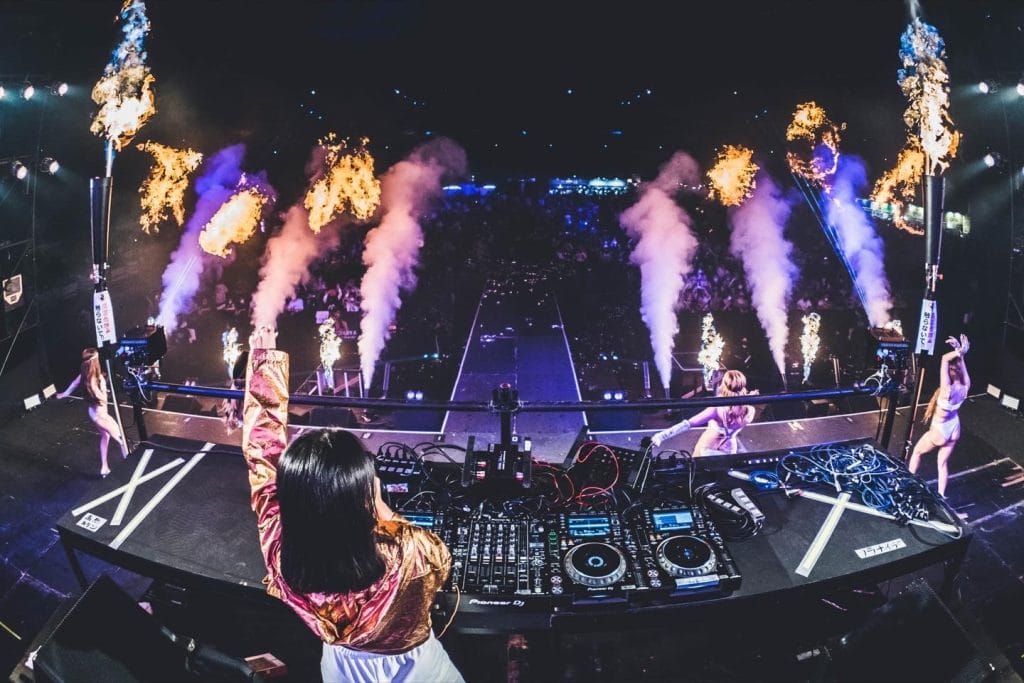
What did crate digging look like for you before streaming platforms became a big part of musical discovery?
Before streaming, I used to discover music through TV shows and radio.
If I heard something I liked, I would go to music stores and try to find it. It was not instant like now, so the whole process was part of the experience. I also came across a lot of music by chance, which made it feel special. That feeling of finding something on my own is still important to me today.
How has convenience reshaped the way you find music, and what have you gained from that change?
In the past, there were only a few places to discover music, so a lot of people ended up listening to similar artists. TV and radio had a big influence on what we heard.
Now, with the internet, I can explore different genres much more freely. It is easier to find music that fits my taste. It feels personal now, almost like searching for something hidden. I think it has become a more creative process.
In your mind, what defines actual crate digging in the current era?
For me, crate digging today is about staying true to my taste and going further into sounds that inspire me. I do not really check charts, because those tracks are already everywhere.
Instead, I focus on artists and labels that feel close to my style. When I find something I like, I take time to explore their music, from older tracks to new ones. I only play music that truly inspires me. That feeling of discovering something meaningful is what crate digging means to me now.
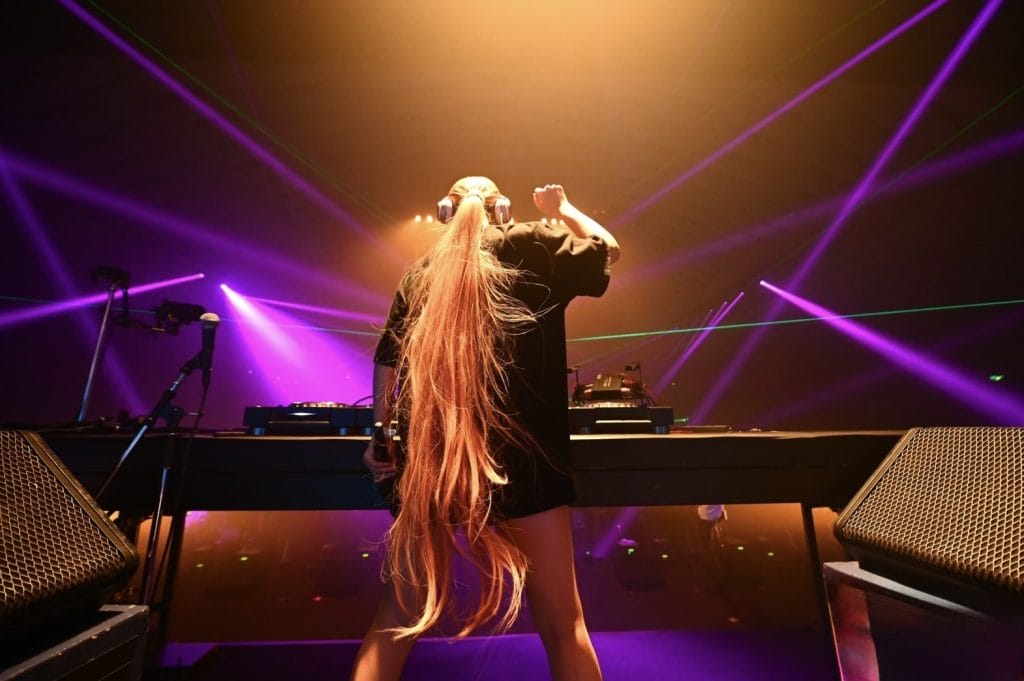
How do you build intention into your discovery process when access feels almost unlimited?
There is so much music out there now, so I try to keep things focused. I start with artists and labels that match my taste and go further from there. I prefer focused exploration instead of trying to check everything. I also take my time when I listen, instead of adding tracks too quickly. If something really inspires me, then I keep it. That helps me keep my sound consistent.
Is there a record you found through physical digging that still makes it into your sets today?
It is not really about one specific track, and it is more about the feeling I had when I was searching for music in stores. Choosing music by myself was always important, and I still keep that mindset today. Even now, I try to stay connected to that same feeling when I pick tracks. Artists I naturally connect with tend to stay in my sets for a long time. It is more about the process than a single record.

Are there elements of offline discovery you try to recreate in your current workflow?
Even though tools like Shazam are really helpful, I try not to rely on them too much.
When I hear music in places like cafes or on the street, I pay attention to how it feels in that moment. I try to remember the atmosphere, along with the track itself. I also trust my intuition when I choose music. I take my time and think about why I like something. That helps me keep a natural way of discovering music.
When you compare algorithmic recommendations with hands-on searching, what feels creatively different to you?
Algorithmic recommendations can be very accurate, and sometimes they really surprise me. They are still based on patterns. When I find music on my own, it feels personal and meaningful. There is a sense of discovery, and sometimes surprise. That process often inspires me in a different way. So I use both, and I still value searching on my own the most.


Will Vance is a professional music producer who has been involved in the industry for the better part of a decade and has been the managing editor at Magnetic Magazine since mid-2022. In that time period, he has published thousands of articles on music production, industry think pieces and educational articles about the music industry. Over the last decade as a professional music producer, Will Vance has also ran multiple successful and highly respected record labels in the industry, including Where The Heart Is Records as well as having launched a new label with a focus on community through Magnetic Magazine. When not running these labels or producing his own music, Vance is likely writing for other top industry sites like Waves or the Hyperbits Masterclass or working on his upcoming book on mindfulness in music production. On the rare chance he's not thinking about music production, he's probably running a game of Dungeons and Dragons with his friends which he has been the dungeon master for for many years.