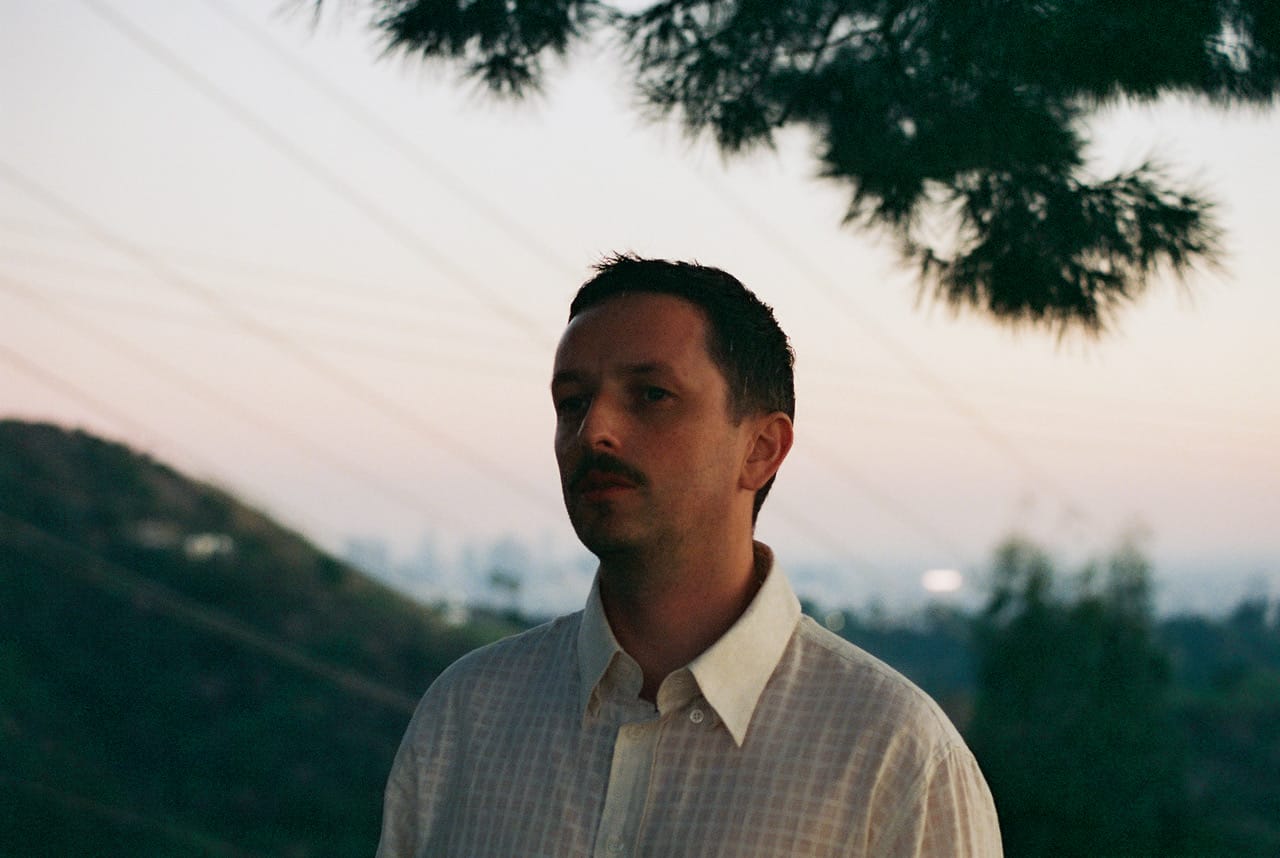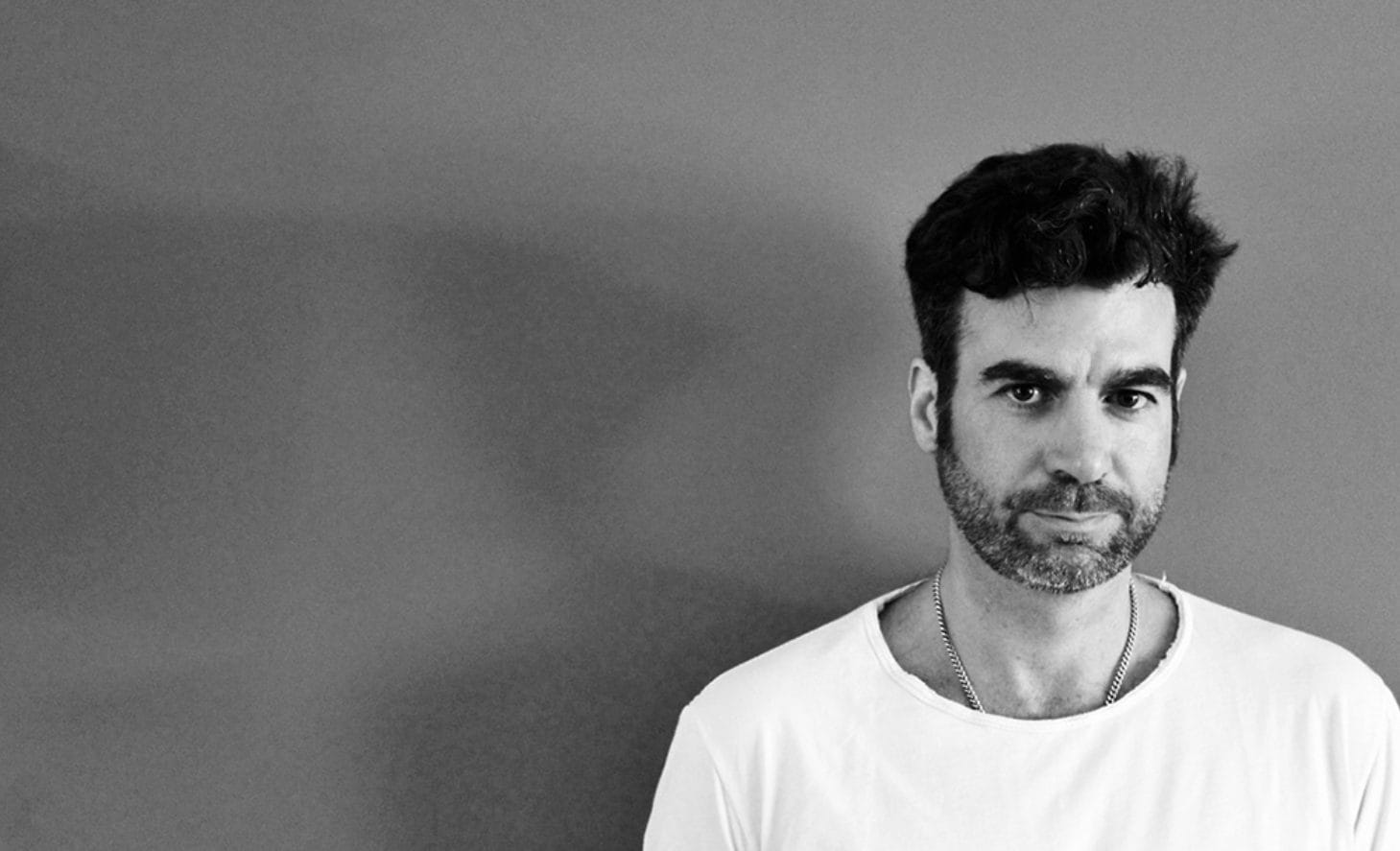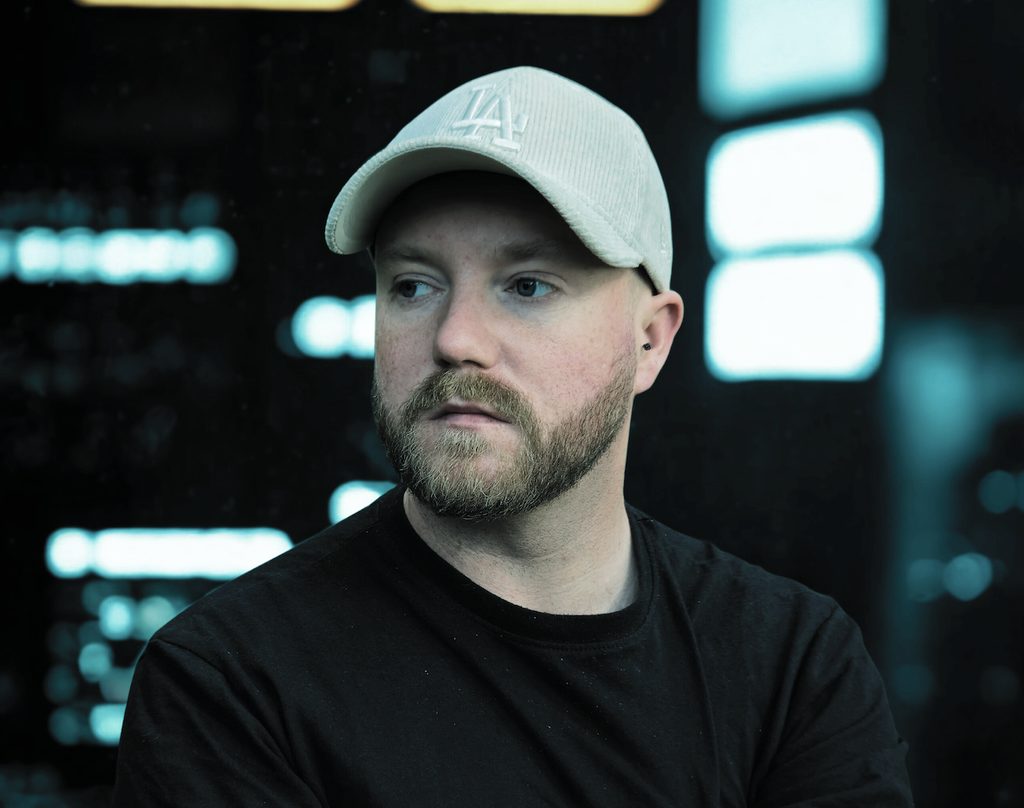
Above Image Cred: Olivia Platt
Sacha Mattey operates on a side of the music industry that rarely gets direct attention, but shapes how artists scale once momentum starts building. As Business Partnerships Lead at Darkroom Records, his role sits across strategy, finance, and execution, connecting creative output with the systems that turn it into a long-term business. That includes everything from structuring partnerships and building internal infrastructure to identifying where growth can happen before it becomes obvious.
His recent work reflects that scope. Mattey played a central role in structuring the Experts Only partnership with John Summit, working alongside internal leadership to align financial modeling, team buildout, and long-term positioning. At the same time, he has contributed to campaigns at the highest level, including coordination across global partners on Billie Eilish’s latest album rollout, while also helping expand Darkroom’s footprint through new signings and imprint development.
What separates his approach is how closely it mirrors startup thinking. Mattey frames artists as long-term brands, catalogs as assets, and label operations as systems that can be built, tested, and refined. That perspective comes through clearly in the conversation below, where he breaks down how partnerships actually work, what drives sustainable growth, and how he views leadership as his role continues to expand.
Interview With Sacha Mattey

How would you describe your role at Darkroom Records to someone outside the music business?
I’d describe it as sitting at the intersection of strategy, data, and partnerships, helping a record label grow like a startup.
Day to day, I work on finding and structuring opportunities that make our artists and releases bigger businesses, whether that’s through brand partnerships or identifying untapped revenue streams. At the same time, I build tools and systems that help us understand what’s actually working, so we can move faster and make smarter decisions.
In simple terms, I combine creative instinct with in-house systems I’m building across multiple verticals to help our artists scale globally in an increasingly competitive market.
What experiences before Darkroom shaped the way you think about label growth?
My time at Wharton shaped how I think about label growth more than anything else. I was trained to approach everything as a business system, how you allocate capital, where the highest-return opportunities are, and how you scale efficiently without losing core value. That translates directly to music. I think about catalogs as assets, artists as long-term brands, and growth as something that can be modeled and optimized.
Wharton also instilled a strong data-driven approach. Whether in economics, entrepreneurship, or analytics, decisions were always evidence-first. That’s carried into how I operate at Darkroom, using data to find opportunities the industry hasn’t traditionally tapped, paired with creative judgment.
The result is that I think of record labels less like traditional music companies and more like scalable, high-growth businesses.

You helped structure the Experts Only partnership with John Summit. What was the biggest thing you learned from orchestrating that?
The biggest thing I’ve learned is that the strongest partnerships aren’t built on numbers, they’re built on people.
Working on the Experts Only partnership reinforced that. The economics matter, but what makes something work long-term is alignment, trust, and a genuine understanding of what each person actually cares about. Every artist has their own motivations, insecurities, and ambitions. If you don’t take time to understand that, you can have everything structured perfectly on paper and it still won’t land. When you get that alignment right, it creates flexibility, momentum, and a much stronger foundation.
The takeaway is to be sharp on the details, but keep focus on the people driving the process.
As someone helping shape Darkroom’s next phase, what kind of company are you trying to build behind the scenes, even if the public never fully sees that work?
Behind the scenes, we’re building a company that puts artist development at the center, where success is measured through long-term careers rather than short-term results.
The goal is to create an environment where artists can grow into defining voices in culture. That means investing early, taking creative risks, and giving artists space to develop their identity over time instead of forcing quick outcomes.
At the same time, it’s about building infrastructure that supports that vision at scale. Systems, data, and partnerships that allow us to move quickly, identify opportunities early, and amplify what is connecting. When something starts to resonate, we want to be in a position to push it further with clarity and speed.
Even if that work is not visible day to day, the focus remains on long-term artist growth and building something that contributes to culture in a meaningful way.

When you think about your own future in the industry, what kind of leader do you want to become, and what kind of impact do you want your work to have over time?
I want to become a leader who leads by example, someone who sets the standard through how they work, how they treat people, and the level of care they bring to everything they do.
Over time, the impact I want to have is helping turn people’s ideas into real opportunities. Whether that’s artists, collaborators, or people on the team, I want to create an environment where talent can develop and grow.
If I can build a reputation as someone who delivers results and helps people build the careers they’ve envisioned, that’s the long-term impact I’m focused on.

Magnetic byline note: This byline is used for staff produced updates and short announcements, often based on press materials and official release information. Editorial responsibility: David Ireland (Editor in Chief) and Will Vance (Managing Editor). About: https://magneticmag.com/about/ Masthead: https://magneticmag.com/masthead/ Contact: https://magneticmag.com/contact/