Inner Wave’s (@innerwave) See You When I Get Back arrives as a clear step forward in how the band approaches recording and arrangement, and it’s the kind of project that translates well into a How It Was Made format because the process is so intentional.
The group tracked the entire record through condenser microphones into a 16-channel tape machine, committing to one instrument at a time and leaning into the limitations of that setup. That decision shapes everything that follows, from the clarity of each part to the way saturation and tone build naturally across the record.
What stands out is how they balance fidelity with character. Recording clean sources through a tape workflow while routing through a 70s console and 80s tape machine gives them control over detail while still introducing analog inconsistencies that keep things from feeling rigid. You can hear that approach in the way parts stack, especially when multiple takes are layered to create width instead of relying on digital shortcuts. It’s a slower process, but it forces decisions early and keeps the arrangement focused.
That mindset carries into the tools they talked about in the latest edition of our How It Was Made series.
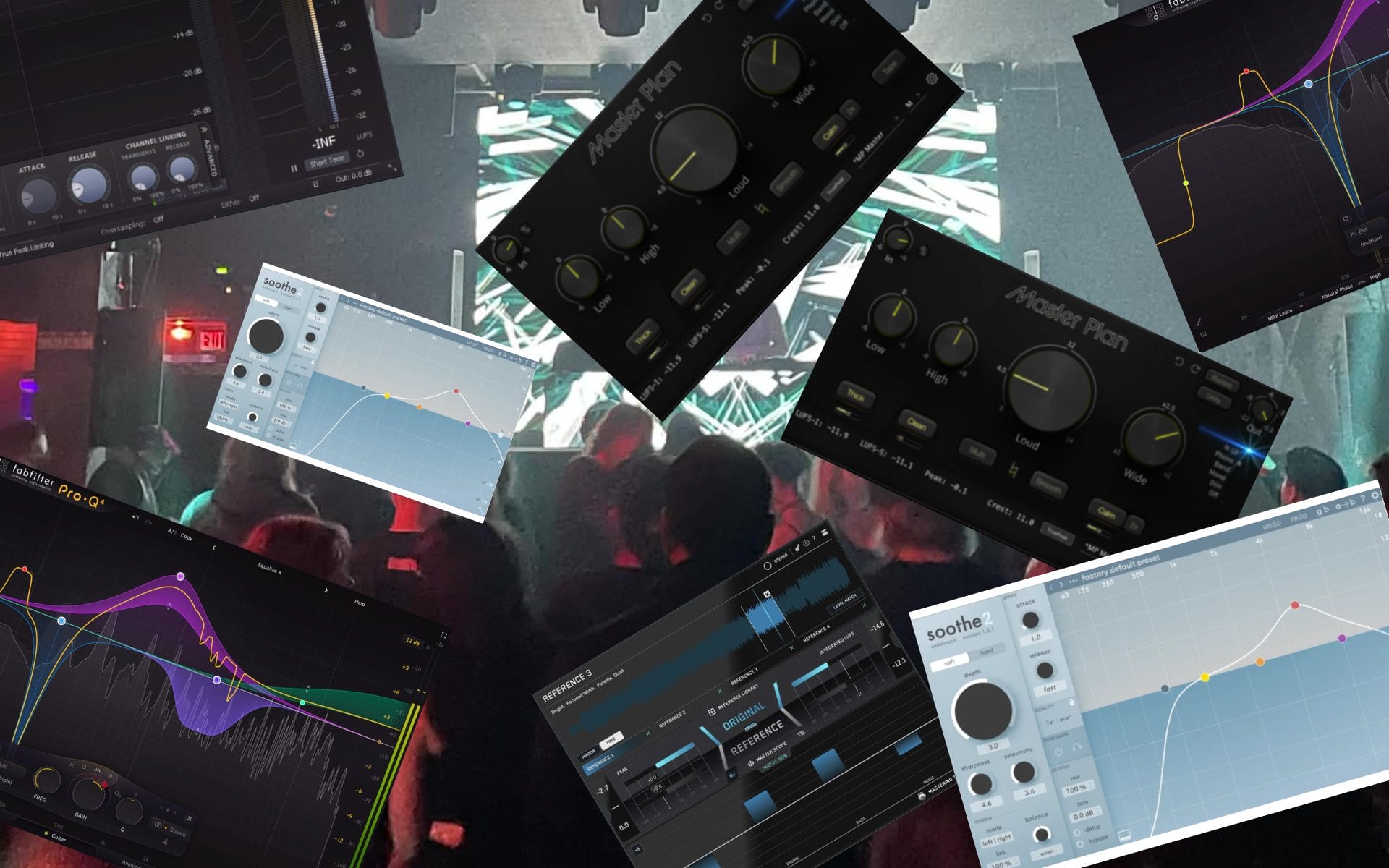
The Sequential Prophet 5 Rev 4 becomes a central voice across the record, especially when layered to build dense harmonic sections, while plugins like FabFilter Saturn and Waves C4 handle tone shaping and control without flattening the mix. Auto Align 2 plays a key role on the drum recordings, which rely on multi-mic setups that need precise phase alignment to translate properly. The result is a record that feels cohesive from a technical standpoint while still leaving room for variation across each track, and that balance is what makes this one worth digging into from a production perspective.
The rest of the words are from the aritsts!
Sequential Audio Prophet 5 Rev 4

The Sequential Prophet 5 is as classic of a synth as the Minimoog, except it has 5 note polyphony and has patch memory, so you can save your sounds for later. This is the synth that we used the most in the making of SYWIGB since it has such an organic and classic sound. It’s really good at emulating other instruments, but in a late 70’s, funky kind of way, but can go way beyond that and into the future.
One of my favorite qualities of the Prophet 5 is that it is fully analog synthesizer, from the oscillators, to the filters, to the envelopes. That means that it has instabilities in pitch, timbre, and volume, like other real instruments, such as the human voice or a guitar.
These fluctuations, unlike digital synths that are very in tune and consistent, allow us to double track and layer many takes of the Prophet 5 to create really rich textures from only one keyboard. We used this effect heavily on the bridge of “Only For Your Eyes”, where we wanted to create a dense stack of bass and pad swells.
If I was told that I needed to retreat to an island to make records and was only allowed one synthesizer, the Prophet 5 would for sure be my first choice. It can do basses, brass sounds, pads and whatever your creativity can come up with in a really classic way that feels akin to having a Les Paul or something. It’s a beautiful vintage sounding instrument on its own, but can be paired with distortion or effects and then turns into a more modern thing. If it was good enough for the Talking Heads and Yellow Magic Orchestra, it’s good enough for me.
FabFilter Saturn
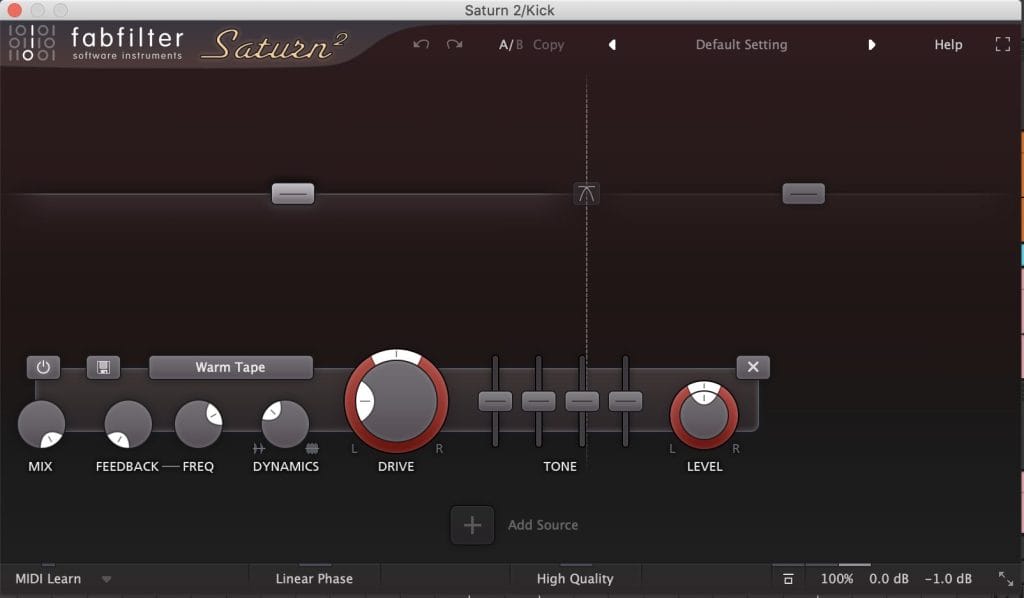
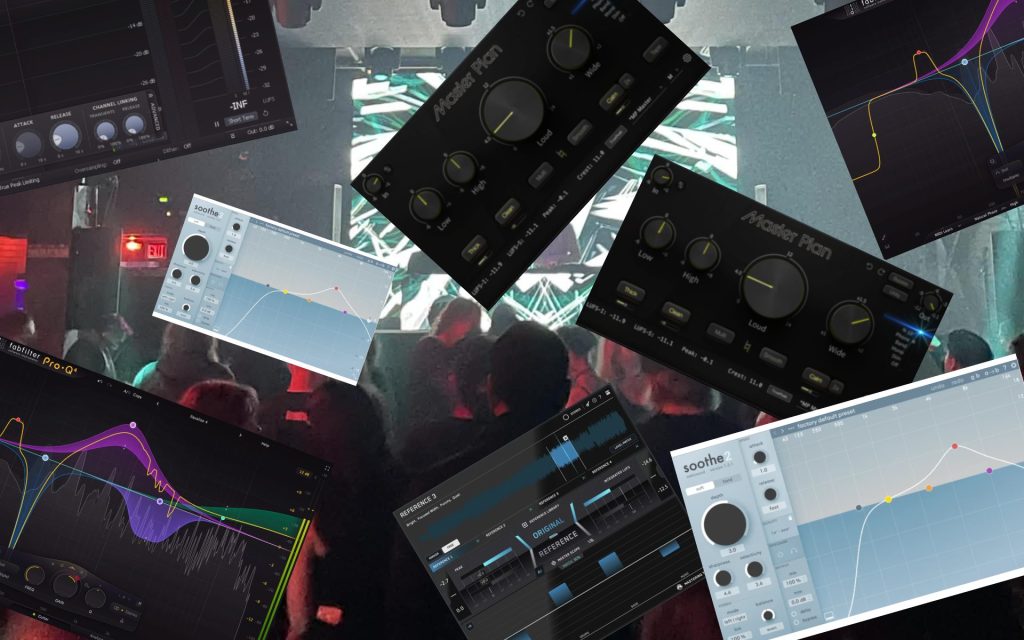
FabFilter is known for making great EQs and limiters, but a more low key plug-in of theirs that we used all over the record is Saturn. It’s a multiband saturation tool but what makes it really special is that it has the ability to distort each band separately. So you can keep the low end clean while distorting the mids and highs which more closely mimics tape saturation. It’s a fun way to add fizz and saturation to a texture, but keep the fundamentals of the sound intact.
The core of every Inner Wave song is really in the drums. We always want the punchiest kicks and snares, so we used Saturn on all the drums and bass on the record to add texture and excitement to the groove. It also has a dynamics knob for each band that you can use as a multiband gate to lower hum or drum bleed in a very natural way, unlike a traditional gate which can be a little too heavy handed. We really wanted to keep things sounding natural, but exciting.
What’s great about Saturn is how easy it is to dial it in. You can open it up, look at what frequencies your sound is made up of, make some bands and start saturating away. The only way to really mess it up is by going way too hard, but you can easily back it up and have a much more interesting sound than what you started with.
Sound Radix Auto Align 2
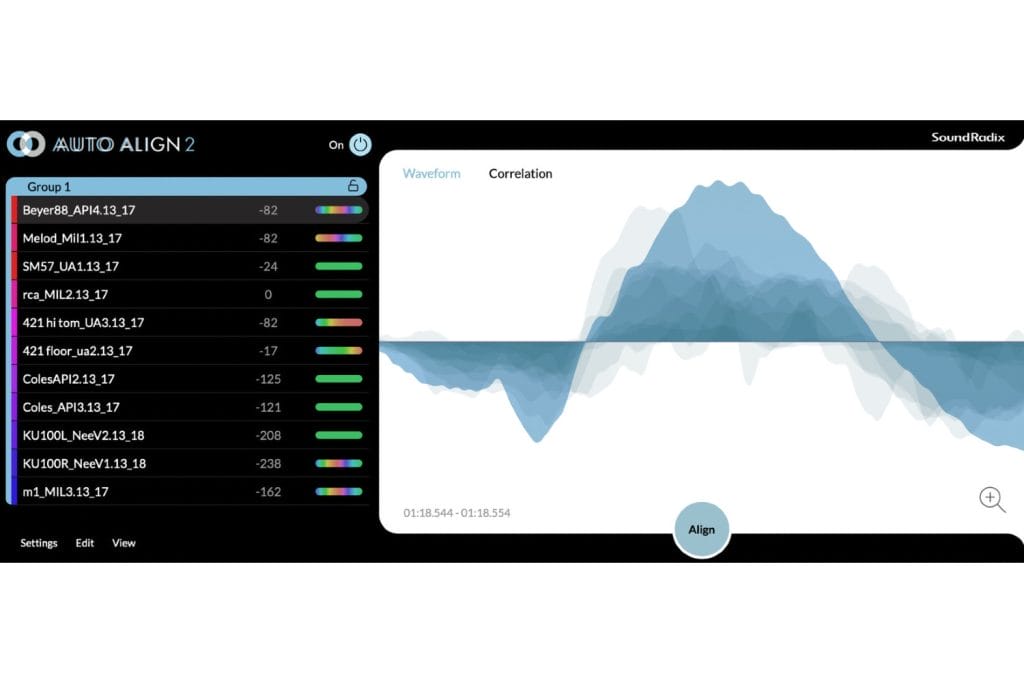
Phase is never a sexy topic to talk about, but you know what is unsexy? An out of phase kick. No matter how much low end you add via EQ, you’re not gonna hear it if it’s out of phase with another mic. That’s where this magical plug in called Auto Align comes in. You tell it which channels are your drum tracks, play it a bit of the performance so it can think, and bam, perfectly in phase drums.
Auto Align helped out immensely with the drums in particular because we used about 12 microphones on the drums and you can imagine how out of phase some of those were. You can try your best to use 3:1 ratios and tape measurers, but it’s practically impossible once you start getting more experimental with your miking. Once we added Auto Align, the drums sounded so much punchier and gave it more low end. True to how we heard it in the room.
Another good use for Auto Align is for when you’re multiple miking guitar amps, not that we’re really into that, but you can use it to time align DI signals to mic’ed sources and get your guitars or basses perfectly in phase. But then out of phase guitars can be pretty sexy too.
Waves C4
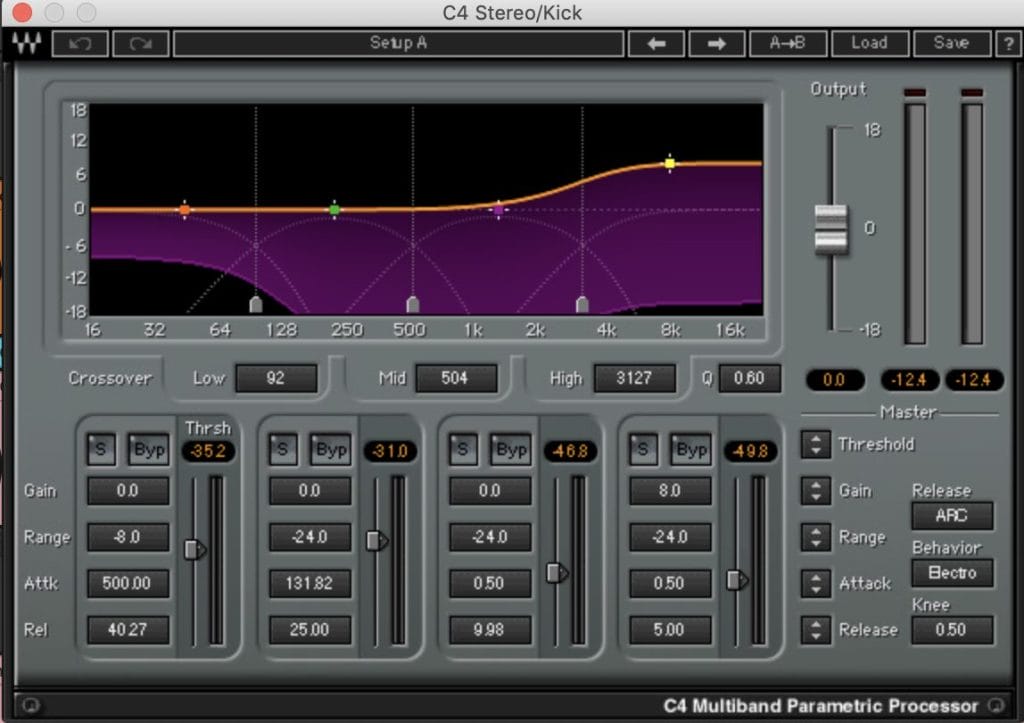
The true secret weapon of Inner Wave. A multiband compressor. Which basically means you can compress different EQ ranges differently instead of effecting the whole signal. Cruz introduced me to this plug in and he has so much experience with it, I’m convinced he can make an entire record using only this plug in. It’s helped us in so many situations where we wanted or needed to get surgical with the EQ’ing and compressing of a track.
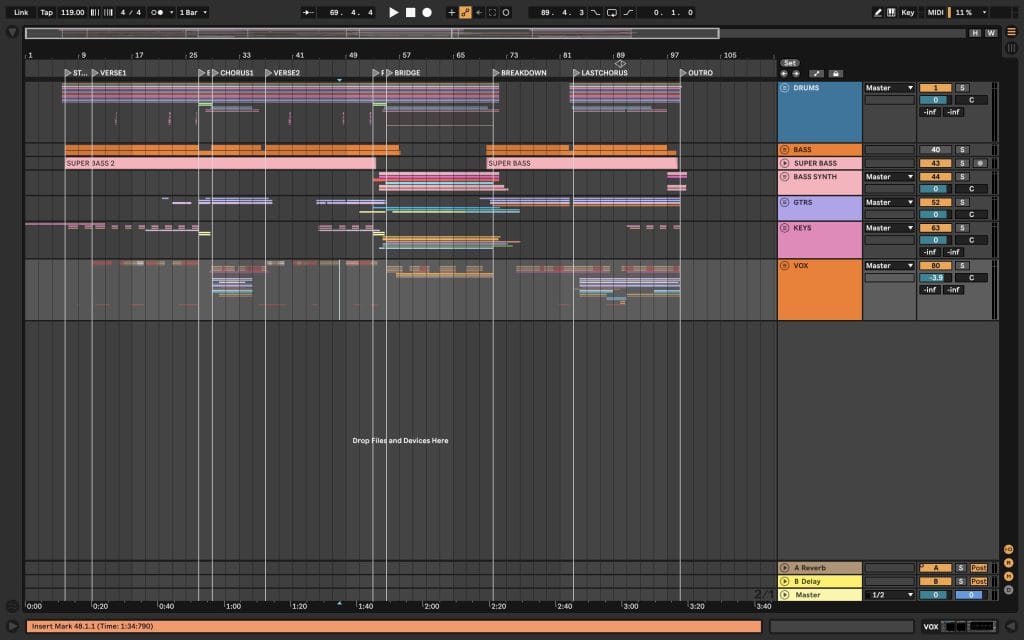
There were probably so many instances of C4 on “Only For Your Eyes” that it would be easier to say which channels didn’t have C4, but one stand out use would be on the bridge. That section has so many bass and pad layers, that boxy low end would quickly accumulate. Using the C4 multiband, you can compress those low mid frequencies to get them a lot more contained, in a less destructive way than a normal EQ would. It’s really easy to over EQ an offending frequency in a track, when in reality you only need to dynamically contain a frequency range.
Cruz uses it a ton to quickly EQ and compress a sound at the same time to get it mix-ready in record time. If you think about it, it’s twice as efficient combining two different processes. When sessions start getting into the hundred track count, that’s when you really start feeling how much time you’re saving by C4ing everything. Once things get cleaned up with the C4, doing more fun stuff like distorting and creative processing end up sounding better and more polished.
Inner Wave’s Tips For Making Music
Tip #1: Don’t spend a bunch of money on “nice” gear other people already have. Use what you have around you in an interesting way. – Pablo
Tip #2: You don’t need the best gear to make something good. Sometimes the best EQ is a good arrangement. – Cruz
Tip #3: Find one thing that you really connect with, and be the master of that. Be better than anyone else with it. – Cruz
Tip #4: Instead of buying the fancy new thing, look for something under-appreciated and see what you can make with it. You’d be surprised what you can come up with. – Cruz
Tip #5: We love knock offs of name brand stuff. It’s cooler to have a weird sounding guitar than a boring one. – Cruz

Will Vance is a professional music producer who has been involved in the industry for the better part of a decade and has been the managing editor at Magnetic Magazine since mid-2022. In that time period, he has published thousands of articles on music production, industry think pieces and educational articles about the music industry. Over the last decade as a professional music producer, Will Vance has also ran multiple successful and highly respected record labels in the industry, including Where The Heart Is Records as well as having launched a new label with a focus on community through Magnetic Magazine. When not running these labels or producing his own music, Vance is likely writing for other top industry sites like Waves or the Hyperbits Masterclass or working on his upcoming book on mindfulness in music production. On the rare chance he's not thinking about music production, he's probably running a game of Dungeons and Dragons with his friends which he has been the dungeon master for for many years.