Table of Contents
New music producers usually need the same few things at the same time.
They need a reliable way to release music, a better system for finding samples, clear instructions from people actively making records, a set of core plugins to handle mixing duties, and a community that helps them stay consistent. The problem is that these needs often get solved through a pile of disconnected purchases, which can get expensive fast and create even more confusion.
That is why subscriptions can be useful at the beginner stage (even if some more seasoned producers are frustrated by them). A good offer can reduce upfront costs, simplify the workflow, and fill a gap in the production process rather than adding another layer of clutter.
This guide focuses on subscriptions that most effectively meet those needs with an added emphasis on the best subscriptions for new music producers and artists. LANDR Studio sits at the top because it handles the broadest part of the workflow in one place, and while it is sponsoring this article, it had no role in deciding the order or the other inclusions here. From there, Loopcloud earns its place for sample discovery, Patreon remains useful for producer-led education and niche communities, Slate Digital Complete Access covers the plugin side, and Basic Wave Creator Hub adds the community and accountability piece.
Taken together, these subscriptions can help a newer producer move from scattered ideas to finished releases with a clearer system and fewer wasted steps.
1. LANDR Studio
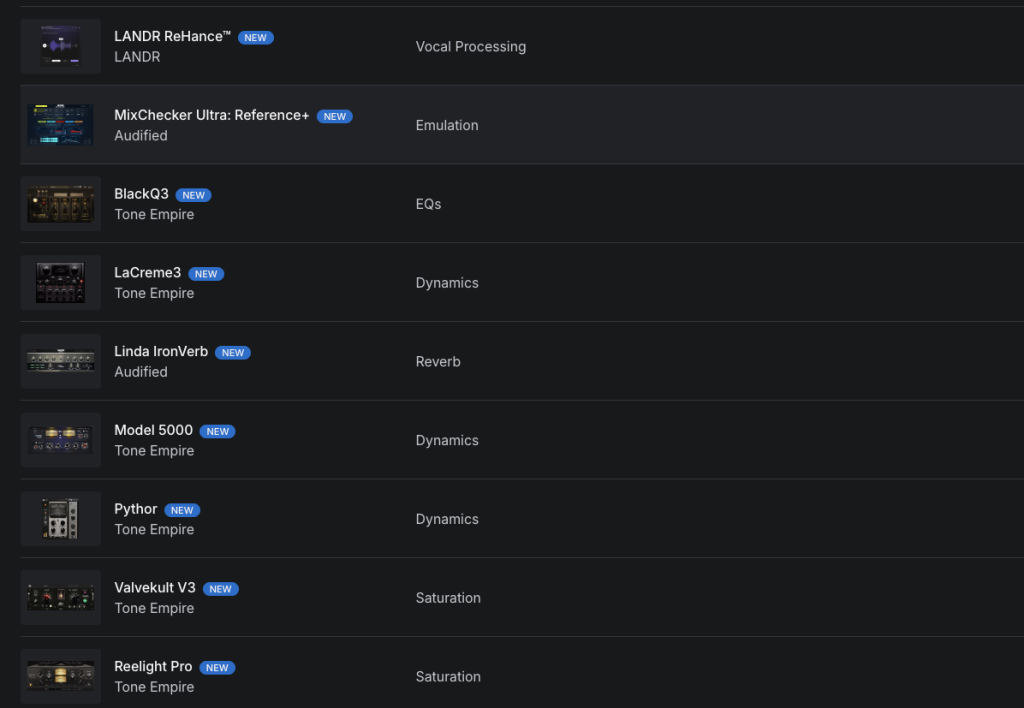
If I were recommending one subscription to a newer producer who needed the broadest possible support, LANDR Studio would be my first pick. It covers several parts of the process that beginners usually try to solve with separate services. You can work on rough masters, handle distribution, pull from samples, access plugins, and keep important parts of your workflow under one roof.
That makes a big difference when you are still learning what each stage of production actually requires.

One of the biggest reasons I have found that LANDR belongs in the top spot over the months of using it is that it helps newer producers finish music and get it out publicly. That part often gets ignored in beginner conversations. A lot of producers spend months collecting plugins and sample packs, then stall when it is time to bounce a final version, upload it, and prepare a release. LANDR closes that gap.
You can move from demo to release without needing a separate distributor on day one, and that kind of simplicity is invaluable when you are still building habits that will last you your entire journey as an aritst.
The mastering side also gives beginners a useful reference point during production. I am not talking about replacing a skilled mastering engineer in every case. I am talking about having a fast way to hear how a track reacts when it is pushed closer to release level. For a newer producer, that can help reveal low-end buildup, harsh top-end decisions, and arrangement issues that feel hidden in a quiet premaster. It also gives you something immediate to compare against as you keep refining the mix.
Another reason LANDR works well for beginners is that it bundles access in a way that can reduce random spending. At this stage, many people burn money on isolated purchases because they have not yet figured out what they actually need. One month they buy a distributor. Next month, they will grab a mastering tool. Then they start paying for samples somewhere else. Then they add plugins from another company. LANDR gives newer producers a cleaner starting point because several of those needs are already connected.
I also like it for producers who want to keep the momentum high.
When your tools live in one system, you spend less time moving between platforms and less time talking yourself out of finishing work. That may sound small, but it adds up. Newer producers do better when the barrier between writing a track and publishing a track stays low. LANDR helps keep that barrier low, which is exactly why it deserves the lead placement in a list like this.
2. Loopcloud
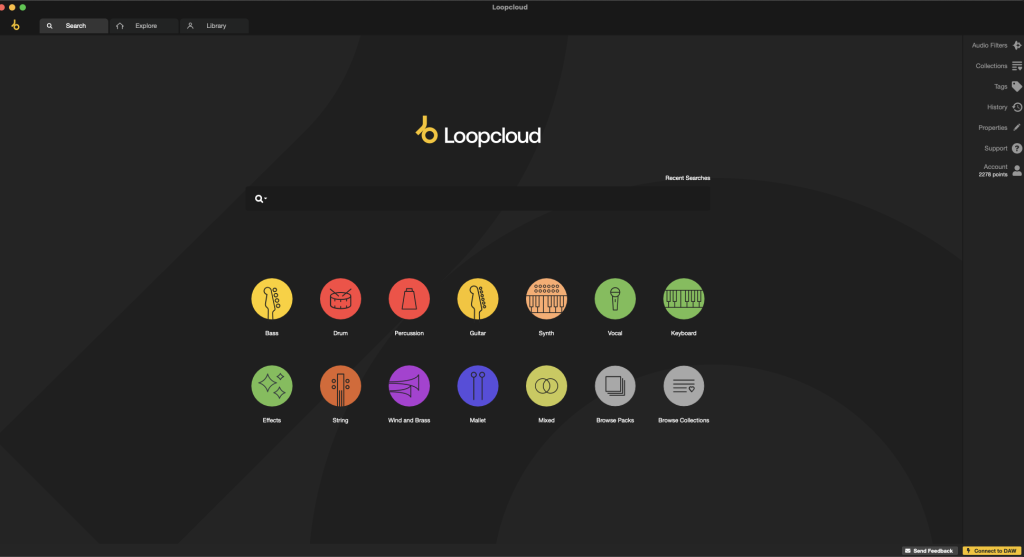
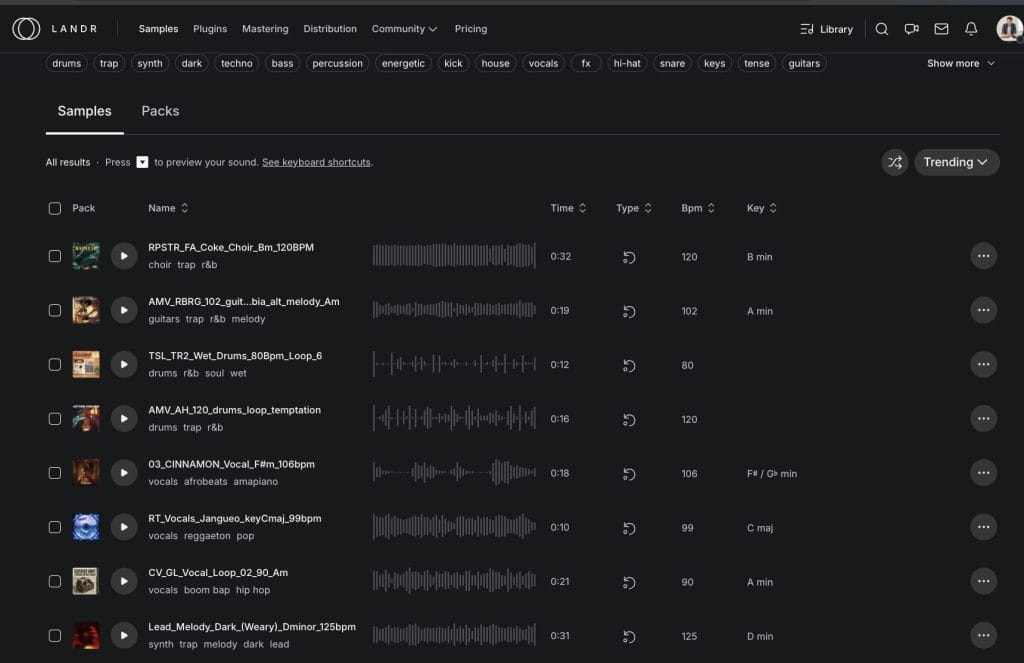
If LANDR is the broad all-in-one option, Loopcloud is the subscription I would point to for sample discovery. For new producers, that part of the workflow can quickly become a time sink. You open a browser, scroll through endless packs, download too much, keep multiple tabs of your favorite packs open at once, then lose track of what you grabbed three weeks later. Loopcloud handles sample search more cleanly, and I still think it is one of the better platforms for producers who want speed and organization rather than chaos.
The feature that makes the biggest difference is the ability to audition sounds in sync with your project before bringing them fully into the session.
That changes the decision-making process in a way that most producers, especially newer producers and artists, need to pay attention to.
For a beginner, that can save a surprising amount of time and can also teach arrangement instincts because you start hearing very quickly which parts actually support the idea in front of you.
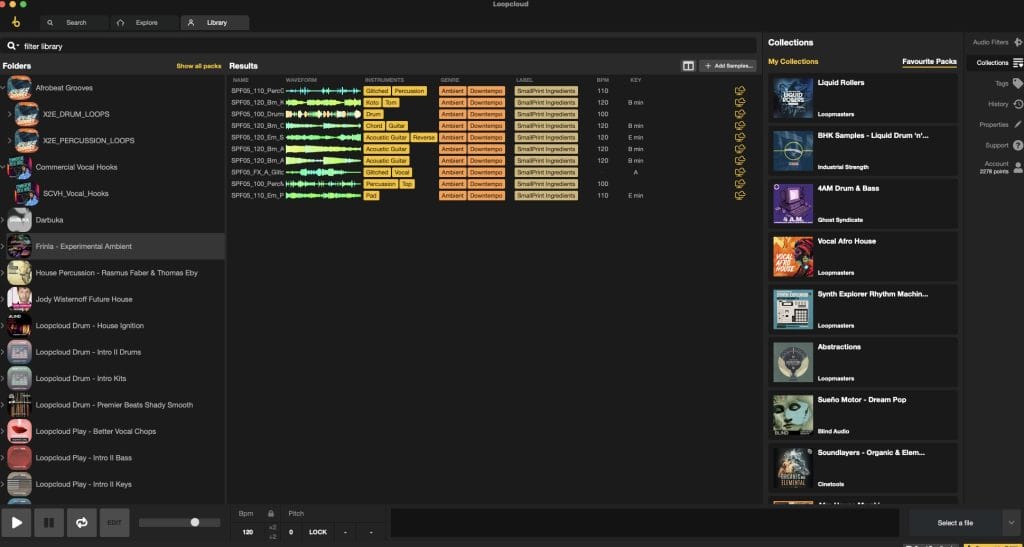
I also rate Loopcloud highly because it can help newer producers stay organized, which is something most don’t start doing until it’s too late. If you’re reading this, organize early and organize often!!!
That sounds boring, but poor file management ruins many creative sessions. When your samples are scattered across drives and download folders, writing music gets slower for no good reason. Loopcloud gives producers a better way to sort, search, and recall material, which is useful long after the beginner phase ends.

Compared with platforms that feel built around collecting as much material as possible, Loopcloud feels better suited to targeted search. That is one reason I would place it above Splice for many beginners. A new producer usually does not need access to a giant pile of random files. They need the right kick, the right percussion loop, the right vocal chop, and a fast way to test those options. Loopcloud supports that process well.

Another point in its favor is that it helps producers build a library with more intention. Instead of grabbing hundreds of files because they might be useful later, you can search for what the track needs now. That keeps your folders cleaner and your creative decisions tighter.
For beginners, that is a real advantage because too many options can slow progress before the song has even started to take shape.
3. Basic Wave Creator Hub
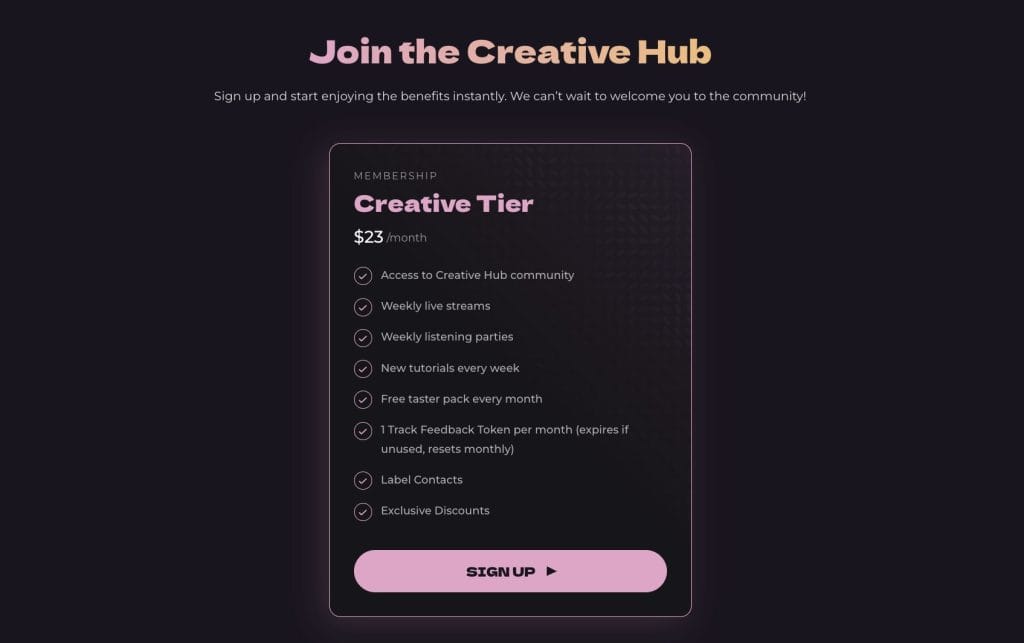
The last subscription on this list is less about tools and more about growth habits. Basic Wave Creator Hub belongs here because newer producers often do not have a software problem. They have a follow-through problem. They start tracks, lose confidence, avoid feedback, and drift between tutorials without presenting finished work to others. Community-based subscriptions can help fix that.
What I like about Basic Wave Creator Hub is that it adds structure around progress. A newer producer benefits from regular feedback, deadlines, discussions, and direct contact with people who are also trying to improve. That changes the learning environment. Instead of working in isolation and guessing if a track is on the right path, you get a place to compare notes, ask targeted questions, and hear how other producers are solving similar issues.
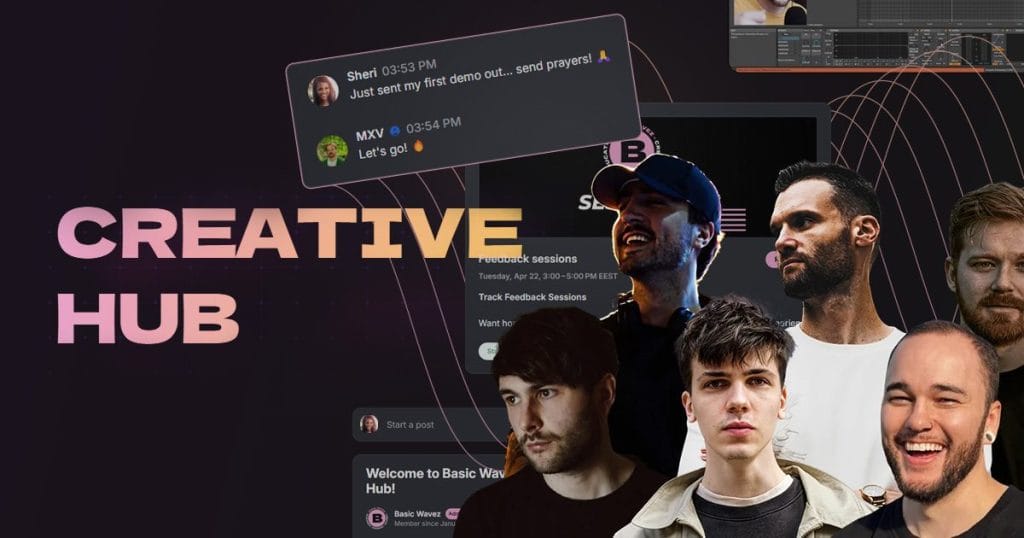
It also pairs well with Patreon which we’ll talk about here in a second.
Patreon can give you access to a specific educator or producer. A creator hub community can broaden that by giving you a network of peers and a steady rhythm of interaction. That is useful because production skills improve faster when you are finishing work, sharing it, and hearing how others approach the same technical problems.
For a beginner, this type of subscription can also help turn passive learning into active practice. Watching tutorials feels productive, but real progress usually shows up when you apply an idea, get feedback, revise, and try again. A community-centered subscription makes that loop easier to maintain. That is why I would include it in a list built around real value for new producers instead of pure feature count.
4. Patreon
Patreon can be a very practical subscription for newer producers when it is approached as a learning tool first.
The producer-focused accounts worth paying for usually give subscribers project files, track breakdowns, production feedback, Discord access, livestreams, and a closer look at how finished records are actually built. That kind of access can be far more useful than jumping between disconnected tutorials with no shared context.
It also fills a different role from large public education platforms. Public video platforms are useful for broad searches, but Patreon usually offers a tighter focus. A producer can subscribe to someone whose genre, workflow, and technical approach line up with the music they want to make. That makes the learning process narrower and easier to apply in real sessions.
The most useful Patreon memberships tend to include practical assets.
Project files let newer producers inspect arrangement choices, automation, routing, plugin use, and mix structure inside a finished session. Track breakdowns help explain why those decisions were made. Feedback streams are useful because they show how an experienced producer hears common mistakes in balance, sound selection, and song structure. Community access also has real value because it creates a smaller space for asking questions and meeting other producers at a similar stage.
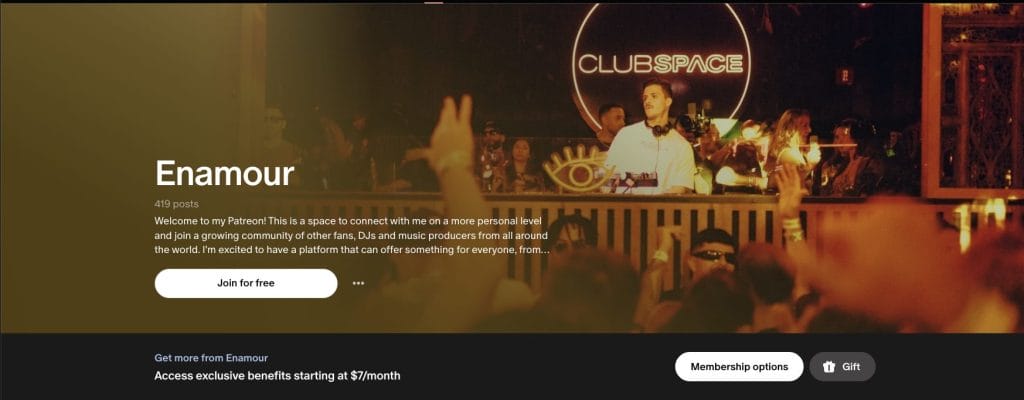
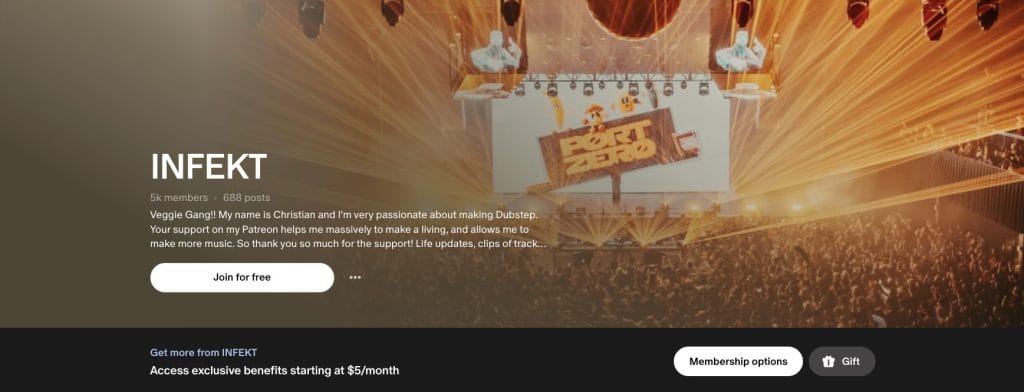
A few Patreons fit this producer-first model especially well. Enamor works great for producers who want closer access to a club-focused creative process and a more specific stylistic lane (and has some killer free content here as well). Dowden is another useful example because his Patreon includes the kind of project-file and tutorial-driven content that can help newer producers study complete workflows instead of isolated tricks. Keota has also earned a good reputation for practical teaching, including tutorials and one-on-one lessons, while Infekt, who recently did a killer interview with us, has been praised for classes and regular process streams.
KOAN Sound, Deadcrow, and longstoryshort also come up often in conversations around production breakdowns and educational value.
That is where Patreon becomes useful for beginners. It supports independent creators, but it also gives newer producers access to working methods, feedback structures, and smaller learning communities that can be easier to grow inside. Used carefully, it can be one of the smartest subscriptions in a beginner producer budget.
5. Slate Digital Complete Access

A newer producer does not need to spend the first year buying isolated plugins one by one.
They need a reliable set of tools that can handle the core jobs in a mix, and that is where Slate Digital Complete Access makes sense as a subscription pick. It gives beginners access to a large bundle of mixing and mastering tools under one plan, which is useful when you are still learning what each processor actually does and how often you will use it. Plus, there aren’t many incredibly high-quality analog emulation plugins out there that offer this approachable pricing model, which is why SDCA is an easy recommendation here.
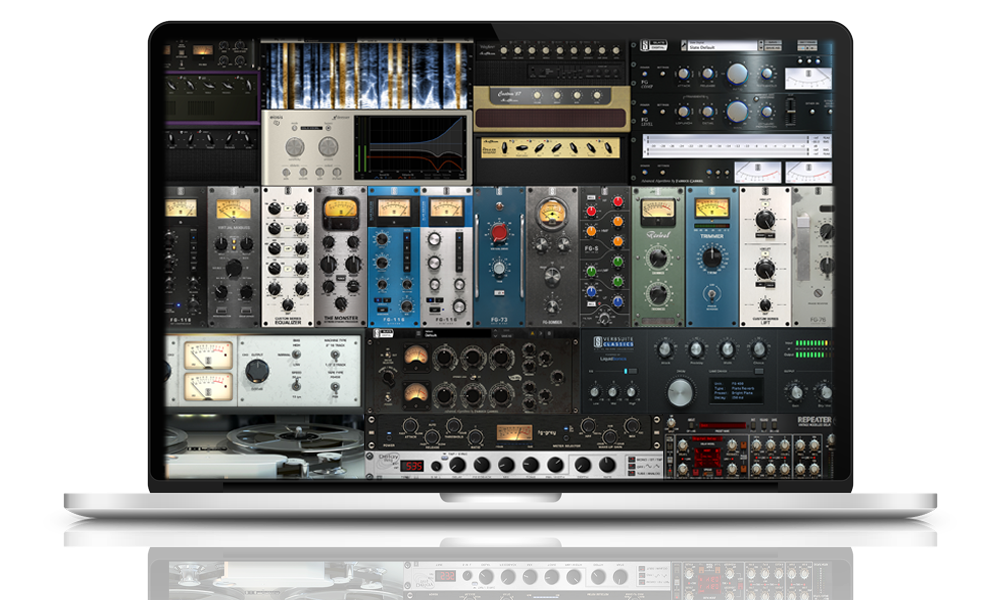
One of the main reasons I would recommend Slate here is that it covers a lot of ground without forcing a new producer into constant piecemeal purchases. EQs, compressors, channel strips, mastering tools, and utility processors are already inside the subscription, and the bundle also includes content from SSL and Harrison.
That gives a beginner a broader foundation right away and lets them spend more time learning signal flow, tone shaping, and mix decisions instead of shopping for a new plugin every other week.
I also like the educational angle here. Slate includes courses and additional learning materials within the membership, making the subscription more useful for someone who is still connecting the dots between owning tools and knowing how to apply them.
For a newer producer, that combination of access and instruction can make the monthly cost easier to justify, as the subscription serves as both a toolkit and a learning resource.
Final Thoughts
The best subscriptions for new producers are the ones that remove friction at the exact stage where beginners usually stall. LANDR Studio leads this list because it covers the widest range of needs in one place and helps newer producers move from unfinished tracks to actual releases. Loopcloud earns its place because sample discovery gets easier when you can search, test, and organize sounds without wasting half a session.
Patreon works best when it gives direct access to project files, breakdowns, and smaller producer communities. Other options on the list give beginners a wide set of central mixing tools without forcing a large upfront buy. Basic Wave Creator Hub fills an equally important role by helping newer producers stay accountable and connected (plus it’s an easy thing to recommend, seeing as we’ve signed a couple of artists within this community to our record label).
If I were building from zero, I would not subscribe to everything at once. I would start with the service that solves the most immediate bottleneck. If the problem is finishing and releasing, start with LANDR. If the problem is finding usable sounds, start with Loopcloud. If the problem is learning from working producers, start with Patreon. If the problem is building a starter mixing toolkit, start with Waves. If the problem is consistency and feedback, start with a creator community.
New producers usually improve fastest when they reduce confusion, keep the workflow simple, and put their monthly budget into tools or communities they will actually use every week.
Frequently Asked Questions About The Best Subscriptions for New Music Producers and Artists
What is the best music subscription for artists?
For most newer artists and producers, the best music subscription is the one that covers the most daily needs in one place. LANDR Studio fits that description well because it combines AI mastering, distribution to 150+ streaming platforms, royalty-free samples, plugins, courses, and collaboration tools inside one membership. That combination is useful for artists who are still building a release pipeline and do not want five separate subscriptions eating up their budget.
If the main goal is simplifying the move from demo to release, LANDR is one of the clearest options in this category.
What program do most music producers use?
There is no single program that covers most producers across every genre, but Ableton Live, FL Studio, and Logic Pro are still the three names that come up the most in modern production conversations. Ableton remains especially common among electronic producers because its session-based workflow, built-in devices, and live performance roots still suit loop-based writing and arrangement.
Logic Pro remains a major option for songwriters, producers, and composers working inside Apple’s ecosystem, while FL Studio still holds a huge user base in beat-making and electronic production. In practice, newer producers should focus less on chasing a universal winner and more on picking the DAW that keeps them writing consistently.
Which music distributor is best for beginners?
The best distributor for beginners is usually the one that keeps the upload process simple, has transparent pricing, and does not make release management feel like admin work.
LANDR Distribution checks those boxes because it offers unlimited releases on its plans, sends music to 150+ stores, lets artists keep 100% of streaming revenue, and states that music can stay live even if the subscription is canceled. That is a useful setup for newer artists who are trying to release singles steadily without getting buried in hidden fees or overly complicated plan structures.
Beginner-friendly distribution should reduce friction, and that is where LANDR has a practical edge.
What’s the best platform to put music on if you’re new?
If the question is where new artists should upload music first, the answer is not one single platform in isolation.
A new artist usually wants a distributor that can place music across the major streaming services at once, which is why a service like LANDR makes sense as the starting point rather than choosing Spotify or Apple Music one by one. LANDR says it distributes to 150+ streaming platforms and stores, and that wider reach is a better move for early releases because it gives a track more chances to be found.
For someone at the beginning, broad distribution and simple release setup usually beat platform-by-platform thinking.
What software does Billie Eilish use?
Billie Eilish is most closely associated with Logic Pro through her work with FINNEAS, especially around the home-recorded process that became part of their public story early on.
Apple continues to position Logic Pro as one of its flagship creation tools, and that lines up with the long-running association many listeners and producers already make with Billie and FINNEAS. It is still the safest shorthand answer for an FAQ like this, even though artists at that level can pull from additional tools during recording, editing, and mix stages. For a newer producer, the real takeaway is that major records can be built inside a mainstream DAW without a complicated setup.
What is the 80/20 rule in songwriting?
The 80/20 rule in songwriting is a practical idea, not a formal industry rule.
Most people use it to mean that a small part of a song usually delivers most of the result, so the chorus, topline, hook, and core emotional idea deserve the most attention first.
For newer producers, that is a useful reminder because it keeps sessions focused on the few elements that carry the record instead of wasting hours polishing details that do not improve the song itself. In real writing sessions, it usually means getting the hook, structure, and vocal or lead idea right before getting lost in sound design or mix polish.

Will Vance is a professional music producer who has been involved in the industry for the better part of a decade and has been the managing editor at Magnetic Magazine since mid-2022. In that time period, he has published thousands of articles on music production, industry think pieces and educational articles about the music industry. Over the last decade as a professional music producer, Will Vance has also ran multiple successful and highly respected record labels in the industry, including Where The Heart Is Records as well as having launched a new label with a focus on community through Magnetic Magazine. When not running these labels or producing his own music, Vance is likely writing for other top industry sites like Waves or the Hyperbits Masterclass or working on his upcoming book on mindfulness in music production. On the rare chance he's not thinking about music production, he's probably running a game of Dungeons and Dragons with his friends which he has been the dungeon master for for many years.