Table of Contents
Search for the best drum and instrument generators right now, and the category gets messy fast, because a lot of these tools are solving completely different problems under one search term. Some are trying to write patterns around your song, some are virtual drummers built for arrangement work inside a DAW, and some are really sample engines that help you get usable kits and grooves out of a giant folder full of one-shots.
That difference is why LANDR Layers, who were kind enough to sponsor this article, though they had absolutely no say in what was included or how it was ranked, deserve some spotlighting here because it is aimed at the broader writing problem instead of one narrow task and checks almost every box you’d be looking for in a drum and instrument generator.
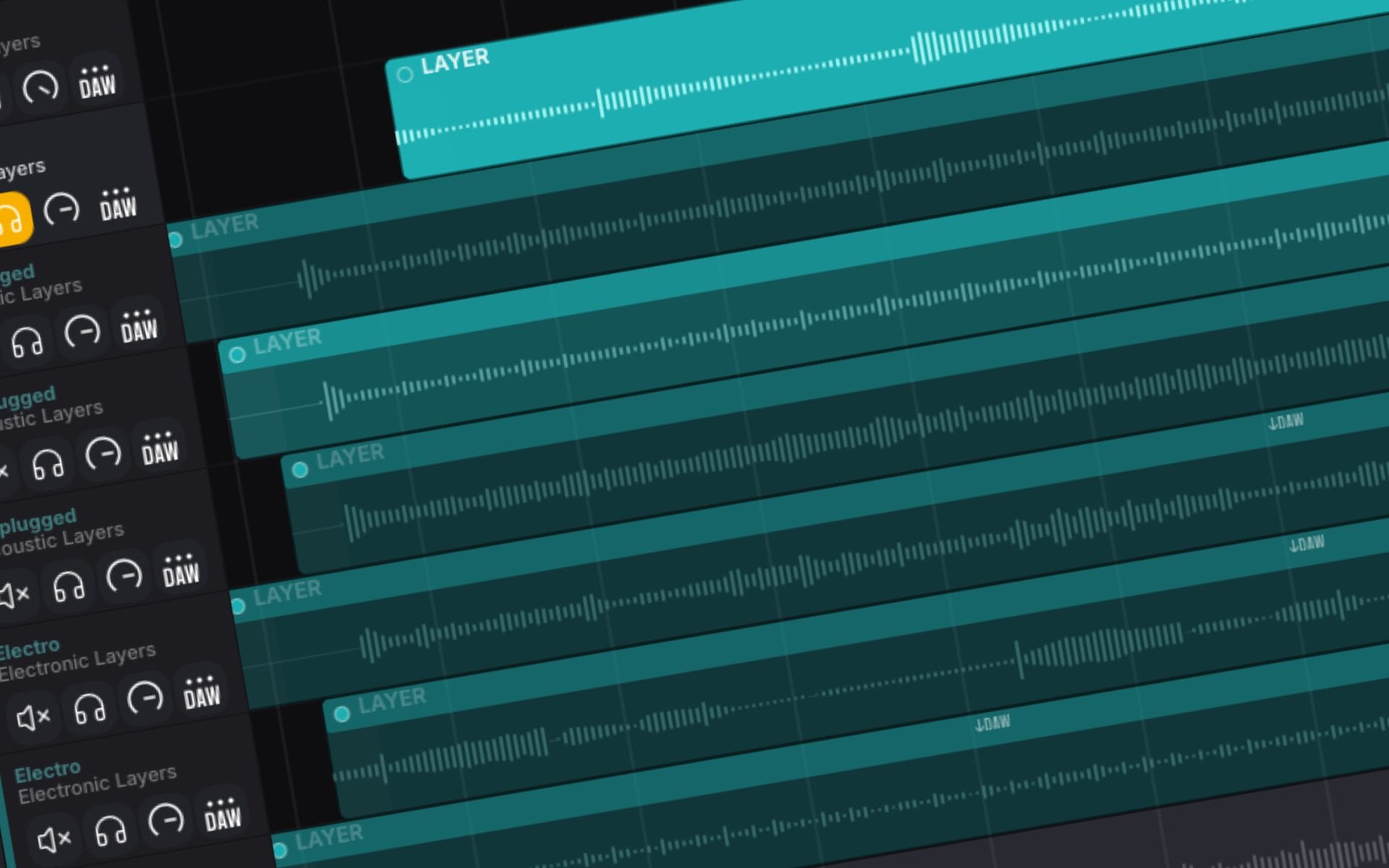
Don’t get me wrong, I’ve had a chance to mess around with all of the plugins on this list and they all have some really cool fweatures that help you write songs and stay inspired, but LANDR says Layers can listen to your track, read tempo, harmony, and arrangement, and generate drums, bass, instrumentals, and textures that fit that material, then export them as 48 kHz / 24-bit WAV files for direct use in a DAW.
That’s pretty cool!
That broader role makes it useful for this article, because producers are not always looking for a plugin that only provides a kick pattern or a stock groove. A lot of the time, the real problem is section writing, momentum, and getting the next pass of the arrangement moving without opening five separate tools. So let’s break down my short list of generators so you can find what one works best for you, depending on how you write, what DAW you use, and how much of your process revolves around audio generation, virtual performance, or sample library management.
#1 LANDR Layers
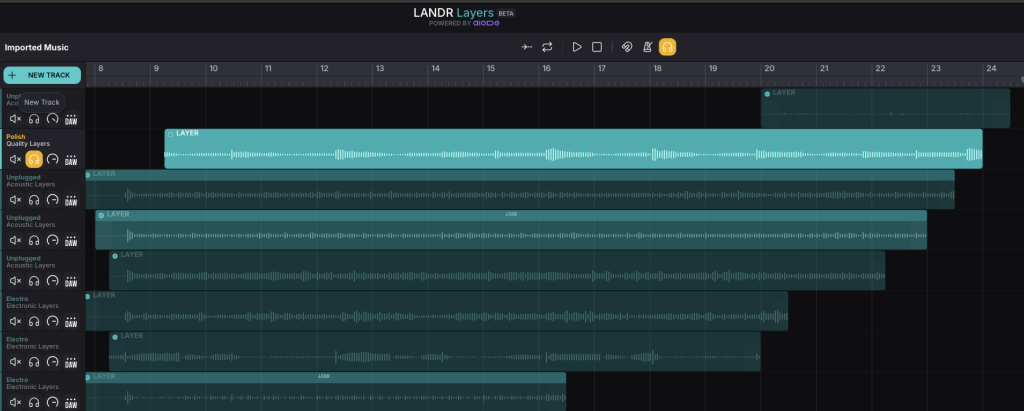
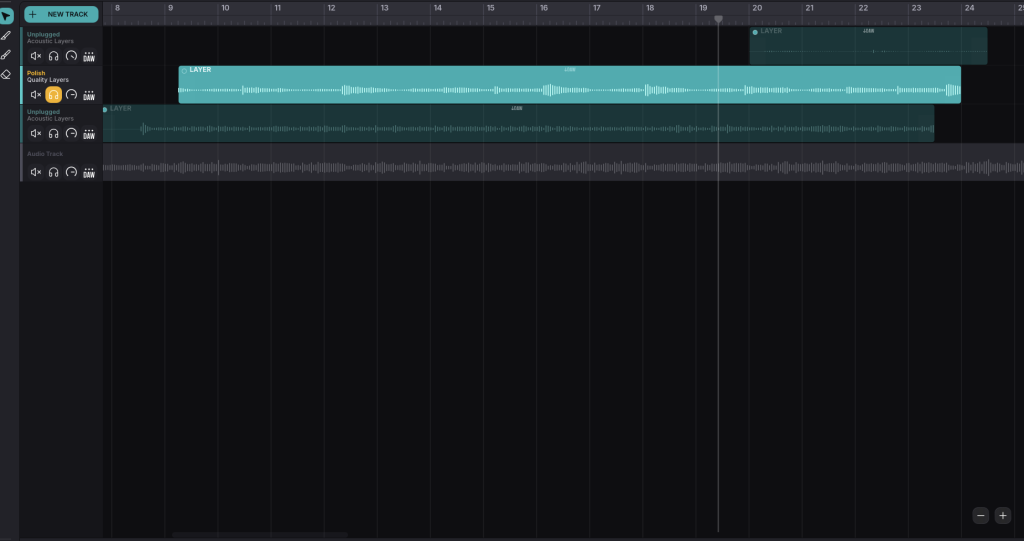
LANDR Layers lands first because it feels built around the actual state of a modern session.
Instead of asking you to begin from an empty piano roll, it starts with the track you already have, and that changes the value of the tool right away. LANDR Layers is a way to generate arrangement-focused parts around an existing song, and that distinction is important because the output is meant to support a section, not simply fill time. In practice, when you’re working in your DAW, that makes Layers feel closer to a session assistant than a classic drum instrument, and that is a very useful editorial angle in 2026, which makes all the difference if you ask me.
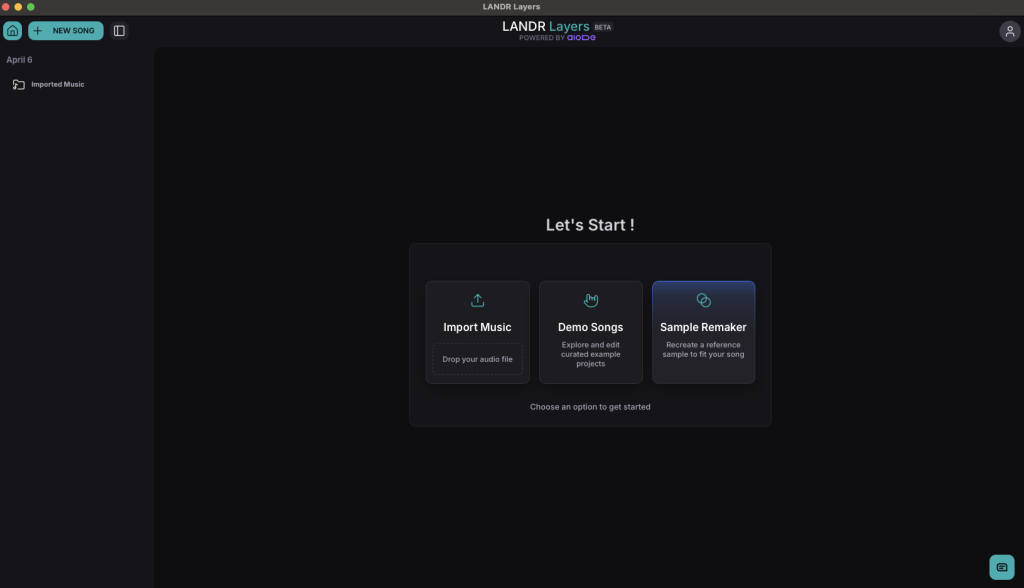
There is also a rights-and-training-data angle here that deserves a nod, because a lot of music AI copy still feels vague on ownership (and that’s before the other convo enters, about the artistic independence of those making music in the first place).
LANDR is unusually direct on this point: LANDR states that users have full rights to use the music they generate with Layers, including releasing, publishing, and distributing it, and the system is trained on consent-based data through its Fair Trade AI program, with contributors receiving recurring revenue shares.
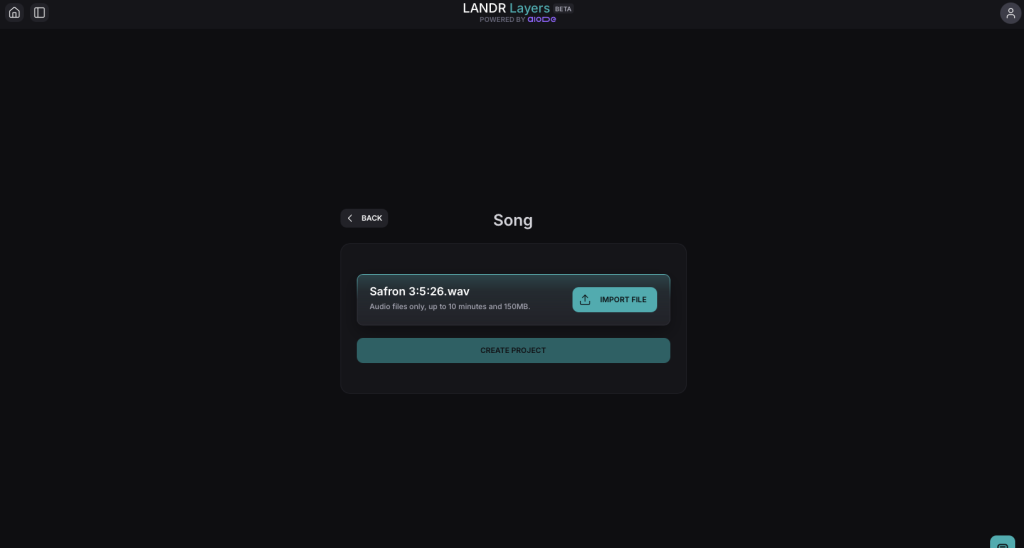
That gives you a cleaner framework for discussing AI-assisted production and keeps this section from reading like the same recycled pitch about convenience and speed.
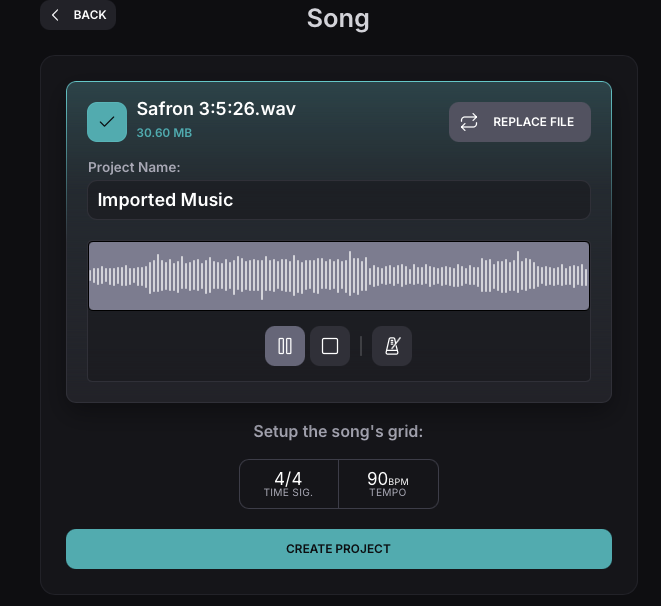
From my viewpoint as a producer who has been doing this for about 13 years now, Layers has its place in this shortlist because it covers more than one hole in a session. If you need a drum part, a bass line, extra harmonic movement, or a textural layer to keep a section from feeling thin, the tool is already well-suited to handle that broader request.
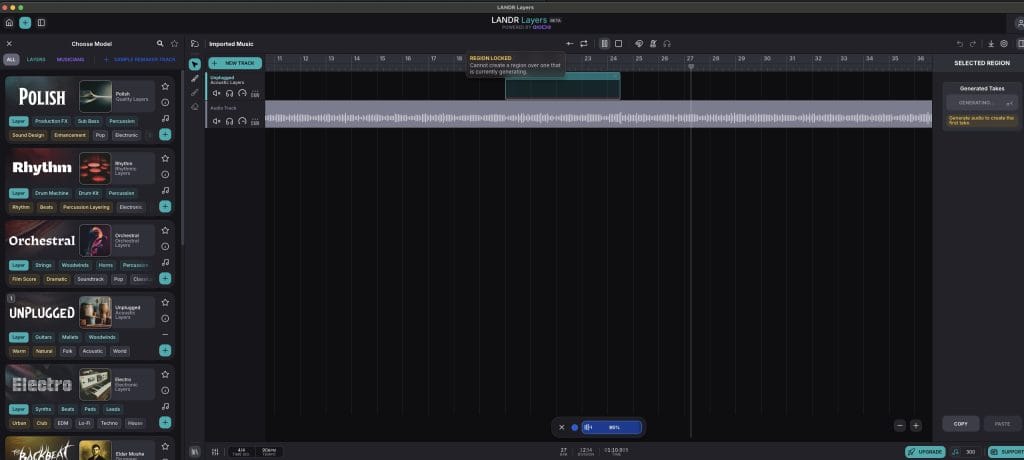
The current market has no shortage of tools that handle a single rhythm task well, though fewer are built to help a producer move a half-finished arrangement toward a more complete draft in a single environment and that’s why Layers brings home the bacon.
#2 Logic Pro Drummer
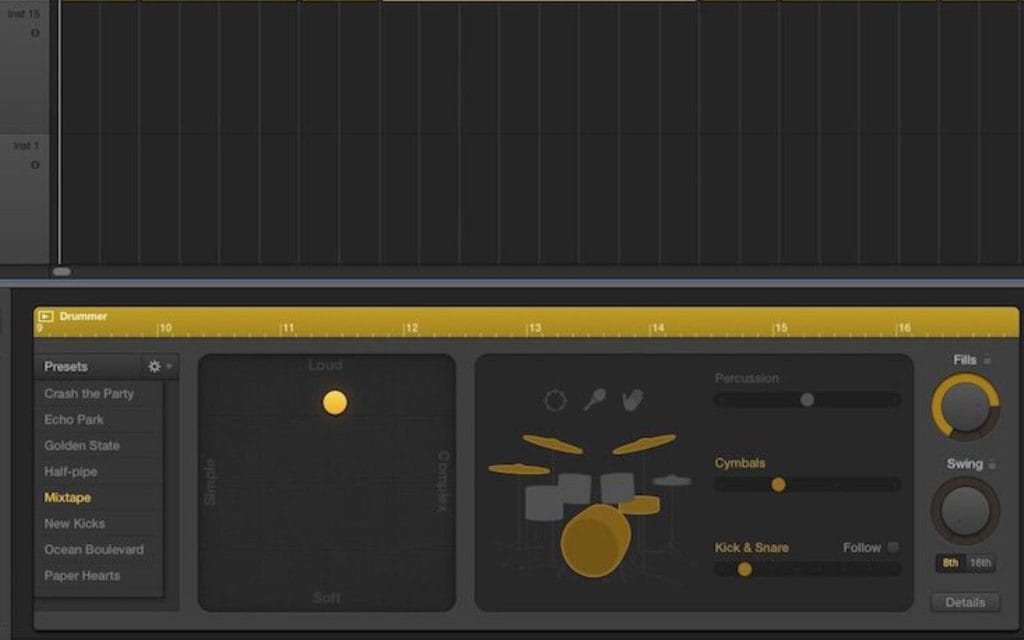
Logic Pro Drummer still deserves a spot near the top of any list like this, and a lot of that comes down to how easy it is to reach. For Mac users already working in Logic, it is built in; it includes genre-based drummers across rock, alternative, songwriter, R&B, electronic, hip hop, and percussion lanes, and it avoids the usual detour into separate installation and authorization steps. That low-friction setup still counts for a lot, especially for producers who want to move quickly and keep their writing process within a single DAW window.
Apple has also kept enough edit depth in the feature set that Drummer can go past sketch duty.
The user guide covers editing a drummer’s performance, following the rhythm of another track, working with Producer Kits, and converting Drummer regions to MIDI. That combination makes Drummer useful at two stages of production. Early on, it helps you get a part moving fast. Later, it gives you a path into detailed work when the arrangement is already defined, and you want tighter control over the result.
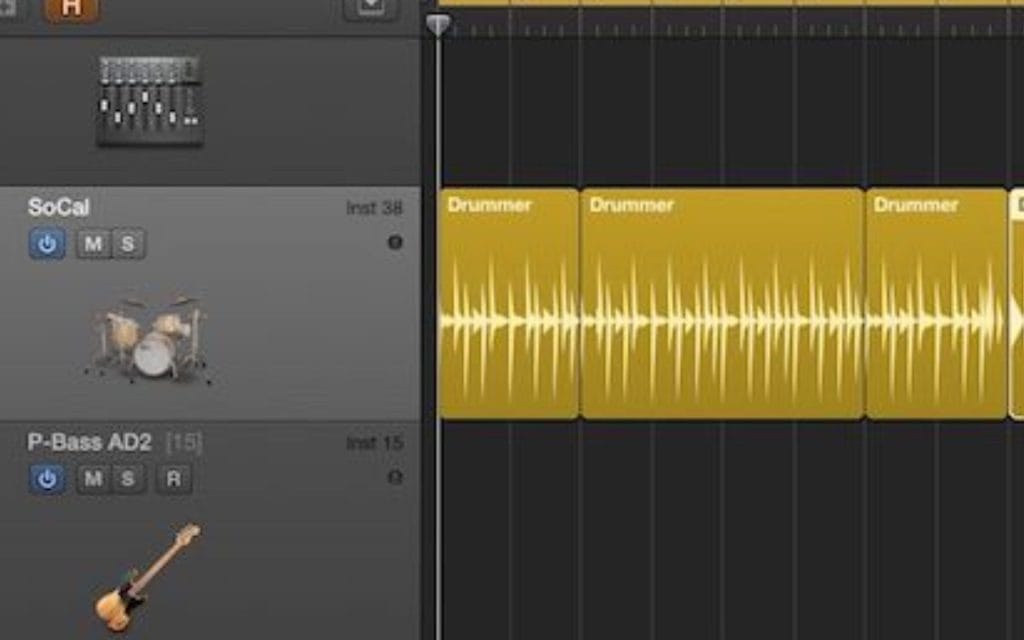
Producer Kits are still one of the better reasons to keep Logic Drummer in this chat at all, because Apple gives you access to the full multi-miked drum kit instead of leaving you with only a stereo print. Much of the info you can find on it online outlines how choosing various options opens up all 15 individual drum microphone channel strips, along with additional room and replacement options. That gives the feature a clear mixing angle and helps Logic Drummer feel less like a shortcut and more like a workable production tool once a song gets serious.
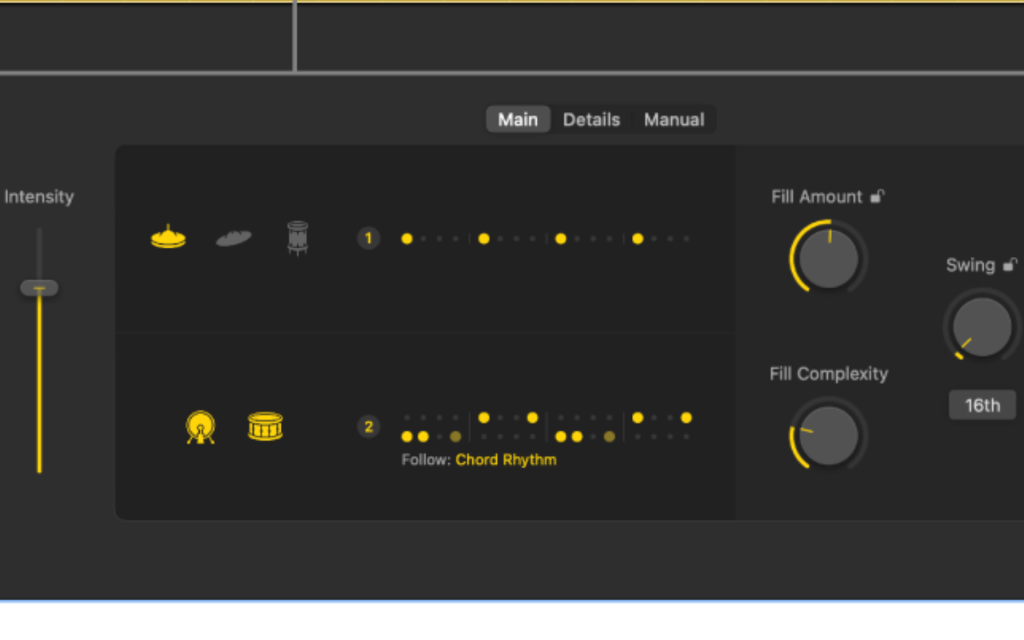
I also think Logic Drummer is easy to recommend because it does not pretend to be something it is not. It is not trying to be a generative rights-cleared stem builder, nor is it trying to be a sample-library search engine. It is a DAW-native drummer with sufficient genre coverage, performance editing, and routing depth to remain useful for a long time.
For producers already paying for Logic, that value is hard to ignore.
#3 Toontrack EZdrummer 3
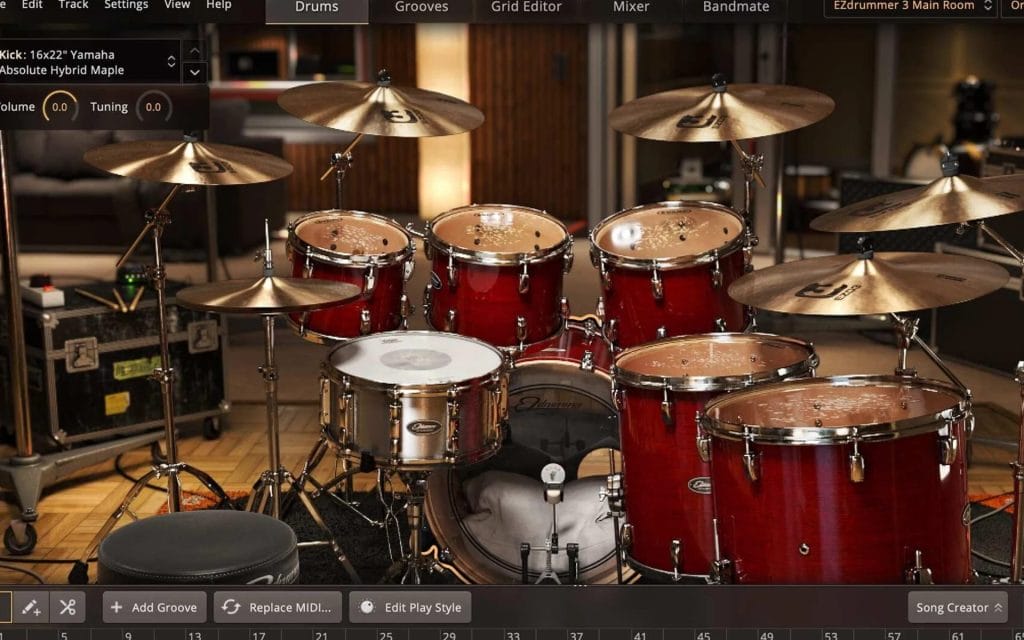
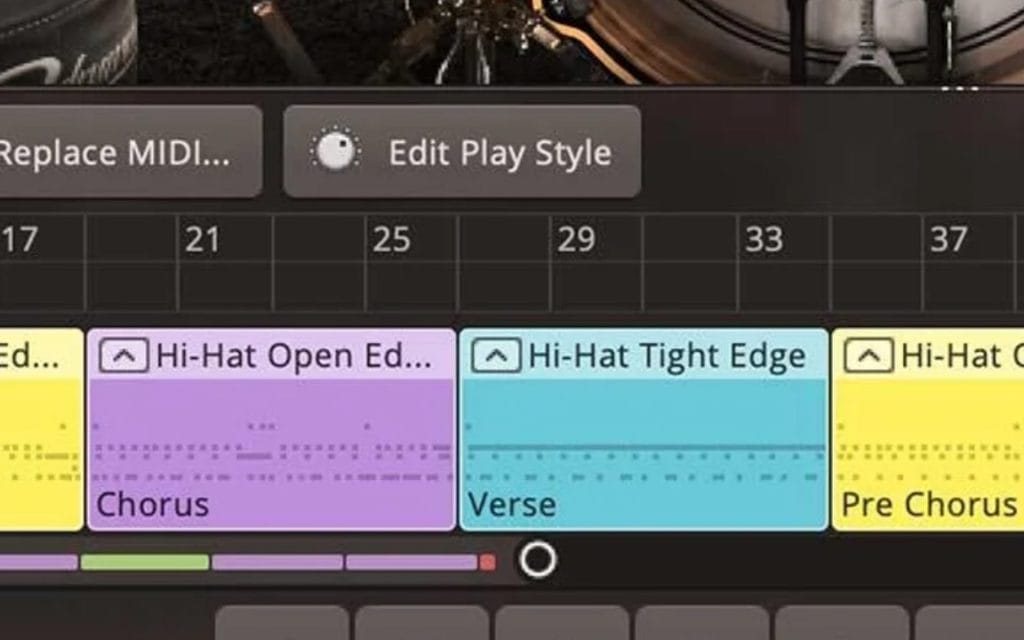
EZdrummer 3 still earns its place because Toontrack has kept the product centered on songwriting speed, and that focus is very clear in the current feature list. Bandmate and Tap2Find remain the headline bells and whistles with this one, reflecting the instrument’s central soul and identity. Bandmate is built to suggest grooves based on your material, while Tap2Find gives you a direct route from a pattern in your head to matching MIDI content. That is a super practical workflow for writers chasing momentum who do not want to spend half an hour scrolling through menus before the section even starts moving.
The rest of the package supports that razor-focused functionality well too.
Toontrack lists an onboard grid editor, a step sequencer, seven kits with extra snares, kicks, and cymbals, roughly 15 GB of drums, cymbals, and percussion, mix-ready presets, and a large MIDI library of grooves and fills. That gives EZdrummer 3 a balanced footprint. It can move quickly when you want a sketch, and it still has enough editing and content depth to hold up through longer into production.
I also think EZdrummer 3 works well in this list because it covers a lane that remains important to many of you out there. Not everyone wants AI-generated stems or a tool that rebuilds their sample library workflow. Plenty of producers still want a songwriting drummer who can take them from guitar, keys, or rough demo material into a believable performance with minimal drag. EZdrummer has held that position for years, and version 3 keeps that identity clear enough to feel relevant in a crowded field!
#4 XLN Audio XO
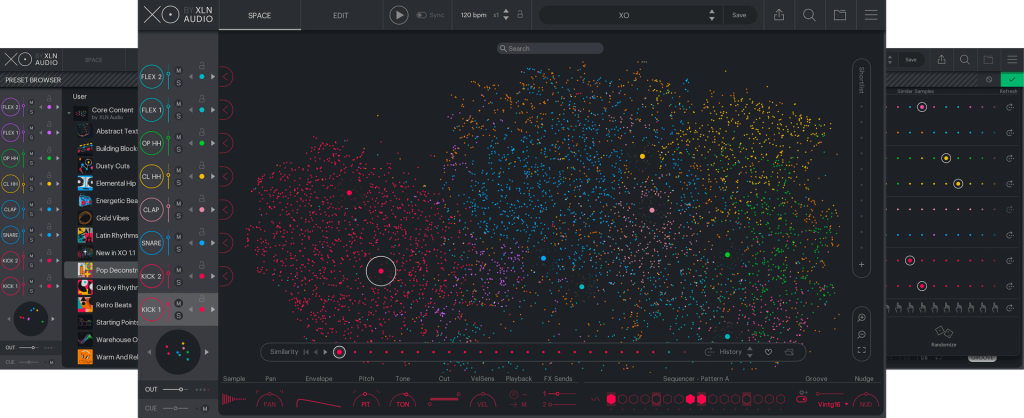
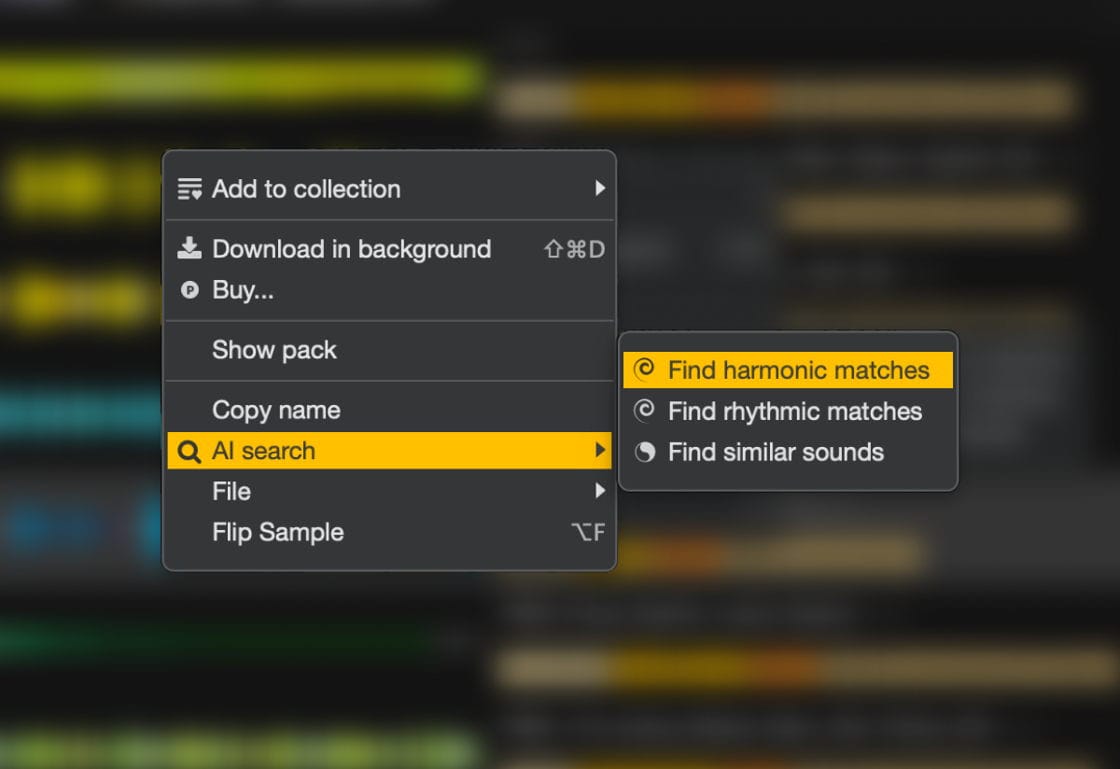
XO belongs in any legit roundup because it solves a very common producer problem that does not get enough attention in marketing buzz. A lot of people have huge folders of drum samples and still reach for the same handful on repeat (I know I do oftentimes), because browsing by folder name is slow and sample pack naming is usually messy. XO attacks that problem through its visual sample map and its similarity-based browsing system. XLN is pretty open when it says XO identifies one-shot drum samples and organizes them by similarity, giving you a route through a library based on sound rather than file structure.
That sounds simple on paper, though it is a big deal once your collection gets large (my sample library is about 200 gigs, even if I do find myself using the same 10 kick drums in all my tracks…)
The second reason XO works so well is that it does not stop at discovery.
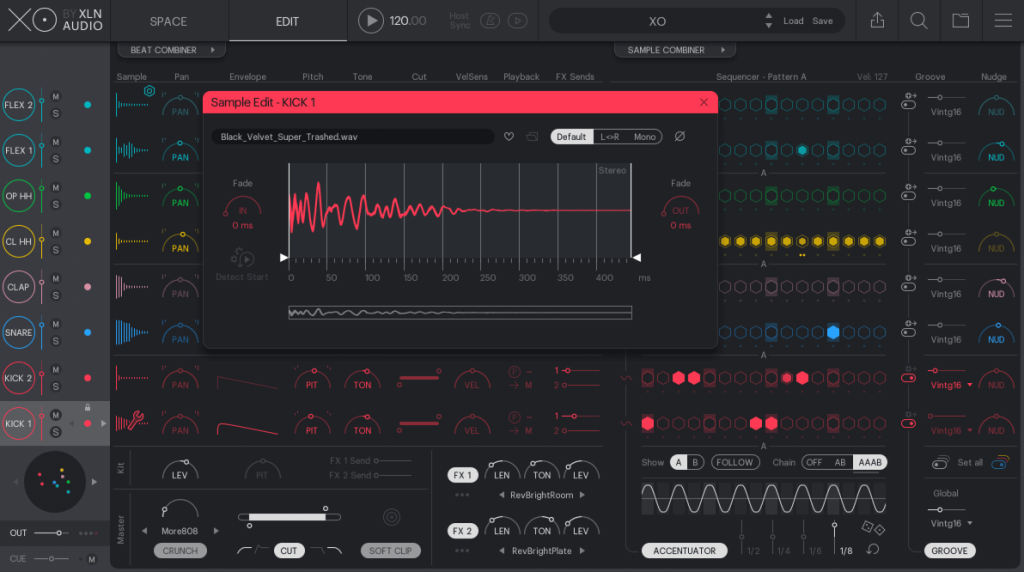
XLN says the instrument ships with more than 8,700 one-shot samples and over 240 editable presets, and it can also scan your own folders so the browser reflects your actual collection. That means XO can function as a fresh starting point for newer producers, while still being useful for someone with years of accumulated samples who needs a better route into their own archive.
What I like about XO in the context of this list here is that it is not trying to cover every possible production task. It has a clear purpose: to make sample selection faster and less repetitive. When producers talk about feeling stuck with drums, the issue is often not that they lack samples.
The issue is that the process of finding the right one is slow enough that they settle too early. XO addresses that bottleneck directly, which is a very different selling point from LANDR Layers or EZdrummer 3, and that helps the article keep each section distinct.
#5 Emergent Drums 2
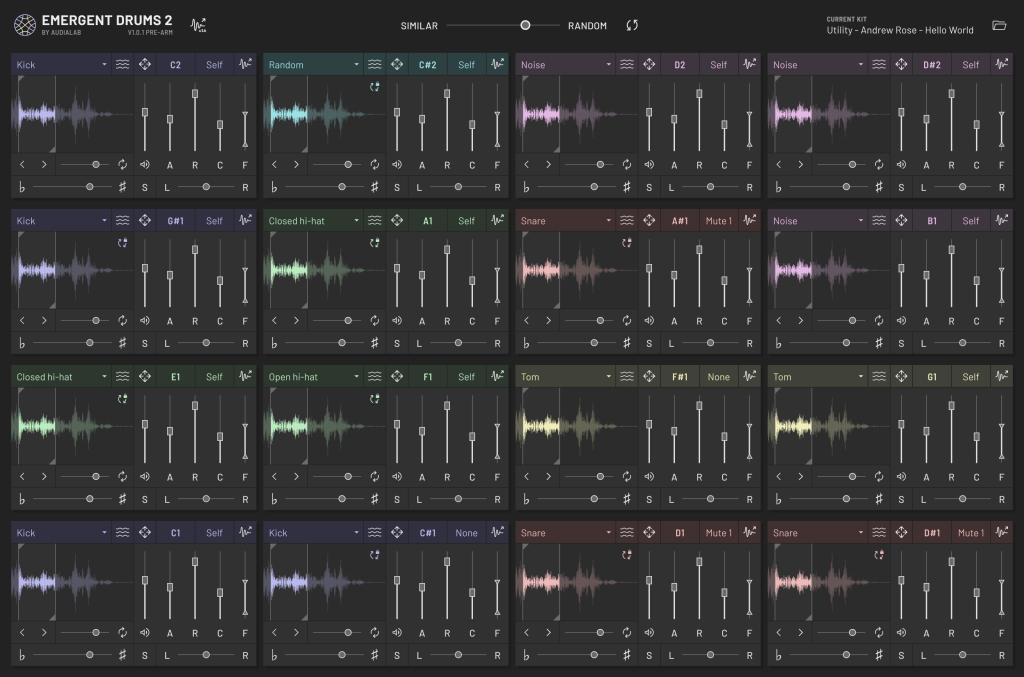
Emergent Drums 2 takes a very different approach from the aforementioned XO, because it is built around generating fresh one-shots instead of helping you navigate a library you already own. I think I would describe it as a generative drum sample engine, and the central pitch is easy to understand: generate infinite, unique, royalty-free drum samples, shape them inside the plugin, and export them into your session. Pretty vanilla summary I know, but hey… it is what it does!
For producers tired of hearing the same clap, the same hat, or the same kick across multiple projects, that is a clear reason to care.
The tool also has enough real production depth that it doesn’t read like a novelty item. It is a 16-pad instrument playable by MIDI, it includes a Similarity Slider (which is a big X-factor) for generating nearby versions of a sound you like, it supports multi-out routing, and it includes shaping functions like clipping, filtering, pitch shifting, trim, attack, and release. There is also a direct drag-and-drop path into a DAW, export options for full kits, bundled presets, user presets, and a compact view for working on one sound at a time.
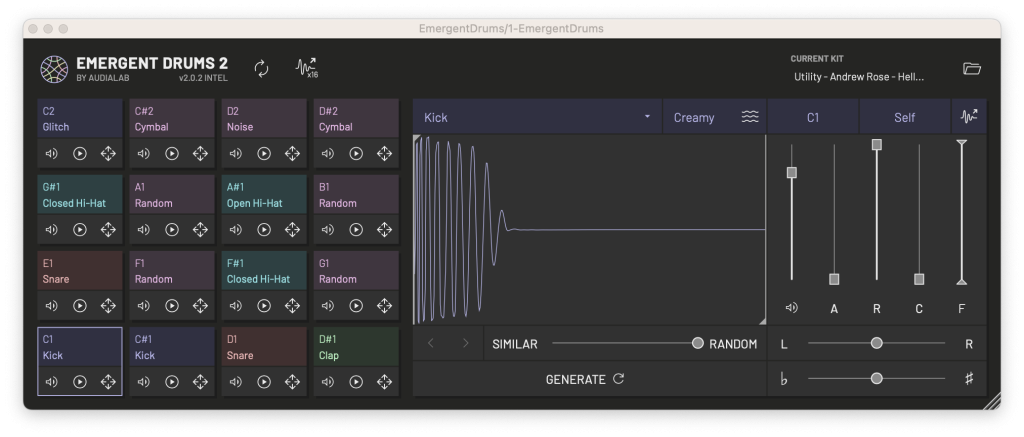
That is a fairly complete package for a producer whose main goal is source material rather than arrangement writing.
I think Emergent Drums 2 earns its spot because it addresses a recurring complaint in producer circles. Sample abundance has not solved sample fatigue. In many cases, it has made the problem worse because a large market of similar packs tends to flatten the range of choices people actually use. Emergent Drums 2 gives you a cleaner path to new source sounds, which helps this article cover a niche that the bigger mainstream names do not fully address.
#6 Algonaut Atlas 2
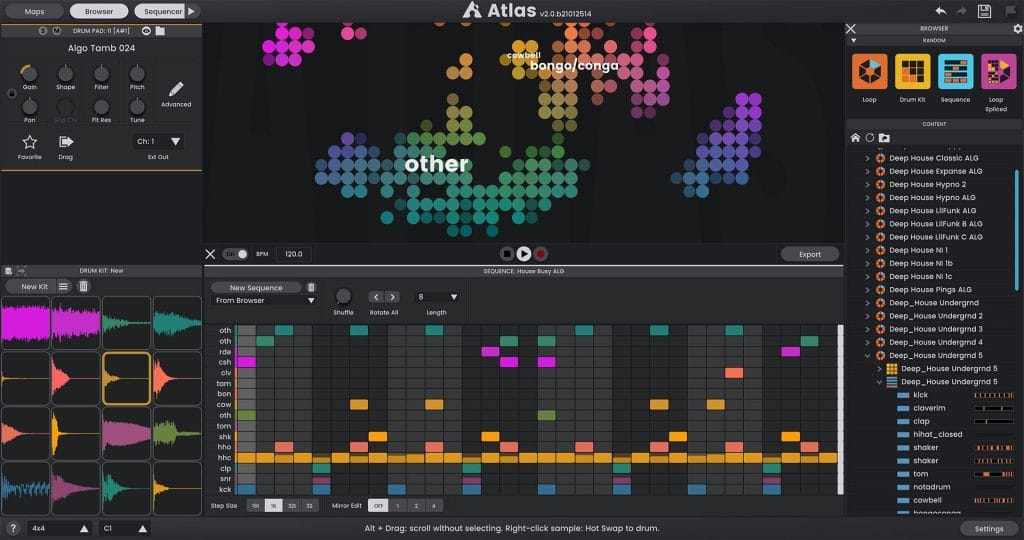
Atlas 2 sits close to XO from a distance, though its appeal is a little different once you get into the details. This big functionality on this one is its focus heavily on kits, sequences, browser management, portability, and content handling. The New Kit workflow can fill unlocked pads from assigned categories while locked pads stay in place, and that is one of those features that sounds modest until you start using it in actual writing.
Keeping the kick and snare you like while rotating the rest of the kit is a real improvement to how quickly you can audition ideas without destroying what already works.
Atlas also has a practical project-management side that deserves mention simply because it’s incredibly unique and I haven’t seen many other drum and instrument generators doing anything like it.
Atlas 2 can embed sample data into the DAW project, which helps avoid missing-file issues later, and the Browser handles content packs, maps, loops, sequences, and drum kits in one place. The Browser Random tools also give you a fast route into random loops, kits, sequences, and mixed combinations, which adds a helpful idea-generation angle without forcing the plugin to pretend it is an all-purpose composer.
For me, Atlas 2 works best as the organized producer’s sample engine. XO feels very centered on discovery by ear, while Atlas feels a little more focused on kit assembly, reusable content, and keeping a sample-based workflow stable over time. That difference is enough to keep them separate in the same article, and it gives the reader two meaningful options in the sample-management lane instead of two copies of the same recommendation.
#7 Jamstix 4

Jamstix 4 remains the specialist pick in this group, and that is exactly why I would keep it in the article. I would probably describe the current version as realistic style and drummer modeling, a rule-based fill generator, advanced timing feel, a limb-centric note editor, and interactive jamming. That language points to a very different product philosophy from most mainstream drum tools. Jamstix is interested in how a virtual drummer behaves, how fills are generated, how timing shifts can feel human, and how performance logic can stay plausible inside a programmed environment.
That behavioral angle becomes even clearer when you look at Rayzoon’s expansion material. The company highlights odd-time support in its expansion ecosystem and frames that as an area where many virtual drummer systems fall short. That alone makes Jamstix worth mentioning, because odd-meter writing is still ignored in many broader plugin roundups.
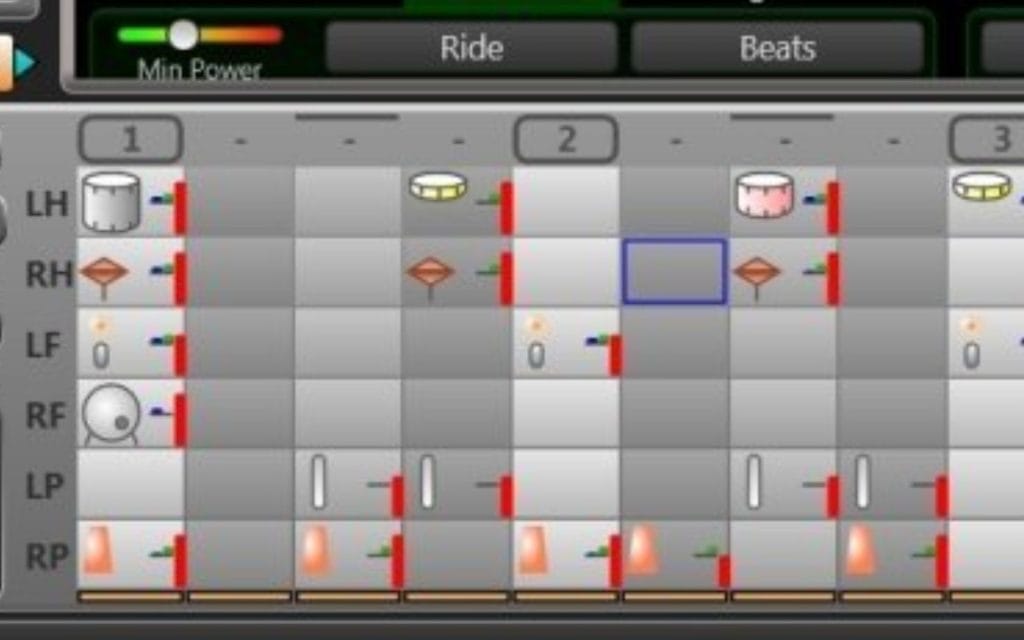
I would not place Jamstix first for a general audience, though I do think it deserves serious attention from producers who care deeply about timing, playability, and drummer logic. A lot of drum tools can give you a clean loop or a polished preset. Fewer tools are built to simulate performance behavior with this level of detail, which is why Jamstix still has value in 2026. Rayzoon also offers a free version of Jamstix 4, so it is easy to give it a try.
Final Take
If I were to reduce this to the most practical reading of the category, LANDR Layers is the first choice for producers who want track-aware help that spans drums, bass, and instrumental support within a single workflow. Logic Pro Drummer remains a very good answer for Mac users already inside Logic.
EZdrummer 3 still fits writers who want quick song-building tools. XO and Atlas 2 are ideal for sample-heavy workflows, though they attack that problem from different angles. Emergent Drums 2 is aimed at producers who want fresh one-shots, and Jamstix 4 is the deeper pick for performance logic and odd meter work.
LANDR Layers still holds the top spot for this piece because it aligns best with the number of producers working right now. The need is often bigger than finding one groove or swapping one snare. The real need is to get a section moving, fill out an arrangement, and do it in a way that keeps the session flowing and the ownership side clear.

Will Vance is a professional music producer who has been involved in the industry for the better part of a decade and has been the managing editor at Magnetic Magazine since mid-2022. In that time period, he has published thousands of articles on music production, industry think pieces and educational articles about the music industry. Over the last decade as a professional music producer, Will Vance has also ran multiple successful and highly respected record labels in the industry, including Where The Heart Is Records as well as having launched a new label with a focus on community through Magnetic Magazine. When not running these labels or producing his own music, Vance is likely writing for other top industry sites like Waves or the Hyperbits Masterclass or working on his upcoming book on mindfulness in music production. On the rare chance he's not thinking about music production, he's probably running a game of Dungeons and Dragons with his friends which he has been the dungeon master for for many years.