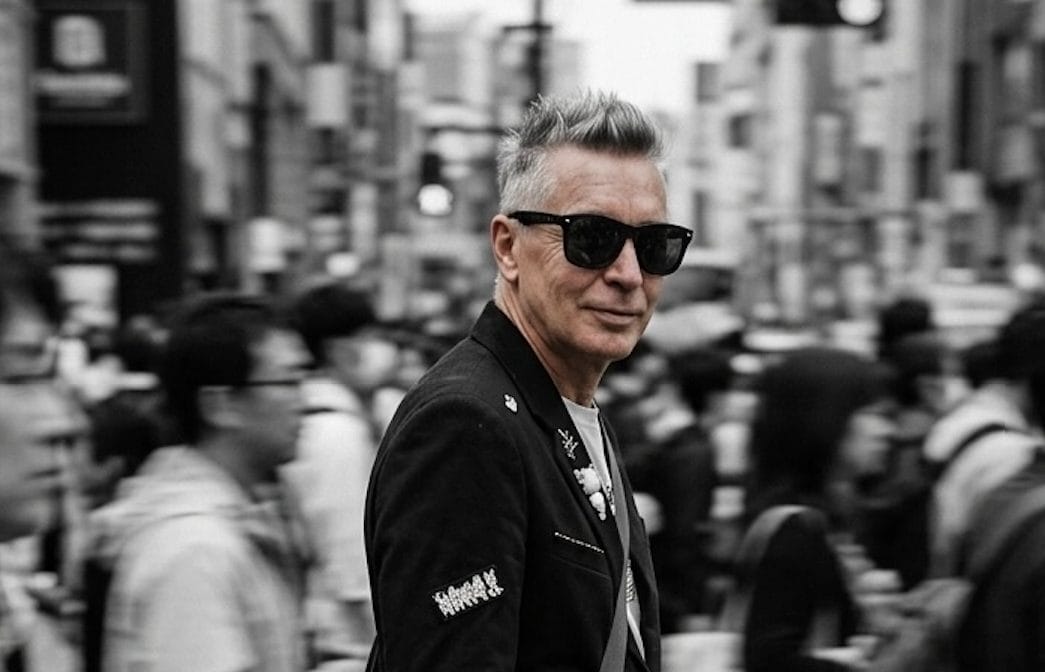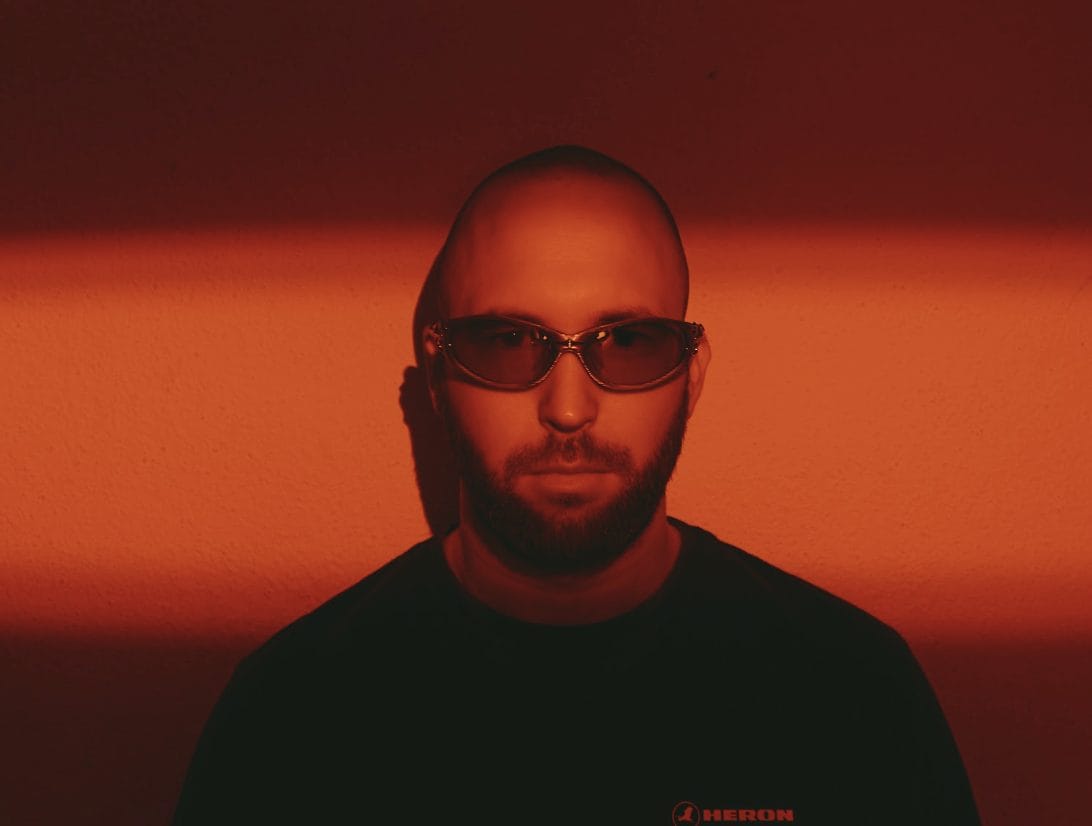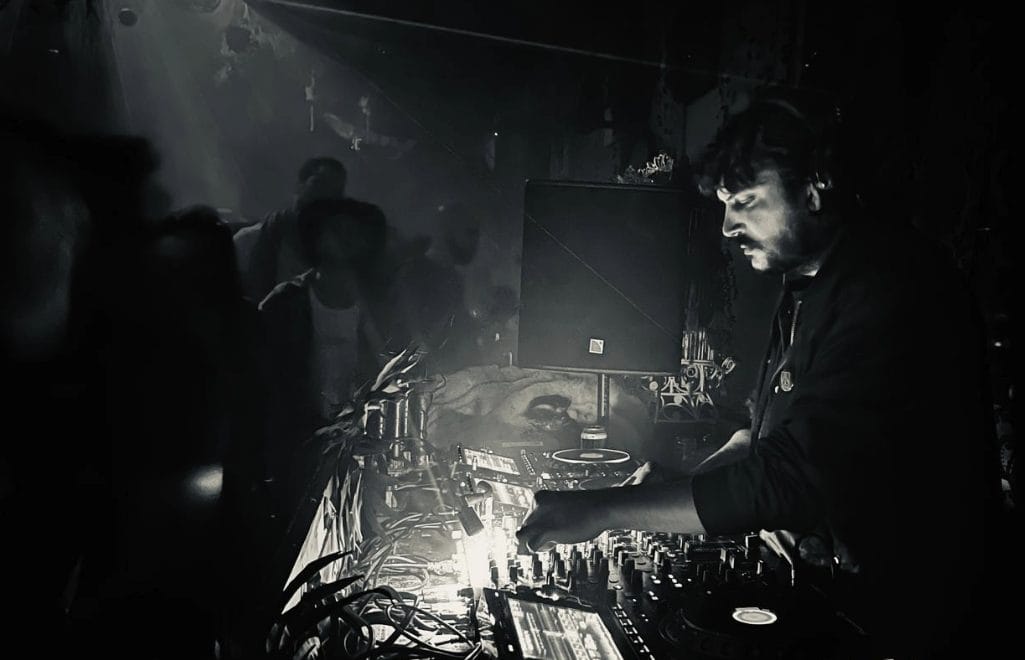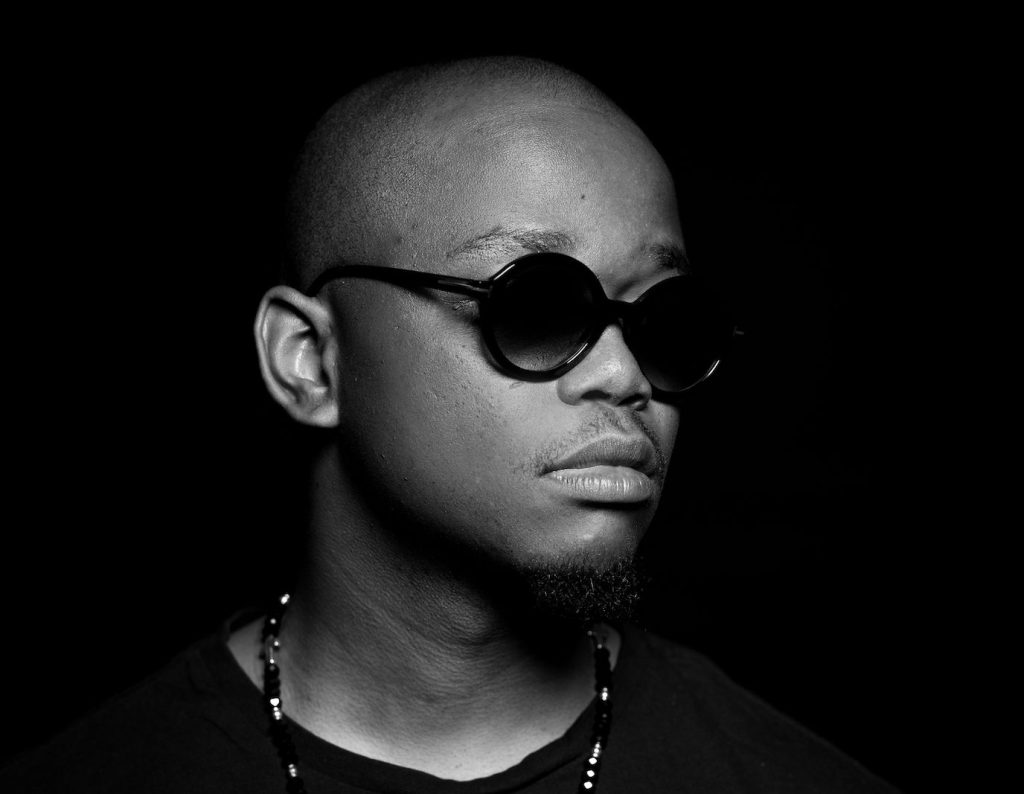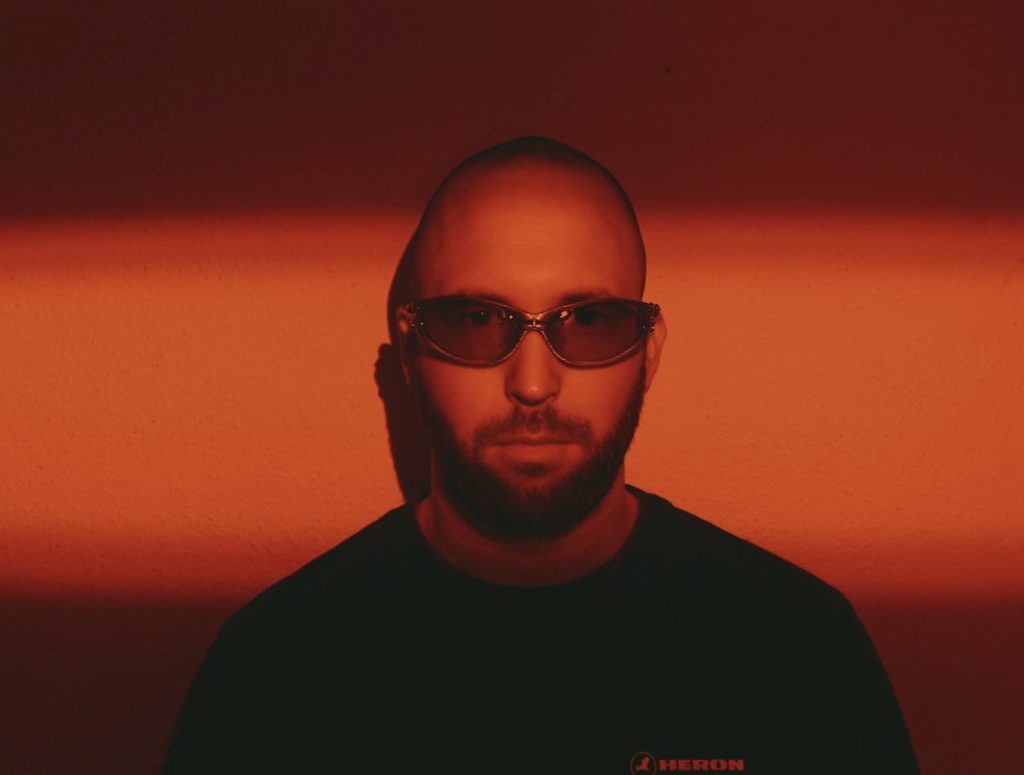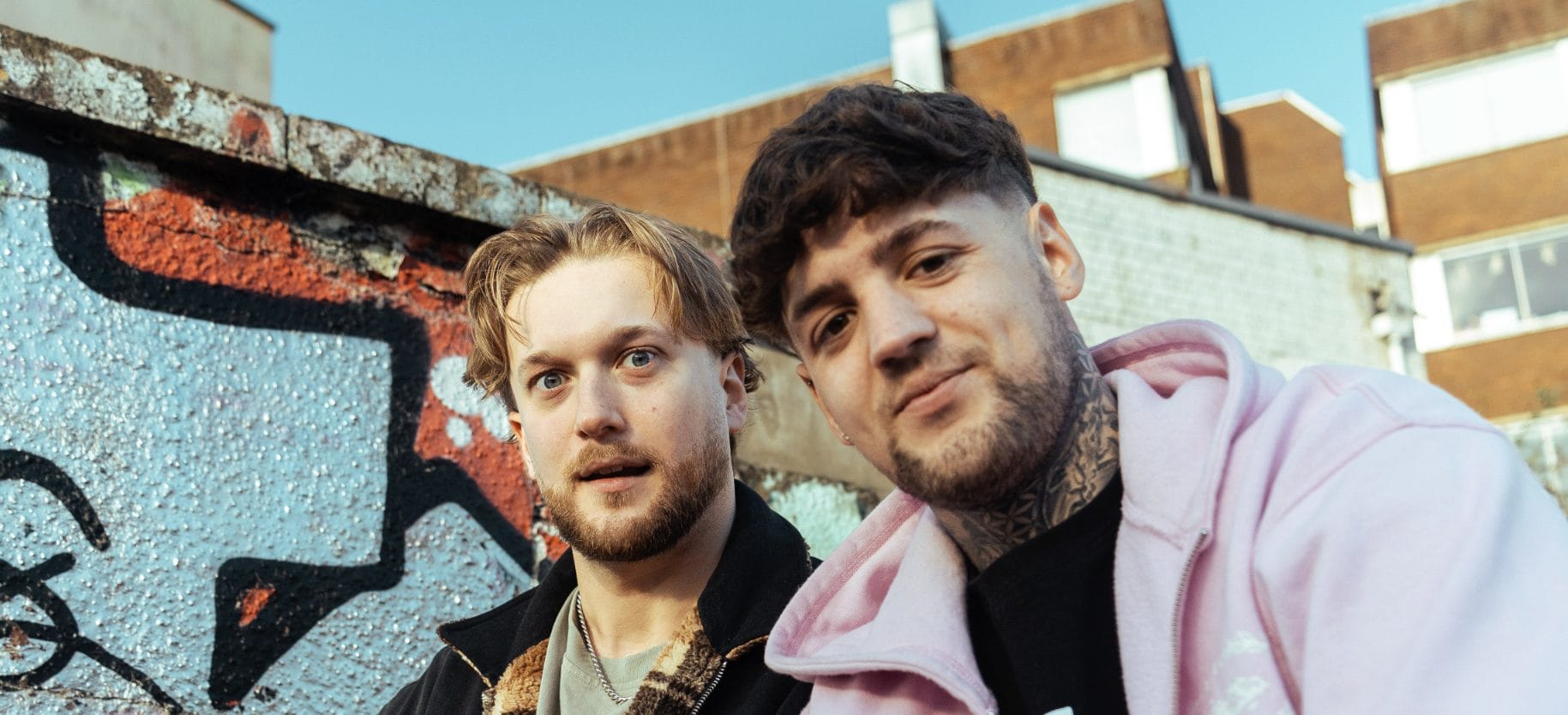
DEL & GRISEO step into Make Your Era’s 2026 Spring Mixtape with “Ballin,” which dropped on March 19 as part of the label’s staggered single rollout ahead of the full compilation on March 27. That schedule gives each artist a clear lane before the full tape lands, and in this case, it puts DEL & GRISEO right in the middle of a project designed to capture where jump up drum and bass sits right now. Founded by Vibe Chemistry, Make Your Era has turned these quarterly compilations into a real part of its identity, using them to push newer names while keeping the label’s focus on high-pressure records built for club reaction.
The full 2026 Spring Mixtape brings together new music from Falentin, Contact Point, Wigman, DEL & GRISEO, Hamses, Magenta, JGA, and SXN JXN, with each track taking a slightly different route into the same goal. The press release frames the tape around movement, low-end response, and immediate dancefloor impact, but the bigger point is how it gives each artist room to define their own take on the sound.
DEL & GRISEO fit that structure well because their answers show two slightly different yet compatible ways of thinking about sets, crowd energy, and how far you can stretch a drum-and-bass framework without losing control of it.
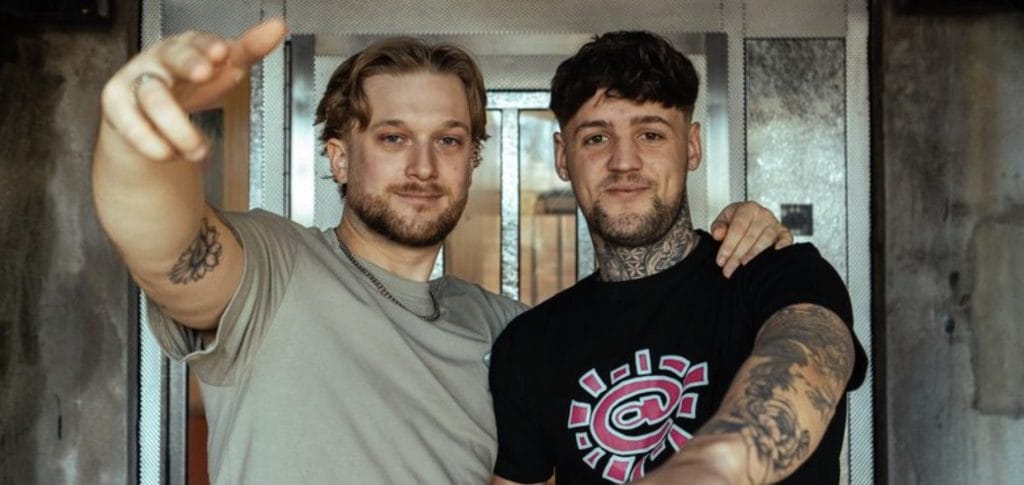
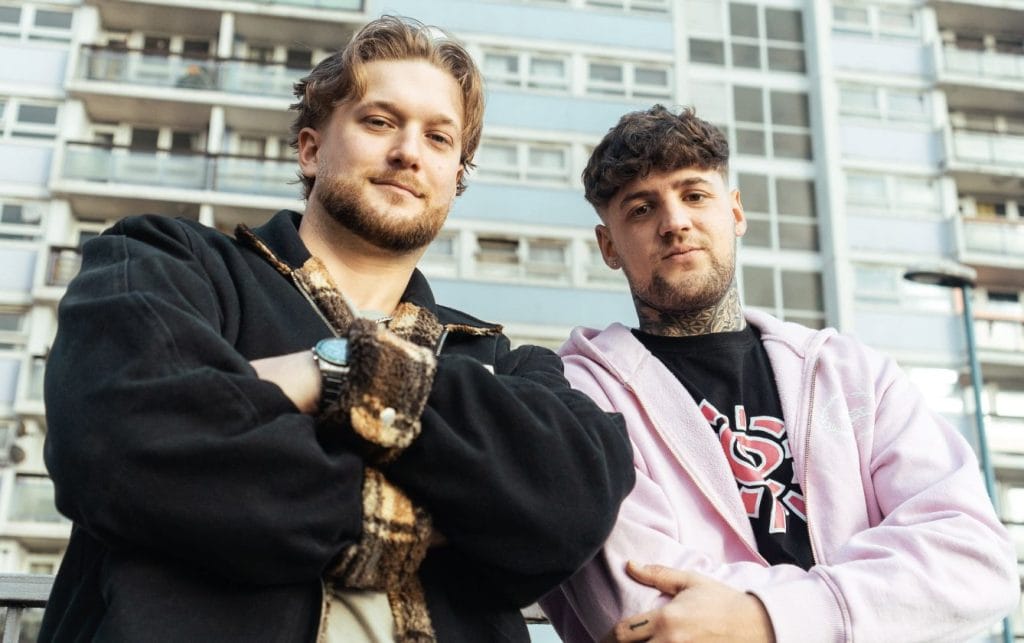
That tension sits at the center of this interview. DEL talks about originality, flow, and the value of surprise, while GRISEO stays more locked into energy management and crowd response inside drum and bass itself. Put together, the conversation says something useful about where the genre is right now. There is clearly more flexibility in the room than there used to be, but there is still a line between expanding a set and losing its core. That balance is part of what makes “Ballin” and this wider mixtape rollout feel worth watching.
Interview With DEL & GRISEO

Do you still think in genres when you build a set—or has that structure started to dissolve for you?
DEL: I’ve found that as I make more and more original music, I’m thinking less and less about genres and started thinking more about the overall flow and what other artist’s tracks would fit best with my tracks, but keeping mine as the priority. The aim of this is to build a more unique set that drives more demand for me as a performer.
GRISEO: I only build my sets within drum and bass, so genre isn’t really something I switch between. Instead, I focus more on the energy and the vibe of the event I’m playing. Each set is shaped around the vibe and how I want the crowd to feel in that moment. Even within one genre, there’s a huge range of moods and energy levels you can explore and shift between.
Have you noticed more DJs blending styles and moods in ways that didn’t feel possible ten years ago?
DEL: No, I think being creative and blending styles has been prominent for many artists and many different scenes of the music industry. Every artist wants to be unique and a good way of doing that is to incorporate a vibe the audience wasn’t expecting, like dropping dubstep in dnb set. This is not new to the last decade.
GRISEO: I’d say yes, you definitely see more DJs blending styles you wouldn’t have seen 10 years ago. I’d say social media has pushed DJs to try different styles to stand out from the crowd. Hedex, for example, helped popularise the triple drop, which wasn’t common before, but definitely gets mixed reactions from the older generation.
Is there a downside to post-genre clubbing—like a loss of specificity or identity in sound?
DEL: From a dnb DJ’s point of view, post-genre nights can lose a bit of soul when no one really commits to a sound or knows where it came from, especially when the area I’m from (Bristol) is the birthplace and home of dnb. But no one should be expected to know the history and culture of a sound to enjoy it. People go out to have fun and listen to music they enjoy, and that comes in many genres. When they’re mixed together, that can be even better than having a strict one-genre line-up.
GRISEO: There can be a downside to this as sometimes blending too many styles and constantly switching it up can make ur set feel less distinctive and harder to define. You can lose some of the identity on which the specific sounds and styles were built.
What’s one unexpected combination of styles that’s worked surprisingly well in your sets?
DEL: I’ve been making and dabbling with dubstep as of late. I found dropping a single dubstep tune can be significantly beneficial. Everyone likes to be surprised. Modern jump-up is full of fake drops and switches, which surprise the audience. When I’m mixing jump-up, almost everyone loves the dubstep, even if they’ve never gone to a dubstep event before, simply because they liked the surprise element of it.
GRISEO: For me I’d say quite often I like to drop a 140 track which is very adhd at the end, to throw everyone off and get that last crowd reaction.
Do you think crowds care about genre anymore—or are they responding to something else entirely?
DEL: People go to see what artists they like. If someone’s fav dubstep and fav dnb artist is on the same line-up, of course they will buy tickets. Genres don’t sell tickets and pull people out of their house; names do.
GRISEO: Crowds go to events for the names on the lineup. The majority of the time, each artist will be in the same genre, which is very common, so I wouldn’t say it’s about genre; it’s about who’s playing instead.
How do you make sure your sets still feel cohesive when you’re moving across sounds and eras?
DEL: By finding tracks that have a similar vibe to my own tracks. Or if I want to switch up the vibe, I will find a phrase from 2 similar tracks and use it to bridge the gap. Usually, this can be done by breaking down track A and introducing track B.
GRISEO: For me all my sets are about keeping that energy up and keeping that crowd active at all times so I make sure all my sets have that vibe going across it and not dropping that energy down unless it’s for breakdowns and buildups.
What’s a genre you never thought you’d play—but now it feels at home in your rotation?
DEL: I must admit this is not something I’ve ran into before. I play all kinds of dnb, depending on the crowd and what the event is (I’m not playing liquid at a jump-up rave) but I’ve not come across a genre that I never thought I’d play. I guess if I had to answer, I’d say dubstep, but this is more on the production side rather than mixing.
GRISEO: For me, I’ve started to produce and DJ riddum, which I’ve never done before till this year, so that was very unexpected, but I’d never mix riddum and dnb in my days because it’s completely different vibes and wouldn’t go. I’d say.

Will Vance is a professional music producer who has been involved in the industry for the better part of a decade and has been the managing editor at Magnetic Magazine since mid-2022. In that time period, he has published thousands of articles on music production, industry think pieces and educational articles about the music industry. Over the last decade as a professional music producer, Will Vance has also ran multiple successful and highly respected record labels in the industry, including Where The Heart Is Records as well as having launched a new label with a focus on community through Magnetic Magazine. When not running these labels or producing his own music, Vance is likely writing for other top industry sites like Waves or the Hyperbits Masterclass or working on his upcoming book on mindfulness in music production. On the rare chance he's not thinking about music production, he's probably running a game of Dungeons and Dragons with his friends which he has been the dungeon master for for many years.