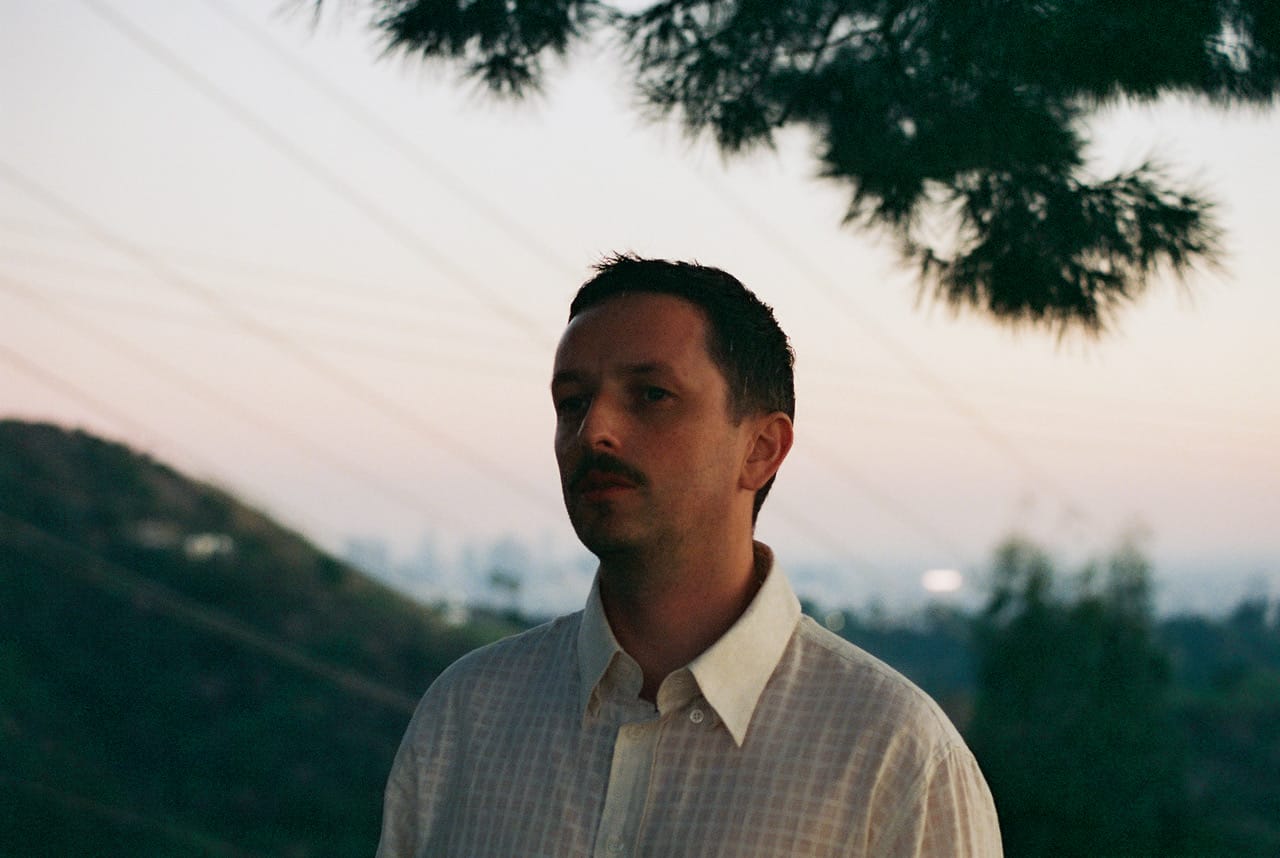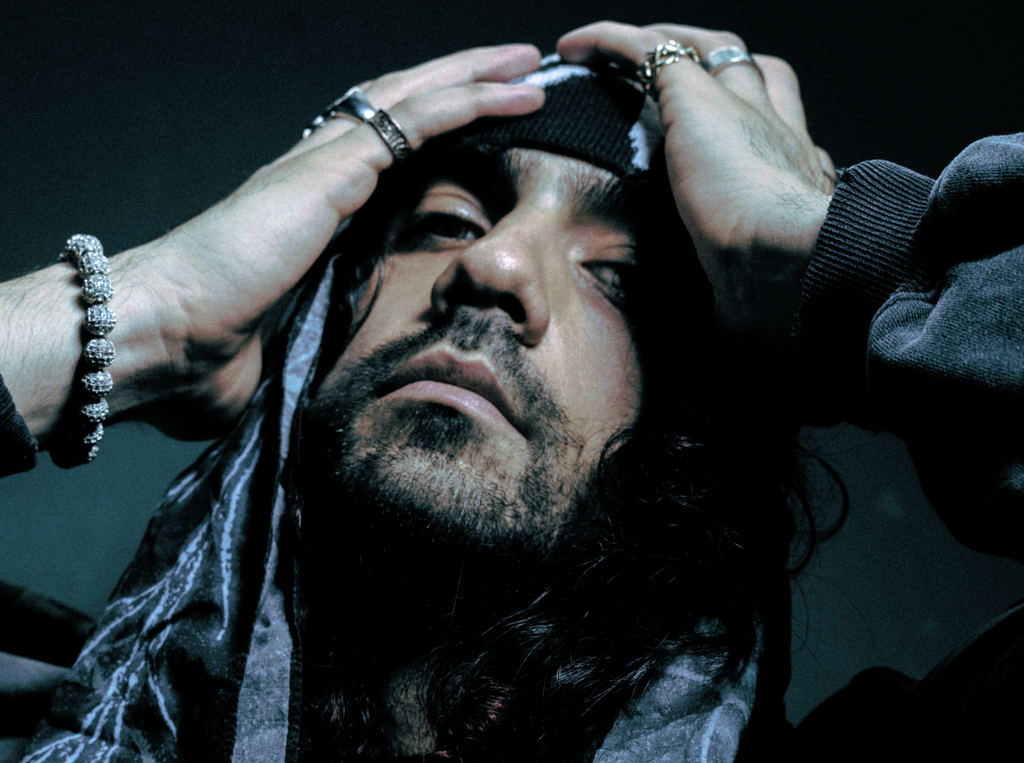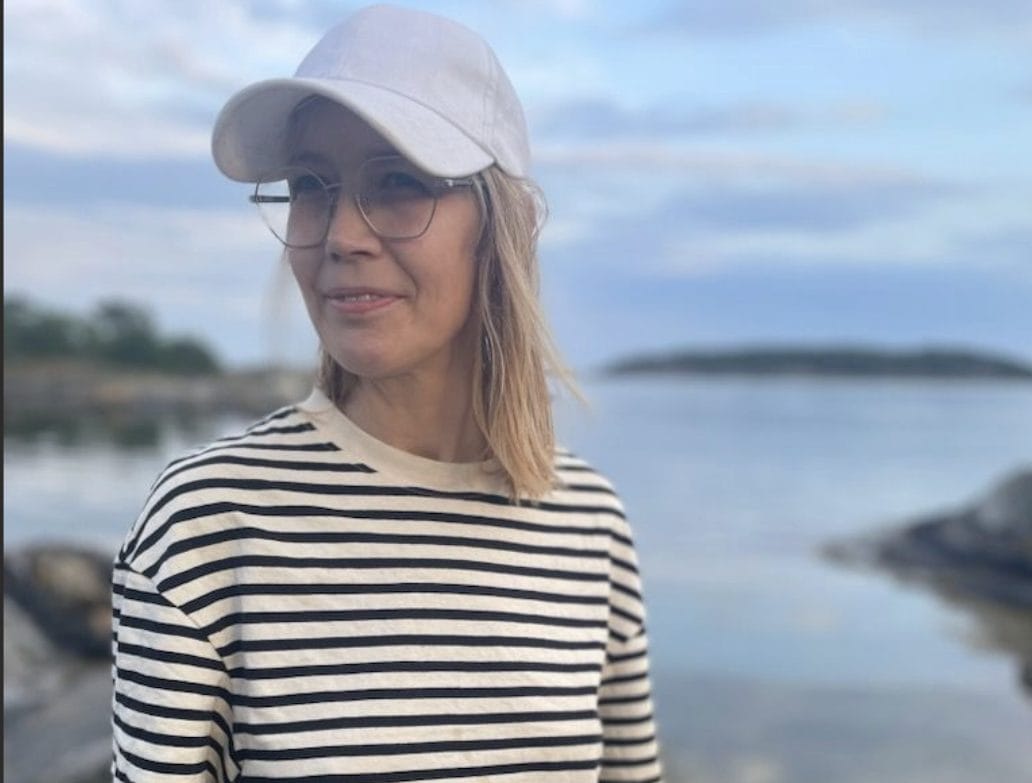
Helene Rickhard returns to Snick Snack with “Everlasting High,” out May 8, a follow-up that expands on the palette she introduced on her debut. The record brings her vocal work further forward and continues her approach of combining ambient, techno, and synth-driven material with experimental club structures into a cohesive album.
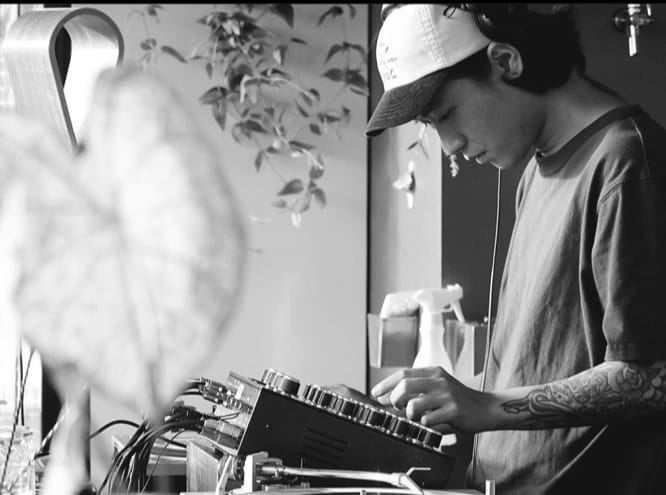
Her background in Oslo’s underground informs the way the album is built. There is a clear focus on pacing, tone, and contrast, and that same thinking carries over into her DJ sets, where Italo, high-energy, and synth-led records sit alongside more unconventional club selections. That crossover between listening music and club function gives this release a clear identity.
That perspective carries into the conversation below. Rickhard speaks directly about recording culture, memory, and how club experiences function when they are not documented. It adds context to the album because her approach to DJing and her approach to production both come from the same place.
Interview With Helene Rickhard
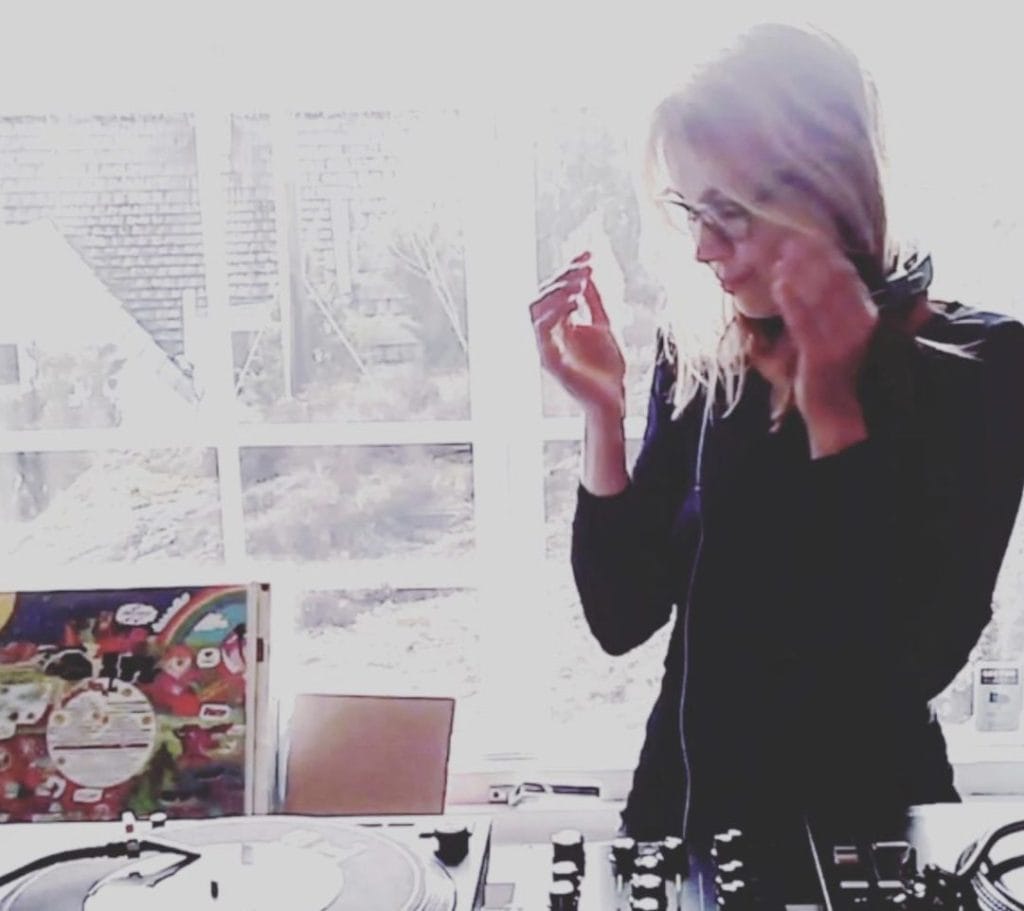
What do you think is gained by documenting sets, and what remains uniquely live?
I certainly get more nervous if I know my set is recorded.
But it can be interesting listening back to a recorded set and analyzing it a little bit, of course. I really enjoy the DJ-mix or mixtape format, but as the pandemic clearly showed, listening to streamed or recorded DJ-sets doesn’t really resemble the real experience of going to a club at all.
Personally I don’t really listen much to very uptempo mixes at home myself and I prefer going to a club to listen and dance to that kind of music.
Can you recall a powerful night that lived entirely in memory?
My very first experience going to a real club was in the UK when I was 16 in 1995. Some friends took me to a club called Whirl-Y-Gig in Shoreditch Townhall with a lot of psychedelic decorations, lasers and a big parachute being folded out and balloons sent out over the dance floor during the night, and music like Banco De Gaia and Transglobal Underground were being played. I think that experience would have been very different if everybody had a phone back then.
Even though there’s actually a lot of VHS footage from that club online, so there has always been some documentation going on.
How do you value moments that are never captured?
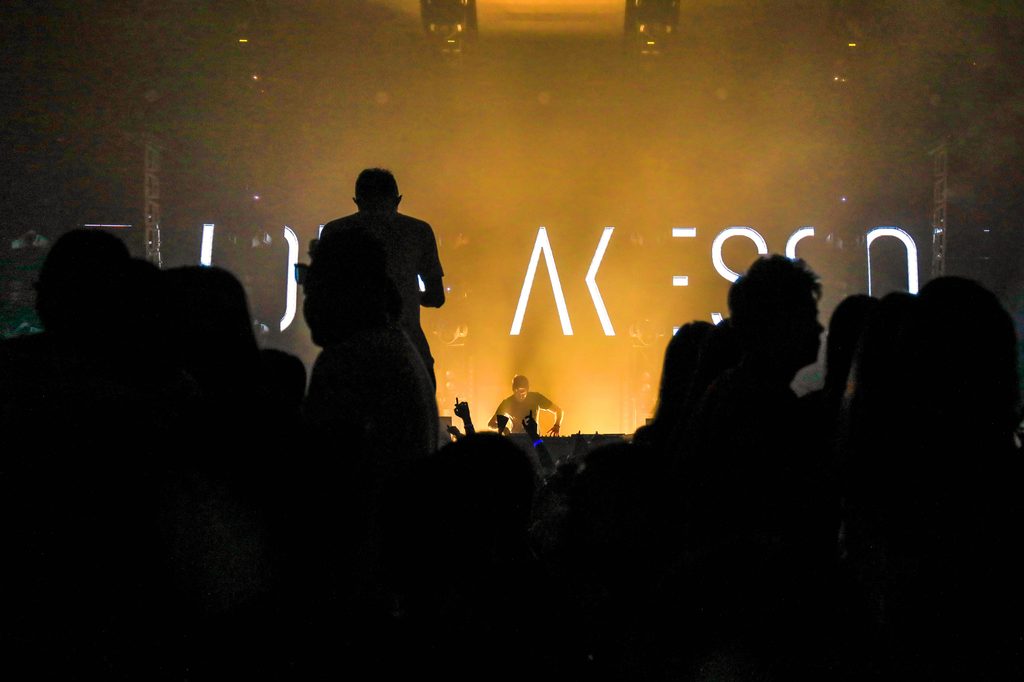
From a DJ point of view I rarely regret not having footage or recordings. I’m shy of cameras, so I’m fine with uncaptured moments, and I prefer clubs where phones are not allowed or just socially unacceptable. I think I relate to the whole club experience as quite ephemeral. It’s meant to be some hours of release of tension and shaping of moods, and you can’t really reproduce that to film or photos.
It can still be nice to have a few videos or photos to look back on from special nights.
Does permanence affect how audiences relate to DJ sets?
Maybe. I think it might have changed how people perceive DJs a bit. From what it looks like on social media, it can feel very DJ-focused, with attention to tricks and transitions and a tendency to show off.
At the same time, technology has opened the scene to new people and new talent who would not have had access before, so there are positives as well. At places like Kafe Hærverk in Oslo, I’ve even been told off from the dancefloor for filming, which I actually appreciate, even if, from a promoter’s perspective, it can be difficult to run events without capturing anything.
What place does mystery still hold in club culture?
The sense of mystery probably changes with age and experience, but I still think it exists. There are still many places and sounds to explore where you can feel that sense of discovery and connection.

Will Vance is a professional music producer who has been involved in the industry for the better part of a decade and has been the managing editor at Magnetic Magazine since mid-2022. In that time period, he has published thousands of articles on music production, industry think pieces and educational articles about the music industry. Over the last decade as a professional music producer, Will Vance has also ran multiple successful and highly respected record labels in the industry, including Where The Heart Is Records as well as having launched a new label with a focus on community through Magnetic Magazine. When not running these labels or producing his own music, Vance is likely writing for other top industry sites like Waves or the Hyperbits Masterclass or working on his upcoming book on mindfulness in music production. On the rare chance he's not thinking about music production, he's probably running a game of Dungeons and Dragons with his friends which he has been the dungeon master for for many years.