Sampleson’s Boomcha takes a direct approach to one of the most common problems in production. Programming drums that feel human still takes time, and most tools either give you static loops or overly rigid MIDI. Boomcha sits in the middle of that problem and solves it in a way that feels practical inside a real workflow.
The concept is straightforward.
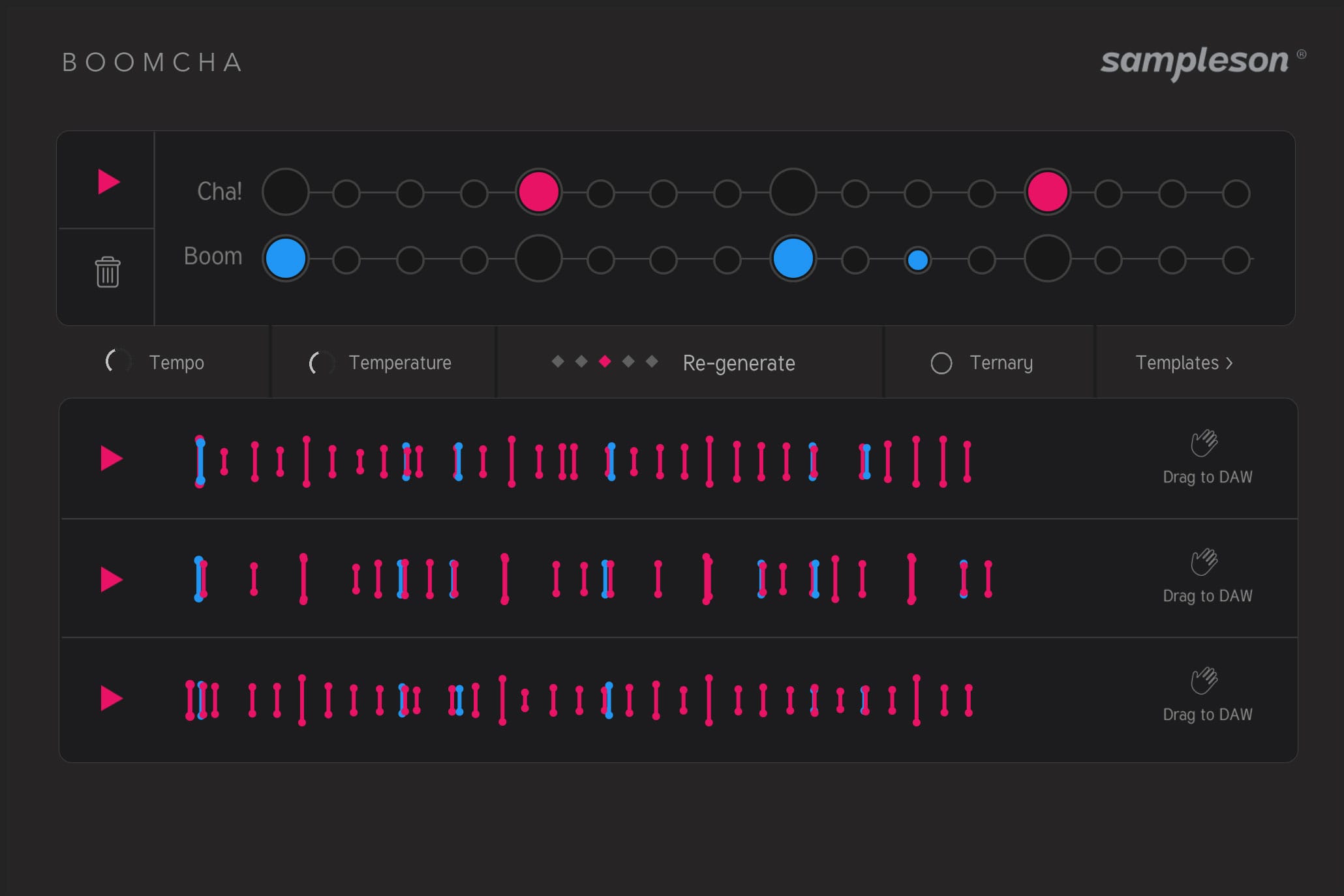
You draw a basic kick and snare pattern on a grid, and the software matches it against a library of over 1.5 million rhythm cells recorded from professional drummers. Instead of generating something synthetic, it returns a groove that already carries natural timing, velocity variation, and subtle imperfections. That result comes back as fully editable MIDI, so nothing is locked in.
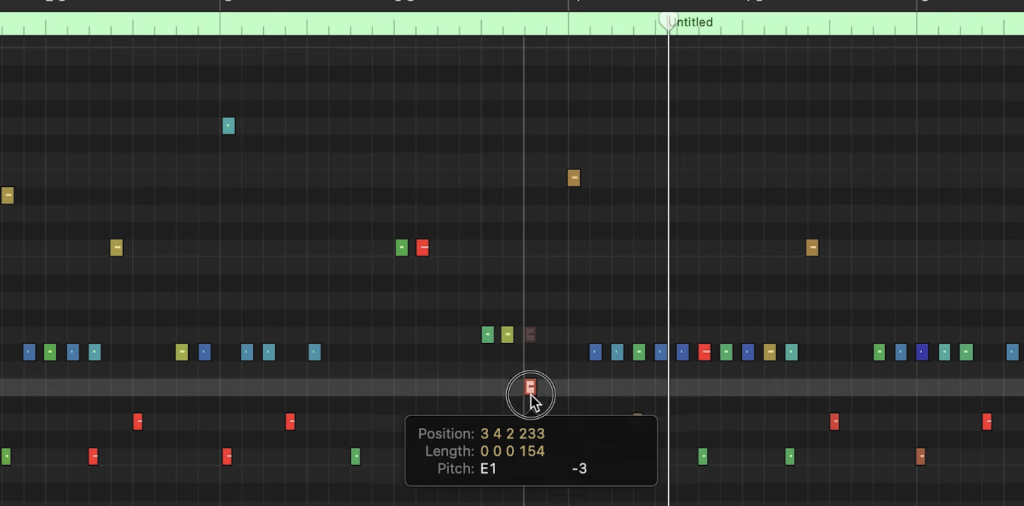
That distinction matters. A lot of tools in this space generate audio or partially editable results, which limits what you can actually do once the groove is in your session. Boomcha keeps everything open. You can adjust notes, tweak velocity, or reshape the groove entirely without losing the underlying feel that came from the original performance.
Built for speed without losing control
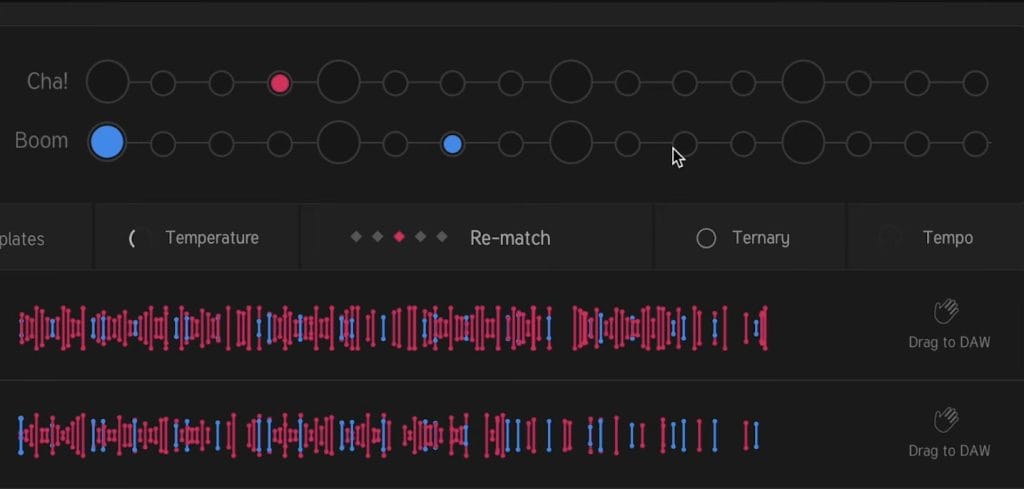
The biggest advantage here is how quickly it moves from idea to usable result. You are not building a drum performance from scratch. You are guiding one. That shift cuts down a lot of the friction that comes with programming drums, especially when you are trying to stay in a creative flow.
Boomcha also generates multiple variations per search, usually in the range of eight to sixteen bars. That gives you options right away without needing to duplicate and manually edit patterns to create movement. It is a small detail, but it adds up when you are arranging a full track.
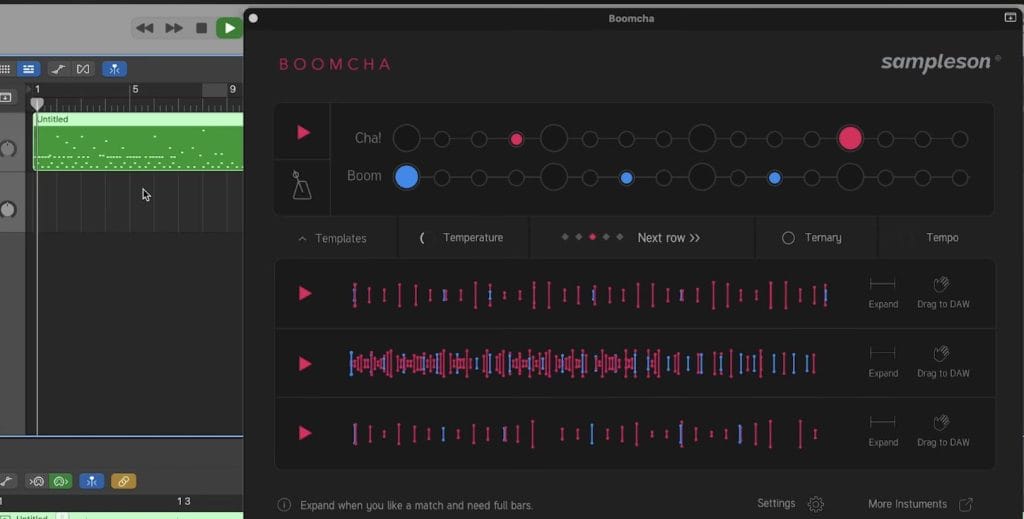
The drag-and-drop workflow into a DAW is exactly what it needs to be. No extra steps, no conversion process. You pull the MIDI into your session and assign it to whatever drum instrument you are already using. That keeps it flexible across setups, which is important for producers who are already committed to specific drum libraries or samplers.
A more useful middle ground for drum programming
What Boomcha does well is avoid forcing producers into a new system. It works alongside existing tools rather than replacing them. You can sketch an idea quickly, get a groove that feels right, and then take it further using your own sounds and processing chain.
The size of the groove library also gives it range. With 1.5 million rhythm cells covering multiple styles, the matching system has enough depth to return patterns that feel appropriate instead of repetitive. That helps keep tracks from falling into the same rhythmic habits that come from reusing the same loop packs.
Boomcha is available now as a standalone app and plugin in VST3 and AU formats, with an introductory price of $29. It is a focused tool, but it solves a specific problem cleanly. For producers who want their drums to feel more natural without slowing down their workflow, it fits into the process without getting in the way.

Will Vance is a professional music producer who has been involved in the industry for the better part of a decade and has been the managing editor at Magnetic Magazine since mid-2022. In that time period, he has published thousands of articles on music production, industry think pieces and educational articles about the music industry. Over the last decade as a professional music producer, Will Vance has also ran multiple successful and highly respected record labels in the industry, including Where The Heart Is Records as well as having launched a new label with a focus on community through Magnetic Magazine. When not running these labels or producing his own music, Vance is likely writing for other top industry sites like Waves or the Hyperbits Masterclass or working on his upcoming book on mindfulness in music production. On the rare chance he's not thinking about music production, he's probably running a game of Dungeons and Dragons with his friends which he has been the dungeon master for for many years.