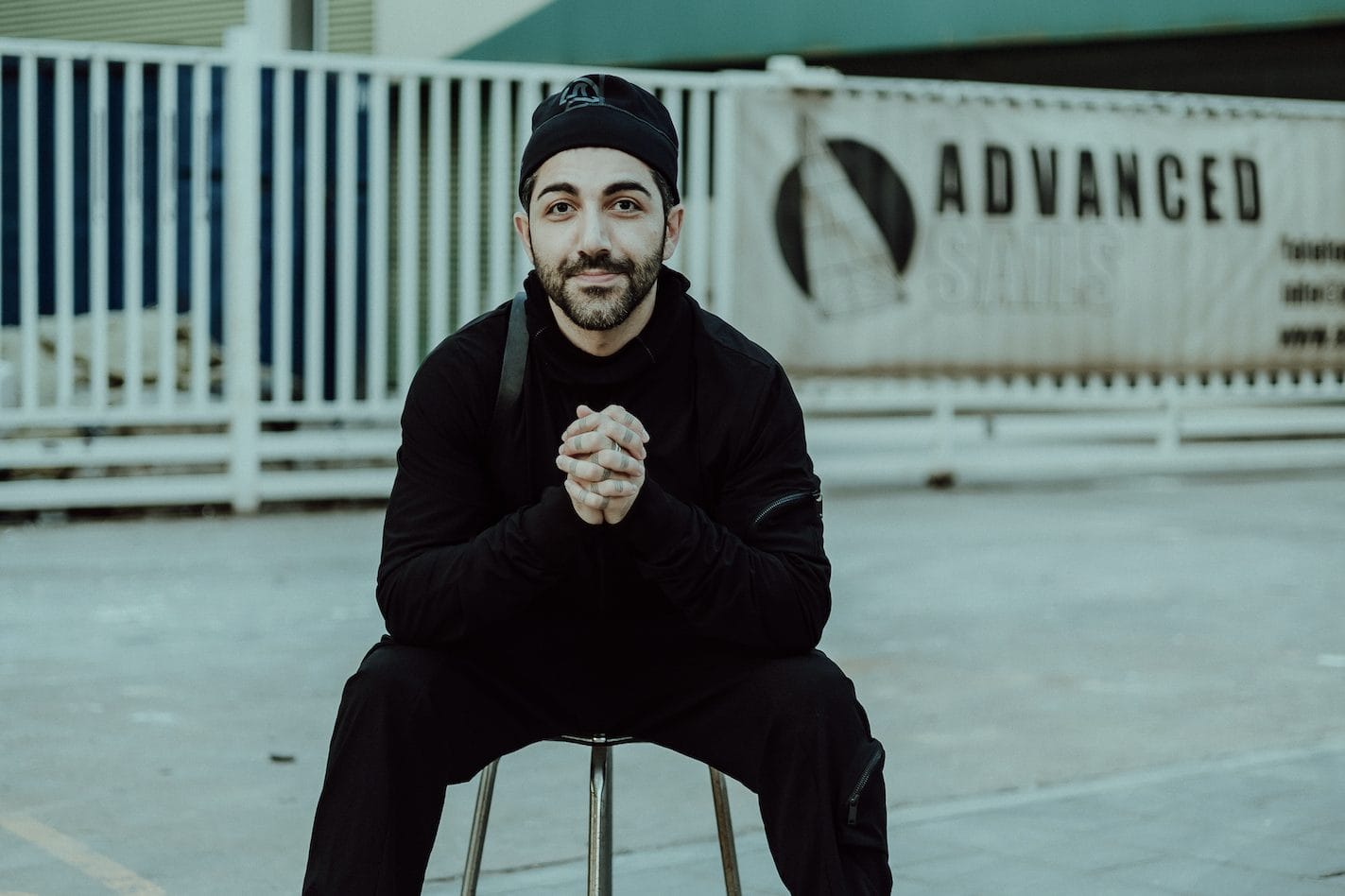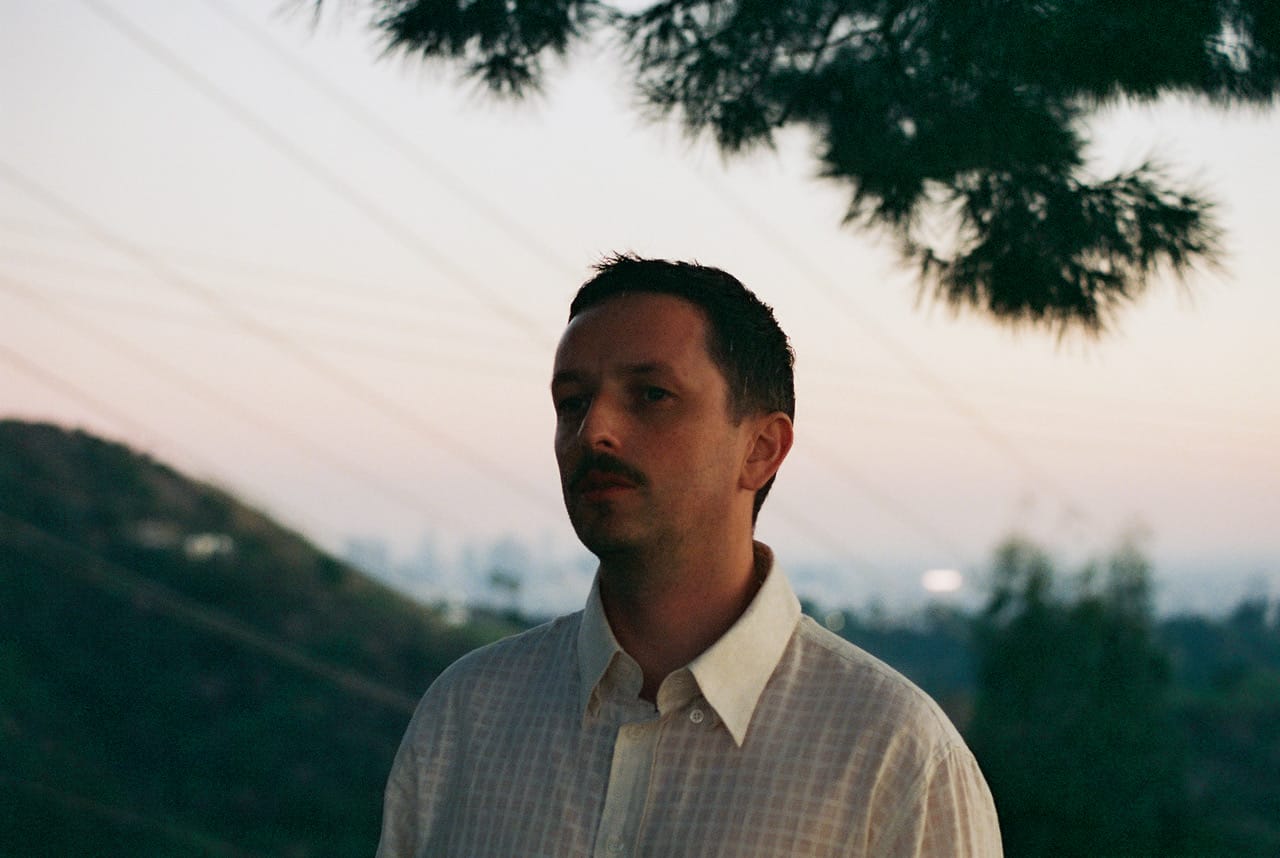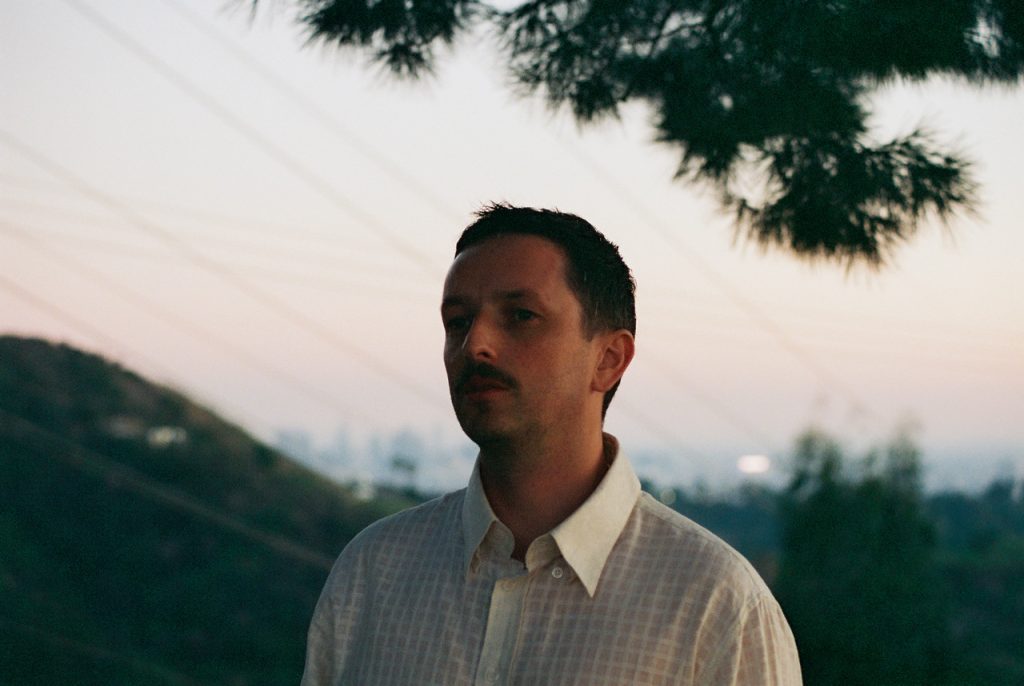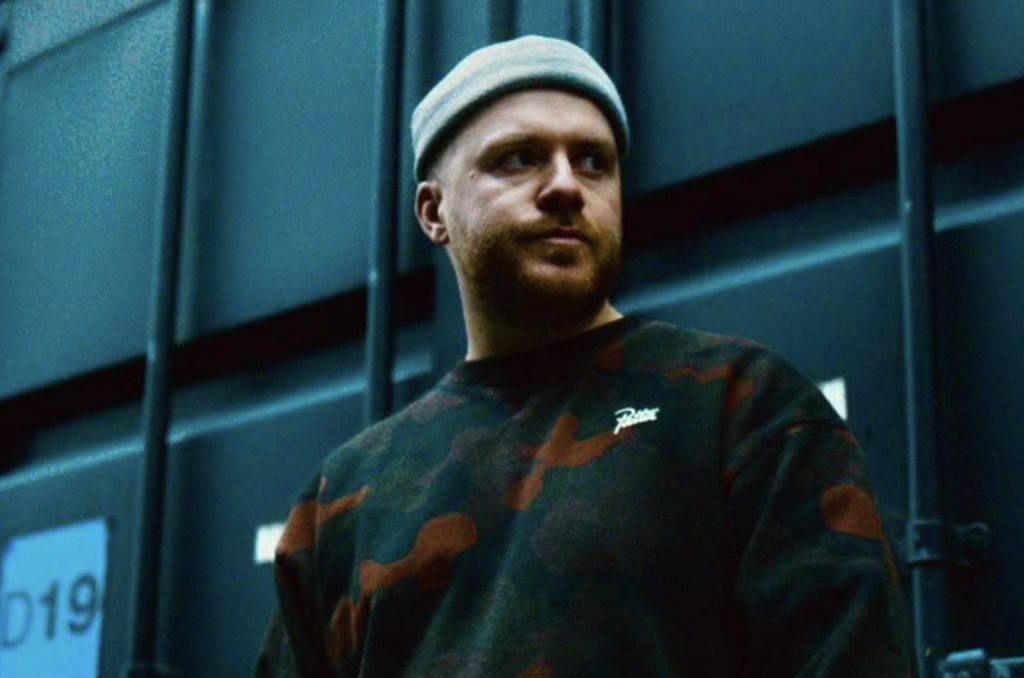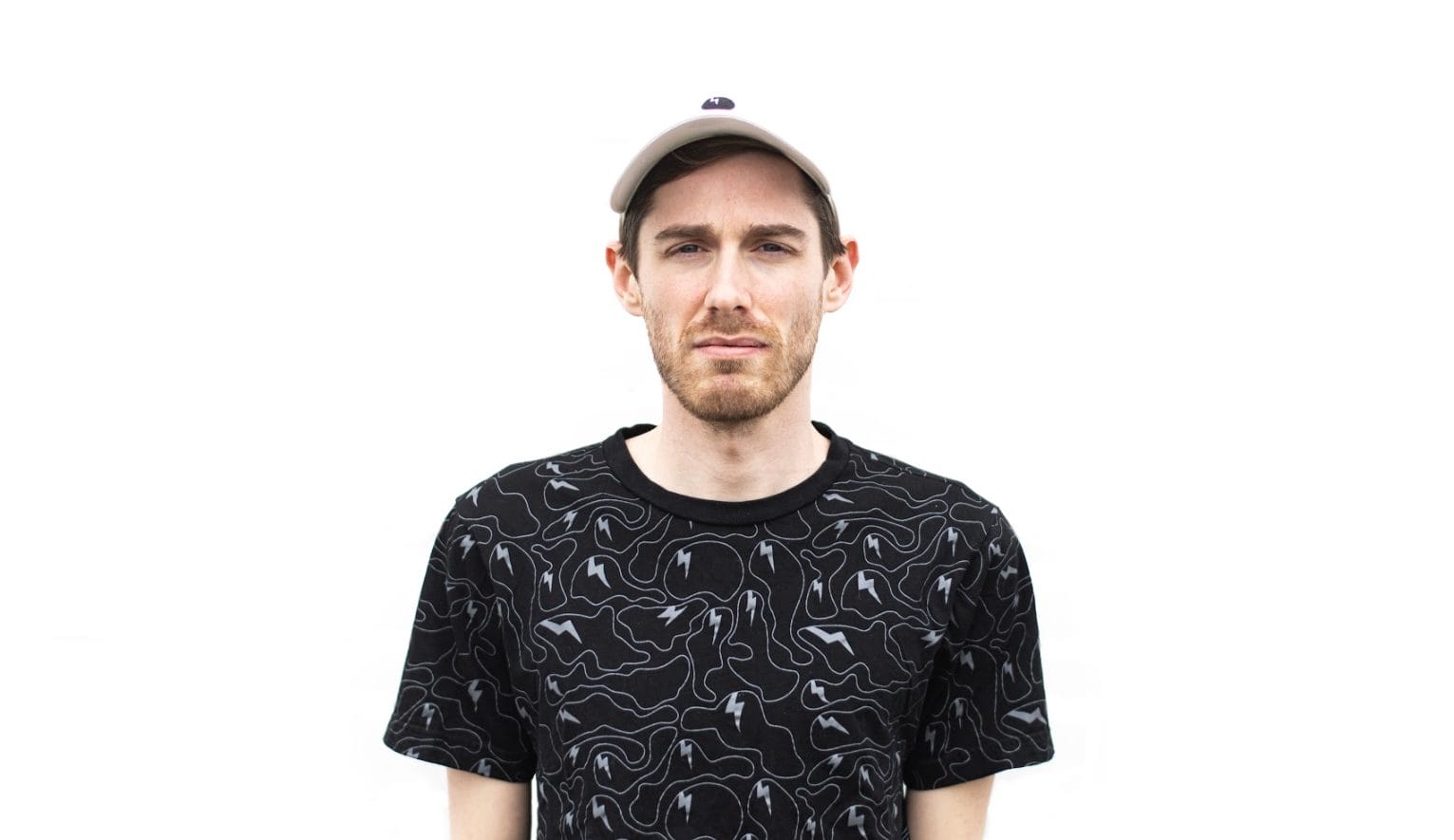
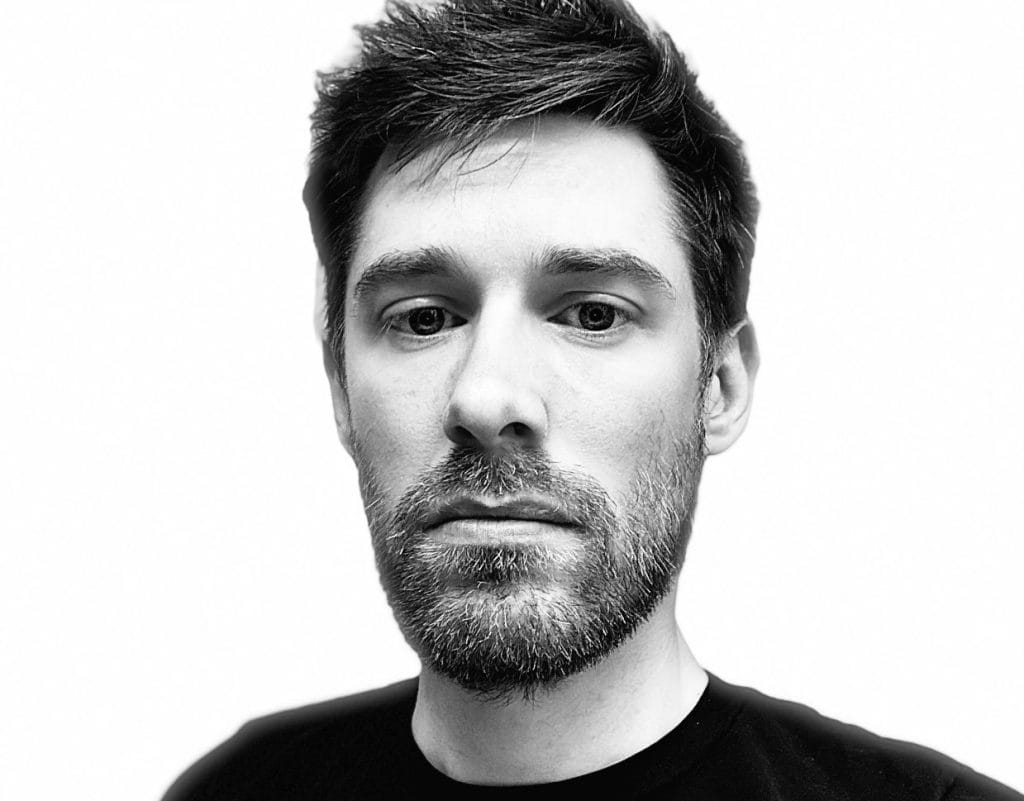
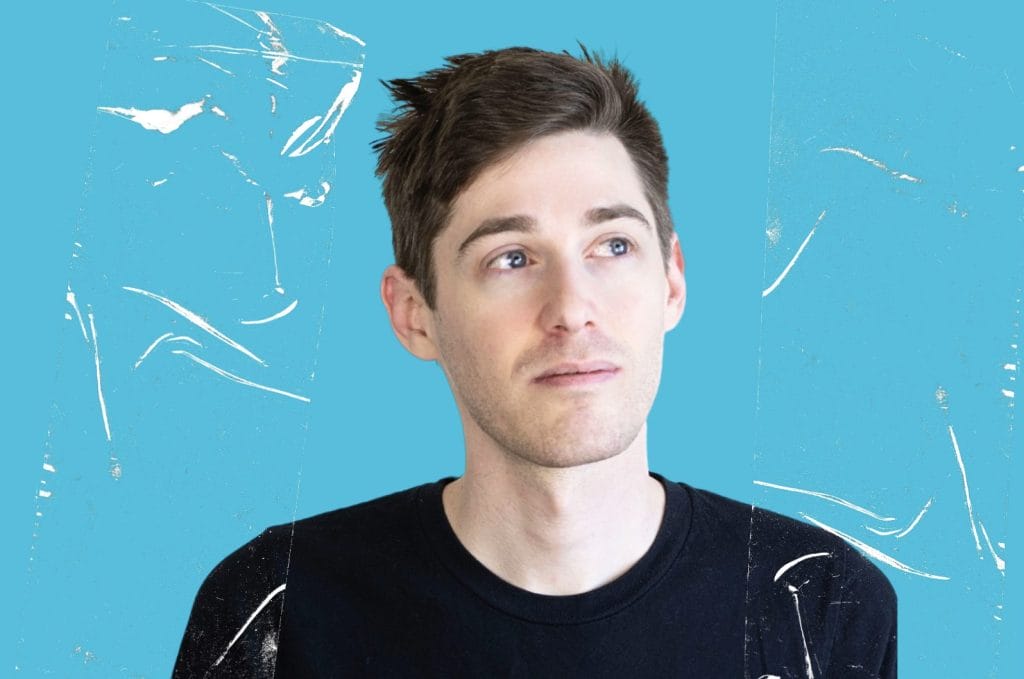
Tom Kench (@tomkenchmusic) has been building momentum through a steady run of releases and a clear approach to DJing that prioritizes control, timing, and identity. Based in Minneapolis, he has developed his solo project alongside running Almost Like We Met, a label focused on direct artist connection and consistent output.
His recent work, including “8-Bit Kiss” on Box of Cats, reflects a sound that is functional in a club setting while leaving room for personal edits and adjustments.
That hands-on approach carries into how he builds sets. Rather than relying on large rotating libraries or constant updates, Kench leans heavily on his own productions and label material, shaping them further through edits tailored for pacing and energy. At the same time, he uses platforms like Twitch as a testing ground to work through new music without the constraints of a club environment.
In this interview, he breaks down how he approaches streaming tools, why he still prefers owning music, and how editing and preparation factor into his workflow. The focus stays practical, with an emphasis on process, flexibility, and making sure each set translates clearly on the floor.
Interview With Tom Kench
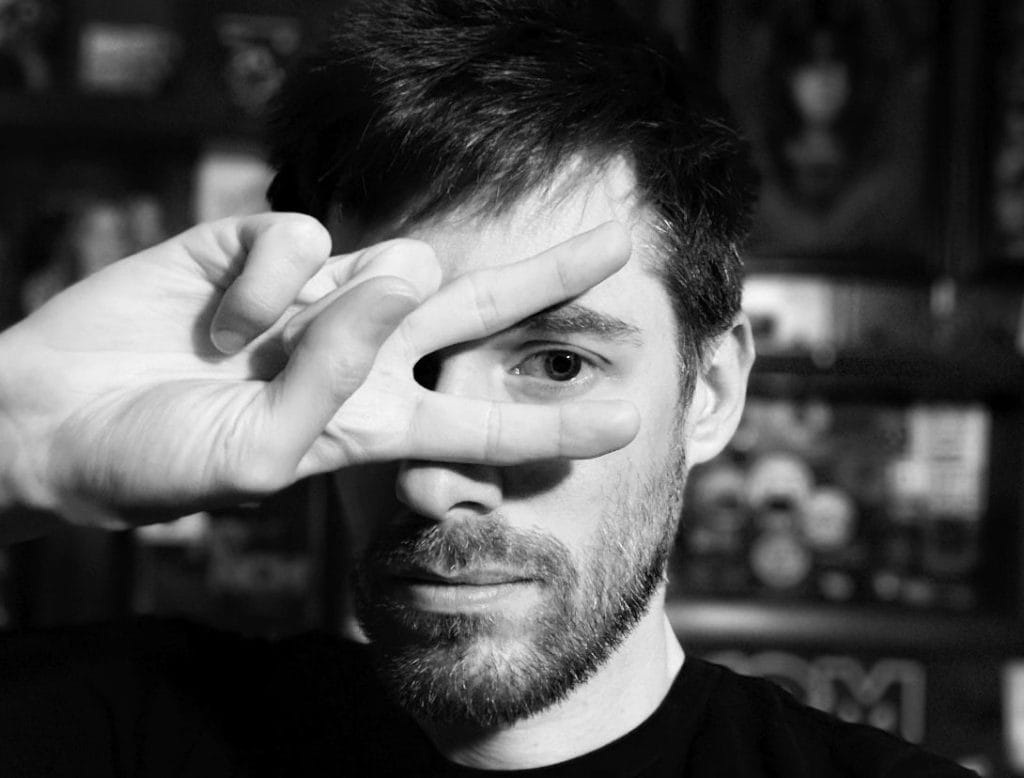
How do you think about the difference between owning music and accessing it instantly through streaming platforms?
I haven’t personally experienced DJing via streaming platforms very much yet, but I have found it useful to quickly grab something from Beatport LINK when I realize I don’t have newer tracks on my USB.
I do think that feature is pretty nice to have in your back pocket. There are always occasional issues with Rekordbox, so having the option to search for and load music if your USB fails is also a solid backup.
That said, there are some downsides I’ve noticed from my experience with streaming. Searching for the exact track you want can be difficult since you often need to type everything out perfectly, including the full artist and song name. That can get frustrating if you’re trying to find something quickly, especially depending on the internet connection. Tracks can also take a bit of time to load. Another drawback is that many labels only upload radio edits to platforms like Spotify and Apple Music.
The DJ friendly or “extended” versions are still much easier to find on stores like Beatport. For me, owning the music outright is still the better option at the moment.
Has streaming changed how you build or maintain your library?
When it comes to finding new music and artists, yes, but most of the time when you see a live set from me, it’s mainly music from myself or my label. I also stream on Twitch a couple of times a week, where I play a wider range of styles and use that platform to have more fun with it. That’s usually where I end up playing a lot of the newer stuff I find.
What helps you ensure your crates reflect deliberate curation rather than turn-and-burn levels of convenience?
When thinking about a live set as far as crate digging, I do a couple of things.
Since my sets are mostly my own music or releases from my label, I don’t have to think too much about trends and things like that. I will, however, throw in a couple of recognizable tracks that fit the same vibe as my set. I do think having some music the crowd knows helps keep their attention, especially these days.
I tend to edit most of the tracks I’m playing for the sake of energy and timing. Some songs have parts I like more than others, and some have really long intros or outros.
My edits are just tailored to get to the point a bit quicker, so I can move through a few tracks before bringing in longer build-ups to keep the dancefloor moving, then give it a bit of a break things like that.
When so much music is being released and hitting your inbox each week, how do you preserve music that defines your identity?
A lot of digging. Since most of what I play leans more toward an underground sound, it takes a bit more effort to find music that fits my style. That’s also one of the reasons I enjoy streaming on Twitch so much.
I have a lot more freedom there to test out everything that gets sent to me across different genres. It’s also a great space to try things I might normally overlook with just a quick listen, instead of giving up on a track too early.
Has ease-of-access influenced how you commit to certain records over time or fall in love with them?
I guess that depends. When it comes to receiving record promos, I would say no.
I do have a particular sound I like and tend to be picky, but with my label, the accessibility of that sound through demos and what we choose to sign matters. I really commit to those records, and I’d say I end up genuinely loving them.
The same goes for my own productions. I make music that I actually enjoy, and I can listen to my own tracks repeatedly without getting bored because I focus on putting out things I believe in. I’ve been lucky that people seem to connect with those records as well.

What practices help you stay intentionally connected to your music in a streaming-first workflow?
Going back to some of my earlier answers, I think a lot of that applies here. Having my own label and my own music to work with is what keeps me the most connected. When I build a live set, I start by selecting a range of tracks I’d like to play, then I go through and edit them.
By the time I’m performing, I have a solid foundation, but I can still adapt based on the energy I’m getting back from the dancefloor. It’s a bit of a pre-planned process, but I really enjoy the time and effort that goes into it.
At the end of the day, I just want to make sure I’m giving people the best experience possible at the shows I’m booked for.


Will Vance is a professional music producer who has been involved in the industry for the better part of a decade and has been the managing editor at Magnetic Magazine since mid-2022. In that time period, he has published thousands of articles on music production, industry think pieces and educational articles about the music industry. Over the last decade as a professional music producer, Will Vance has also ran multiple successful and highly respected record labels in the industry, including Where The Heart Is Records as well as having launched a new label with a focus on community through Magnetic Magazine. When not running these labels or producing his own music, Vance is likely writing for other top industry sites like Waves or the Hyperbits Masterclass or working on his upcoming book on mindfulness in music production. On the rare chance he's not thinking about music production, he's probably running a game of Dungeons and Dragons with his friends which he has been the dungeon master for for many years.