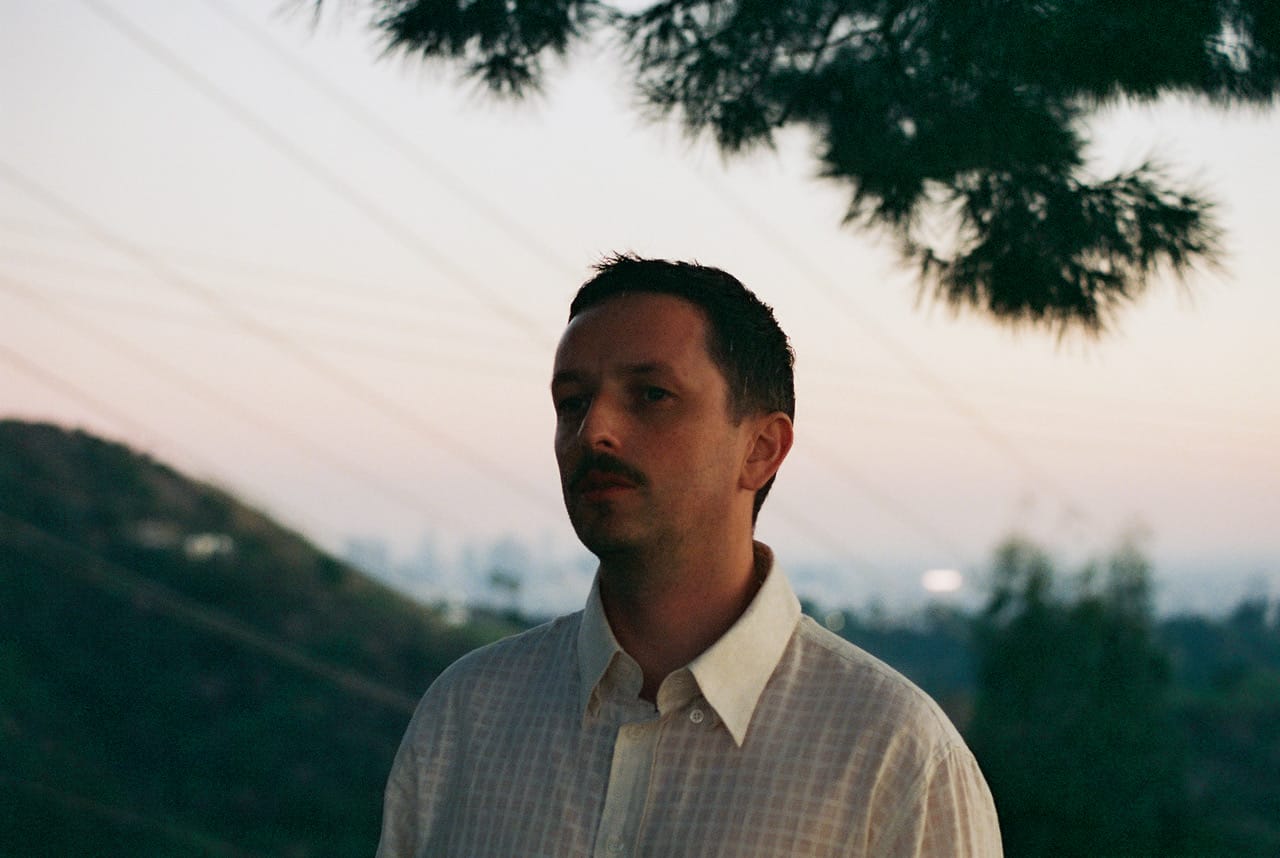
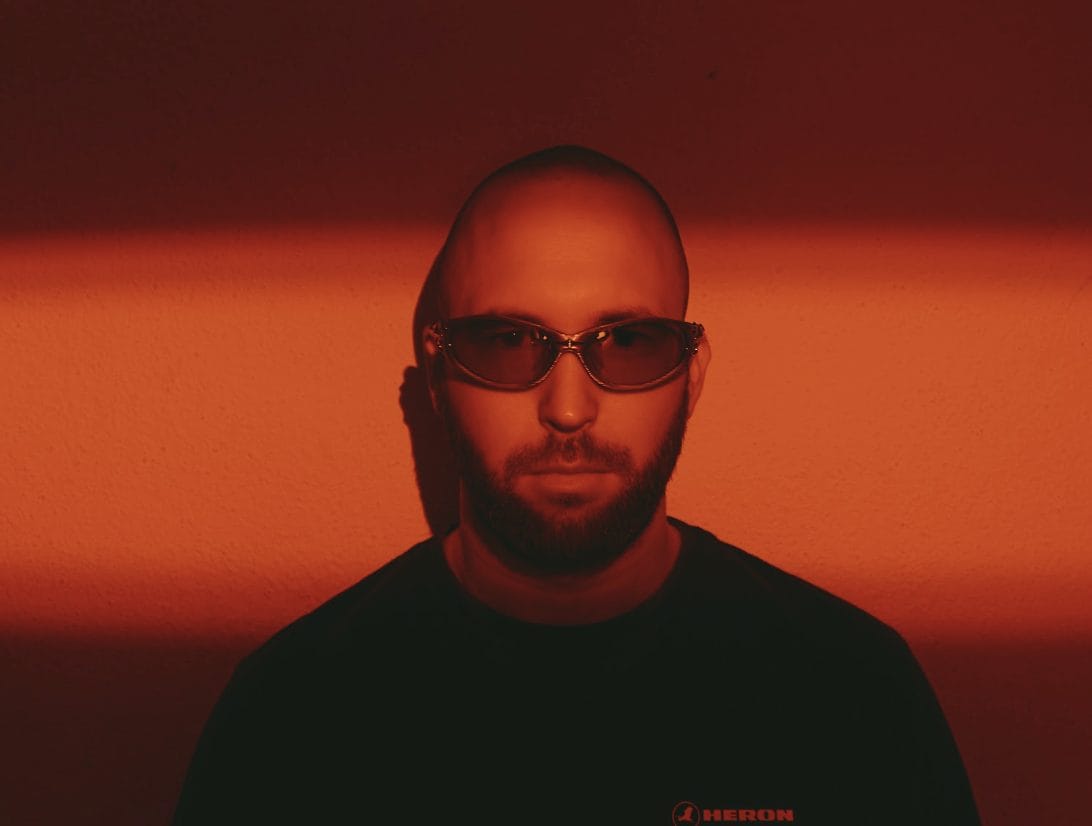
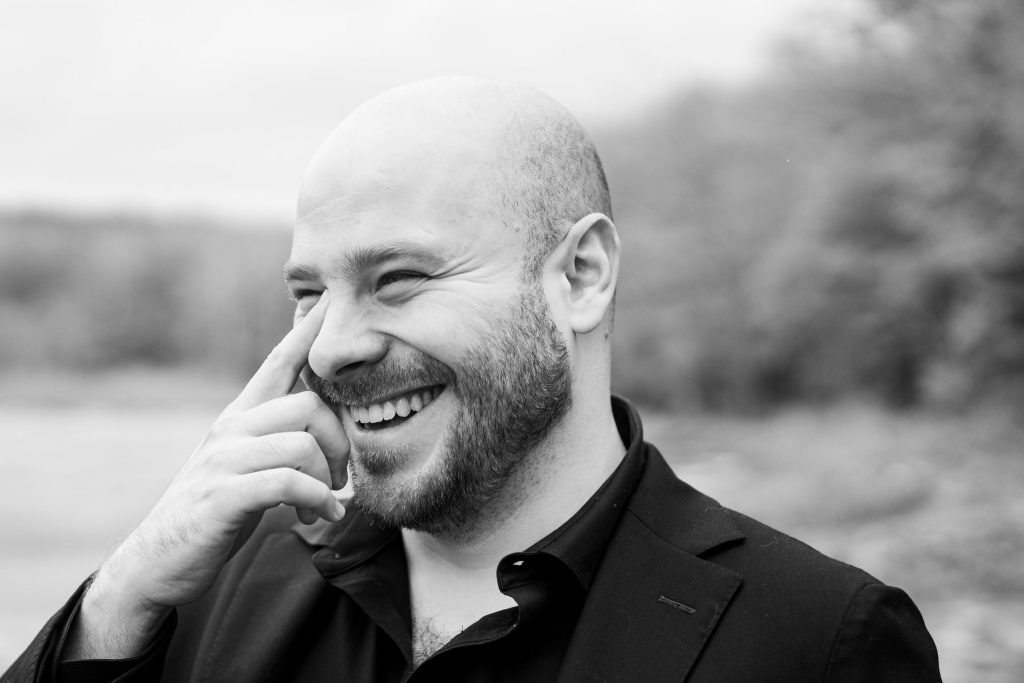
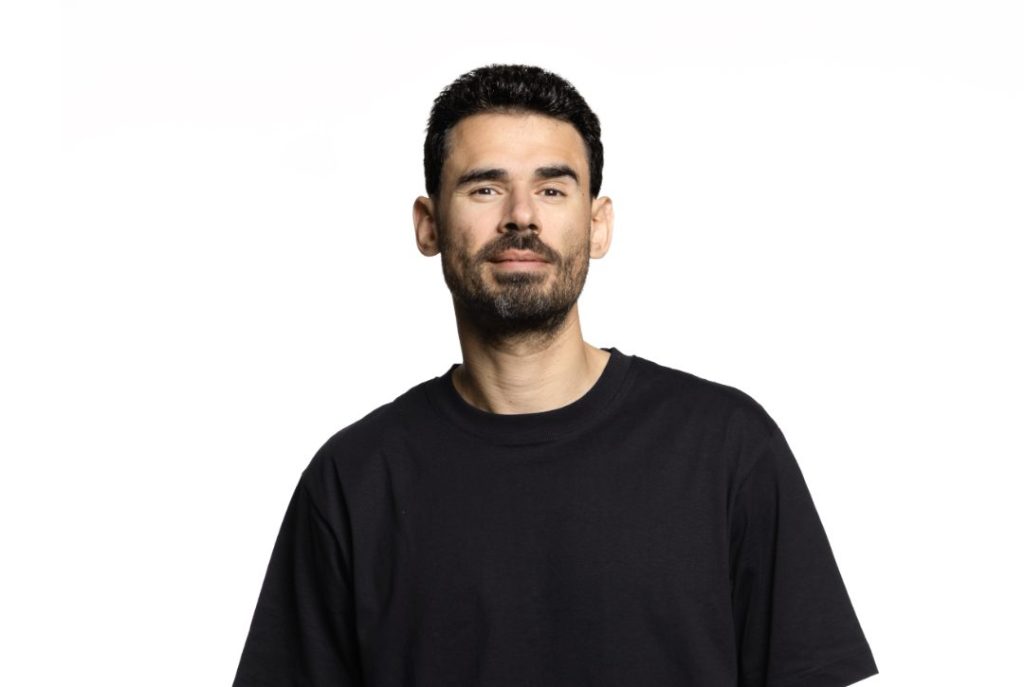
TOM LECHEF (@tomlechef_) comes out swingin’ on Southpoint’s Catalyst Sampler with “Do It Like That,” a collaboration with JNG, which dropped on June 26th. The UK producer has been developing a sound he calls 138, built around fast 4×4 motion, dark garage swing, house drive, and bass-led underground pressure. It is a direct, rave-focused approach that has already brought radio support from BBC Introducing, KISS FM, and BBC 1Xtra.
The sampler places “Do It Like That” alongside new music from No Boundariez, BUTCHABOI, Olivar, and Mango, with Southpoint continuing its focus on fresh names across UK garage and bass-driven club music.
For TOM LECHEF, the placement fits the moment well, since 2026 is shaping up to be a year of new releases, radio momentum, and a clearer sense of identity within the South West UK underground.
In the conversation below, TOM LECHEF discusses the financial side of DJing, the reality of streams, the need to treat music as a business, and the difficulty of balancing a full-time job with a growing artist project. His answers cut through the illusion that visibility always equals stability, and they show how emerging artists are thinking about long-term survival in a scene where shows, releases, relationships, and adjacent skills must all work together.
Interview With TOM LECHEF
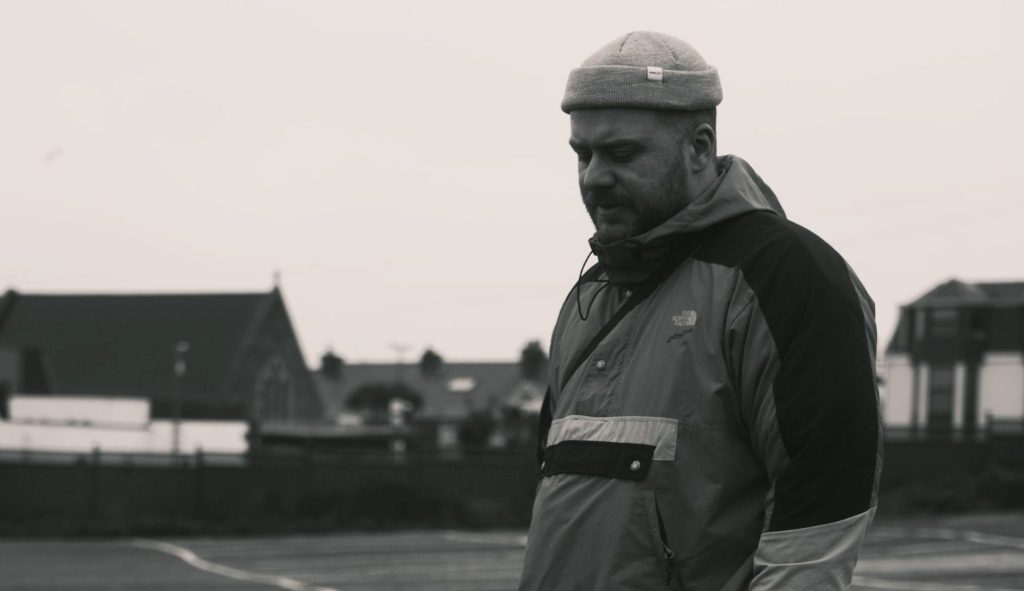
How do you think the financial realities of DJs these days influence the shape of a career overall?
It has definitely changed things.
I realised very quickly that streams do not pay the bills. I have to rely heavily on shows to make any money from music at all, and I also have a full-time job. I think to have any kind of success, you really have to treat it as a business and make smart decisions.

What does long-term sustainability look like for you in this field?
I would like to build something with real identity and longevity. Consistent releases, good shows, growing my fan base, and making enough financially to support family life.
My long-term goal is to reach a point where I do not need a full-time job to support music, since a full-time job limits the headspace and time I can put into the project.
Do you feel the culture has become more transparent about money over time?
I actually think more transparency is needed, because a lot of up-and-coming artists see sold-out shows or big streaming numbers and assume everyone is making great money, when in reality that is often not the case.

How do you approach balancing artistic integrity with earning a living? How can the two support each other?
I think the balance comes from making music you genuinely stand behind, while still being aware of how the industry works. If people connect with what you are making, the business side naturally becomes healthier.
The problems usually start when you give in to trends that do not really feel like you.
What steps have you taken to build stability beyond performing?
I have always tried to keep several things moving at once: consistent releases, building relationships with labels and promoters, growing my audience online, and learning music-adjacent skills outside of DJing too. Playing shows is amazing, and having a solid foundation around it is important as well.


Will Vance is a professional music producer who has been involved in the industry for the better part of a decade and has been the managing editor at Magnetic Magazine since mid-2022. In that time period, he has published thousands of articles on music production, industry think pieces and educational articles about the music industry. Over the last decade as a professional music producer, Will Vance has also ran multiple successful and highly respected record labels in the industry, including Where The Heart Is Records as well as having launched a new label with a focus on community through Magnetic Magazine. When not running these labels or producing his own music, Vance is likely writing for other top industry sites like Waves or the Hyperbits Masterclass or working on his upcoming book on mindfulness in music production. On the rare chance he's not thinking about music production, he's probably running a game of Dungeons and Dragons with his friends which he has been the dungeon master for for many years.