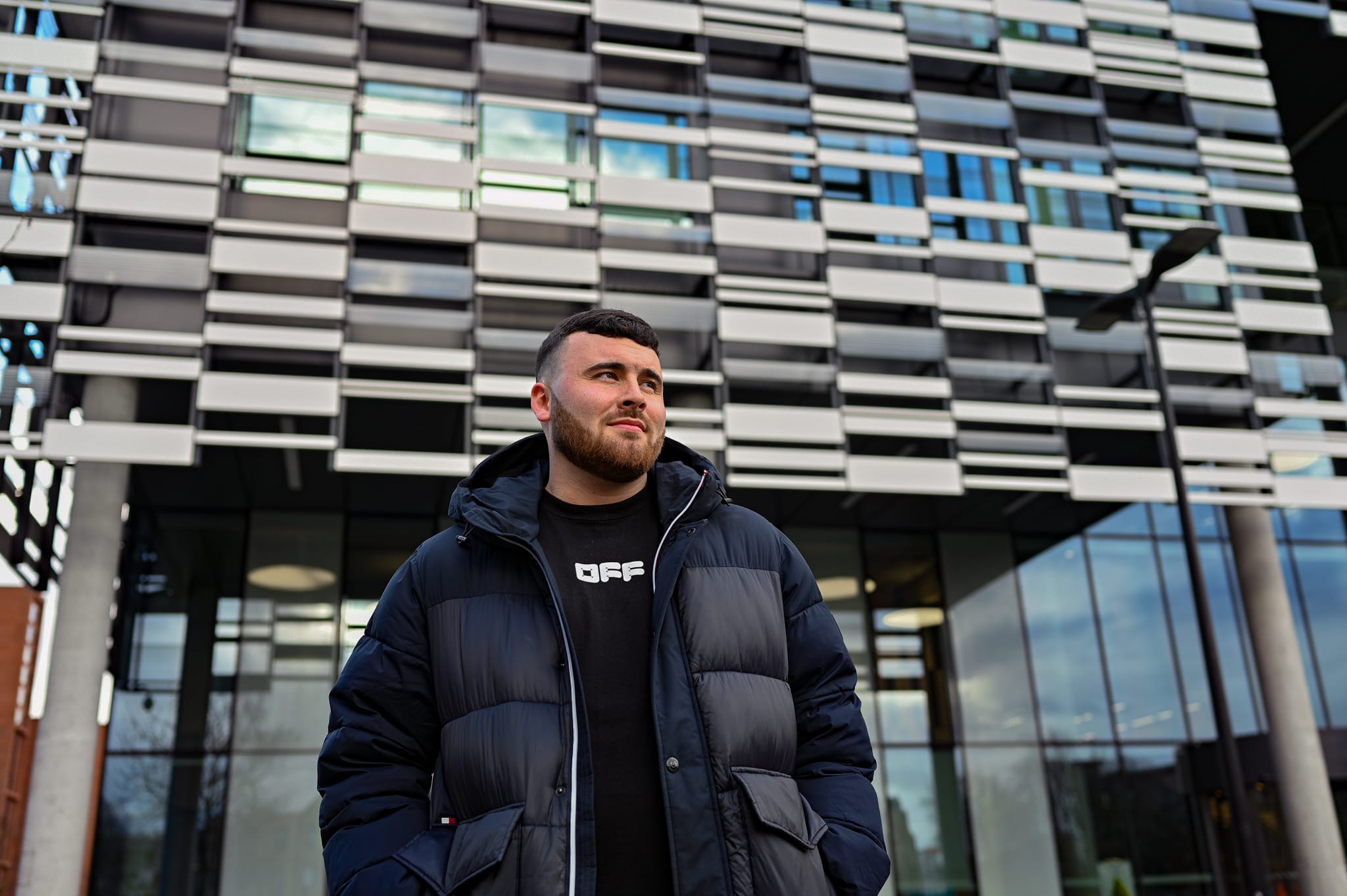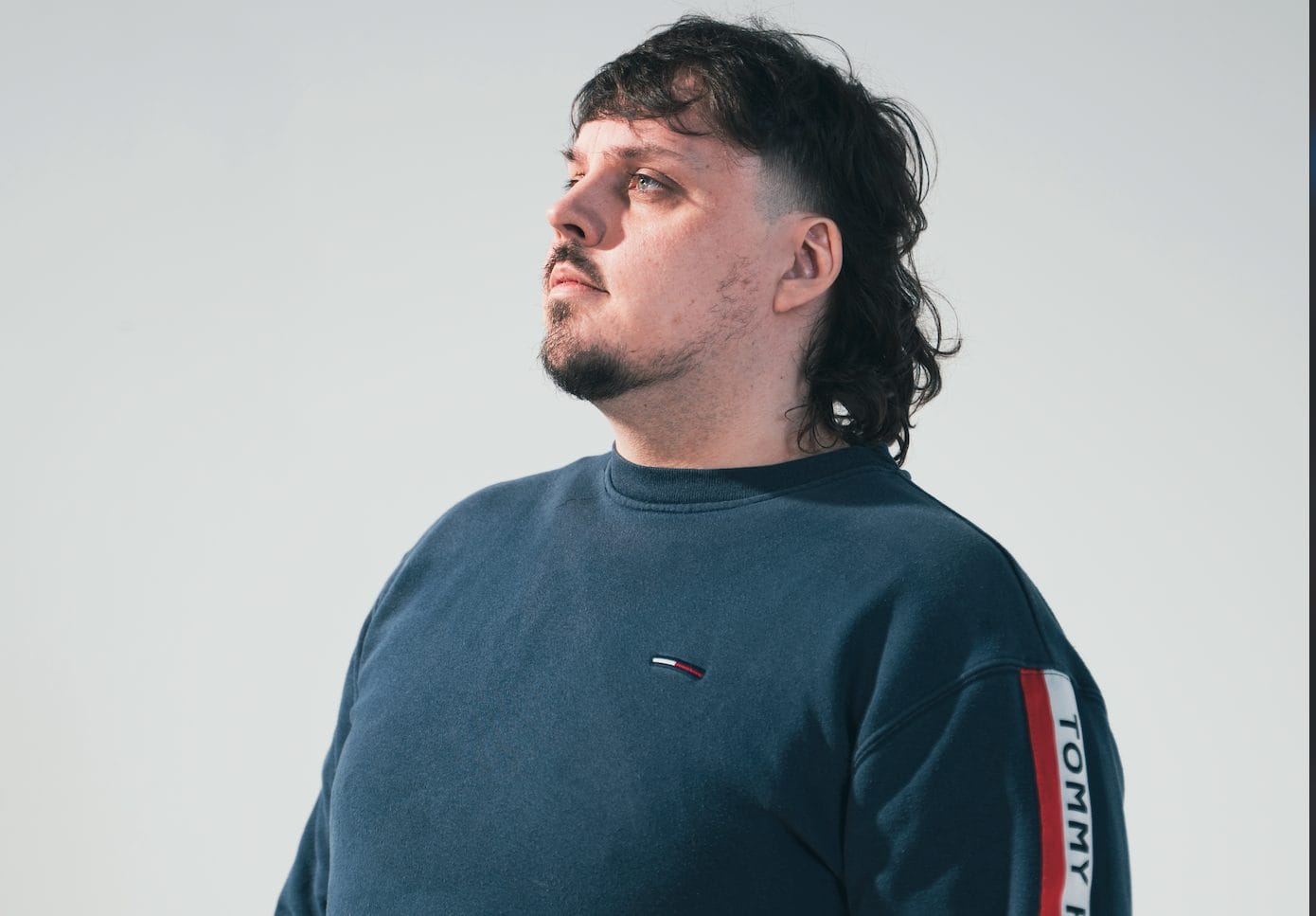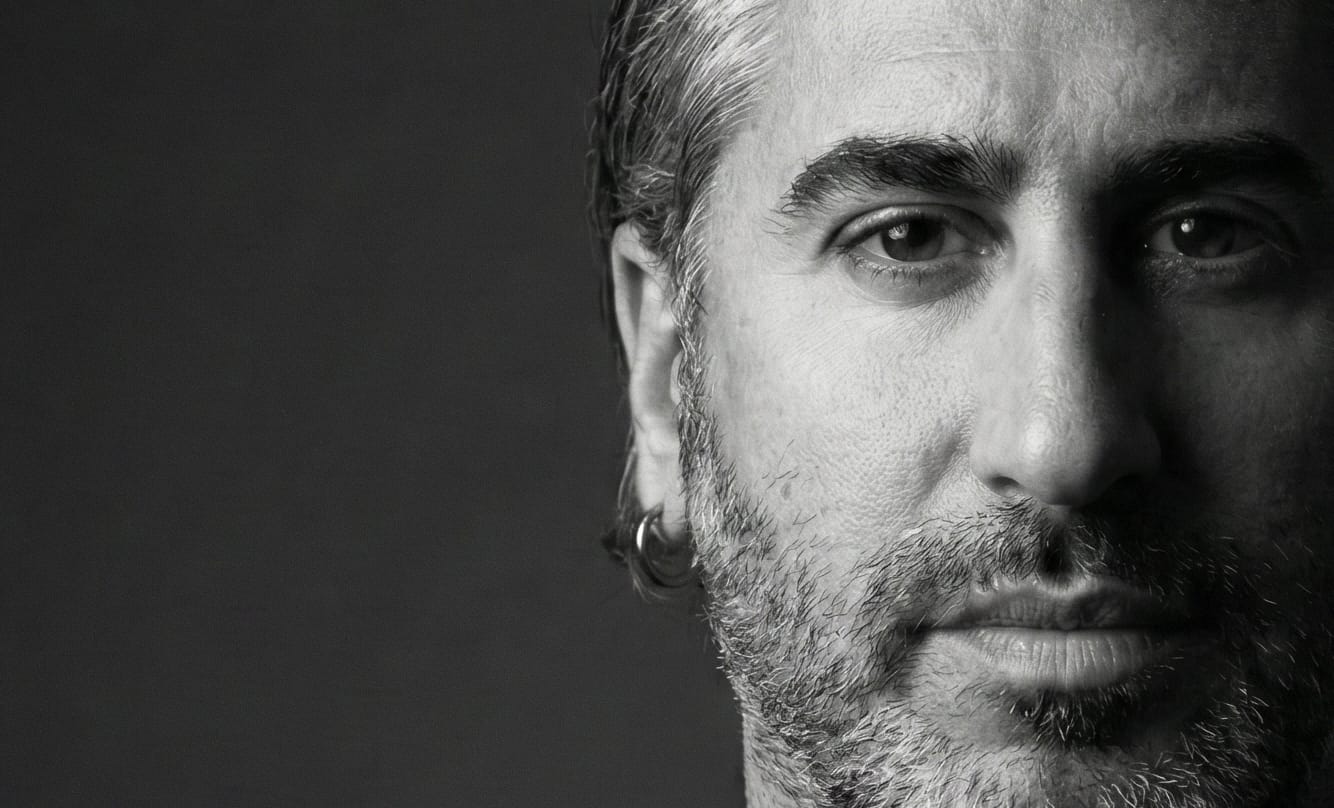
Orkun Bozdemir read like a DJ who treated a set as decision-making under pressure, and his own language around “presence” stayed focused on timing, restraint, and direction. The first thing I noticed from his bio was the breadth of scenes he moved through, since his discography and affiliations referenced imprints like Madorasindahouse, Renaissance Records, MoBlack Records, eViVE Records, Redolent, Switch Records, LSF21+, RYTHMICA, Rikodisco, Cafe De Anatolia, Harabe Lab, and Soul Revue, and that label spread usually showed up in how someone thinks about pacing and track selection.
In the interview, he framed presence behind the decks as a quiet skill, separating it from performative movement or crowd signaling. I also liked that he described intuition as something supported by preparation, since he connected “fast decisions” to critical listening and playlist work rather than impulse.
He also got specific about what happens when a room stops responding, and he did not describe it as a disaster, he described it as a problem to solve. His approach was to narrow focus, lock into a smaller pocket of the dance floor, and rebuild momentum from a place where he could get real feedback again.
Taken together, his answers read like a framework for staying consistent across long sets, where the goal was coherence, trust, and sustained attention and helps create a bit more context as we look toward the release of his album later in March, 2026.
Interview With Orkun Bozdemir
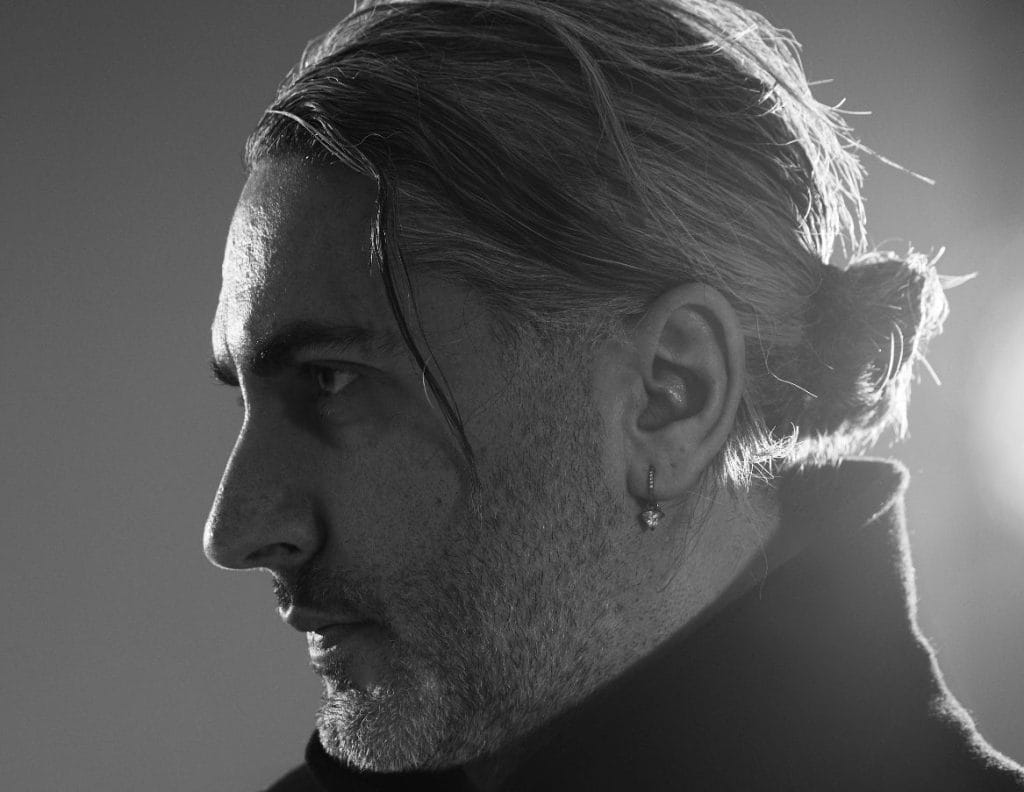
In practical terms, what does presence behind the decks look like for you?
For me, presence behind the decks is about the quality of decisions, not visible performance.
It shows in timing, restraint, and how confidently I connect one track to the next. I’m not reacting impulsively to every movement on the dance floor. I’m shaping a direction. Presence is the ability to stay intentional under pressure.
When you’re fully engaged in a set, what shifts internally?
When I’m fully engaged, internal doubt disappears and perception sharpens.
At a certain point, my playlists almost start speaking to me, and some tracks feel like they stand out on the screen and ask to be selected.
There is a continuous flow between the crowd, my music archive, and my mind. Decisions become faster, but not impulsive, and they feel aligned with the room’s direction. It’s a state where intuition is supported by deep preparation.

In high-stimulus environments, how do you maintain clarity and focus?
In high-stimulus environments, I don’t try to isolate myself from the chaos. Instead, I treat myself as part of it and direct my focus toward the movement of the room itself. I stay focused on rhythm, low-end balance, and structural timing.
Clarity comes from working through intensity, not avoiding it.
If you lose that sense of immersion mid-set, what helps you re-center?
Sometimes I lose the crowd, or at least I feel like I do. If two or three directional attempts don’t reconnect the room, it can be frustrating. In that moment, instead of trying to win everyone back at once, I focus on a specific group I feel closer to on the dance floor. I start playing for them with precision and intent. Once that smaller connection locks in, the momentum often spreads naturally and pulls the rest of the room back into sync.
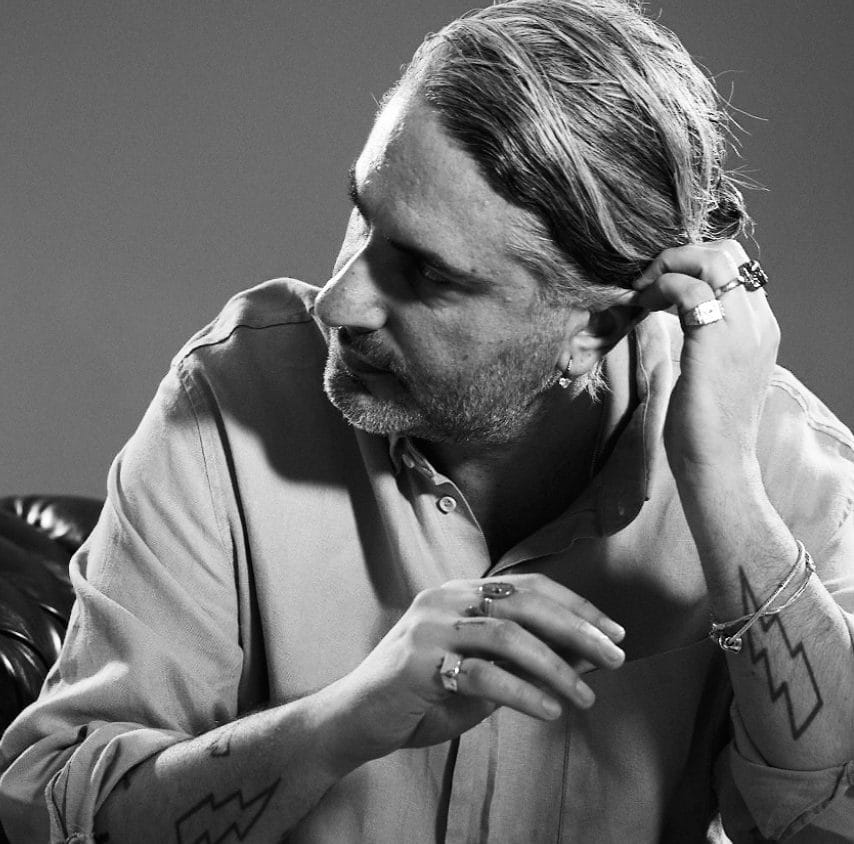
How do you see your own presence influencing the atmosphere of a room?
With experience, age, and a certain composure, I believe I transmit a sense of confidence to the crowd.
Even when I play something unexpectedly lower or higher in energy than they anticipate, that trust often remains. There’s a subconscious feeling that the direction is intentional. People sense that there is a bigger arc unfolding. When that trust exists, they give you space and time. That space allows the set to develop without losing focus.
Has your understanding of presence changed as you’ve gained experience?
Yes, significantly. Earlier in my career, I associated presence with dominance and impact.
Over time, I realized it’s about responsibility and control. It’s about sustaining attention for hours, not creating isolated moments. Experience shifted my focus from impression to consistency.
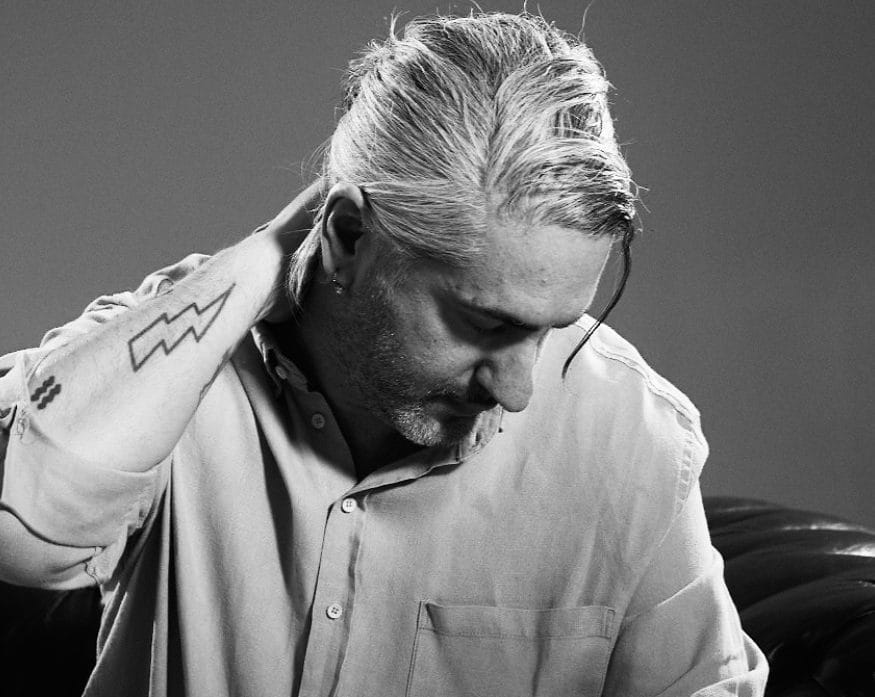
Do you think presence is something that can be intentionally cultivated?
Yes, but it requires discipline and perspective. Presence develops through repetition, critical listening, and honest self-analysis. Recording and reviewing sets is essential.
Over time, you realize DJing is about the people in front of you. That shift in understanding is what allows presence to grow. It’s not a personality trait, it’s a trained capacity shaped by awareness and responsibility.

Will Vance is a professional music producer who has been involved in the industry for the better part of a decade and has been the managing editor at Magnetic Magazine since mid-2022. In that time period, he has published thousands of articles on music production, industry think pieces and educational articles about the music industry. Over the last decade as a professional music producer, Will Vance has also ran multiple successful and highly respected record labels in the industry, including Where The Heart Is Records as well as having launched a new label with a focus on community through Magnetic Magazine. When not running these labels or producing his own music, Vance is likely writing for other top industry sites like Waves or the Hyperbits Masterclass or working on his upcoming book on mindfulness in music production. On the rare chance he's not thinking about music production, he's probably running a game of Dungeons and Dragons with his friends which he has been the dungeon master for for many years.