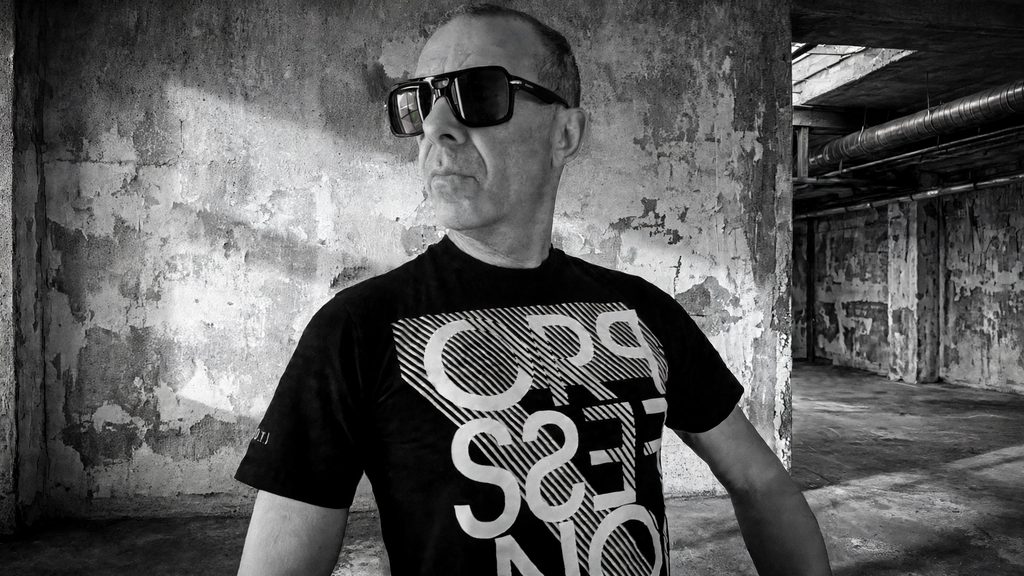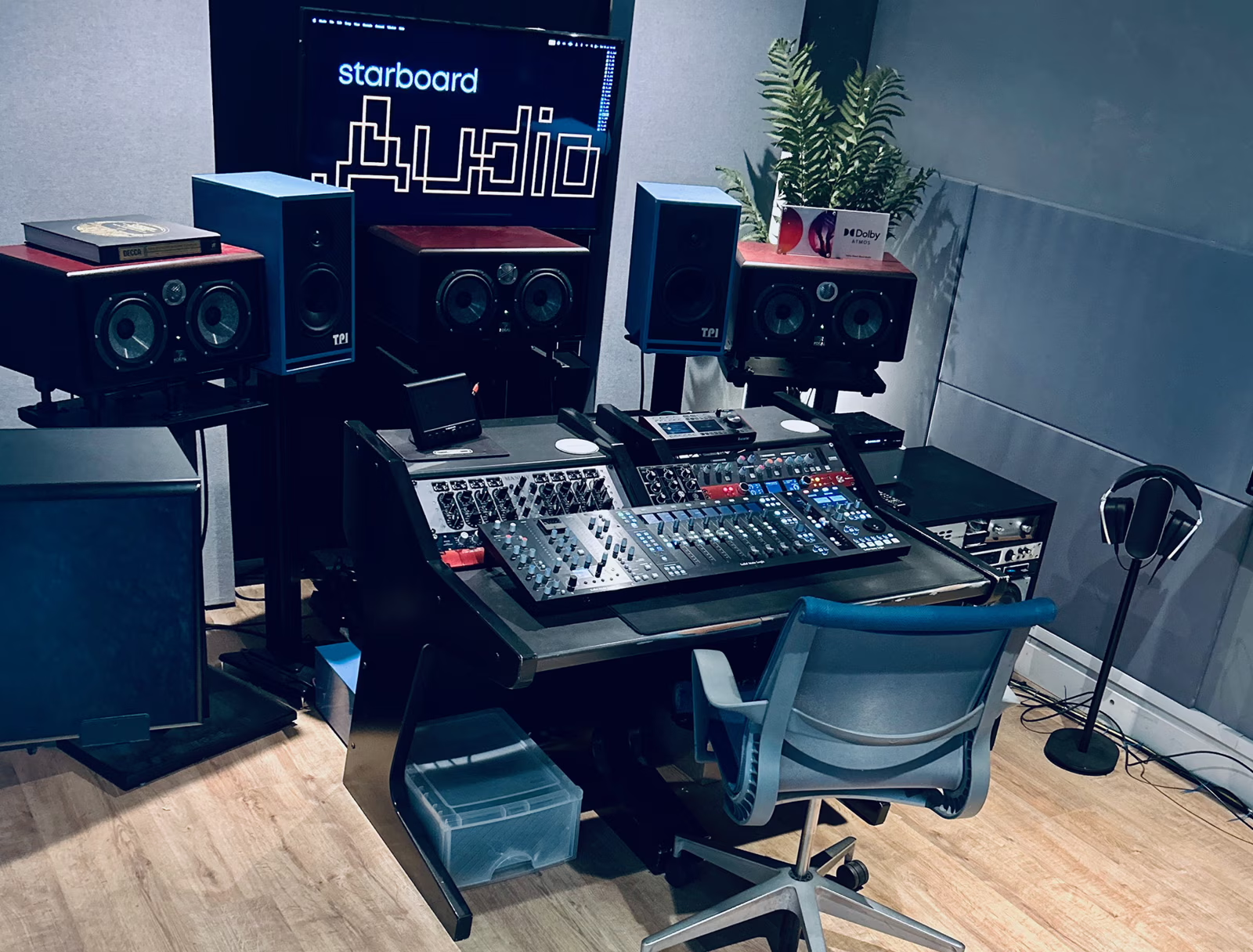
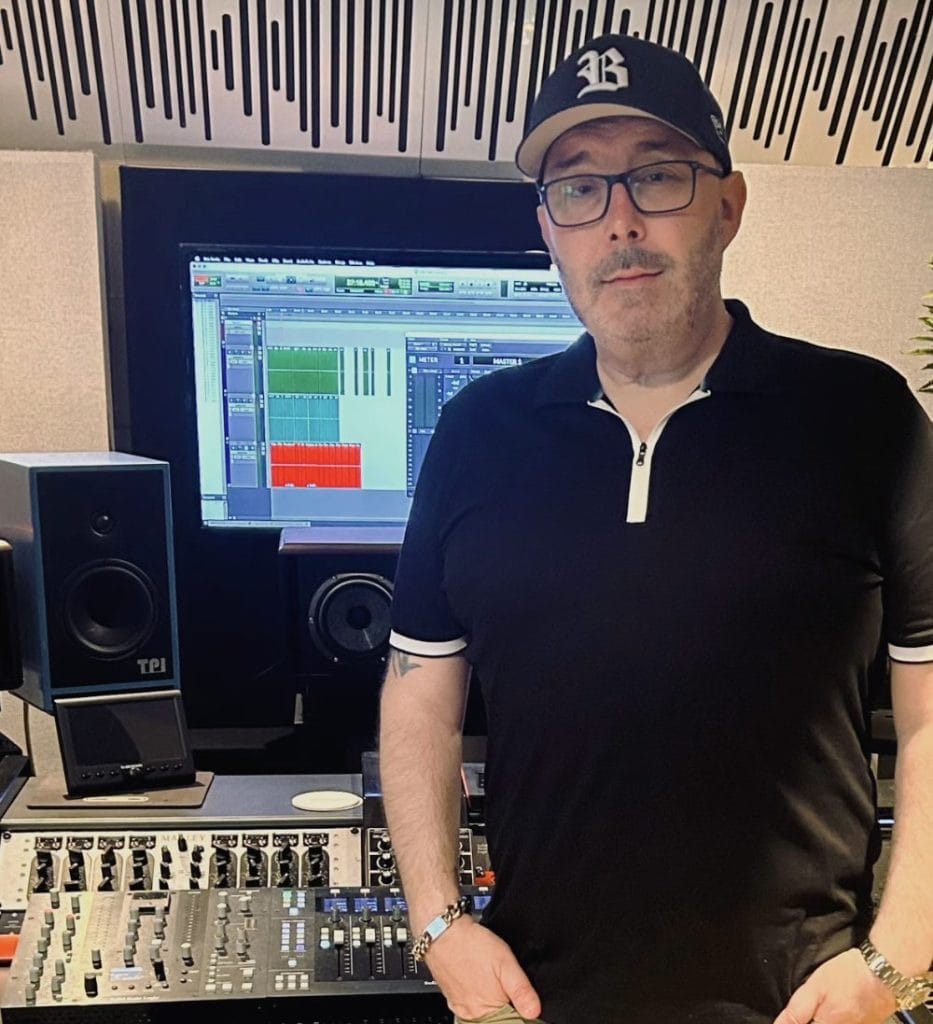
Richard Whittaker has shaped more than a thousand Dolby Atmos and Spatial Audio mixes, and his work spans legacy acts like The Who, Thin Lizzy, Robin Trower, Traffic, KISS, and Greg Lake, alongside contemporary artists such as Foals, Gabriels, and Biffy Clyro. At this point, his workflow feels like its own ecosystem. He runs the full SSL U Series controller lineup with the SSL 360 software environment, and that combination gives him the same confidence he had working on the original SSL consoles that shaped these records the first time around.
Whittaker studied Ambisonics and surround mixing long before Atmos became a global standard. As one of the first Atmos-accredited engineers in the U.K., he had already spent decades developing a feel for spatial work. That experience shaped his approach to remixing catalogue albums for artists who want their classic records to feel authentic in an immersive format.

When he sits down to start a mix, he reaches for SSL’s official channel strip plug-ins for the 4000 B, E, G, and 9000 Series. Inside SSL 360, they appear in a traditional console layout, which makes the entire process feel familiar.
He often begins by matching the tonality of the original stereo version, using recall notes and the SSL G Series channel strip as a starting point. Many of the original mixes were created on SSL desks, so he recreates the signal chain and carries that tone into the Atmos field.
Building an Immersive Workflow With SSL U Series Hardware
Whittaker works on the full U Series range. That includes the UC1 controller, the UF8 fader unit, and more recently the UF1. Together they create a physical surface that responds the way an engineer expects. He prefers riding faders over drawing automation. The UF8 gives him eight motorized faders that feel natural for movement-based work. The UF1 adds a dedicated master fader that he uses for bus rides and longer transitions.
He also gets dedicated transport controls and a weighted scrub wheel that speeds up navigation across large sessions.
The UF1 ships with the SSL Meter plug-in, and the display on the hardware unit keeps level and phase information right in front of him. The hardware VU meter paired with the UC1 gives him another reference point while he works. He still uses hardware in his rack, including an SSL Fusion, and he plans to add the BUS+ compressor. Inside SSL 360, the Bus Compressor 2 plug-in is another core piece of his workflow because its behavior and tone feel true to the hardware.
Whittaker built a reputation for meticulous mix recreation. Clients often ask him to match the original stereo mix with precision. He researches the gear, the desks, the documentation, and the production history for each album. Once he recreates that core chain, he translates it into a full Atmos field. On recent projects such as the tenth anniversary Atmos remix of the Kiasmos debut, Michael Kiwanuka’s Small Changes, and the Yes album Fly from Here, that approach helped him preserve the spirit of each record while giving it a spatial update that felt natural.

Magnetic byline note: This byline is used for staff produced updates and short announcements, often based on press materials and official release information. Editorial responsibility: David Ireland (Editor in Chief) and Will Vance (Managing Editor). About: https://magneticmag.com/about/ Masthead: https://magneticmag.com/masthead/ Contact: https://magneticmag.com/contact/