Table of Contents
SSL is a name that needs no introduction in the professional studio space. For the unaware, their mixers are responsible for creating some of the most legendary music of all time. Unfortunately for 99% of artists, their mixers often come with price tags in the five to 6-figure range, and are the size of most people’s bedrooms.
A few years ago, and to many people’s surprise, SSL released a small, affordable two-channel audio interface called the SSL 2. Finally, the once out-of-reach brand was now accessible to everyone. Fast forward to earlier this year, the Oxford-based company unveiled its latest additions to its everyday consumer-based line, the SSL 18 and Alpha 8, the latter being both an interface expander and a standalone unit. In this review, we’ll be focusing on the 18.
SSL 18 Audio Interface At a Glance
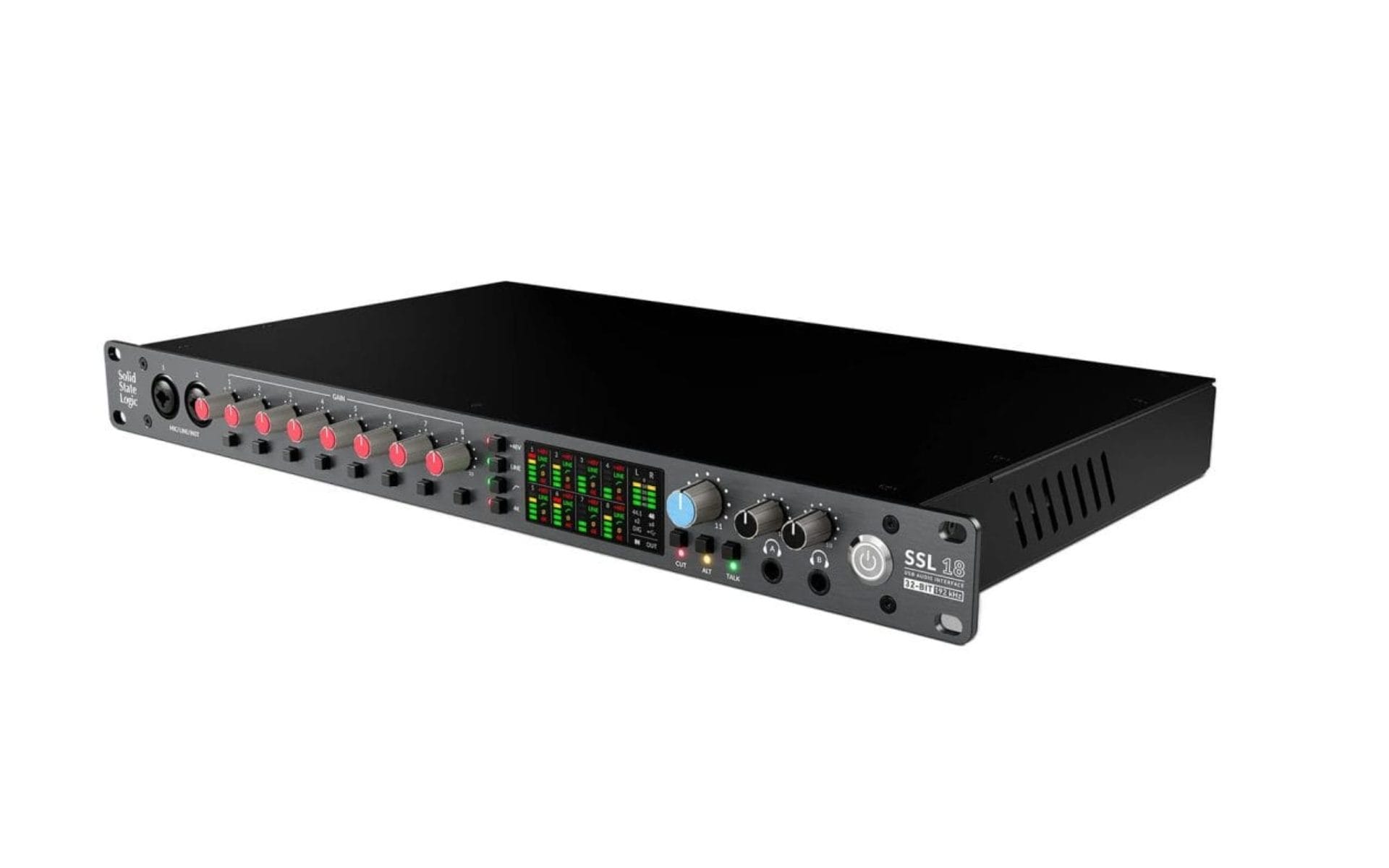
The SSL 18 is a rack-mount, 26-in/28-out USB-C interface that brings big-console workflow features (inserts, talkback, and LMC, as well as alt-monitor switching) and next-gen 32-bit/192 kHz conversion to serious project and small pro studios without requiring a proprietary DSP ecosystem.
Several aspects drew me to the interface. First and foremost, I dream of one day having an actual SSL console to work on, so even a fraction of that is enticing. Second, my previous interface, an Antelope Audio Orion 32+, was so unstable it was driving me nuts, and I was curious to see how the two compare, since SSL is still fairly new to the interface world. Third, over the past few years, I’ve been slowly downsizing my studio, so my previous setup was unnecessary and more of a hassle than it was functional. Now that the backstory is out of the way, let’s dive into the main features.
Why it feels “pro” the moment you plug it in
- Eight SSL mic/line pres with real gain — up to ~67 dB on tap, so SM7B/ribbons stop being a problem. Clean, even gain structure; instruments on 1–2 are switchable Hi-Z.
- 32-bit converters, big headroom — 120 dB dynamic range on inputs, 125 dB on monitor/line outs, and headphone DNR to match. Translation: capture quietly, monitor loudly, hear more.
- Console-style control — per-channel HPF, polarity, phantom, Legacy 4K analog sweetener, and configurable analog inserts on 1–2, so you can patch your favorite pre/comp before conversion. Line inputs can bypass the preamps entirely.
- Talkback with SSL’s Listen Mic Compressor — not just a slate mic; you can record the LMC character for incredible results. The LMC is derived directly from SSL’s 4000E analog console, enabling you to replicate the powerful and distinctive compression effect found on some of the most famous tracks from the ’80s. There are plugin versions, but this is the real analog deal.
- Cue mixing that scales — SSL 360 software provides flexible, well-designed foldback; four cue mixes (two stereo, two mono) keep artists happy.
- Growth built in — dual ADAT for 16 ch I/O @ 44.1/48 kHz (8 @ 96 kHz), plus 10 balanced line outs for alt speakers/outboard stems.
How it sounds (and why you’ll notice)
The pres and converters are clean, wide, and robust, creating a more “studio neutral” sound than hyped sound. Hitting Legacy 4K adds a gentle top-end presence and mid zest that nods to SSL’s classic large-format consoles; it’s tastefully done and genuinely useful for vocals and guitars. It sounds excellent, to the point I use it on every channel, with support for +24 dBu line-up levels and versatile headphone amps that don’t fold when you need more juice.
My experience
As mentioned earlier, my previous interface gave me a ton of problems, and I’d greatly downsized my rig. While it wasn’t a high bar to pass, I will say that the Antelope does have some of the best converters in the game. Beyond anything, my biggest concern was stability. The SSL 18 was ready to go right out of the box. I didn’t even need to install the software, but did anyway because we’re thorough here. Honestly, I’m not overly fussed about SSL 360. It’s fine, but it doesn’t impact my workflow.
Once I got the unit up and running, I quickly realized how many quality-of-life improving features and the attention to detail SSL packed into this thing. It made my monitoring gear redundant, so unfortunately, I now have a bunch of gear collecting dust. Not mad about it!
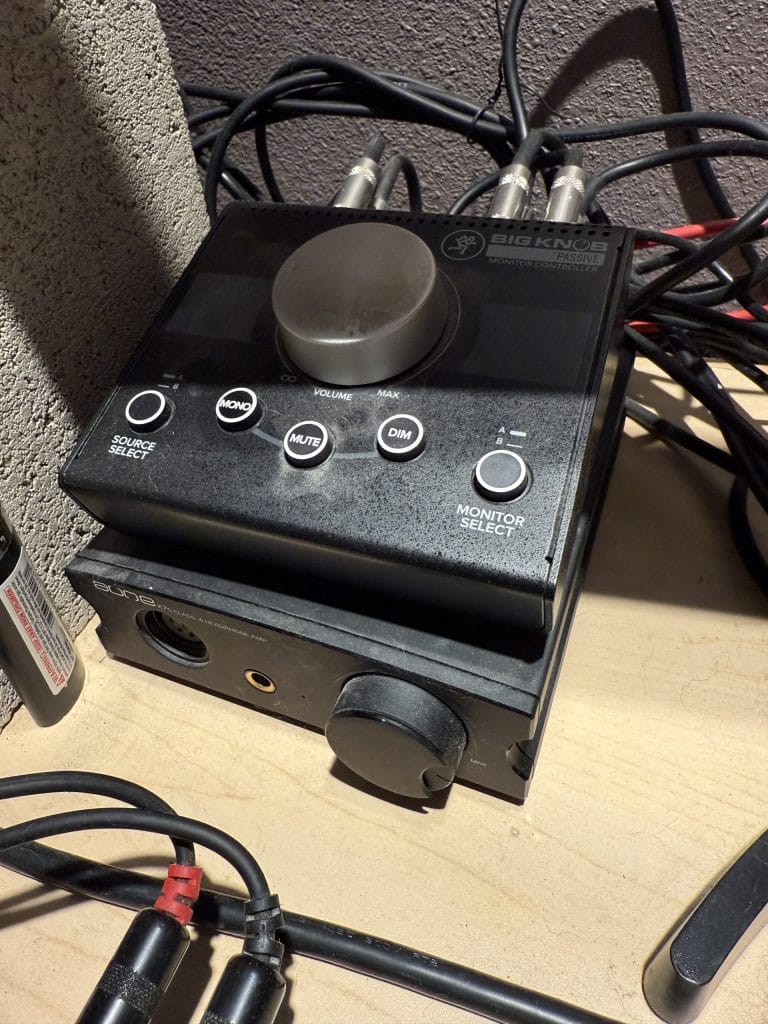
Let’s talk about 4K. It’s one of those things that you have to hear to believe. It adds a level of clarity and detail that would be extremely difficult to replicate using software. Having it ready at the push of a button is one of those aforementioned quality-of-life things. 4K paired with my UDO Super 6 is a match made in heaven. And as I mentioned earlier, it’s so good that once I activated them on every channel, I never turned them off. I mean, why would you?
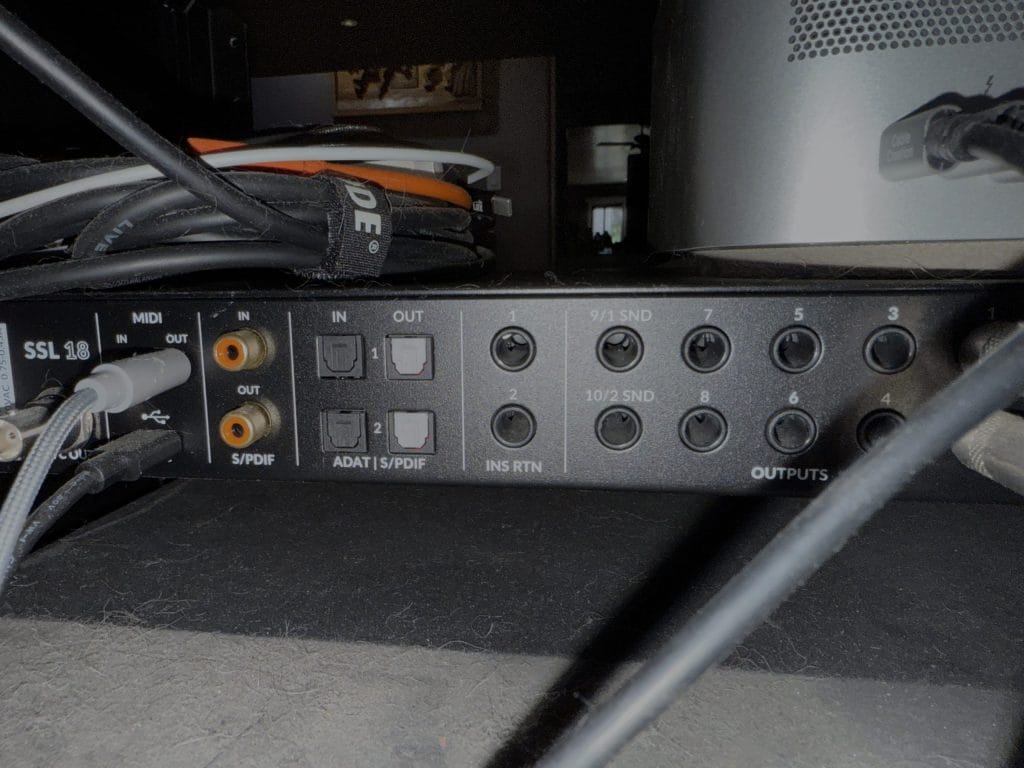
Beyond the overall look and sound of the unit, my three favorite features are the dual headphone ports, the dedicated send/return ports for using external effects and processing, and the MIDI in/out. Are these features particularly unique? No, but coming from my Orion, these are gamechangers for me. The older I get, the simpler I try to make my life. Any unnecessary routing and gear is a no-go for me anymore. The more streamlined, the better. Although I haven’t had the chance to expand yet, the SSL 18 does include two ADAT expansion ports for use with their Alpha 8 units for an additional 16 inputs and 16 outputs. They also look killer.
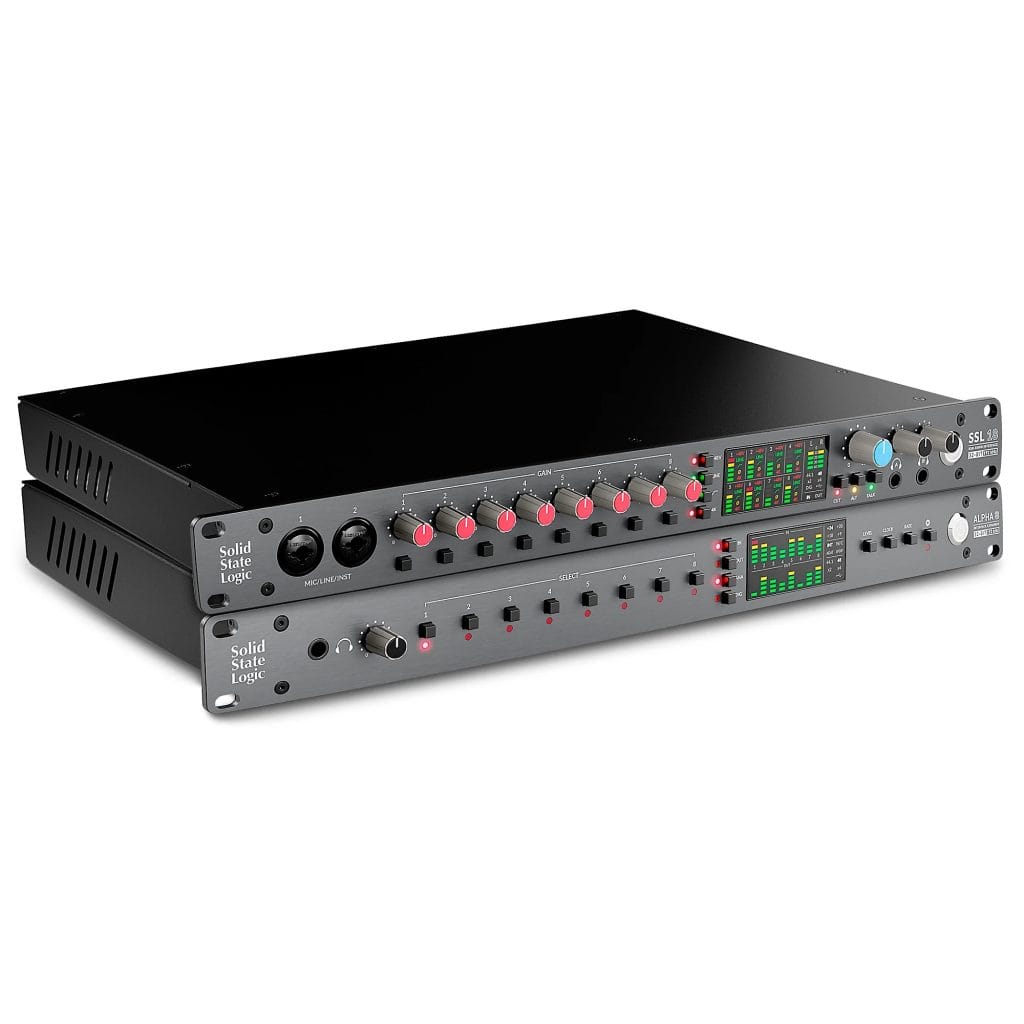
Not to continuously harp on my previous interface, but when I look at the various ones I’ve owned, while they each hold a certain level of appreciation, without a doubt, the SSL 18 has quickly become my favorite so far. Audio interfaces have come a long way in the 15 years since I first started making music. They were cumbersome, and the early software they came with was more of a nightmare than anything. While I don’t currently have much use for the SSL 360 software, it was simple and quick to set up.
Who knows if my younger self would have been able to understand or appreciate any of that, but with how simple the SSL 18 was to get up and running, I know I would have loved it. Not that I had or could afford any gear to use with it…
What could be better?
The biggest drawback, at least coming from an interface with 32 channels, is the lack of said channels. Arturia’s AudioFuse 16Rig comes in at a similar price point and packs 16 channels into a similar size. That unit also functions as a completely standalone unit, which is becoming a big selling point for consumers. The SSL 18 can be used as a standalone unit, but it’s not optimized. What the 18 has over the 16Rig is one knob per function, the latter using menus and dials. The 16Rig also has optional 8-in expanders, and when combined, gives you 32 channels vs SSL’s maximum of 24. Maybe they’ll continue expanding in the future, but if you need those extra eight inputs, it might be a tough sell.
Although mostly known for its hardware, SSL has also solidified its place as a producer of high-quality plugins. The lack of on-board DSP for those is something I’d like to see in the future. It seems like a missed opportunity here, but DSP adds more costs. No on-board USB hub is also a bit of a bummer, as brands like Arturia have, but it’s fine.
Who the SSL 18 is perfect for
Producers/engineers who want 8 quality pres, expandable digital I/O, and console-adjacent features (talkback/LMC, inserts, alt speakers, analog warmth) without buying into dedicated DSP. If your sessions include bands, drums, live rooms, or hybrid mixing with outboard gear, it’s a sweet spot. If you need maximal routing flexibility or standalone recording, RME nudges ahead; if you live for tracking through modeled Neve/API chains, Apollo is still a strong option.
Final thoughts
In a market saturated to the max, SSL made the rack interface we’ve been asking for: studio-grade guts, console-style workflow, modern conversion, and real expansion. Minus the $100k commitment for something the size of a small car. It’s not the cheapest, but pound-for-pound it’s a studio anchor you won’t outgrow. SSL made it clear they were competing with brands whose products are double the price point, without skimping on quality. The SSL 18 seems to be a real hit, so I’d imagine they’re already working on bigger versions.
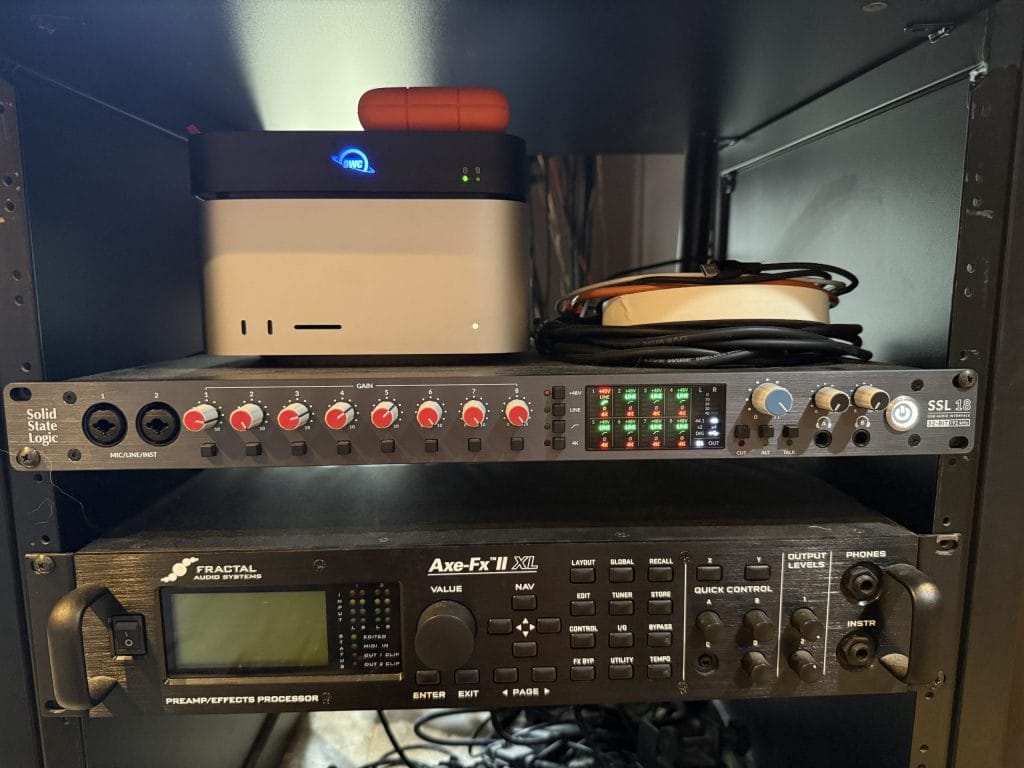
Personally, this is the best interface I’ve ever used. It fits perfectly in my current setup, and when I’m ready to expand with synths and outboard gear, I won’t have to worry about patch bays or forking out tons of money for bigger interfaces. The sound quality is top-notch, and I’ve already made some of my best music on it. And it’s stable! In the past, I’ve considered getting a small portable interface to take on the road, but this could fit that bill, depending on my adventure. There are more portable options out there, but if Richie Hawtin can travel with a full studio interface rig for his DJ setup, I think I can manage with the SSL 18.
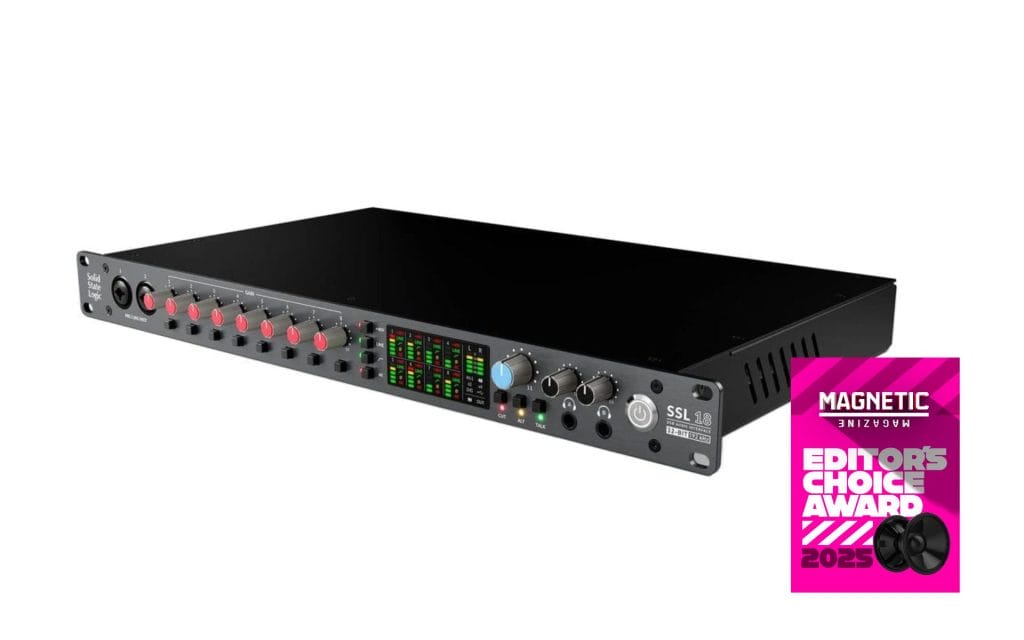
The Editor’s Choice Awards are reserved for the best of the best. While there is plenty of great gear available, only products that blow us away receive the award. The SSL 18 checks all the boxes: pro-level sound and features, at a price point that won’t break the bank. Its expandability and modern connections future-proof it, allowing for a wide variety of uses that make it a strong candidate for your next interface purchase.