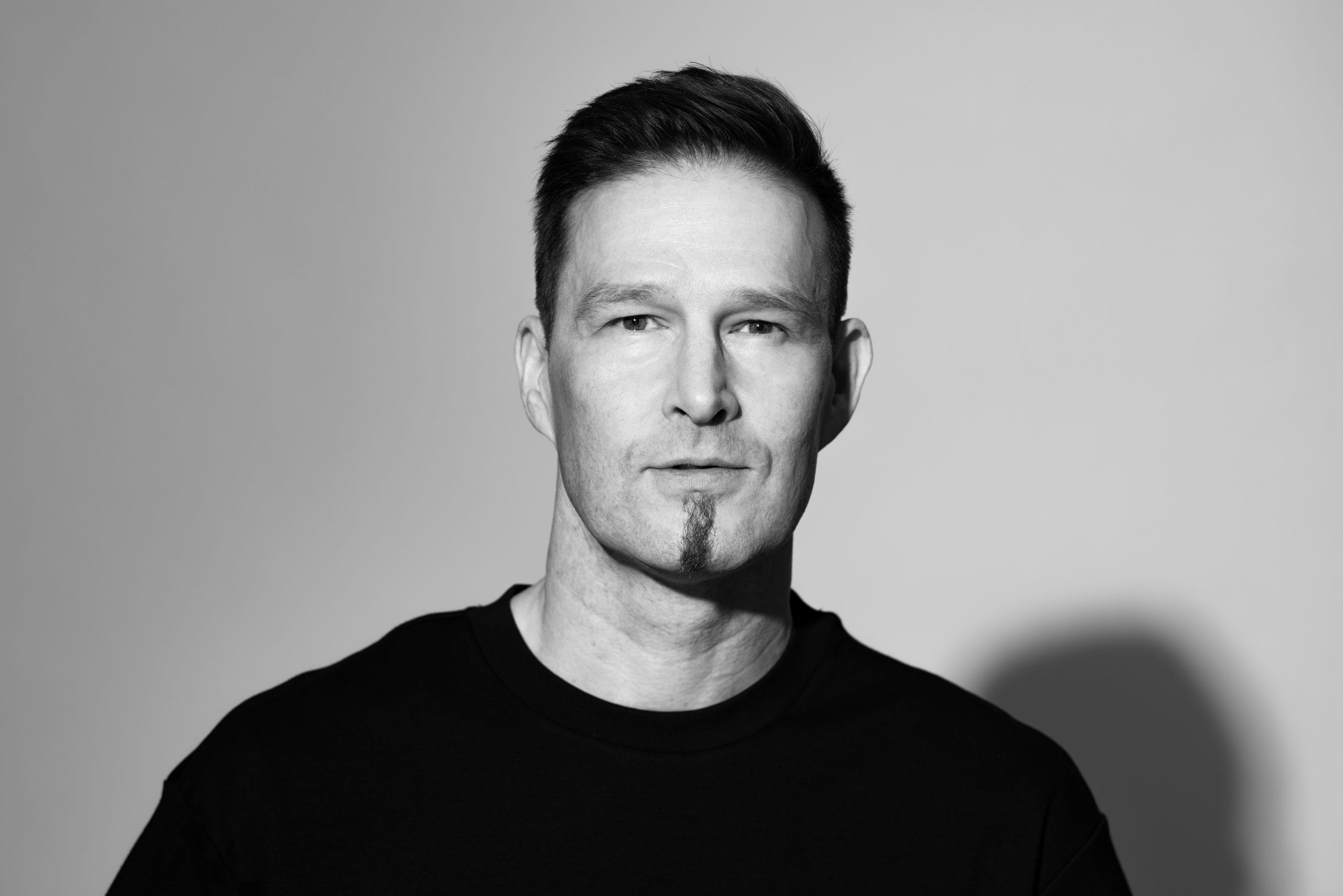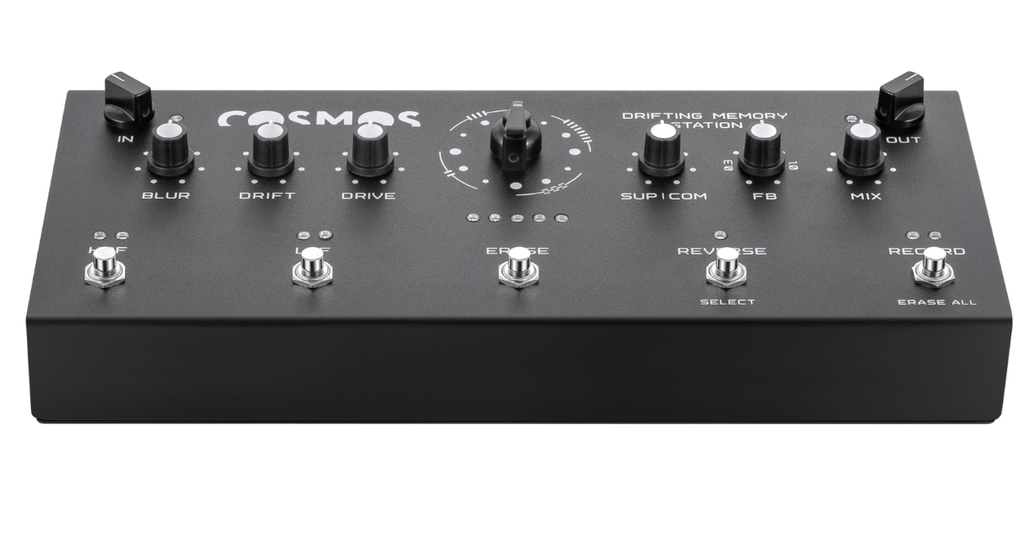
Dan Sushi returns to Purified Records with his Horizon EP, a two-track release that blends nostalgic tones with modern club dynamics. Out now across streaming platforms, the project highlights his ability to balance emotional depth with production that feels sharp and dancefloor-ready.
The title track Horizon moves with a sense of momentum, layering airy melodies and evolving textures over a driving low end. Its glowing lead and rhythmic force carry a refined edge, while Nostalgia takes a more cinematic route. Anchored by a heavy bassline and grooved percussion, the track unfolds with introspective melodies that build into a rhythm-driven crescendo.
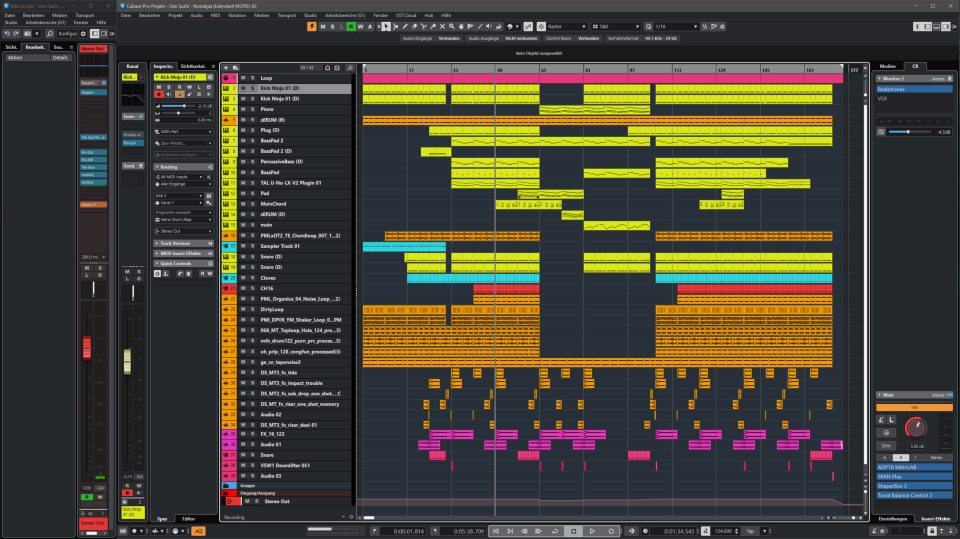
For this feature, Dan breaks down the tools and techniques behind Nostalgia.
From leaning on u-he Diva for its vintage character to shaping his mix with SPAN Plus and self-mastering the final version, he offers a direct look into the process that shaped the EP. Alongside that, he shares tips on mastering, theory shortcuts, and keeping creativity flowing — practical advice that reflects the same clarity present in his music.
The Lead Sound – u-he Diva
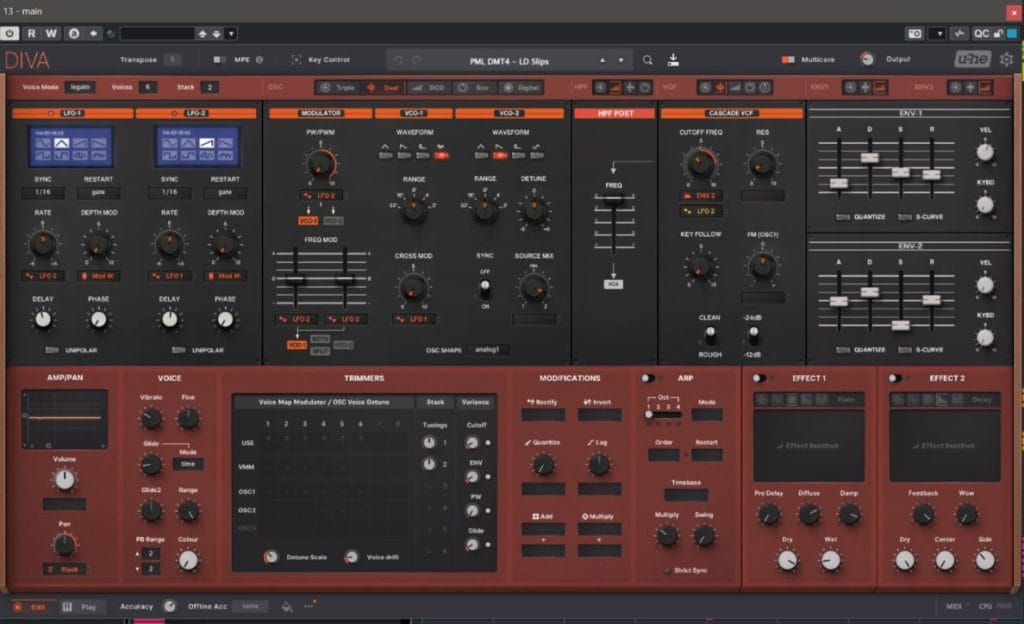
For the main lead in the break of Nostalgia, I used u-he Diva, one of my go-to synths when I want something that feels warm, rich, and retro. The preset is from a Production Music Live pack, and as soon as I heard it, I knew it captured the nostalgic vibe I was going for.
Diva’s analog-style oscillators and filters gave the lead that vintage, slightly saturated character that makes it sit perfectly in the mix without sounding too clean or digital. I didn’t tweak the preset much — sometimes the magic is already there — but I shaped the envelope and modulated the filter just enough to give it more movement and emotion during the break.
Visual Mixing – SPAN Plus
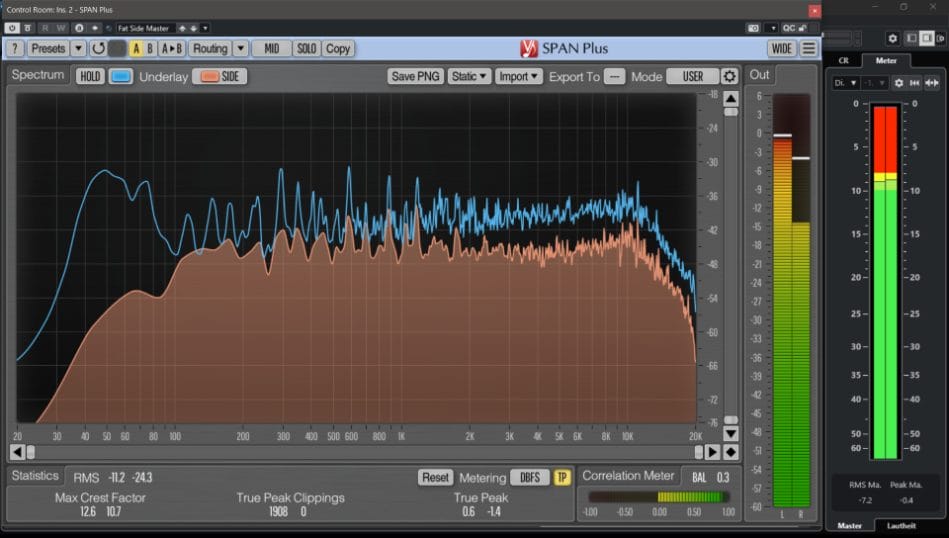
I always keep SPAN Plus open on a second screen while producing. It’s an essential tool for me to make sure the track stays tonally balanced and that the stereo image is under control, even during the early stages of writing.
In Nostalgia, SPAN helped me monitor the low end, check for masking issues, and make sure my mix wasn’t leaning too much to one side. The visual feedback is especially helpful when layering analog-style synths and drum samples, since it keeps me from overloading any part of the frequency spectrum.
It’s not about mixing with your eyes, but having this extra perspective definitely helps me make better, faster decisions.
Mixbus & Mastering Chain
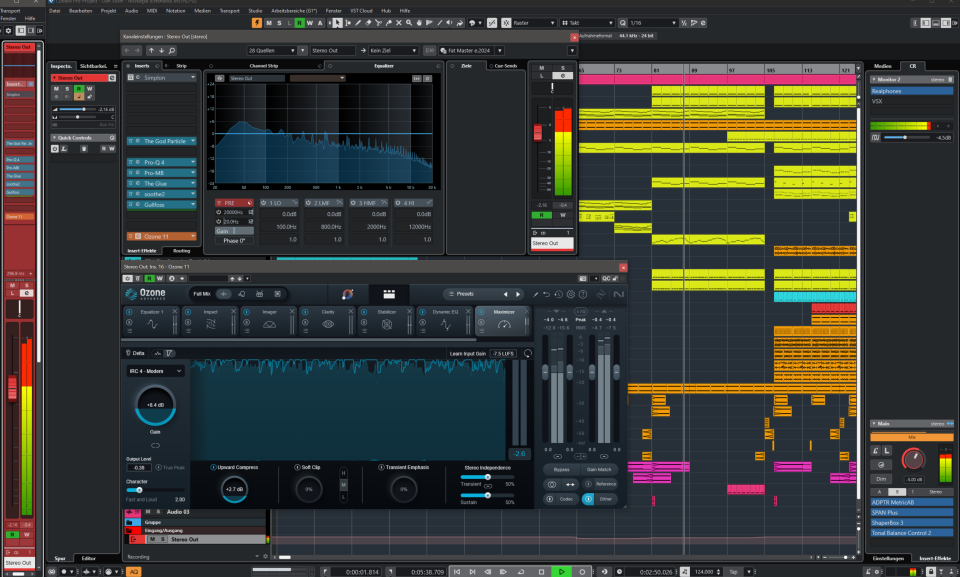
For this release, I also took care of the final mastering myself. I wanted to maintain full creative control and make sure the energy and tonal balance stayed true to the original vision of the track.
On the mixbus, I’m always working with a chain of trusted tools. For Nostalgia, I used:
- The God Particle to quickly shape the overall tonal balance and bring forward the punch and clarity.
- FabFilter Pro-Q 4 and Pro-MB for precise EQ and multiband dynamics control.
- The Glue for a bit of analog-style bus compression to glue everything together.
- Soothe2 to tame harsh frequencies and keep things smooth.
- Gullfoss for intelligent tonal balancing and added clarity across the spectrum.
At the final stage, Ozone 11 gave the track its finishing polish. I used the Maximizer with IRC 4 Modern, which helped retain dynamics while achieving a clean, competitive loudness.
Tips For Making Music
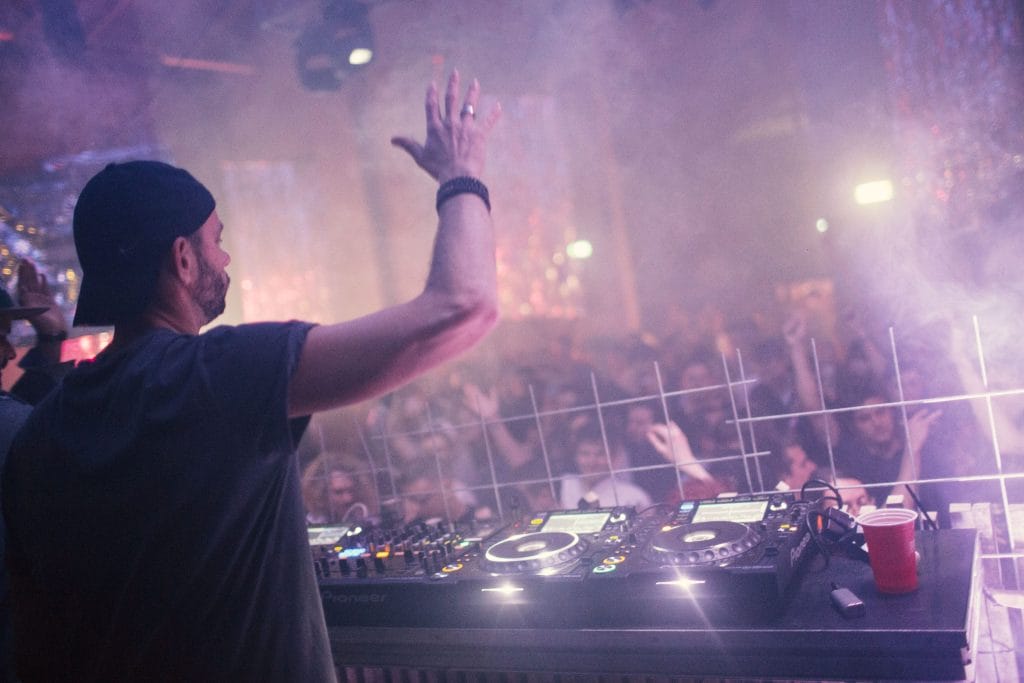
Tip 1: Learn to Master Your Own Tracks (Even If You Don’t Always Do It)
Even if you eventually hand your music off to a professional mastering engineer, being able to master your own tracks is a huge advantage, especially when you’re still learning. It trains your ear to recognize how your mix translates compared to reference tracks and helps you understand what’s missing or needs adjusting in your production.
By doing your own mastering, you’ll quickly learn whether your track holds up in terms of loudness, balance, and overall impact — and that feedback loop is invaluable for improving your mixes.
Tip 2: Write in A Minor If You’re Not Comfortable with Music Theory
If you’re not super confident with music theory or keyboard playing yet, a great hack is to start your track in A minor. Why? Because A minor uses only the white keys on the piano — no sharps or flats — making it way easier to stay in key without getting lost.
This lets you focus on writing melodies, chords, and ideas without worrying too much about scales or theory. Once you’ve written something you like, you can always transpose it to another key later if needed.

Tip 3: Scroll Through Presets to Break Creative Blocks
When I hit a creative block, one of the best ways to get inspired again is to simply open up a few different instruments and scroll through a wide range of presets. Sometimes, just hearing an unexpected texture or sound can spark a whole new idea or direction for the track.
You don’t always have to start from scratch — let the sound guide you. Exploring presets is a great way to reconnect with your creativity without forcing anything.
Tip 4: Use References — But Don’t Let Them Distract You
Referencing other tracks can be super helpful for checking your mix balance, loudness, or overall vibe, but it can also lead you down the wrong path if you’re not careful. Every track is different in terms of punch, energy, and emotional tone, so trying to match a reference too closely can actually take away from what makes your own track unique.
Use references as a general guide, not a rulebook. Trust your ears, and make sure your track stays true to its own identity.

Will Vance is a professional music producer who has been involved in the industry for the better part of a decade and has been the managing editor at Magnetic Magazine since mid-2022. In that time period, he has published thousands of articles on music production, industry think pieces and educational articles about the music industry. Over the last decade as a professional music producer, Will Vance has also ran multiple successful and highly respected record labels in the industry, including Where The Heart Is Records as well as having launched a new label with a focus on community through Magnetic Magazine. When not running these labels or producing his own music, Vance is likely writing for other top industry sites like Waves or the Hyperbits Masterclass or working on his upcoming book on mindfulness in music production. On the rare chance he's not thinking about music production, he's probably running a game of Dungeons and Dragons with his friends which he has been the dungeon master for for many years.