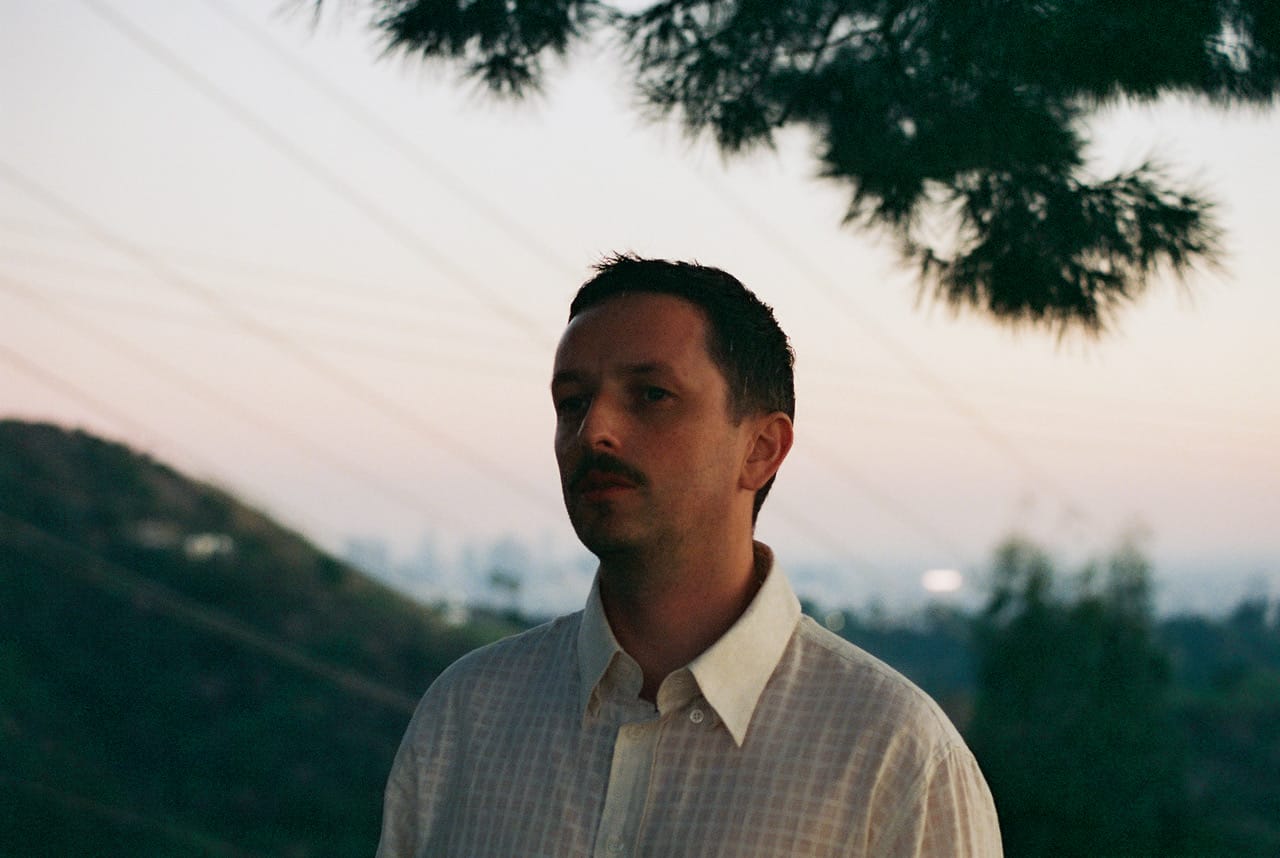
With more than a decade in the game, countless Beatport-topping releases, and a legacy of forward-thinking productions, Stereo Underground remains one of the Middle East’s most thoughtful and emotionally connected voices in electronic music. His latest EP, Your Time Will Come, marks his debut on Sasha’s influential Last Night on Earth label and continues his ongoing commitment to timeless dance music that centers emotional honesty over trend-chasing.
In this Magnetic Magazine interview, he opens up about the personal process behind his music, the creative payoff of letting go of expectations, and the surprising simplicity behind some of his biggest hits.
Instagram – Soundcloud – Beatport
When you’re making a track, how much of it is purely for yourself versus trying to connect with listeners?
Honestly, it always starts with me.
The initial spark, that emotional pull, it has to move me first. I believe that when you’re truly honest in your art, people naturally connect to it. So in a way, making something for myself is my best way to connect with my true listeners. I think more about the crowd and the dancefloor during the editing and arrangement process—that’s when I start imagining how each part might hit. But even after all this time and all the chart-toppers, I still get insecure about every single track.
Has your music changed once you stopped worrying about who was going to hear it?
Absolutely.
The moment I let go of expectations—from the industry, from the crowd—my music started to breathe differently. That doesn’t mean every track is released or that everyone loves it, but there’s a freedom in not trying to fit into something. That’s when I get closest to the truth of a track. And funnily enough, some of the songs I’ve felt most connected to didn’t do that well commercially. But they still mean the most to me.
How does your creative approach shift when you’re focused purely on expressing yourself?
It becomes more internal, more powerful. I stop thinking about structure or drops or what’s “working” in the scene.
I listen to what the track is trying to become and follow that. You can’t force a track to be something it’s not. A lot of my process now is about doing the opposite of what’s out there—I hear the promos, I check Beatport, and then I deliberately do something else. The feedback from my recent tour in Argentina really confirmed that for me. DJs and fans told me the sets felt like a piece of art. That just fuels me to keep going in that direction.
Do you ever think about how you’ll feel years from now when you revisit what you’re creating today?
All the time. I think about that in every part of my life. For me, the holy grail is timelessness. I want my music to hold up a decade from now. I think of my tracks as emotional time capsules. Some I revisit and think, “Wow, I needed that.” Others show me how far I’ve come. The best test? If I can still play it in my sets years later. And I do. Some of my tracks from 5, even 15 years ago still work. Other DJs are playing them too. Let’s see if that’s still true in 20 years.
Have you noticed your music turning out differently when you just let it flow naturally?
Definitely. I tend to overthink. But when I just let it flow, it has a simplicity that’s impossible to fake. No second-guessing. Some of my biggest tracks—like “Dopamine” and “Dolby”—came from that space. The truth is, most people connect more with “in your face” simplicity. The deep, complex stuff doesn’t always perform the same. But that’s fine with me. The artistic value is in the depth, even if the commercial side doesn’t catch up.
What would happen if you only wrote tracks you personally needed to hear?
That’s pretty much what I try to do already. If I need to hear it, maybe someone else does too. And even if not, at least I’ve created something honest. My 2019 album The Art of Silence is a perfect example. Tracks like “Flying Glow” and “Breakfast on Mars” were made from deeply personal, almost surreal concepts. One track was even written for my late cat. So yeah, I don’t hold back creatively. I try to keep a balance between those offbeat ideas and more club-ready material, but I never limit myself. That’s how the real breakthroughs happen.

Magnetic byline note: This byline is used for staff produced updates and short announcements, often based on press materials and official release information. Editorial responsibility: David Ireland (Editor in Chief) and Will Vance (Managing Editor). About: https://magneticmag.com/about/ Masthead: https://magneticmag.com/masthead/ Contact: https://magneticmag.com/contact/