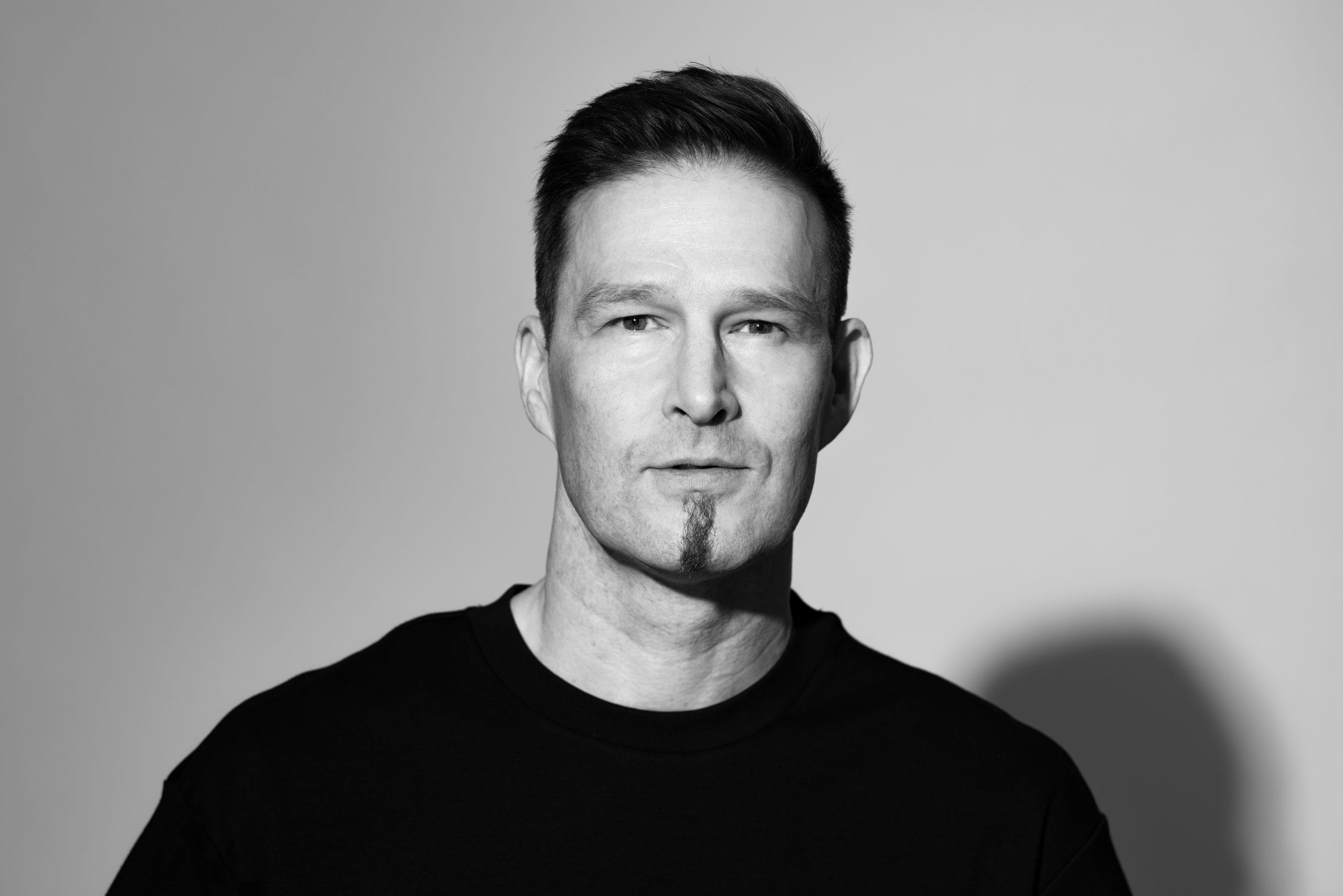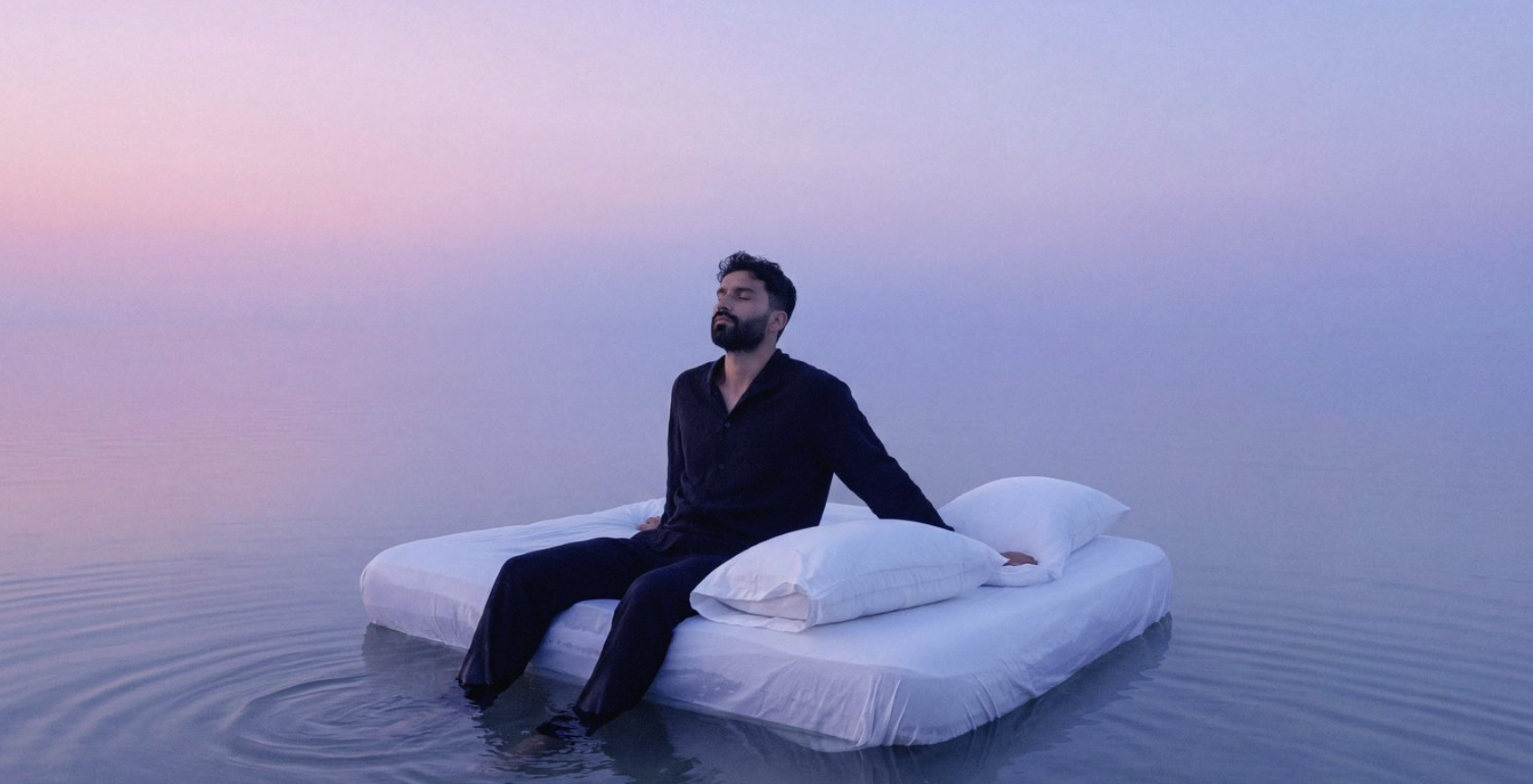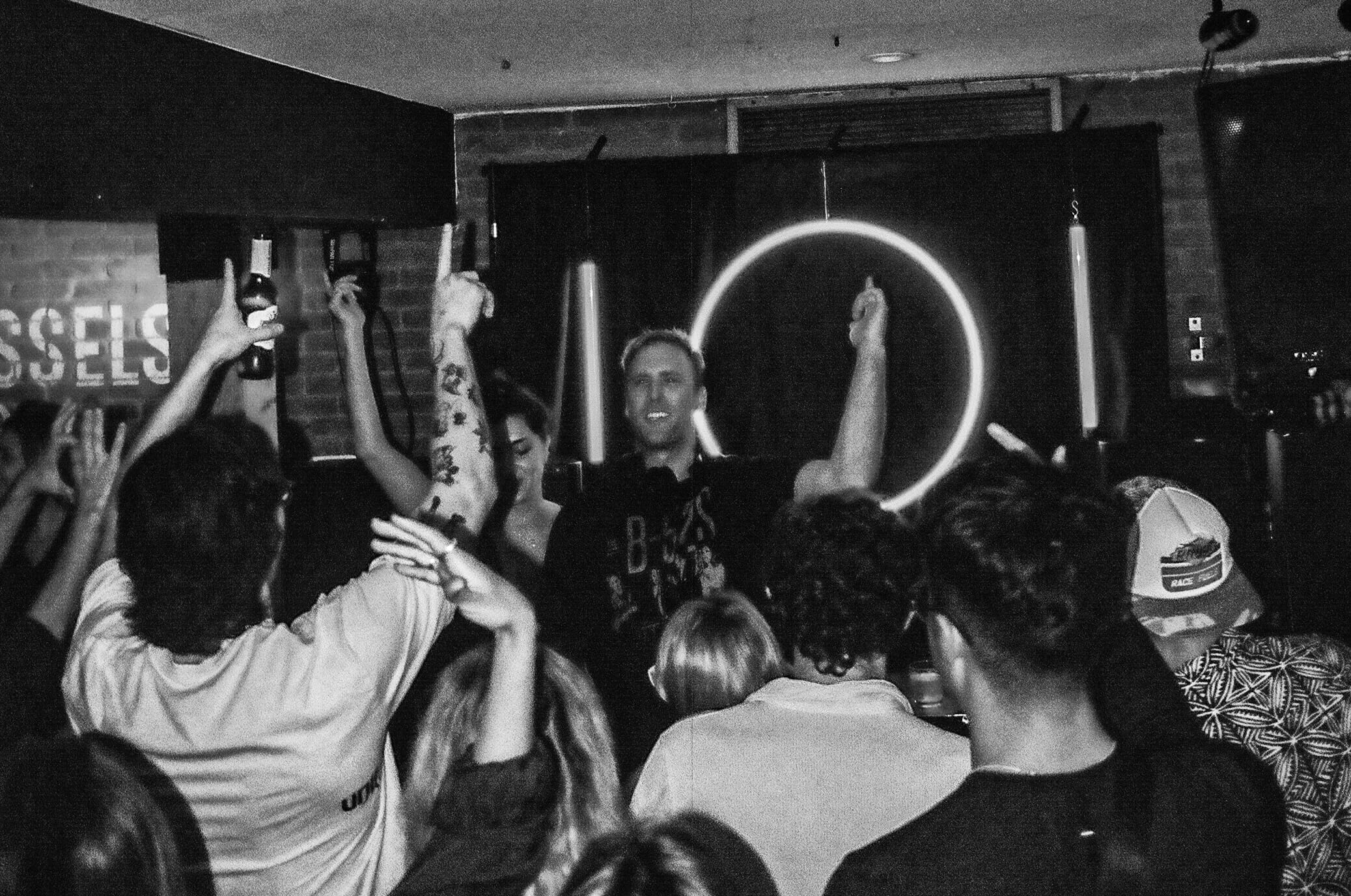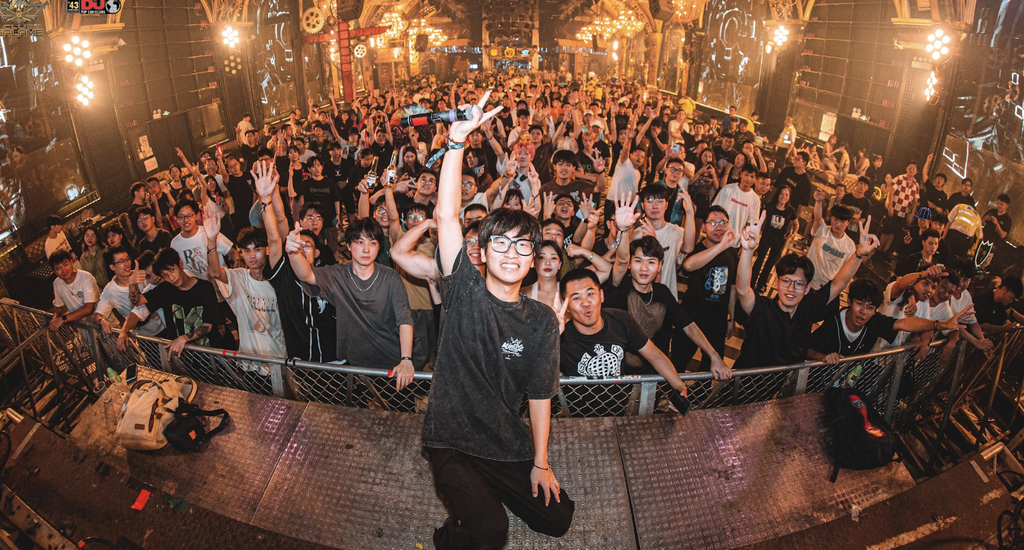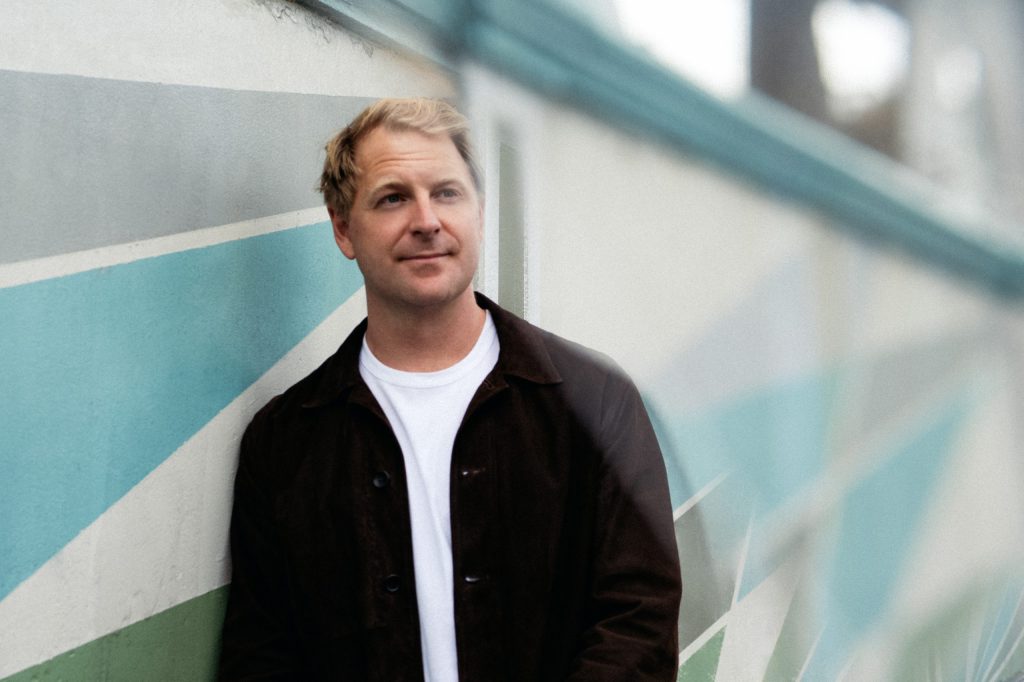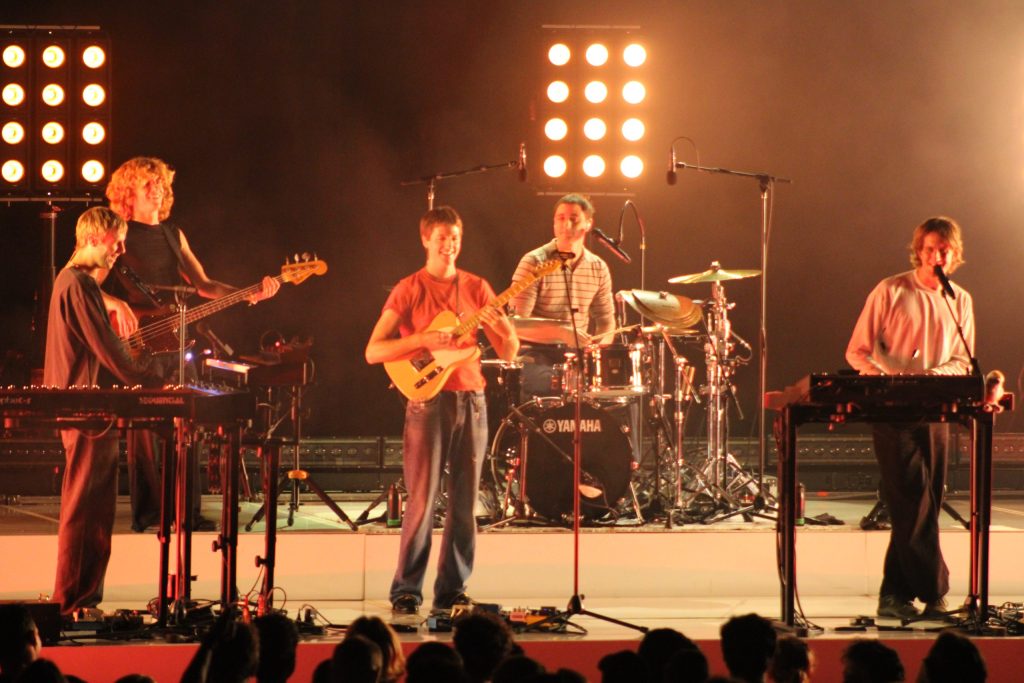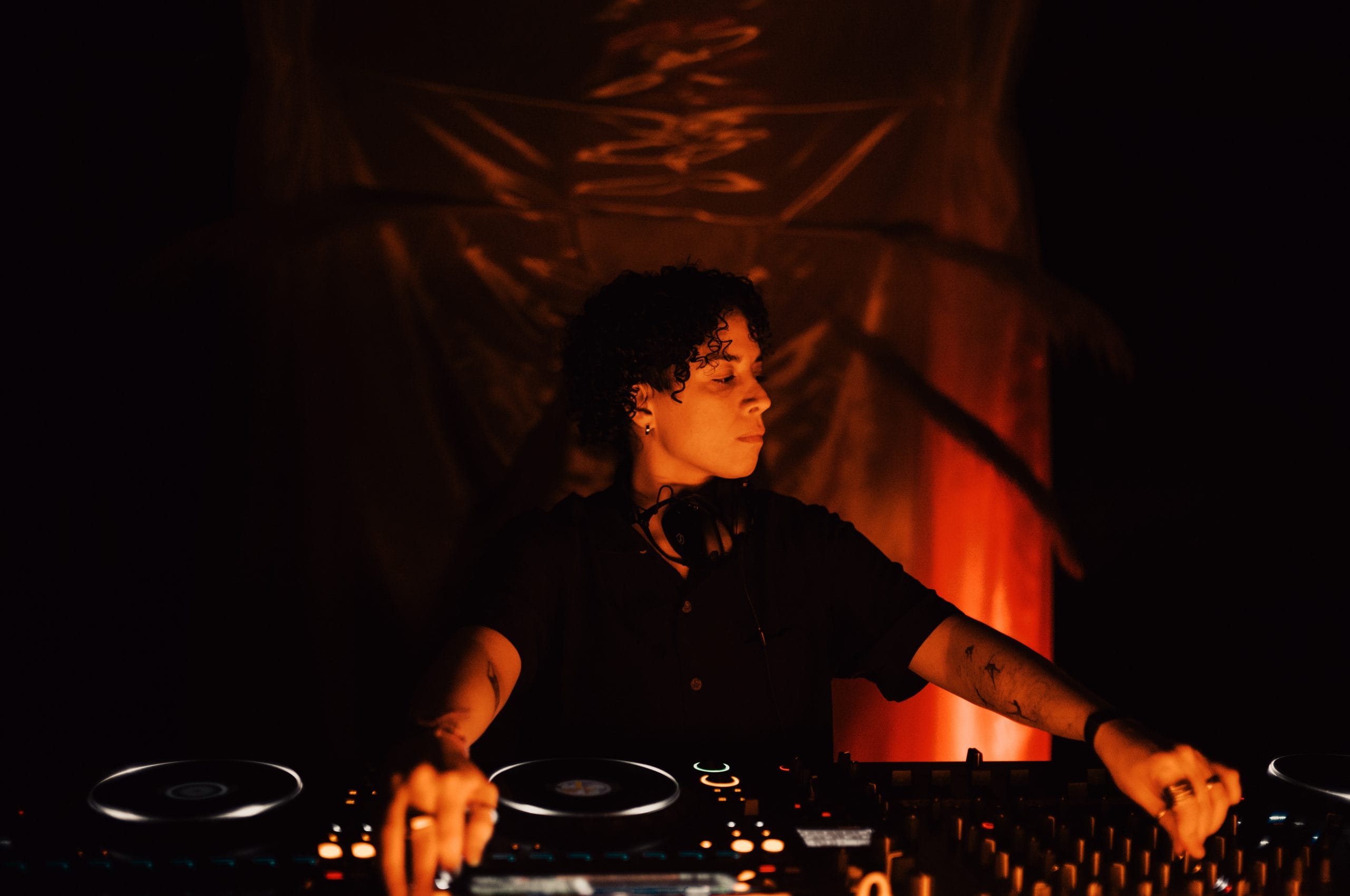
Above Image Cred: AJ El Gammal
There is something hauntingly familiar in Niki Sadeki’s latest EP—but it never leans on nostalgia as a gimmick. Out last month, June 27th on Manual Music, the Fading Sun EP offers two tracks that feel both cinematic and deeply personal. The title track features 20-year-old Iranian-Canadian vocalist Rubina, who joins Sadeki in transforming the bittersweet lullaby “You Are My Sunshine” into a moody, slow-burning house record filled with breathy texture and emotional weight. Instead of sampling it, they reshape it completely—pulling the melody into a darker, more sensual atmosphere that never feels forced.
The B-side, Morning Star, is more solitary but equally intentional. With its rising arps and soft-washed chords, it traces the kind of internal landscape Sadeki has always explored best—something that sits between dancefloor hypnosis and private reflection. As with her previous work, these tracks don’t chase moments—they let them build, linger, and resolve without urgency.
This EP might be rooted in club aesthetics, but it reads like a diary: sparse, expressive, and fully in her lane.
1. When you step into the booth, what kind of mindset are you trying to bring with you?
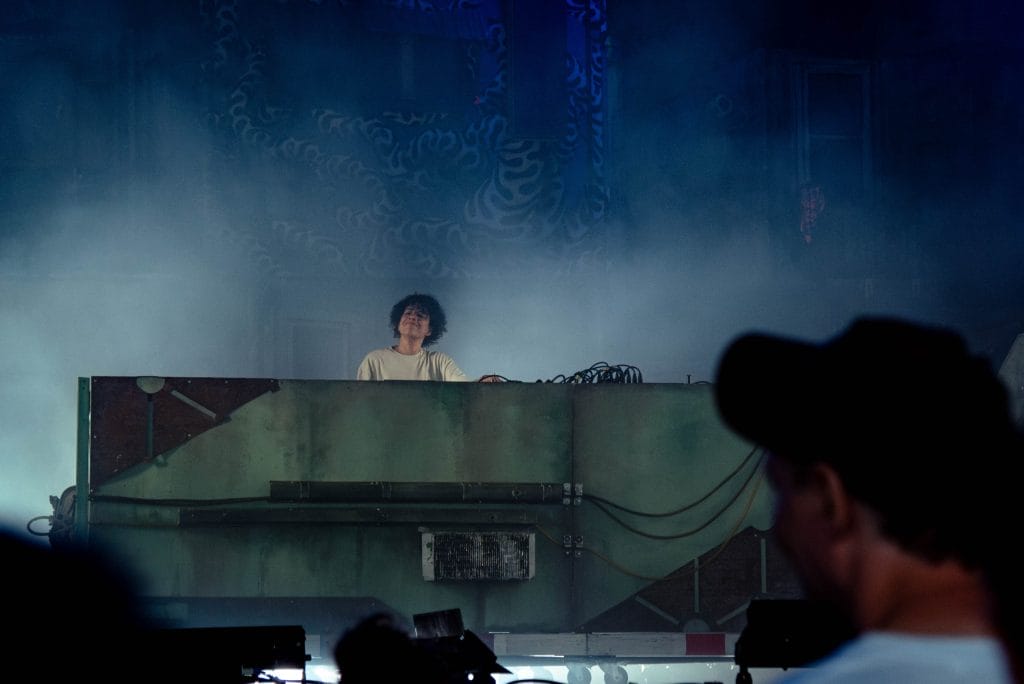
I try to arrive with a clear head and an open heart. No matter what the day has thrown at me, I take a moment before starting to ground myself and connect with the space. I think of it as entering into a dialogue with the room. My role is to read the energy, trust my instincts, and bring my full presence. It’s less about being in control and more about being in tune.
That said, I don’t try to force anything. Sometimes the vibe takes a while to reveal itself, and I’ve learned to be patient with that process. If I can stay connected to why I love this—to move people, to express something honest—then everything else usually clicks into place. It’s really about presence over perfection.
2. Do you think of your sets as storytelling—or is that something that happens naturally without overthinking it?
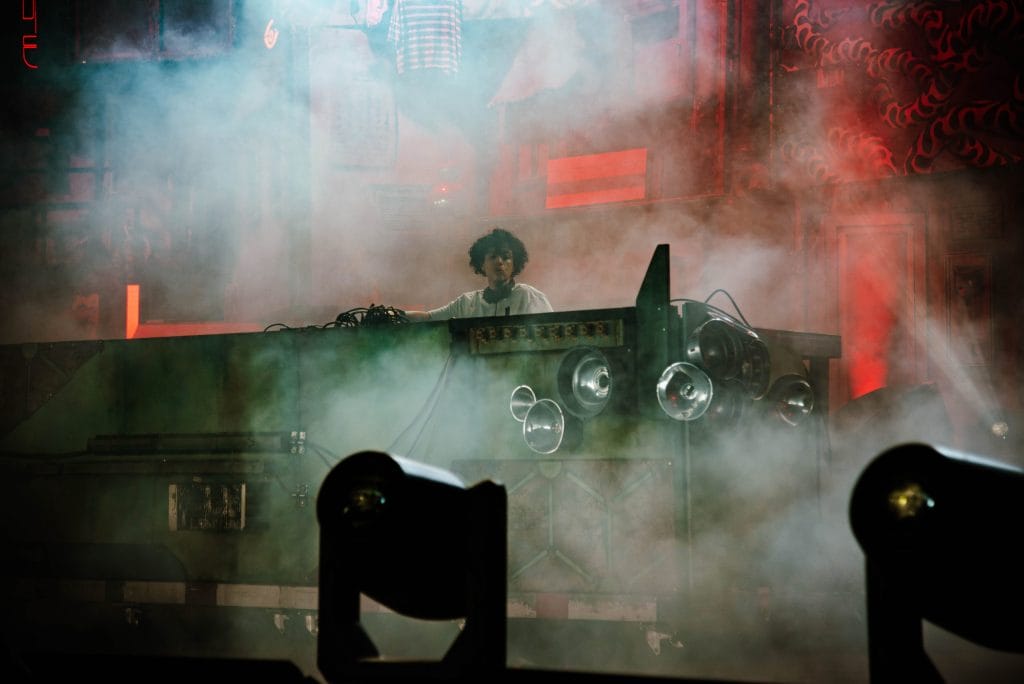
It definitely happens naturally, but storytelling is always part of it, whether I’m conscious of it or not. Music carries emotion, tension, release, intimacy, and surprise. So any time I’m playing a set, I’m aware that I’m shaping a journey through sound, even if I don’t map it out in advance.
That said, I’m not overly calculated about it. I respond to the room, to what I’m feeling, and to the flow between tracks. If it becomes too rigid, it loses its magic. The best sets are the ones that feel alive and evolving, where the story unfolds in real time and I’m discovering it alongside the crowd.
3. Have you ever played a set that felt more like a conversation than a performance? What made it feel that way?
Yes, absolutely.
Those are some of the most memorable nights for me. It usually happens when there’s a deep sense of mutual trust in the room, where the crowd isn’t just reacting to me but we’re all influencing each other. There’s eye contact, movement, silence, release. It’s subtle, but you can feel it when it’s there.
I remember one night in particular where I barely looked at the decks because I was so locked in with the dancers. Every shift in energy felt like a response to something unspoken. It wasn’t about playing “big” tracks or showing off—it was about listening, giving space, and letting the moment guide us.
4. How do you balance planning ahead with staying present in the moment once you’re actually playing?
I don’t really plan my sets in the traditional sense. I might have a handful of tracks I know I’d love to play, or a working idea I want to explore, but I leave most of it open. Part of the joy for me is discovering how a track feels in the room, especially when I’m hearing it out loud on a big system for the first time. Sometimes I throw something into the mix just to see how the crowd reacts, and that reaction often shapes where I go next.
Staying present is everything.
If I overprepare, I lose that connection with the moment. I like to trust my intuition and let the energy of the night guide me. It’s more exciting that way—for me and hopefully for the crowd too. Each set becomes a kind of live experiment, and I learn something new every time.
5. Do you ever think about the emotional journey of a set as much as the technical one?
Always.
The emotional journey is the set, for me. The technical side is a tool to support it, but it’s not the focus. I want people to feel something when they’re on the dancefloor, to go through moods, memories, and moments of connection. That’s why I’m drawn to deeper, more emotive sounds. They hold space for all of that.
That said, I care deeply about the technical side too. I want my transitions to be clean, the pacing to feel intentional, and the sound to breathe. But I’ll always choose an imperfect mix that feels right emotionally over a technically perfect one that says nothing. It has to move me first, or I can’t expect it to move anyone else.
6. What does “serving the room” mean to you—and how do you do that without losing yourself in the process?
Serving the room means tuning into what the space needs, not just what you want to play. It’s about noticing how people are moving, what they’re connecting with, and where they’re willing to go. Sometimes it means taking a risk and leading them somewhere unexpected. Other times it means holding back and letting things simmer.
I don’t see it as a compromise, because I’m still bringing myself to the table. I’m not trying to please everyone, but I do want to offer something honest and resonant. When you’re rooted in your sound and your values, you can adapt without losing your voice. For me, that’s where the sweet spot is.
7. Has there ever been a night where you felt the story you were telling land with the crowd in a real, unforgettable way?
Yes, and it’s hard to describe unless you’ve felt it. There was a night not long ago where everything just aligned: the energy, the transitions, the emotion behind each track. I could feel people letting go, getting lost in the music, and coming with me every step of the way. It felt like a collective exhale.
I left the booth that night, early morning, with tears in my eyes—not because I was sad, but because it felt like something real had happened. Like we all shared something unspoken and sacred. Those moments remind me why I keep doing this, even when the road gets tough. They’re rare, but they stay with you.

Will Vance is a professional music producer who has been involved in the industry for the better part of a decade and has been the managing editor at Magnetic Magazine since mid-2022. In that time period, he has published thousands of articles on music production, industry think pieces and educational articles about the music industry. Over the last decade as a professional music producer, Will Vance has also ran multiple successful and highly respected record labels in the industry, including Where The Heart Is Records as well as having launched a new label with a focus on community through Magnetic Magazine. When not running these labels or producing his own music, Vance is likely writing for other top industry sites like Waves or the Hyperbits Masterclass or working on his upcoming book on mindfulness in music production. On the rare chance he's not thinking about music production, he's probably running a game of Dungeons and Dragons with his friends which he has been the dungeon master for for many years.