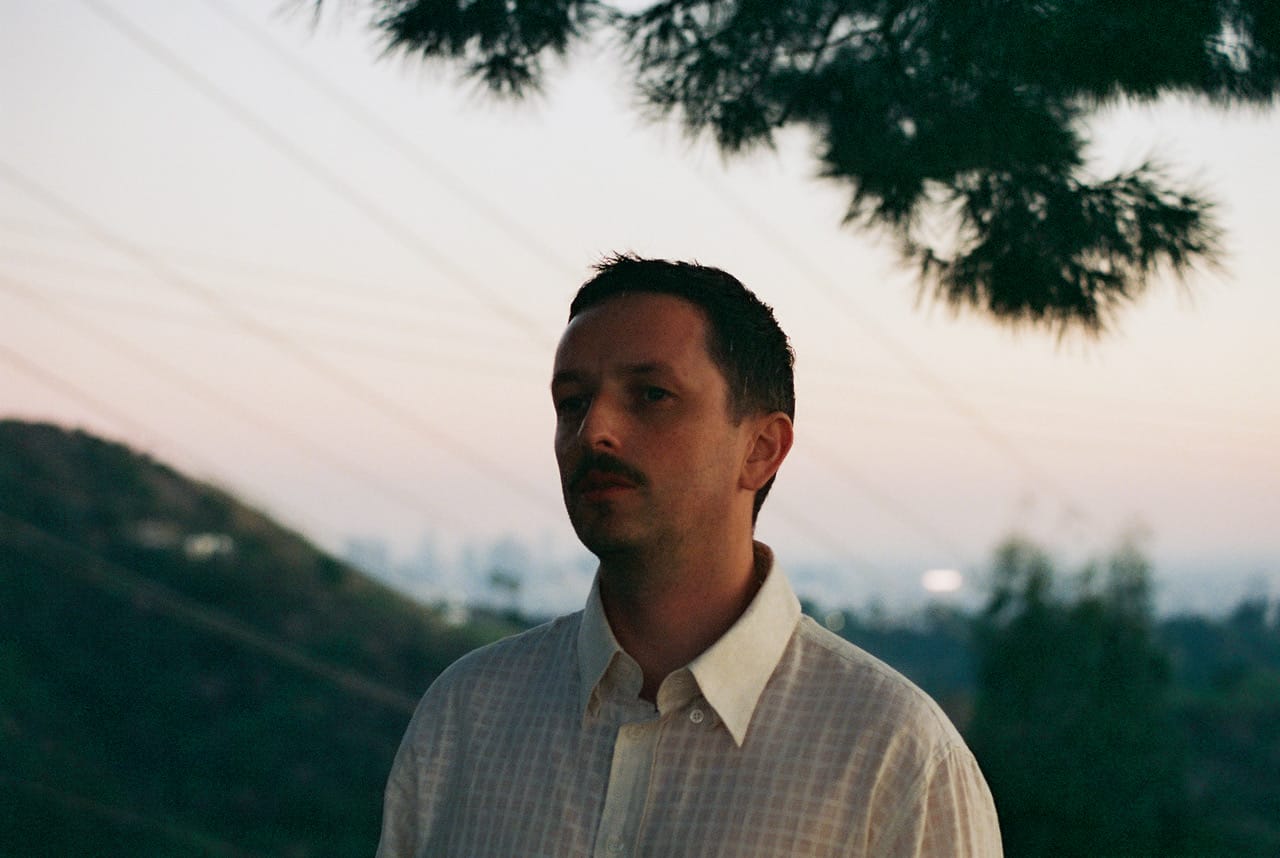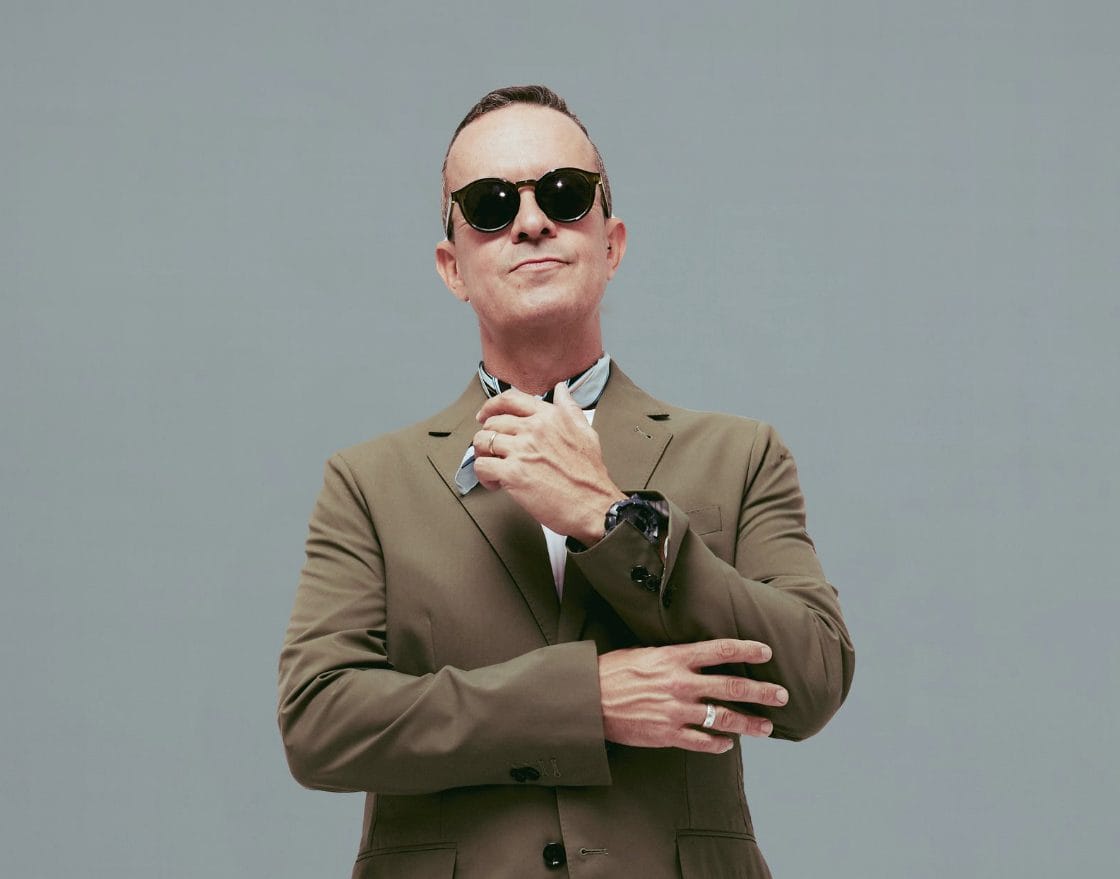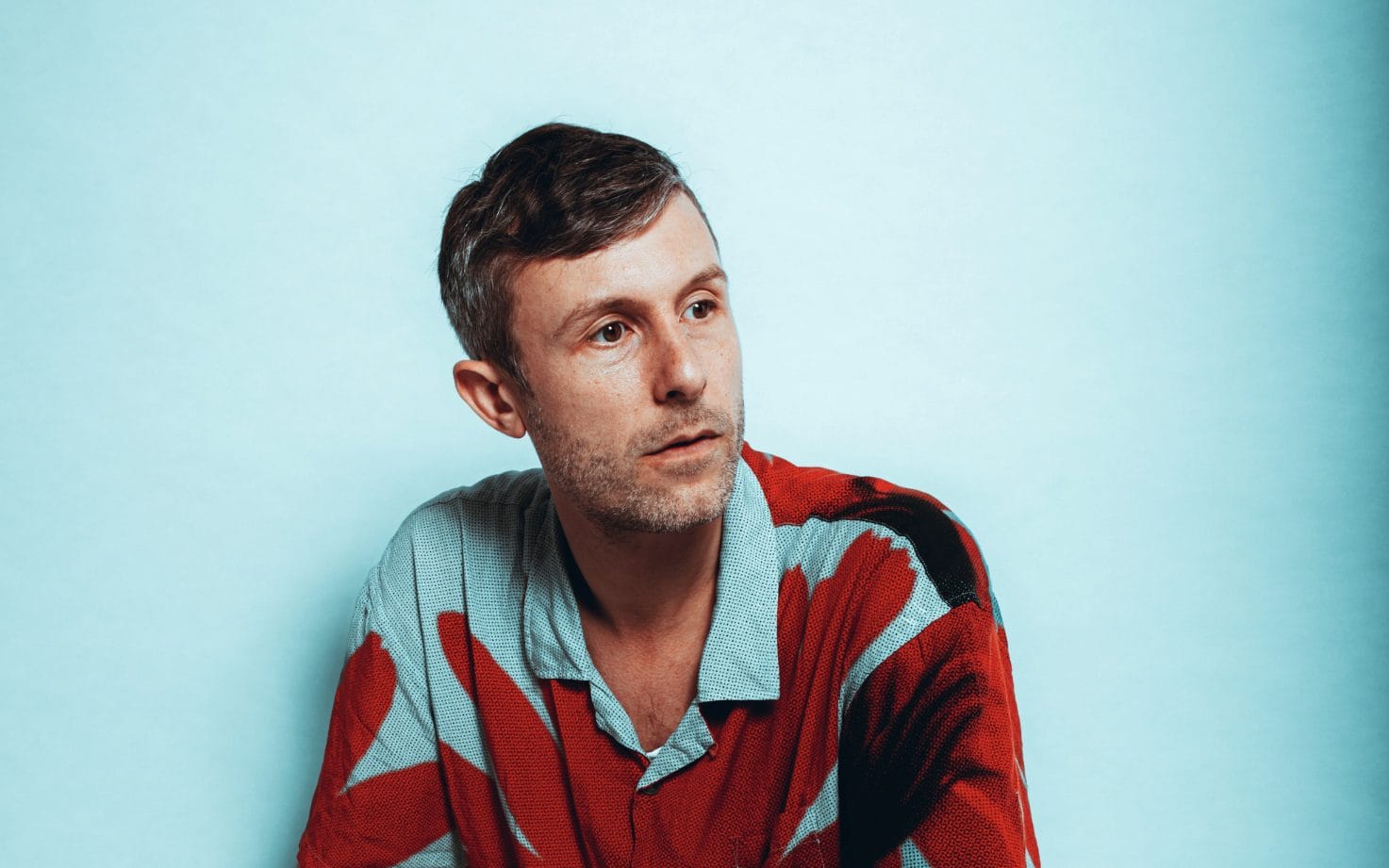
Joseph Ashworth is having one of those stretches where everything seems to click. On April 25th, he linked with Sasha for “HiFiHi,” a deeply immersive new single released on Last Night on Earth, delivered in two versions — the expansive original and a stripped-back LoFiLo mix. It’s a collaboration that pulls together both artists’ strengths: drama, texture, and the kind of emotional release that rewards repeat listens.
It’s also the latest in a string of focused, well-crafted moves from Ashworth, who’s quietly built one of the most consistent catalogs in UK electronic music. Beyond his own Sound of Outside imprint and releases with Cocoon, Siamese, and Ninja Tune, what stands out most is the way he talks about growth — not as some abstract goal, but as a daily mindset shift.
In this interview, Joseph gets into how his attitude toward music production has evolved: what caused him to take the work more seriously, what changed when he stopped drinking, and why keeping joy in the process still matters more than treating it like a job.
Joseph Ashworth: Instagram – Soundcloud – Spotify
Was there a moment when you realized you needed to treat music production as more than a hobby?
I can’t think of a single moment, but there were steps for sure. I formed an electronic duo with my friend Will, essentially for a joke, when we were 19. Gradually, DJ bookings started to come in, we had to travel, turn up sober enough to perform, deliver remixes, and it definitely started to feel like more than a hobby.
Around that time, I also started helping fashion designers with their runway soundtracks (I did this for quite a few years), and at that point I realised that if I screwed something up, it would have consequences for other people’s careers, so it was a quick process to learn how to not lose peoples’ files, or miss deadlines.
Early on, what held you back from taking the work seriously—and how did you get past it?
Developing in a creative career is a complicated process for anyone. I never had a plan or a target — my career has kind of revealed itself in front of me and I’ve steered it rather than followed a map.
For me there was a slow transition from making music therapeutically (never playing it to anyone but just enjoying making it, which I did all through my teenage years), to ending up in a place where I realise that my work is valued by other people (and other people rely on me for their careers). So on some level I think it’s as simple as “rising to the occasion,” but maybe on a more psychological level it’s the confidence that comes with a sense of purpose and responsibility.
Have you ever had to reset your mindset after realizing you were treating the work too casually?
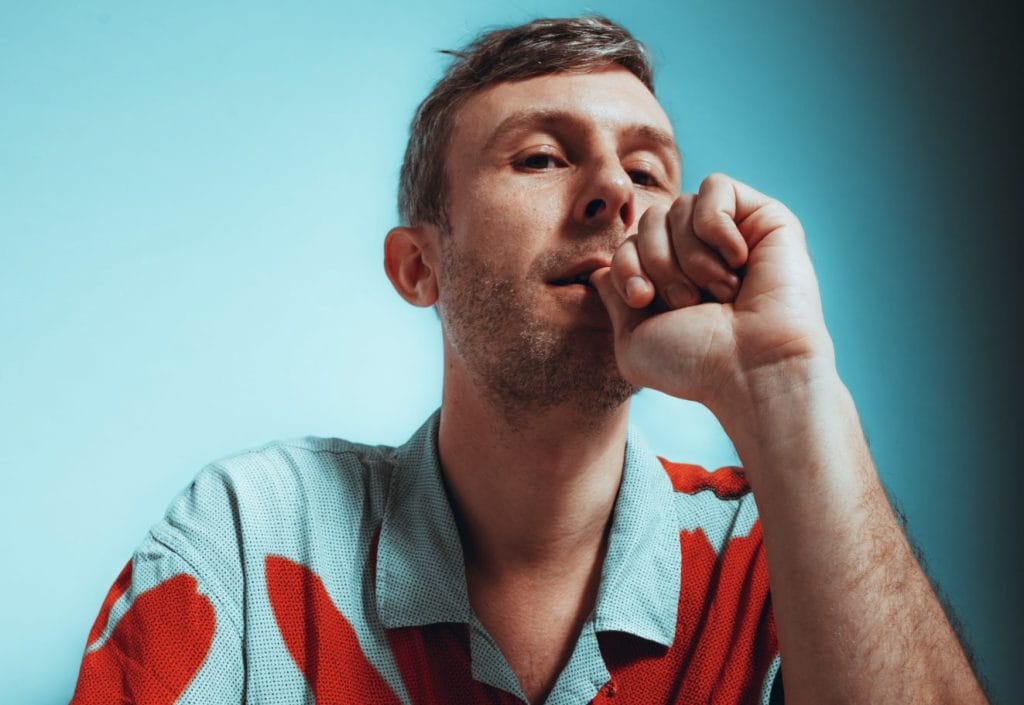
In my wilder, younger years I definitely pushed it at points — turning up to studio sessions having barely slept with an awful hangover, DJing in a less-than-perfect state, oversleeping through meetings. It’s part of being young and growing up though, you learn these lessons.
I’m grateful that I always had the urge to sit at my computer and write music when I had spare time, no matter what else was going on. Also the parties that I was going to were where I found musical inspiration, and met some of the people most key to my career in music to this day.
On a related point, I often produce with and collaborate with artists in their 20s and they seem so much more alert, devoted and serious compared to me and all my mates were at their age — a real noticeable shift!
What changes did you make in your routine, setup, or habits once you committed to taking production seriously?
The most important thing of all is to keep learning, maintain an inquisitive mindset, rethink all your processes and assumptions from time to time. I’ve watched many people in music see their careers take a slow nosedive because they’re unable to adapt, rethink, admit fault — stubbornness is one of the worst traits you could possibly have unless you’re some one-in-a-million genius (which you’re probably not). A lack of open-mindedness also leads to bitterness, where you think you’re right, everyone’s wrong — a slippery slope towards obsolescence.
Stopping drinking alcohol has sharpened me a lot, but everyone’s different and I hesitate to give generic advice. Personally I love that I have to cycle 7 miles from my house to my studio — it helps clear my mind and I arrive feeling alive and inspired.
In general, I like the idea of taking music seriously, but it’s worth adding, it must always be driven by a sense of passion and joy. In certain scenarios, you have to balance passion with a bit of realism, and not every project is a dream, but overall it’s not worth doing if you don’t enjoy it.
How do you stay disciplined when the work starts to feel repetitive or technical?
It rarely does. I work with talented, exciting people, and the more repetitive parts of the process I’ve got progressively quicker at dealing with over the years — I lean towards a more instinctive, fluid style of producing rather than precise and analytical. I joked recently that I would be a disastrous mix engineer for an orchestral album.
Generally speaking, I work with people whose music I already love, and with my own music, if I’m not feeling it quite quickly I move on before it becomes a chore. Streamlining and minimising time-wasting by things like having perfect shortcuts, project templates, a fast laptop — help bring the repetitive parts down to a minimum.
What do you think are the risks of treating production casually for too long?
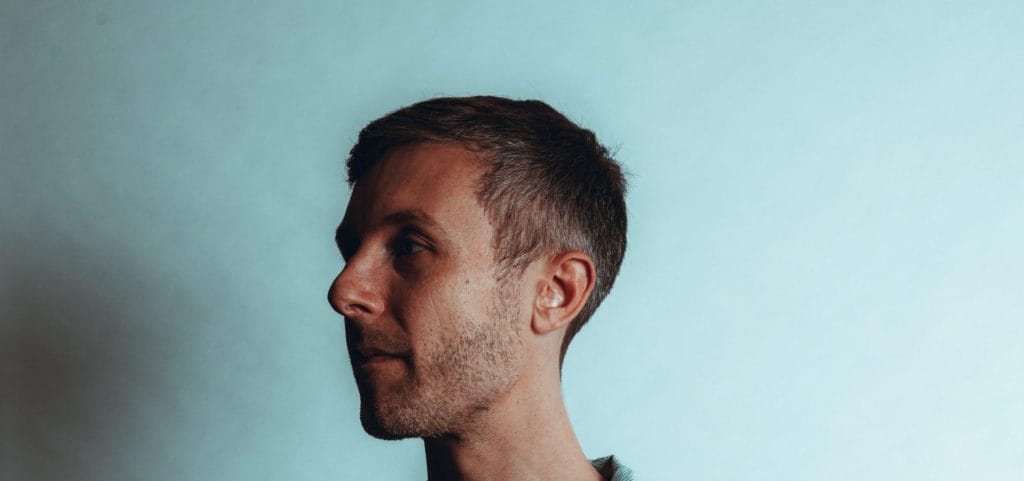
I don’t think there are any really — it depends what you want. There’s nothing wrong with not having a career in music and keeping it as a hobby, and I think everyone would benefit from being creative in some form or another as part of their daily life, regardless of their career.
Looking back, when did you first feel the difference between “working on music” and “working seriously on music”?
I think it’s the point where I started to work with major label artists, where I realised there’s actually whole offices of people whose sole responsibility is to sell the music I’m working on.
It’s probably not the coolest thing to admit but I do think mentally I switch on when I’m in a situation that feels “bigger” than me. I hate being in a comfort zone and feeling over-qualified.

Will Vance is a professional music producer who has been involved in the industry for the better part of a decade and has been the managing editor at Magnetic Magazine since mid-2022. In that time period, he has published thousands of articles on music production, industry think pieces and educational articles about the music industry. Over the last decade as a professional music producer, Will Vance has also ran multiple successful and highly respected record labels in the industry, including Where The Heart Is Records as well as having launched a new label with a focus on community through Magnetic Magazine. When not running these labels or producing his own music, Vance is likely writing for other top industry sites like Waves or the Hyperbits Masterclass or working on his upcoming book on mindfulness in music production. On the rare chance he's not thinking about music production, he's probably running a game of Dungeons and Dragons with his friends which he has been the dungeon master for for many years.