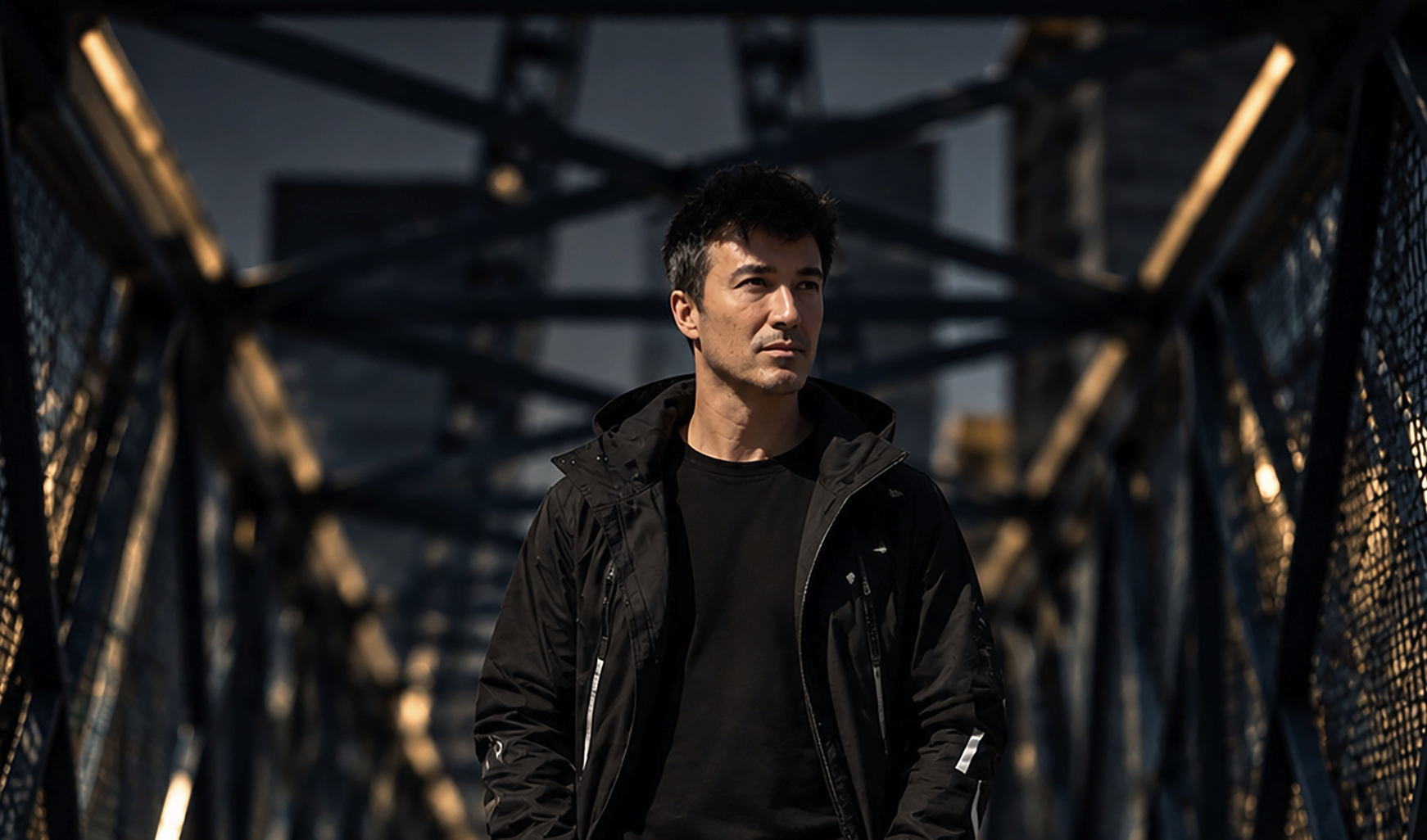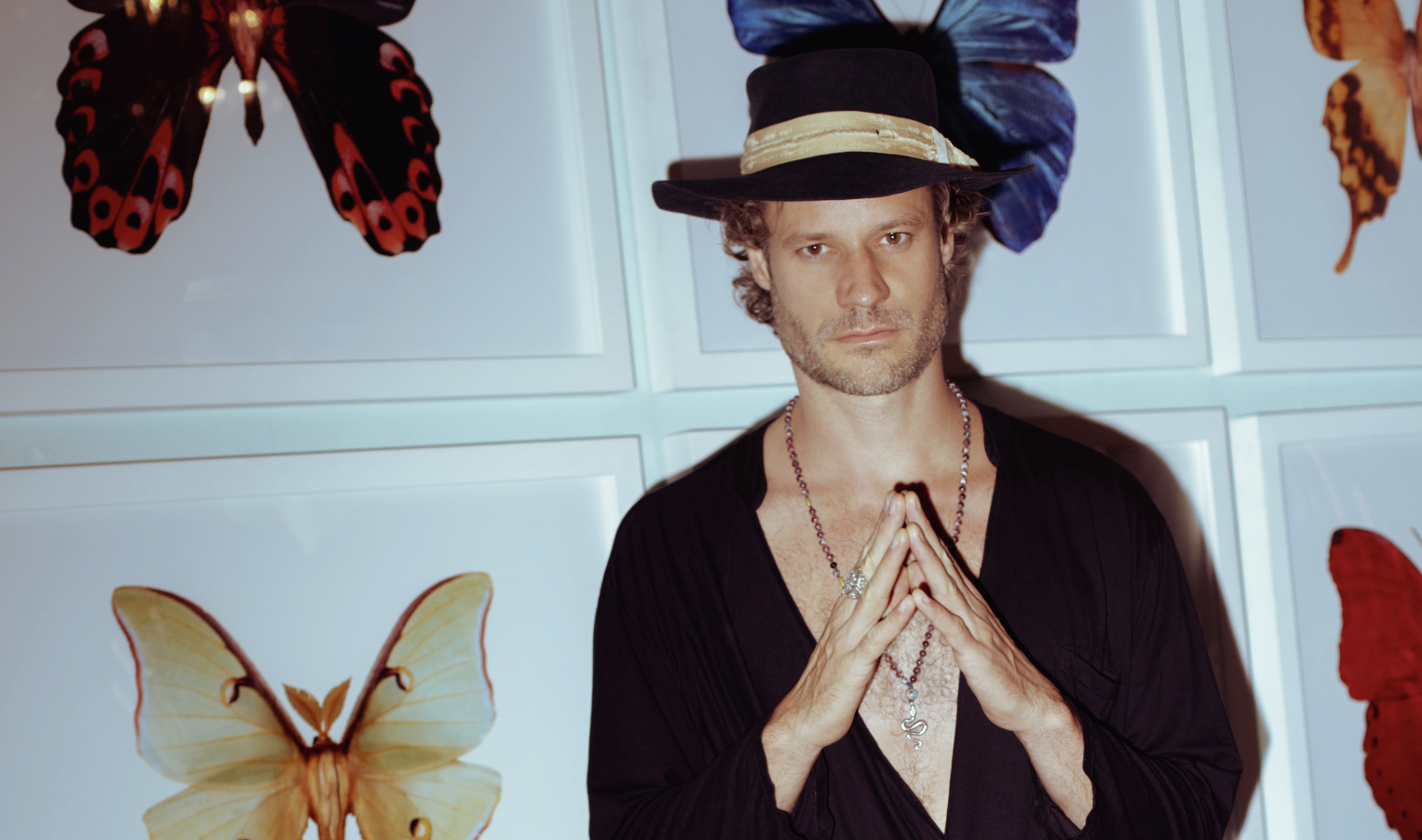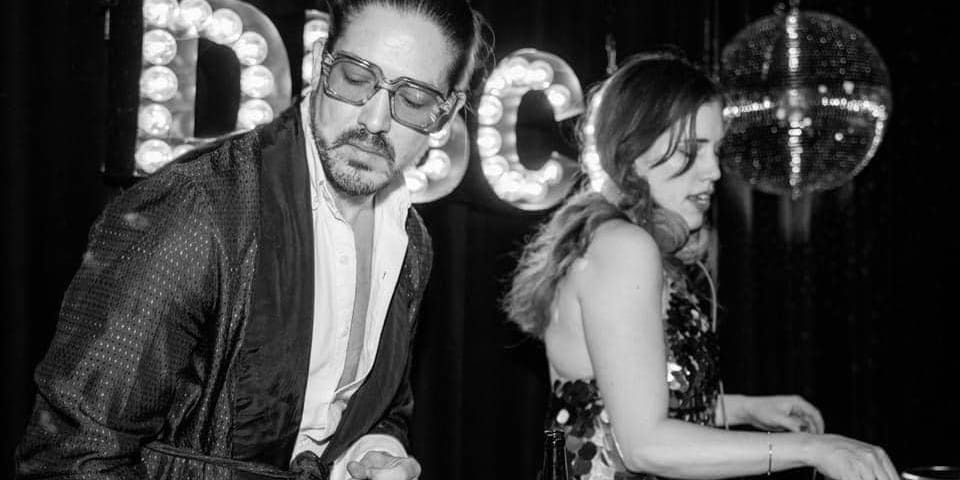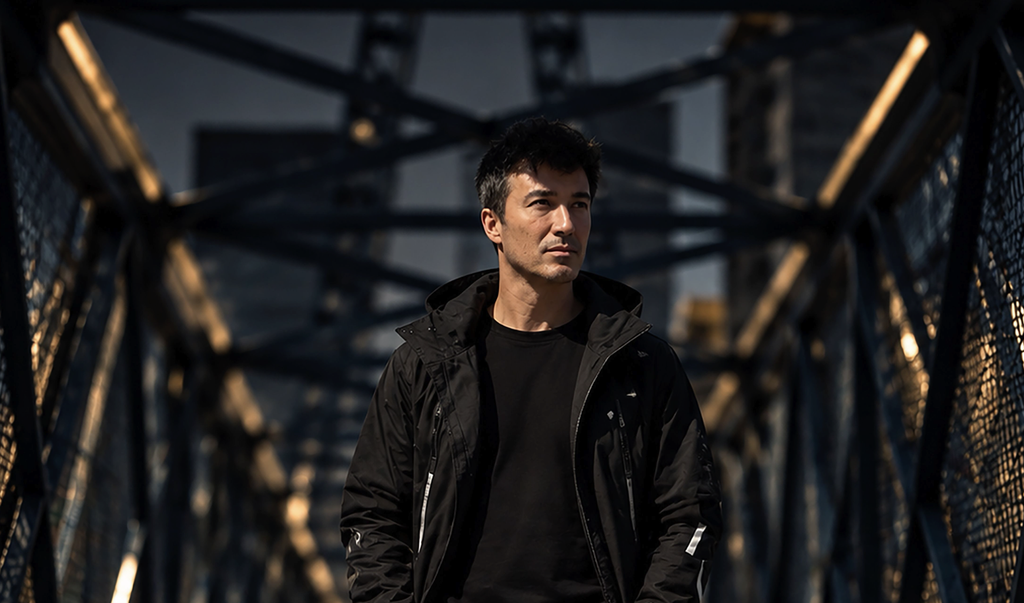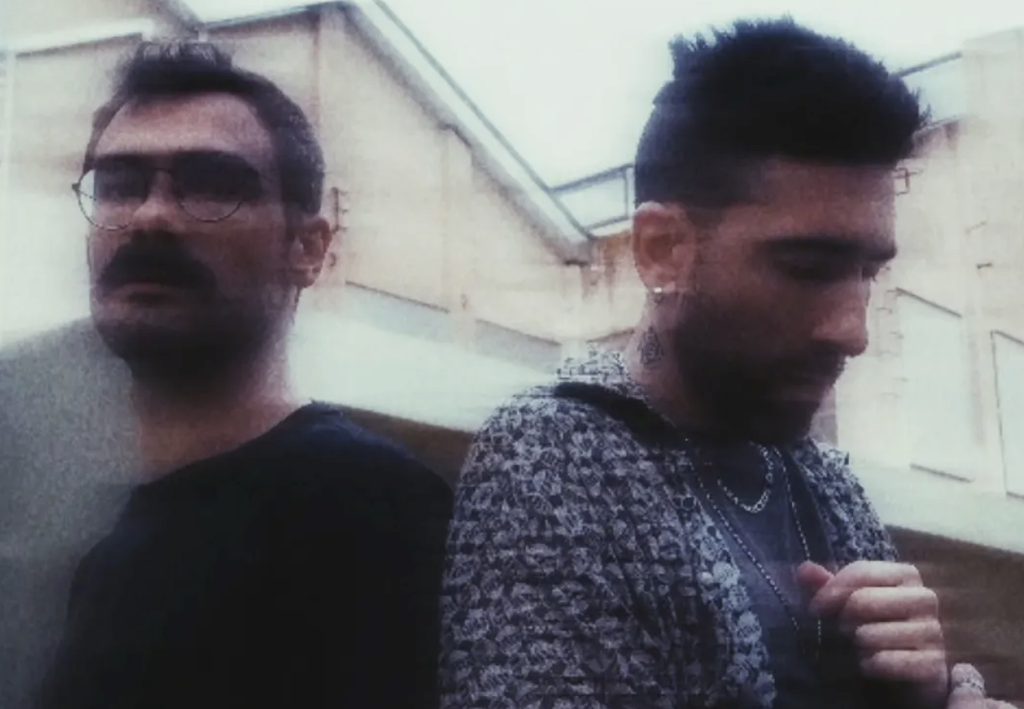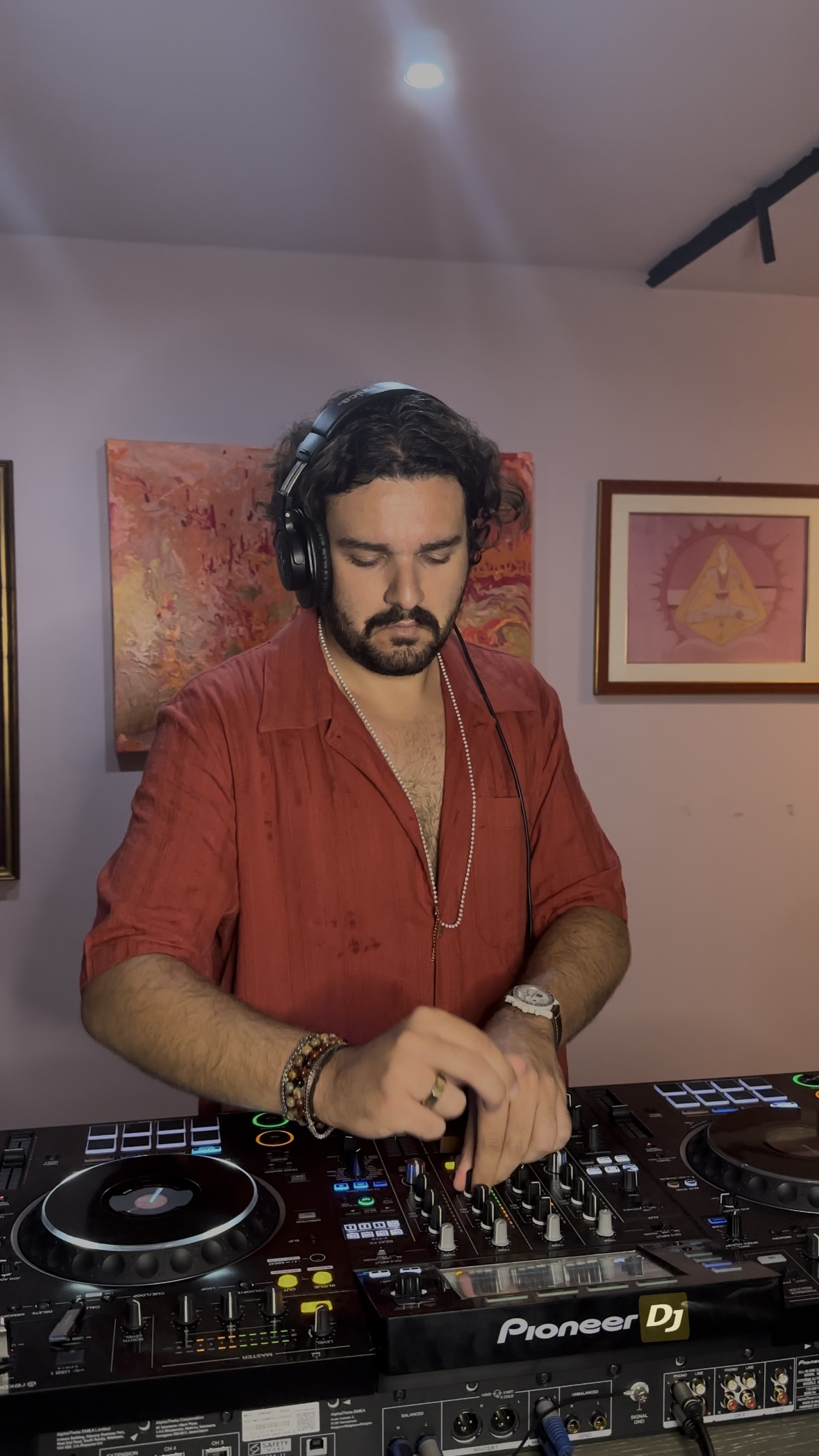
Alphones, a seasoned DJ and Producer from Turin, has become known for his distinctive blend of Tech House with groovy elements, and a passion for pushing sonic boundaries. With a strong foundation in the underground scene, he’s built a reputation for crafting dynamic tracks and electrifying sets; his approach to music is grounded in a deep love for experimentation and a dedication to creating immersive experiences.
In this interview, Alphones shares insights into his creative process, favourite tools, and what keeps him inspired in the studio, as we learn more about his creative journey and the unique elements that define his sound.
Hi Alphones, how’s it going?
Hey! I’m doing great, thanks for asking. Keeping busy in the studio and looking forward to some exciting projects coming up. Hope you’re doing well, too!
Can you walk us through your typical workflow when starting a new track? Do you have a specific element or sound you focus on first?
When I start a new track, I usually let the vibe I’m aiming for lead the way. Often, I start with the groove or the bassline, which really sets the tone. Once I have that foundation, I layer in percussive elements and add tech textures to give it some edge. From there, I play around with melodies or vocal samples, depending on the mood I want to convey. I try to keep things flexible and let the track evolve naturally rather than forcing it into a strict formula.
What DAW do you prefer, and why has it become an essential part of your production process?
I prefer using Logic Pro. It’s versatile and offers a range of tools that are perfect for shaping the polished, tech-driven sound I aim for in my productions. The interface is clean and intuitive, which helps me stay in the creative flow without getting bogged down in technical details. The built-in plugins are top-notch, and the flexibility of Logic’s arrangement tools makes it easy to experiment and structure my tracks exactly as I envision them.
How has your production process evolved over time? Have there been key moments that shaped your approach?
My process has definitely evolved. In the early days, I was very focused on building strong grooves, almost minimalistic, but with time I started to incorporate more melody and unique textures. A big turning point was when I started collaborating with other producers, which taught me to open up my approach and consider different angles when producing a track. Another game-changer was experimenting with analog equipment, which added depth to my sound and led me to explore hybrid production methods that I use regularly now.
Do you have any signature production techniques that help define your sound?
Yes, I love working with layered percussion and subtle vocal chops to give tracks a more dynamic feel. I also frequently use parallel processing on my basslines to add depth and give them a rich, textured sound. And of course, I focus on building that groove—it’s essential to my style. I think these techniques give my tracks that signature balance of energy and groove, which helps them stand out.
What role does experimentation play in your music? Do you often push yourself to explore new sounds and genres?
Experimentation is crucial for me. I’m always looking to push my sound, whether by exploring new genres or just playing around with different effects and techniques. I think stepping out of the usual house and techno structures keeps my music fresh and helps me avoid creative burnout. Even listening to genres like funk or jazz influences my tracks, often leading me to approach rhythm or melody differently.
Do you have a favourite part of the production process, whether it’s designing sounds, mixing, or arranging?
I’d say arranging is my favourite part. It’s where everything comes together and starts to feel like a cohesive track. I love the challenge of structuring the elements in a way that creates a journey for the listener. It’s like piecing together a puzzle, figuring out where each sound fits best to build anticipation and energy.
Are there any plugins or effects that you find yourself using in nearly every production? Which ones, and why?
Absolutely. I use the FabFilter Pro-Q for precise EQ, and I’m a huge fan of the Soundtoys Decapitator for adding warmth and saturation. Valhalla VintageVerb is another favourite for creating lush, atmospheric spaces. These plugins help me shape the depth and clarity of my tracks, which is essential for keeping that energy on the dancefloor.
Are there any production techniques or pieces of equipment you’re eager to explore in your future work?
I’m interested in exploring more analog synthesis and experimenting with modular synths to create unique, evolving sounds. The unpredictability of modular synths is inspiring to me, and I think it could bring a new dimension to my music. I’d also like to delve more into field recording—capturing real-world sounds and incorporating them into my tracks to give them a more organic feel.
Finally, what motivates you? How do you remain inspired when working in the studio?
What motivates me most is the idea of creating a unique experience for people on the dancefloor. Knowing that my music can help people escape and connect with each other keeps me inspired. I also find a lot of inspiration in everyday life, whether it’s through travel, architecture, or even just a great conversation. All these experiences shape my creativity, and when I’m in the studio, I try to channel those vibes into the music I make.
Alphones’ dedication to creating immersive sonic experiences and his willingness to experiment are making him a distinctive voice in the Electronic music scene. As he looks towards new projects and continues refining his signature sound, his fans can anticipate a blend of innovation and dancefloor-ready grooves. With an eye on the future and a commitment to authenticity, Alphones is ready to take on new challenges and bring his music to audiences around the world.
Alphones Online