Table of Contents
Over the past ten years of producing music and recording my vocals, guitars, and other instruments in my studio, I’ve seen technology really push the limits of what musicians can do, especially in smaller spaces. These days, you can achieve pro-quality vocals by using small, affordable microphones paired with a few good plug-ins. You can get crisp, clean guitar recordings with the same setup, whereas before, you might have needed a whole arsenal of mics to achieve the same results.
However, with so many tech-driven options now available, especially geared towards entry-to-mid-tier level artists, producers, and engineers, it can be tough to figure out which one is right for you. That’s why I was excited to get my hands on Universal Audio’s SC-1 microphone, which aims to deliver on all fronts and more, thanks largely to its syncable plug-ins and standout features that set it apart from the competition.
Over the last month, I’ve spent some quality time with the SC-1 in the studio, and there’s a lot to like about this standard condenser microphone. In this review, we’ll cover its standout features, break down what this microphone actually is, and dive into the concept of Hemisphere modeling—because let’s be honest, not everyone is familiar with that term. I’ll also share what I liked about it, what gave me pause, and ultimately, who I think this microphone is best suited for.
So, let’s kick things off with a look at the basic tech specs and a product breakdown before we dive into my thoughts, recommendations, and more in this comprehensive review.
Learn More About This Mic While Supporting Our Team Of Writers Through Our Affiliate Partnership With Sweetwater At No Extra Cost To You Right Here
What Is Universal Audio’s Standard SC-1?
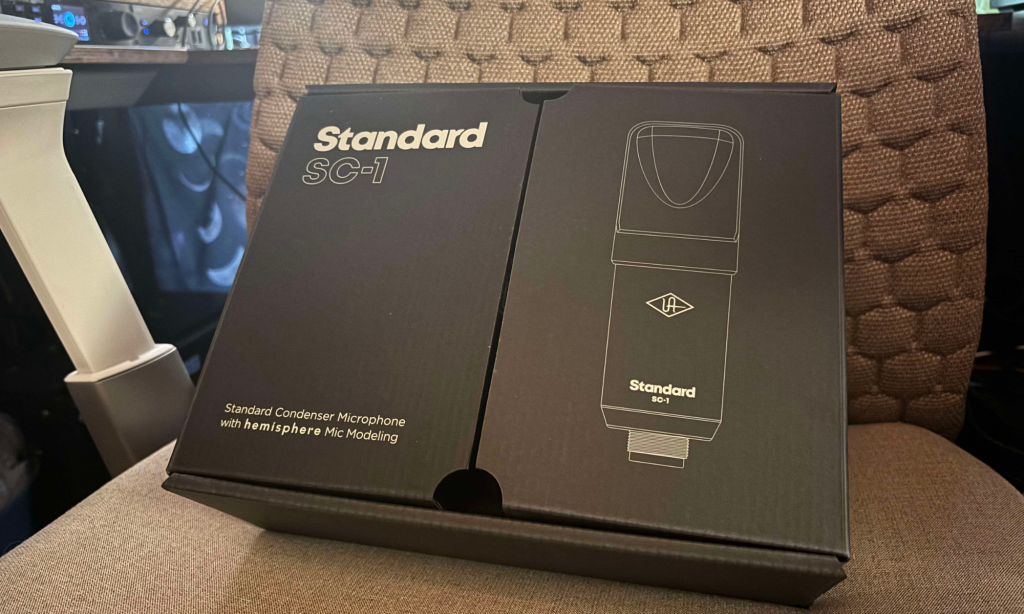
The Universal Audio SC-1 Condenser Microphone is a large-diaphragm condenser mic designed to deliver professional-quality recordings with precision and clarity.
The SC-1’s cardioid polar pattern and ultra-linear circuitry ensure smooth and accurate recordings across a wide frequency range (20Hz-20kHz). Its high SPL handling capability means you can capture everything from whispering vocals to screaming guitar cabs without distortion. The mic also offers real-time control over proximity, filter, and axis settings, giving you the flexibility to shape your sound before or after tracking.
The SC-1 is compact and lightweight, making it easy to integrate into any studio setup. It requires 48V phantom power and connects via XLR. The microphone has a sleek white finish and includes a carrying case and mic mount. Overall, the SC-1 is a powerful, all-purpose microphone ideal for both professional and project studios, offering a wide dynamic range and the ability to record any source in high definition.
It also features Hemisphere Mic Modeling technology, which deserves its own section to describe a bit more in detail below.
WTF Is Hemisphere Modeling?!
Universal Audio’s Hemisphere Modeling plugin is a powerful microphone emulation tool that captures the sonic profiles of some of the most iconic microphones in recorded music history. This plugin is compatible with several of Universal Audio’s microphones, such as this SC-1, allowing you to access these legendary mics’ unique characteristics and colorations directly within your DAW.
What sets Hemisphere apart is its real-time control over key parameters like filter, proximity, and axis. This level of control means you can not only replicate the classic sounds of these microphones but also customize them to suit your specific recording needs. The proximity adjustment lets you virtually move the mic closer or further from the source, which can dramatically alter the recording’s warmth and presence. The axis control is particularly noteworthy, as it allows you to change the microphone’s angle relative to the sound source, giving you unprecedented control over how the mic captures high-frequency content and handles off-axis sounds.
These features collectively shape your recordings’ texture, timbre, and tonality in ways that were previously only possible with multiple physical microphones. Hemisphere essentially gives you a complete virtual mic locker, offering a wide range of classic sounds without the need for an extensive and expensive collection of hardware mics.
I’m really impressed with what Universal Audio has achieved with this plugin. Hearing these models in action, especially through the demo videos they’ve released, shows just how accurately and effectively Hemisphere emulates these iconic sounds. I’d highly recommend checking out those videos to get a real sense of what this plugin can do and how it can elevate your recordings.
Universal Audio Standard SC-1 Review – The Pros
It Sounds Incredible!
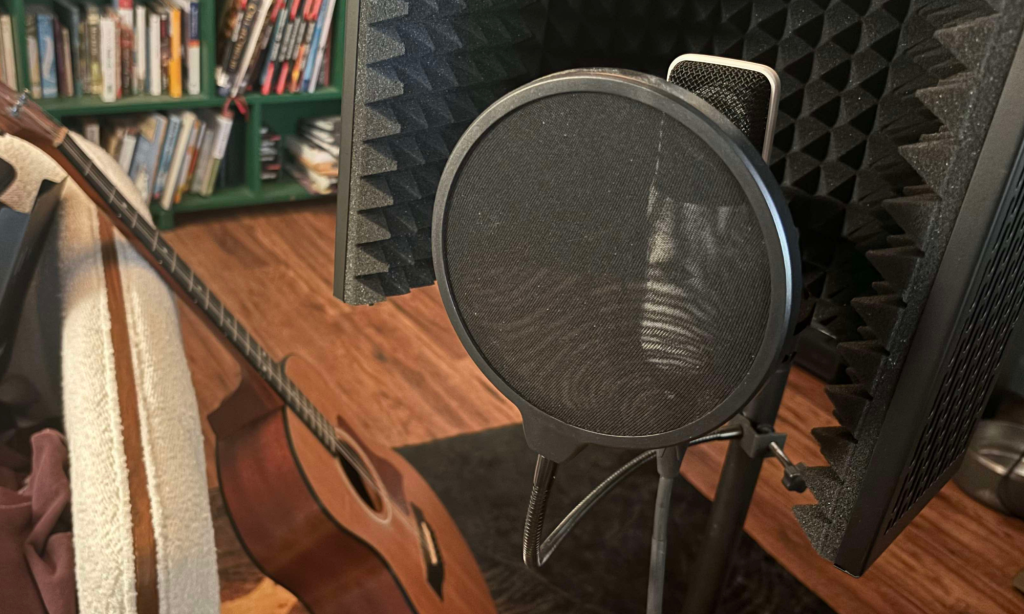
The main priority in any microphone review is sound quality, and the SC-1 really delivers in that regard, especially considering its price point. The sound it captures is exceptionally clear and highly detailed, even at high volumes. I’ll get into the volume handling in a moment, as it really deserves its own focus.
But to put it simply, this mic can capture a full-bodied, detailed sound across a range of instruments—whether it’s vocals, guitar, or even transient-heavy elements like snare drums and kick drums. You get a lot of value for the price, and I was genuinely impressed by that.
Very Little Self Noise
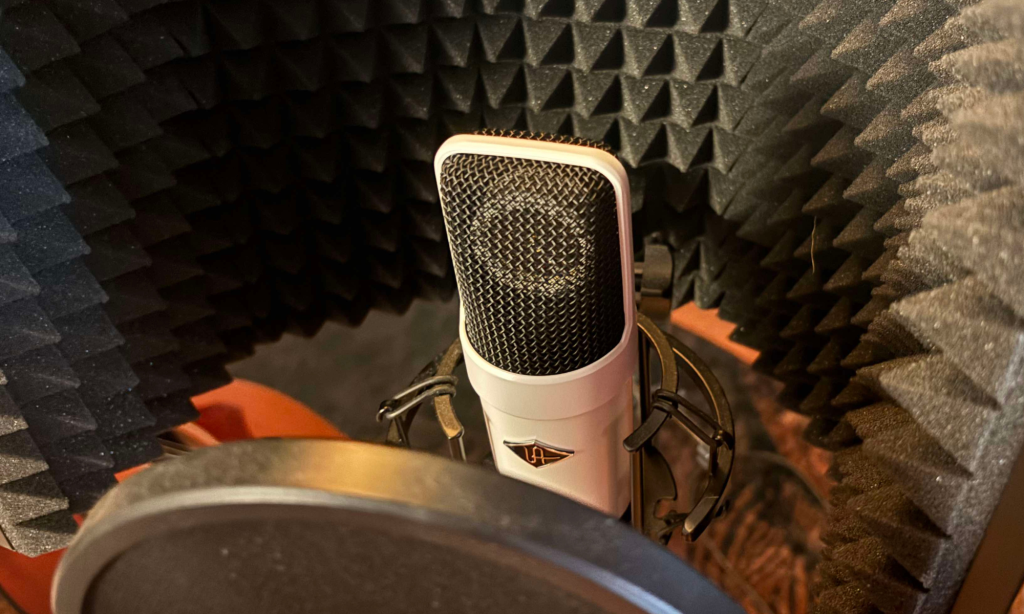
The internal noise floor of the Universal Audio SC-1 is incredibly impressive, sitting at just about 12 decibels. This low noise level allows for capturing a clear source signal without needing to rely heavily on gates, EQs, or other editing tools to clean up the recording. The SC-1 really prioritizes interference-free recordings, which is fantastic for both professional engineers and beginners alike.
Whether you’re just getting into live sound or setting up a garage-based recording studio, this mic helps eliminate a lot of that ambient noise that can be a real hassle to deal with in post-production. It focuses on capturing the sound you actually want, making it a valuable tool in any setup.
The Hemisphere Plugin is Pretty Cool
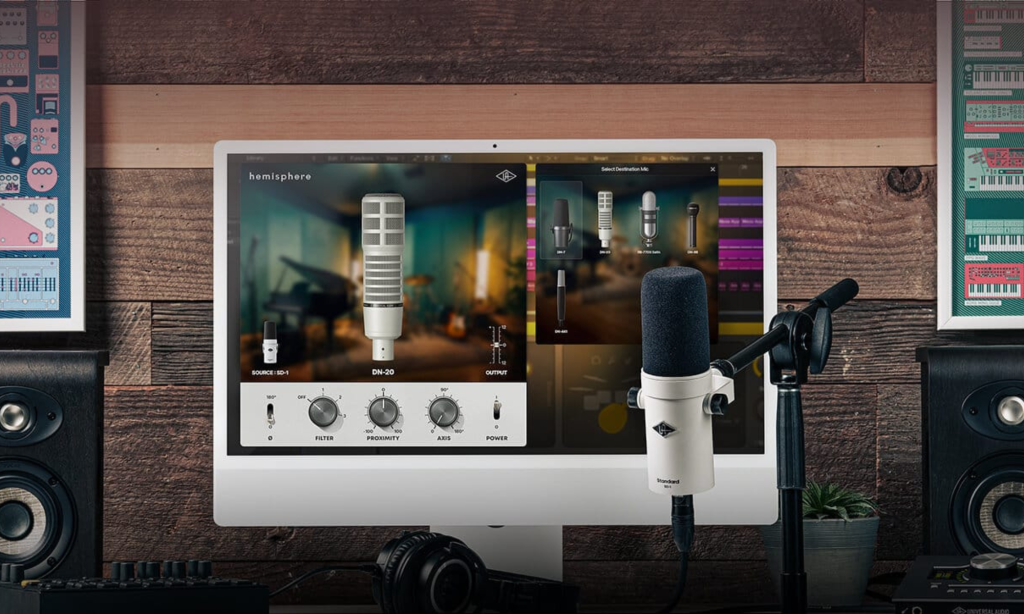
I wouldn’t go as far as to say the SC-1 is a workhorse microphone. If you’re looking for that, I’d probably recommend the Universal Audio Standard Dynamic Microphone Model 1, which I reviewed last month. This mic has a much more narrow range of instruments it excels with—particularly vocals, guitars, and drum sounds.
That said, the Hemisphere Mic Modeling plug-in does a lot of the heavy lifting to get this mic close to being a workhorse. The plug-in basically emulates some of the most iconic sonic profiles of the most popular microphones in recorded music, like Neumanns, Sennheisers, and AKGs, which can be pretty expensive in their original versions.
But with the Hemisphere’s faithful emulation and an intuitive user interface, you can access these sounds right through the SC-1 without breaking the bank, all from your DAW.
Insane Max SPL!
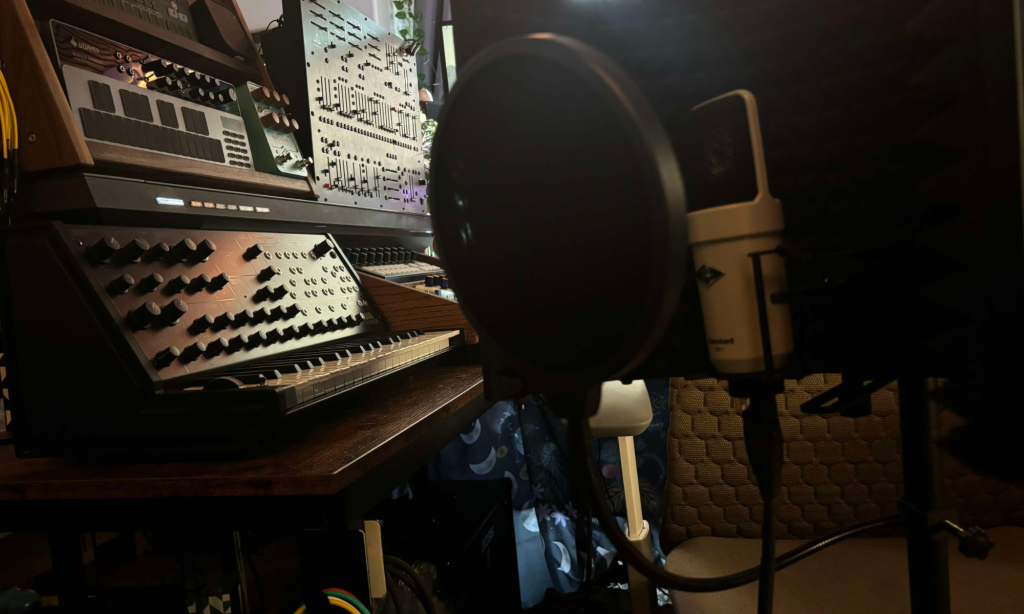
The SPL on this mic is honestly a game-changer. It can handle incredibly high input volumes without any noticeable distortion, letting you capture a wide dynamic range of sounds. I think its best use case is for miking up drum kits. The microphone is really affordable for what you get, and finding a good drum mic that can handle that level of transient information without any noticeable negative coloration is rare.
In that sense, it’s a workhorse microphone when it comes to handling loud, transient-heavy sounds, making it perfect for miking drums in a smaller garage studio up even to large, live stage setting. That said, it’s not a one-size-fits-all mic, but its ability to handle high SPL levels makes it a workhorse for micing up highly transient-heavy sources, which is hard to find these days (especially at this price point and with this build size – which is the perfect segue).
It’s Unique Build
I’ve reviewed quite a few mics for the website, and I’ve found some great ones for different situations. One of my go-to live mics was a model from DPA a few years back—it was kind of my gold standard for micing various instruments, both vocals and other live setups.
However, its design was a bit long, which wasn’t ideal for certain situations I needed it for. This mic’s more compact design makes it much easier to fit into live setups and on stage. It’s small, unobtrusive, and beige in color, which blends nicely with other equipment, keeping the focus on the instruments rather than the mics.
The beige color deserves special mention because so many mics these days stick to that matte black look, which gets a bit redundant. I’m tired of having a wall full of black mics. UA’s choice to offer different colors like beige or white makes their mics stand out and gives them a unique appeal, which is definitely a draw for me.
…And The Cons
No Shock Mount 🙁
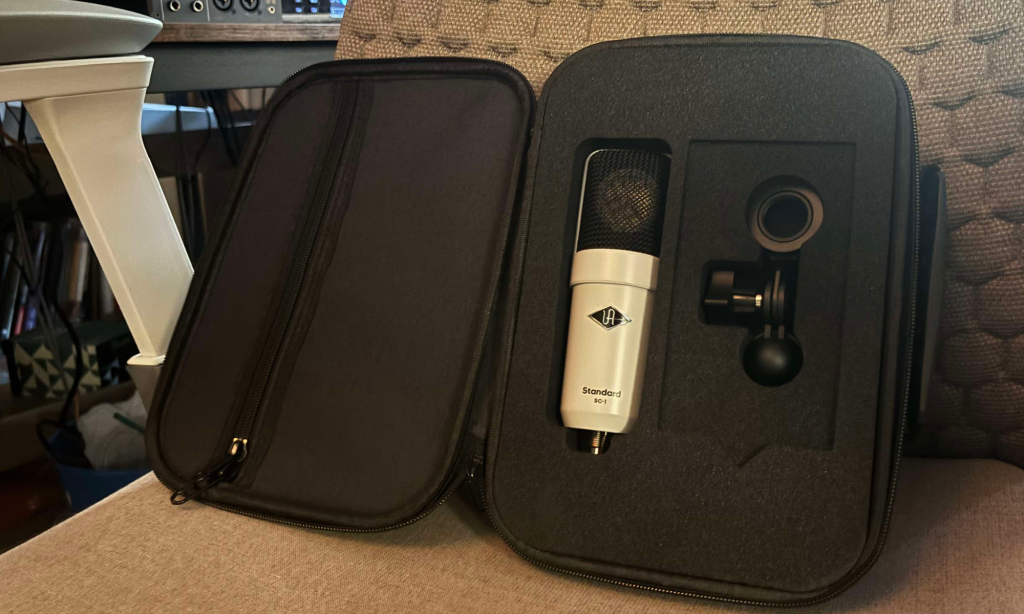
It feels like it’s almost industry standard these days for microphones to ship with their own shock mounts. Most of the mics I’ve bought come with one, even if it’s just a medium-tier quality mount.
So, I was a little bummed to see that the SC-1 didn’t include only came with a standard mic stand screw attachment.
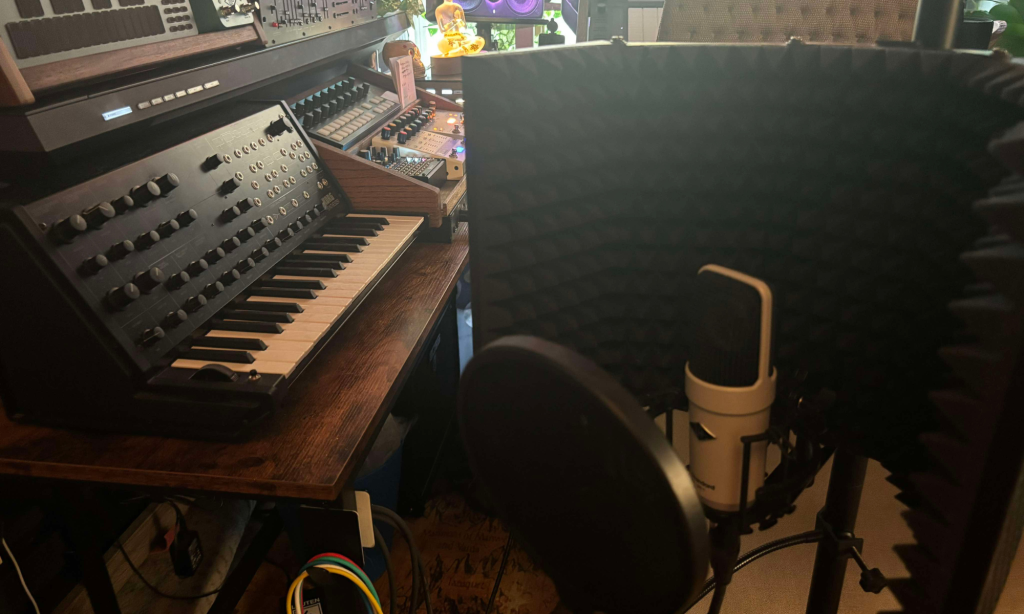
Fortunately, I already have a shock mount and a mic stand in my collection here in the studio, so it didn’t disrupt my workflow. I just swapped out the mic I usually use and mounted the SC-1 on my existing shock mount for the review, so it didn’t slow me down at all. But for anyone picking up their first microphone, I’d recommend investing in a shock mount to go with it. This will help avoid the issues that can come from just screwing the mic into a standard stand, especially in the studio.
No On-Body Controls
I think I’ve gotten a bit spoiled from my work in live settings and having access to some really top-notch microphones in the studio. I’ve gotten used to these high-quality mics having on-board or on-body controls, especially those that let you cut out the lows to avoid picking up low-end rumble during recording.
Mics like the Shure and the Lauten Audio models have this, and even the Standard Dynamic Microphone Model 1 from Universal Audio had it—one of my favorite features when I reviewed it a few months ago. So, I was a bit disappointed to see that the SC-1 has no controls like that.
Sure, it only takes a couple of EQ adjustments in the digital audio workstation, so it’s not a huge deal, but it’s something I’ve come to expect on the mics I use. It was a bit surprising not to see similar controls on the SC-1.
Who Is The SC-1 For?
Streamers/Content Creators
This microphone is perfect for content creators, podcasters, and digital personalities who want to deliver high-quality audio with a unique aesthetic. It has a sleek, visually appealing design that works well as a set piece on stream, and it offers a well-rounded, highly defined sonic profile that captures every detail of your voice. This makes it ideal for streamers who rely heavily on voice-driven content, especially those who are expressive and emotional on camera.
For creators like IShowSpeed, who often shout, laugh enthusiastically or have other loud reactions, the SC-1’s high SPL handling ensures that your microphone won’t distort during those intense moments. This feature is crucial for maintaining clear, engaging audio, whether you’re streaming on Twitch, recording for YouTube, or creating other types of online content. The SC-1 delivers the consistency and clarity you need to keep your audience connected to your voice and your message, no matter how dynamic your delivery.
Here’s a video of IShowSpeed, who I don’t think uses this mic but certainly would benefit from picking it up! He’s not really my cup of tea, but kids these days love him. He’s most known for screaming like this, and this mic could easily be his best friend.
Small Studios And Setups
Suppose you’re a small studio engineer or a DIY studio owner working in a less-than-ideal space like a garage, and you don’t have access to the extensive mic collection that million-dollar studios in Hollywood boast. In that case, this microphone is a fantastic secondary option. It’s perfect for capturing those highly plosive, transient-heavy instruments, like drums or other loud sources.
For a workhorse microphone that handles a wide range of melodic instruments, I’d probably recommend something like the Model One Dynamic Microphone from Universal Audio or the Lauten Audio LA-320, which I’ve loved using in my studio. The LA-320, being a tube mic, brings that warm coloration I want for melodic content. However, if you need a secondary microphone specifically for capturing highly expressive, detailed, and loud instruments, this SC-1 is a perfect fit. It’s an easy recommendation for small studio owners with tighter setups and budgets.
Live Sound Engineers
This is also an excellent microphone choice if you’re a live sound engineer needing to mic up drum kits or other highly plosive, expressive instruments that are going to be played loud by touring percussionists and drummers. As I mentioned earlier, its smaller design makes it easy to mic up drums without being too conspicuous. It’s flexible and fluid, allowing you to position the mic in and around any drum kit with ease. Plus, its low-profile nature means it’s simple to store, set up, and break down, making it a great option for live gigs.
The fact that it’s priced under $500 makes it even more appealing—you can pick up a couple without blowing your budget. Just under $500 is reasonable enough to grab a few to mic up an entire stage if necessary, making this a solid option for live sound engineers looking to add some versatile, reliable mics to their road and stage kits.
Learn More About This Mic While Supporting Our Team Of Writers Through Our Affiliate Partnership With Sweetwater At No Extra Cost To You Right Here

Will Vance is a professional music producer who has been involved in the industry for the better part of a decade and has been the managing editor at Magnetic Magazine since mid-2022. In that time period, he has published thousands of articles on music production, industry think pieces and educational articles about the music industry. Over the last decade as a professional music producer, Will Vance has also ran multiple successful and highly respected record labels in the industry, including Where The Heart Is Records as well as having launched a new label with a focus on community through Magnetic Magazine. When not running these labels or producing his own music, Vance is likely writing for other top industry sites like Waves or the Hyperbits Masterclass or working on his upcoming book on mindfulness in music production. On the rare chance he's not thinking about music production, he's probably running a game of Dungeons and Dragons with his friends which he has been the dungeon master for for many years.