Choosing the right microphone for your recording room or studio can be daunting. There are a lot of factors to consider, such as the type of microphone, polar patterns, frequency response, and more. With so many available options, it can be challenging to figure out which microphone will work best for your specific needs. That’s why we interviewed our good friends at Lauten Audio to get their insights into what you need to know when choosing the perfect microphone for your room or studio.
Lauten Audio is a renowned microphone manufacturer known for its exceptional quality and performance. Their team of experts has decades of combined experience in the audio industry, including designing and building microphones and working with some of the biggest names in music.
In this article, we sat down to pick their brains about high-level insights on what to consider when buying a microphone for your room or studio. Whether you’re a seasoned professional or just starting, you’ll find valuable advice to help you make an informed decision.
Learn More About Lauten Audio And Their Professional Mics Here
What’s the first thing to consider when buying the perfect mic for your room?

Traditionally, microphones were designed for a signal chain that most people no longer have (Console→tape machine→console summing→2 track tape machine etc…). The idea that you need to spend a fortune to get a great vocal sound comes, in part, from trying to shoehorn traditional designs into a modern workflow. That’s not to say that a great preamp and converters don’t make a difference. They make a huge difference! But they should be icing on the cake, not lipstick on a pig or other farm animal of your choosing.
Another important factor when picking the right microphone is determining precisely what you want to record with it. It sounds simple, but most people need their “vocal” mic to also be their acoustic mic, a mono drum overhead mic, a bass mic etc.
Then there’s arguably the most important question -– can I send the microphone back if I don’t like it? We tell people daily, ‘If you don’t like it, just send it back.’ No amount of reviews or online demos can replace a real trial in your own environment and with your own gear.
How does the type of microphone affect what’s recorded in the room? Are some mics better for smaller rooms vs. larger rooms?
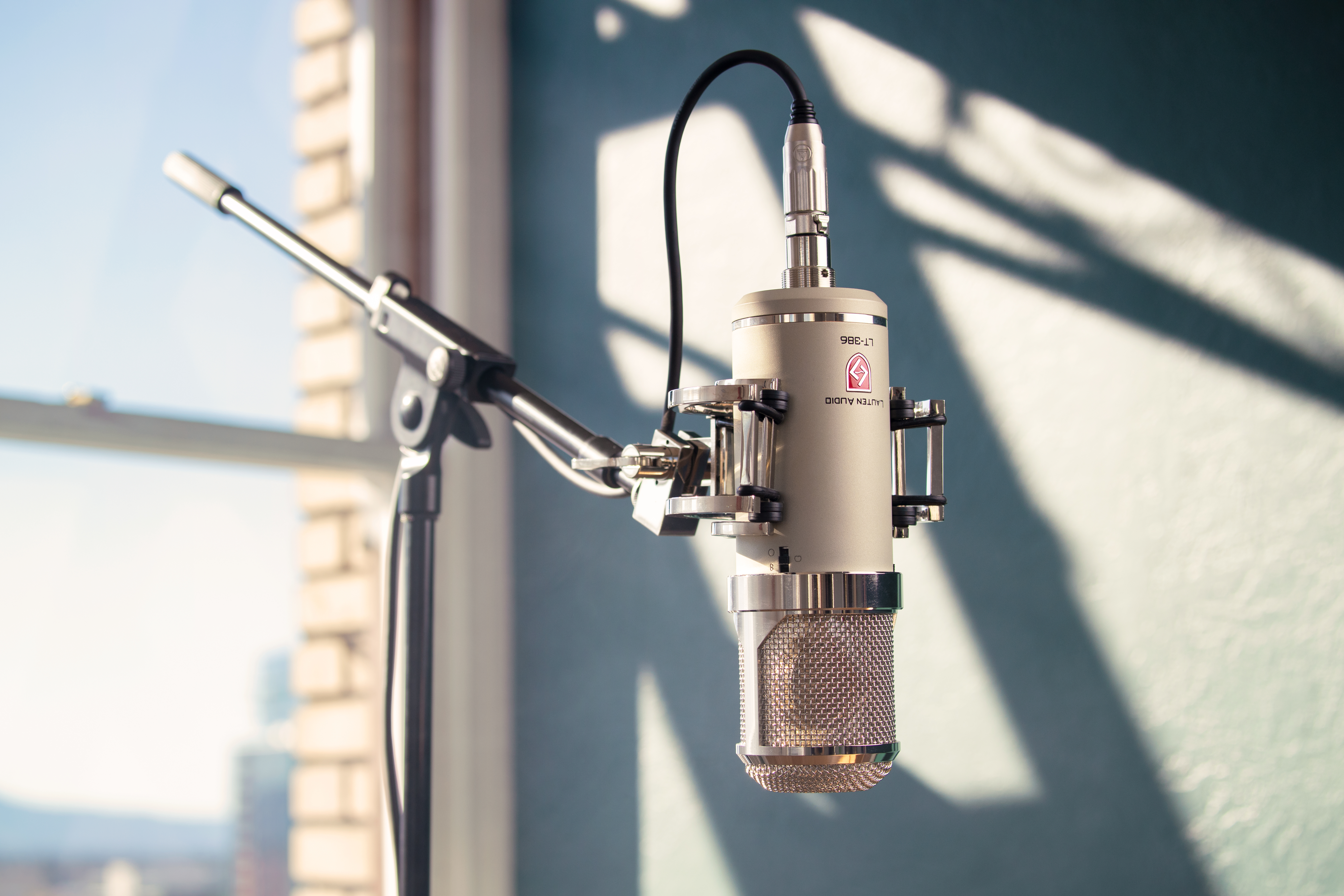
Pickup patterns play a significant role in what a mic ‘hears’ within a room, and the type of microphone determines the color in which it is heard.
A dynamic microphone typically has fewer overall high frequencies and a more pronounced mid-range, which can help address perceived room reflections and bleed. They are also typically able to withstand abuse and higher sound pressure levels, making them a go-to for loud amps and percussion. Where most users begin to struggle with dynamic mics is during the EQ phase because you can’t add something to a sound that isn’t there. Additionally, the amount of EQ required to make certain sounds sit correctly in a mix (Ex. Snare drum/Vocals) may also bring out new issues like cymbal bleed, harshness, and phase shifting.
Ribbon microphones are interesting because they typically have a figure 8 pattern, meaning they pick up sound equally from the front and back of the microphone. They also tend to lean sonically towards having a warmer sound, though this is not always true. Ribbons do wonders in larger spaces because of their leanings toward the warm, natural sound, but they can also help a small room to feel more expansive in a recording. Figure 8 is also a great polar pattern to utilize when rejecting certain sounds because they tend to hear what is in front and behind the microphone but not what is at the sides.
The most important thing to note about ribbons is that most (not all) can be easily damaged— 48V of Phantom Power will fry most ribbon mics. It’s a lot easier than you think to make this mistake accidentally. Placing a ribbon mic in front of a kick drum can blow out the ribbon, too. They are fantastic tools, but you have to be careful with them.

Condenser microphones are where it gets interesting because a myriad of factors come into play, many of which are rarely discussed. Traditional options with condenser microphones include selectable and variable polar patterns, small vs. large-diaphragm capsules, center vs. edge-terminated capsules, and transformer-balanced vs. transformerless and tube-based designs.
Those basic examples offer a vast number of possibilities regarding tone, behavior, and transient response. Oftentimes, the conversation stops here because most manufacturers utilize off-the-shelf capsules and components based on recreations of classic designs from Neumann, AKG, etc. Remember, these designs were created 60+ years ago and were not intended for modern signal chains and use cases.
A basic vintage signal chain was Mic→ console → tape machine → console → console mix bus → 2 track tape machine, and that was before mastering. There were 12+ transformers between the mic and the end user listening experience.
Almost none of those components are in a signal chain today, so Lauten microphones and capsules are made differently. Every tiny thing you do to a condenser microphone changes how it sounds. A single micron can be the difference between a bright or balanced microphone. A slight weight change can alter the mid-range character and bottom end. Our Chief Engineer, Dr. Charles Chen PHD, is a physicist.
Having him on the team allows us to do some pretty cool things, both with traditional designs and in developing new ones as well. For example, the 38mm capsule in our Eden and Altantis microphones addresses many of the issues engineers face with more difficult sound sources, like voices with significant upper-midrange presence, giving that feeling of fullness a vocalist might feel when singing in the shower vs. battling with the resonant peaks they encounter with a standard design.
Why are Directionality and Polar Patterns essential depending on the size and shape of the room you are recording?
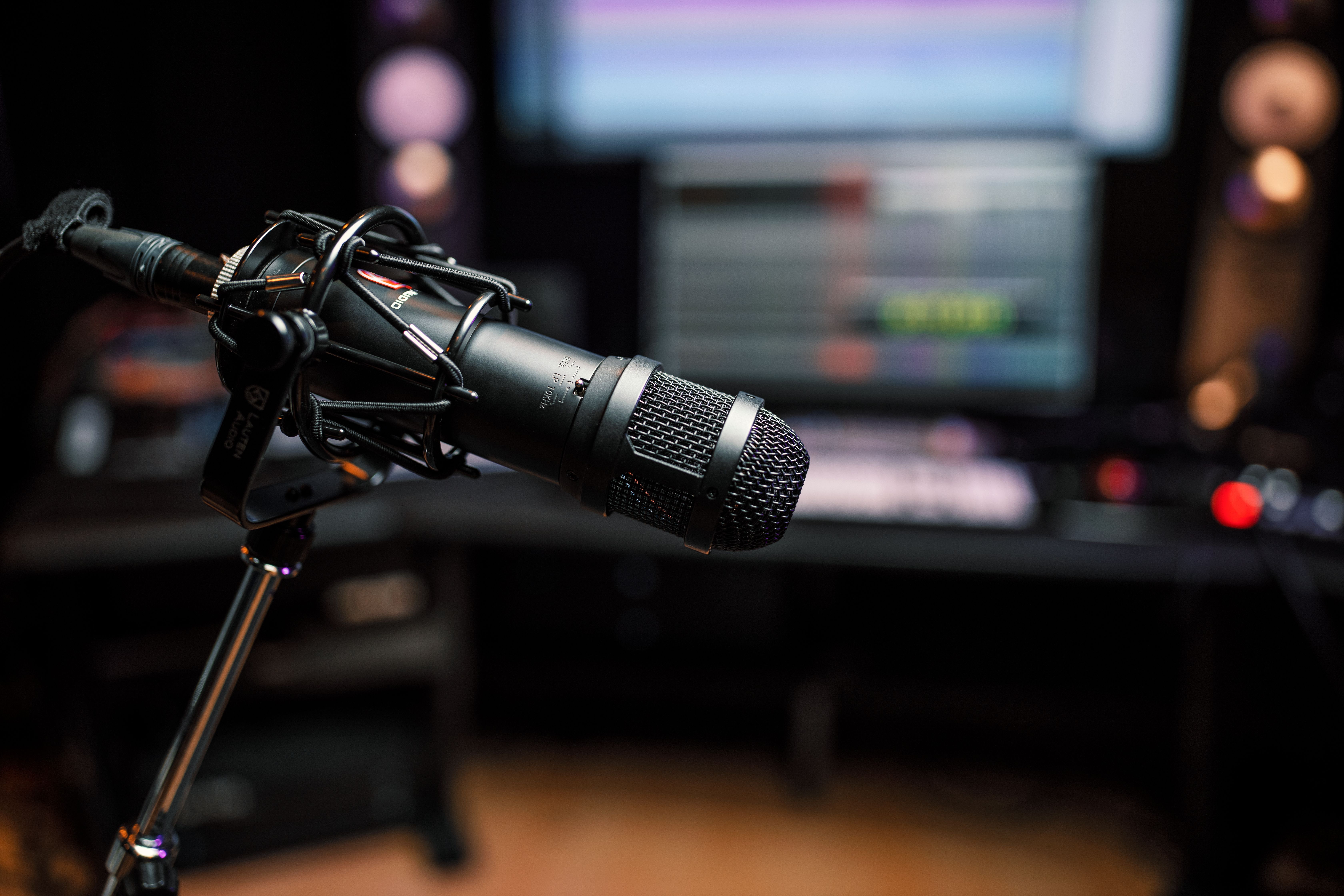
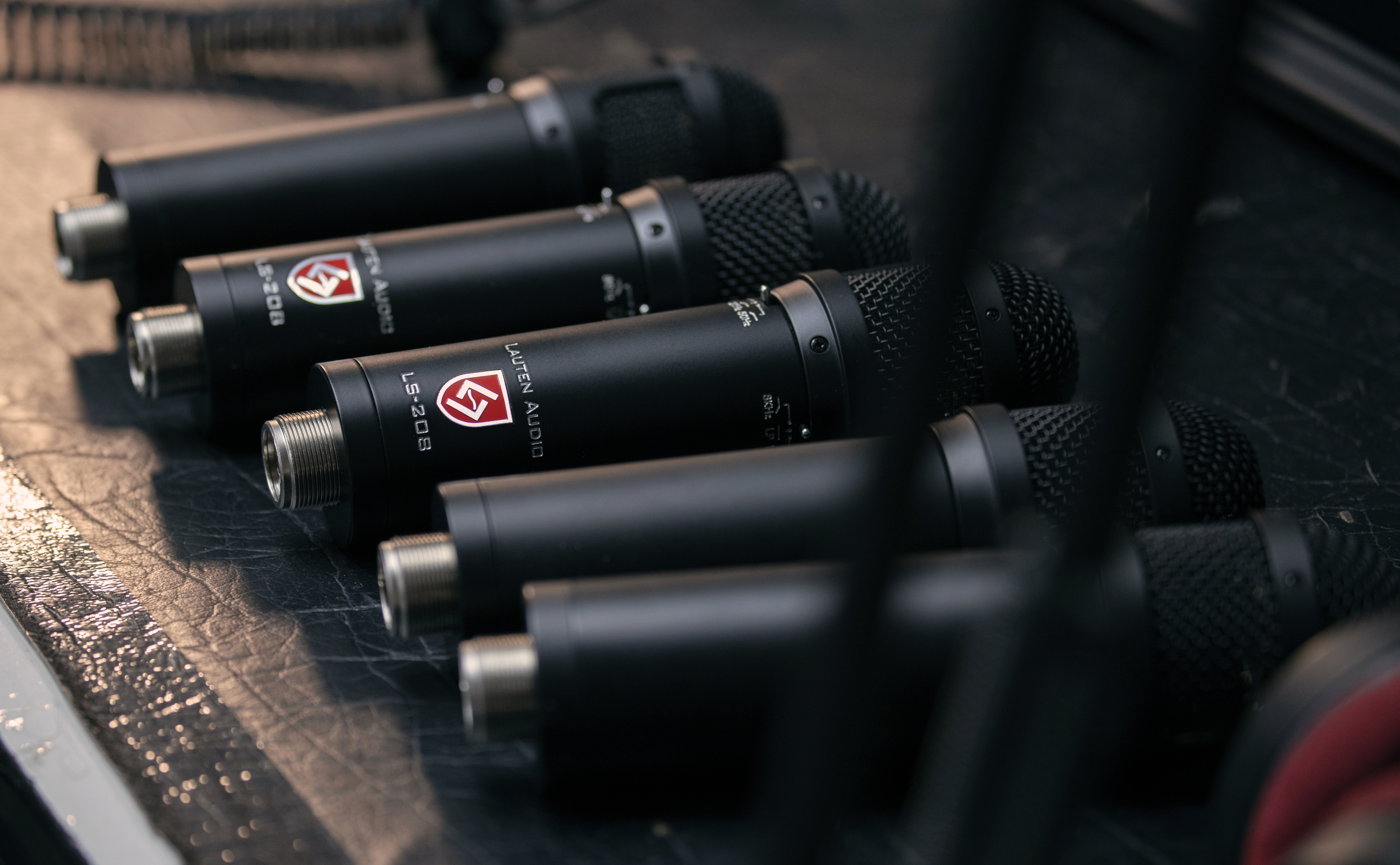
The room’s acoustics are probably one of the most important things to consider when recording an instrument. If you have a great room, you don’t need to worry… but most people don’t. Most people record in untreated spaces like bedrooms, hotel rooms, on the couch etc. In these conditions, you want some isolation, but it can be impossible to achieve. It’s one of the main reasons we created the LS-208 and LS-308 microphones. We wanted to be able to isolate sounds in places where isolation wasn’t possible before, but without sacrificing depth and clarity. So, we made these weird microphones that feel and behave more like dynamics but sound like condensers.
If you’ve got a room that sounds bad, you want to hear as little of it as possible, so a cardioid polar pattern is typically the easiest choice. Some folks lean towards dynamic microphones in that situation because they tend to give you the perception that you’re picking up less of the room around you. What’s actually happening is you’re hearing less detail and high-frequency information overall, which may or may not be what you’re looking for.
Polar patterns get fun in a room that sounds great. And when I’m talking about a great room, I’m not talking about a studio space or a treated room. There are a lot of spaces that are just naturally musical, and that’s where you want to try and capture sound. For example, a condenser mic in cardioid on an acoustic guitar might feel so close you can touch it, whereas omni might make it feel more like you are in the room with it, but further away.
So when you’re in a more musical space, polar patterns can help you to locate each sound within that space better. Changing polar patterns on a microphone will also affect its timbre as well. So beyond using them to place sound in a room or space, they also can have a bit of an “EQ-like” function, which is also helpful.
How can a newer producer read a Frequency Response chart and know if that mic is right for them?
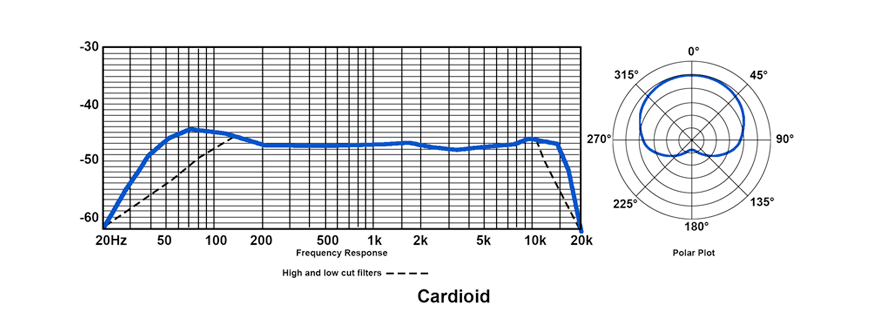
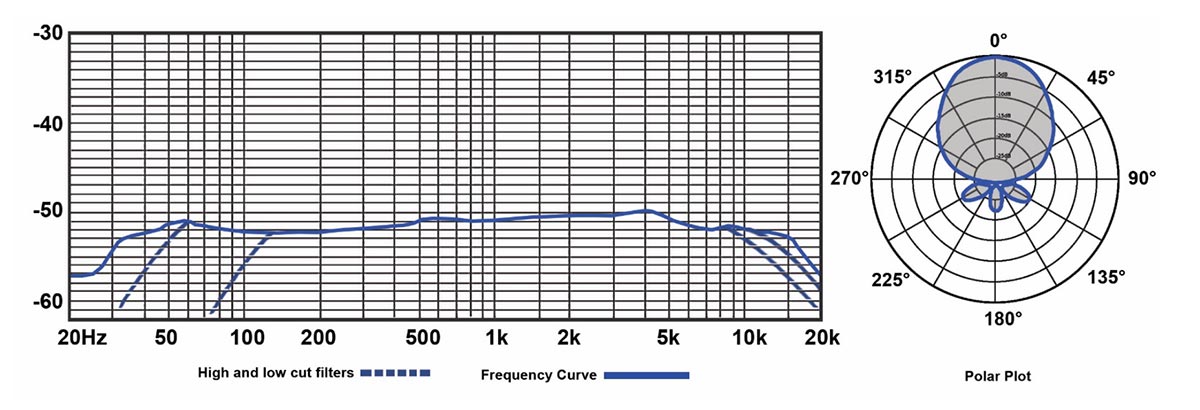
It may be hard to believe, but there are no measurement ‘standards’ for microphone manufacturers and their specifications. It’s the wild west, so you must remember that.
A frequency response chart can give you an idea of the specific characteristics of a microphone. That includes whether it’s a little bright or dark, if there’s a scoop in the mids or a roll-off in the bottom end, etc. But in most cases, the chart you are being shown has been manipulated to appear more accurate than it is. For example, it’s common for manufacturers to smooth the frequency response of a microphone and show it in 2dB increments to make it appear flawless when it definitely isn’t.
But there are many things a highly accurate measurement still can’t tell you because the measurement is based on a single frequency at a time, at a controlled volume, and in a controlled space. This is why two microphones with similar frequency plots can feel and sound very different in real-world use. We hear people tell us that our microphones sound so much different than they thought they would based on the chart, and that’s because you can’t measure depth, dimension, transient response, timbre, and a myriad of other things with a chart or a simple test. The only thing you can measure is the frequency response of a microphone under measurement conditions. Our microphones are made for music, not measurement.
Can any microphone be perfect for every room or studio?
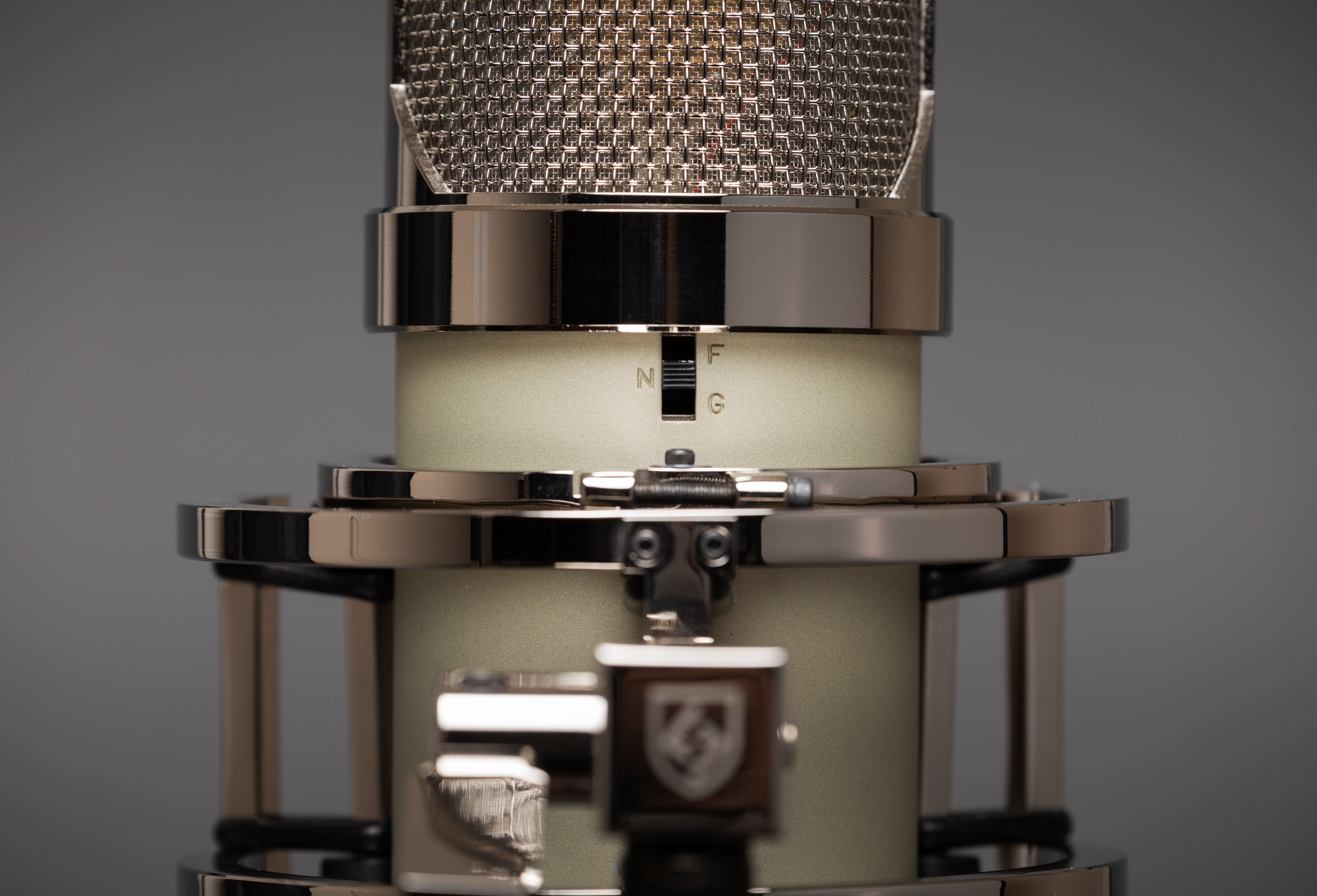
I don’t think there’s such a thing as a perfect microphone.
No matter how great a microphone is, when you start changing singers and sources, different variables come into play, and you need as much musically functional versatility as you can get. I don’t care if a microphone costs $300 or $30,000, at the end of the day, every microphone you own will sound bad on something. It may be just one thing, but I promise you, there is something that it’s just wrong on.

Magnetic byline note: This byline is used for staff produced updates and short announcements, often based on press materials and official release information. Editorial responsibility: David Ireland (Editor in Chief) and Will Vance (Managing Editor). About: https://magneticmag.com/about/ Masthead: https://magneticmag.com/masthead/ Contact: https://magneticmag.com/contact/