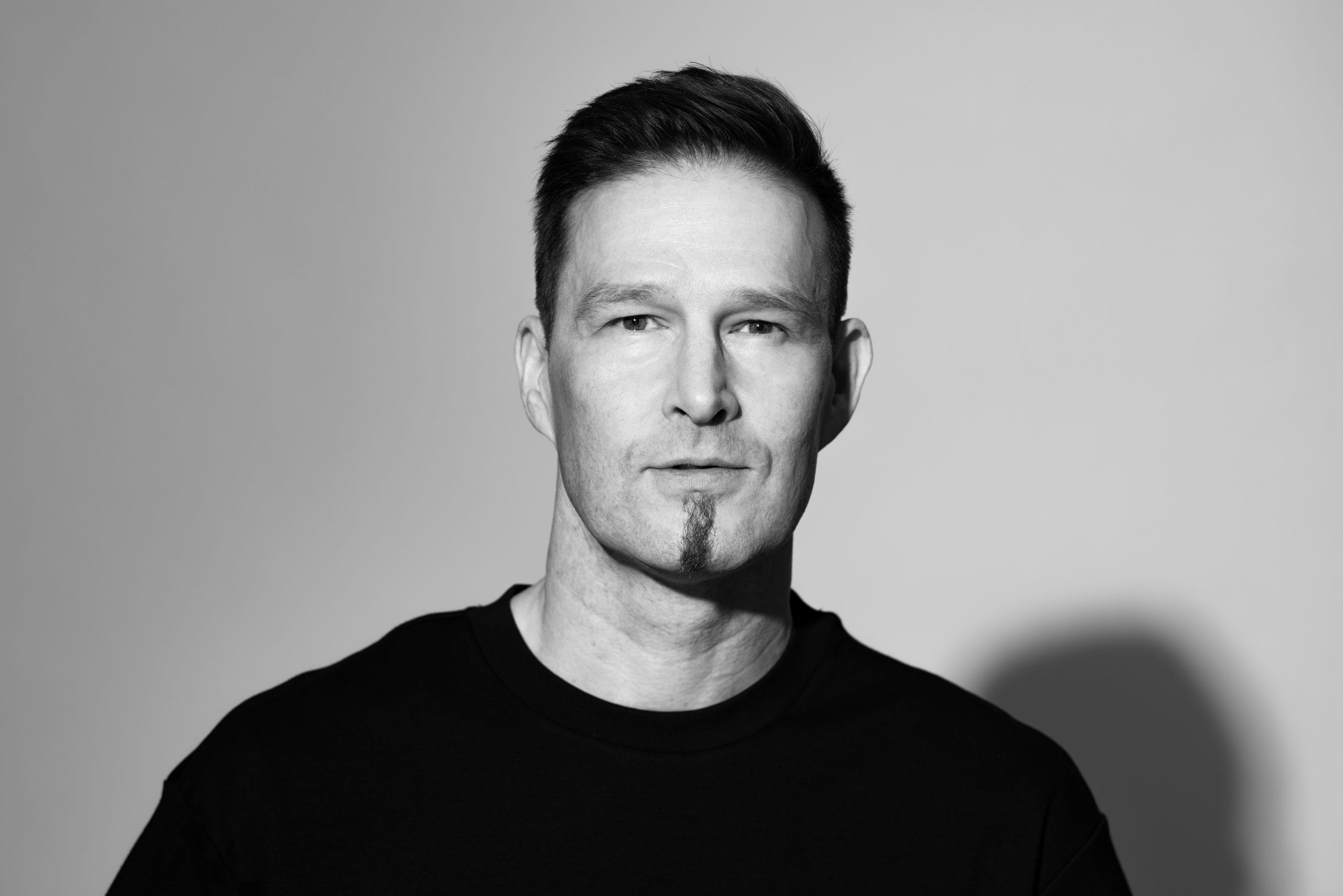
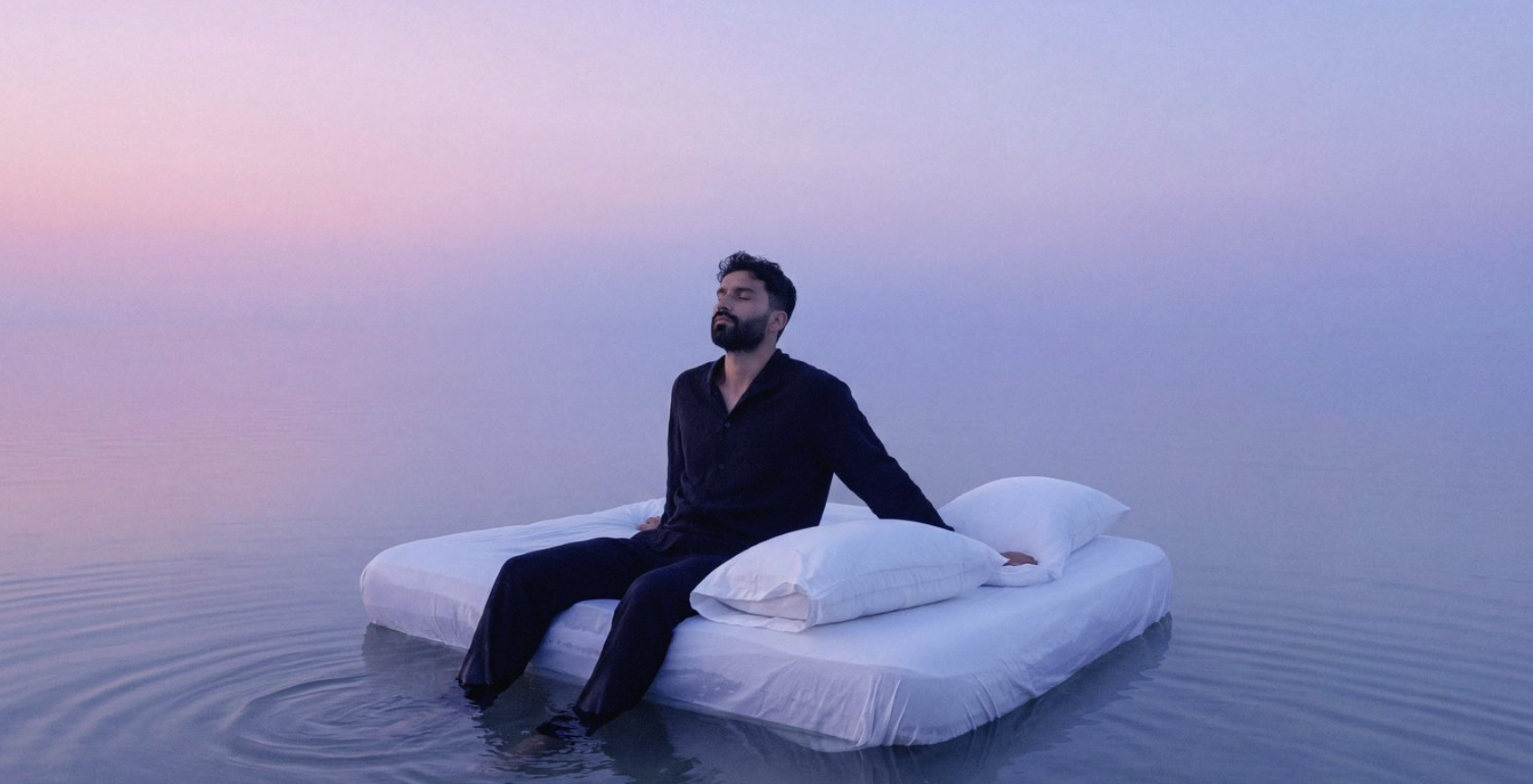
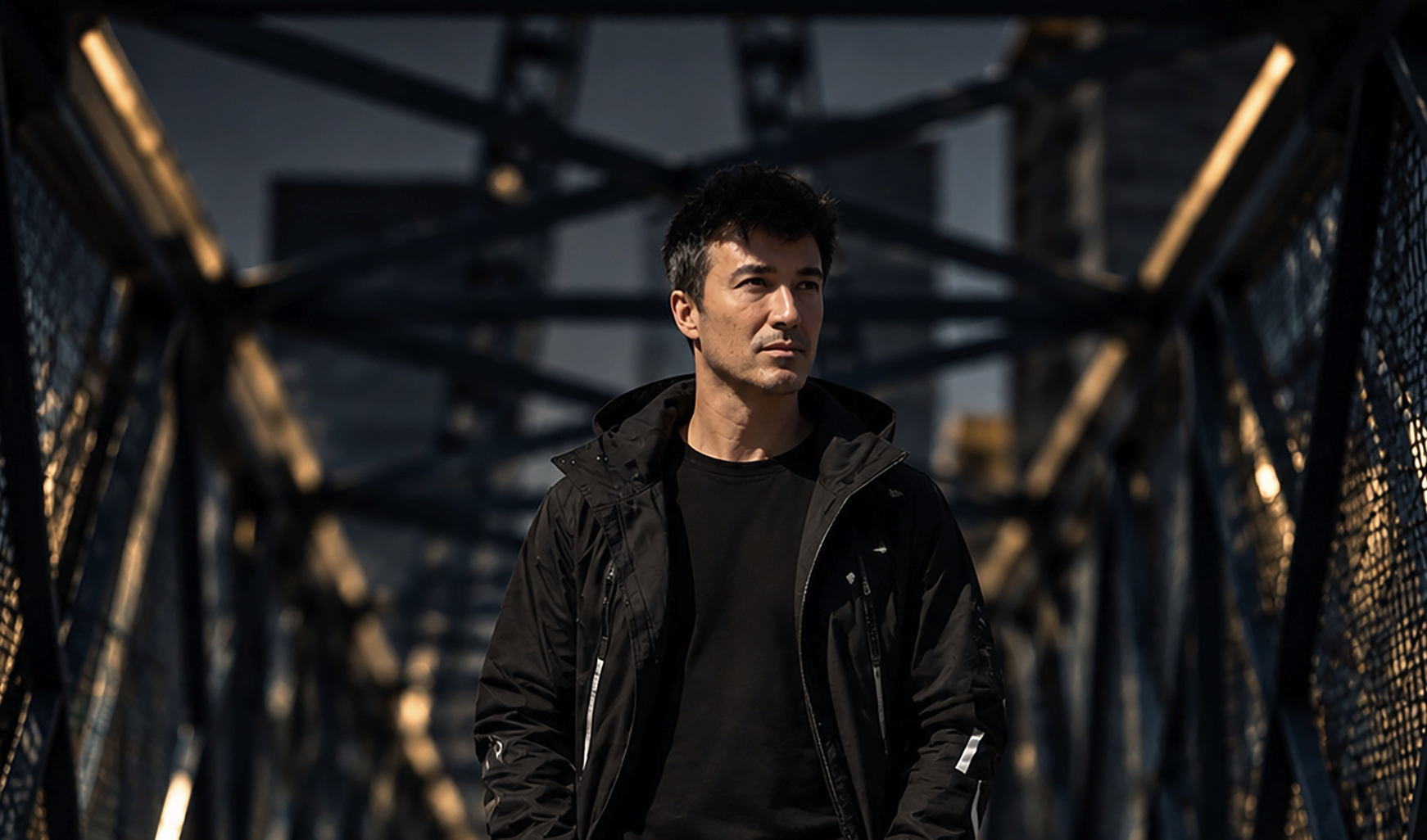
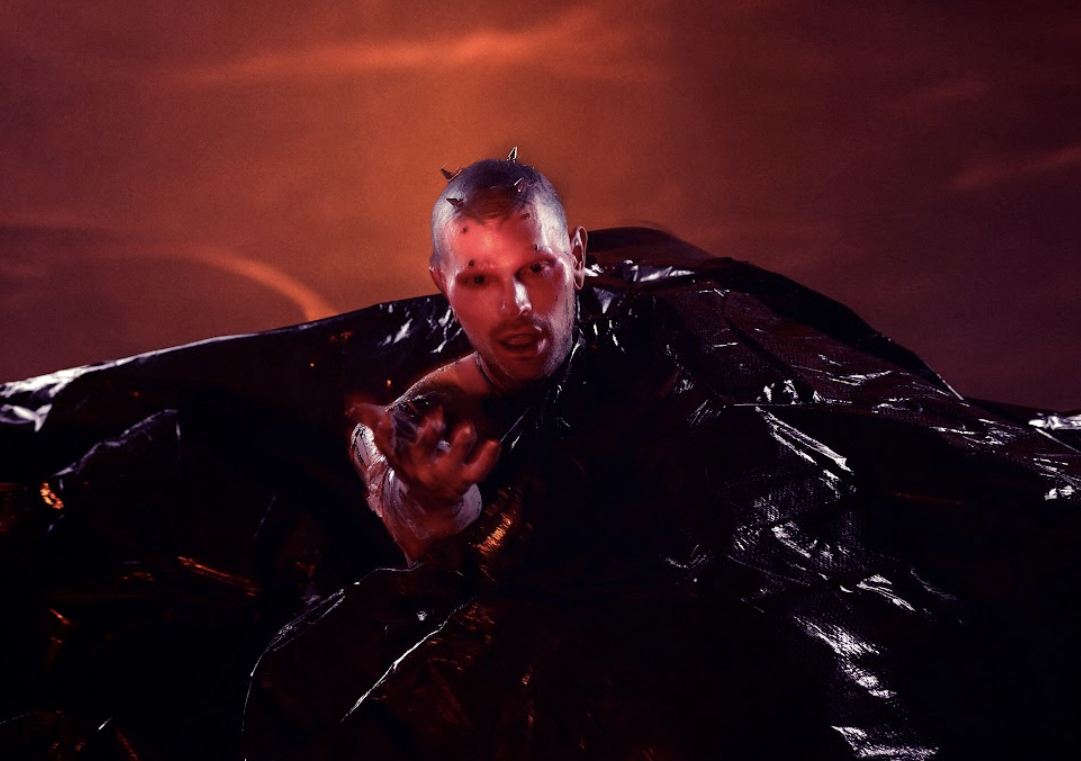
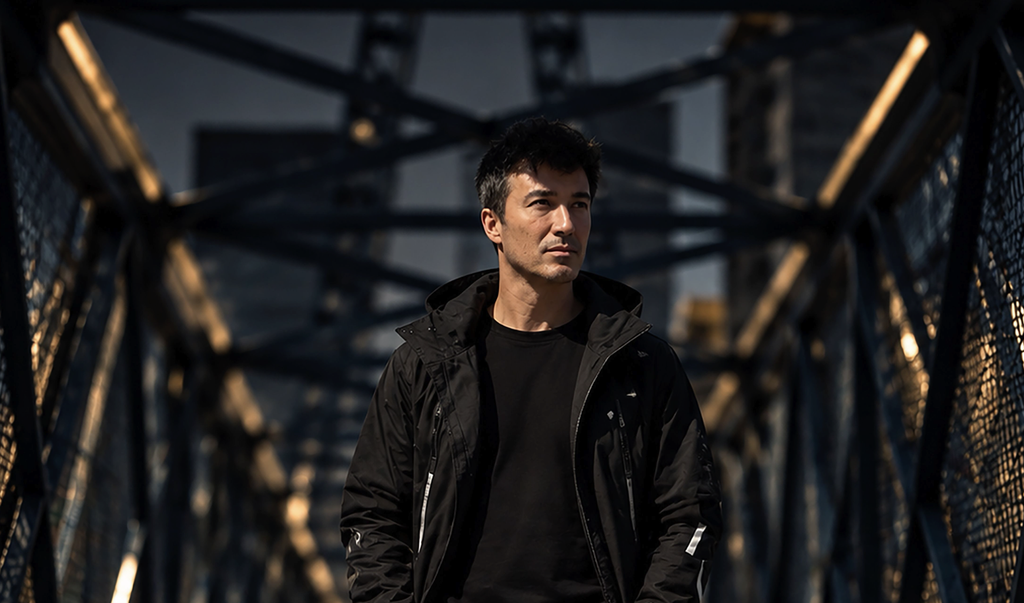
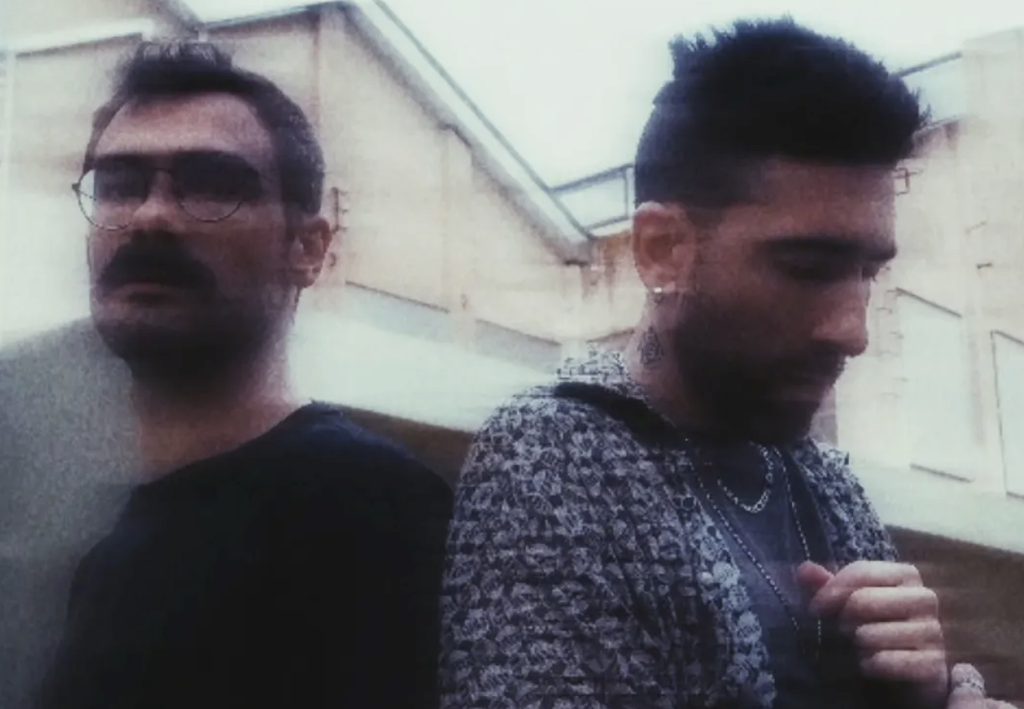
John Hayes introduces his latest project, “Bloom,” a notable progression in his career as a producer and multi-instrumentalist. This release signifies shifting from his earlier ambient works to a more dynamic electronic and deep house style. The project comprises five tracks demonstrating a robust engagement with body-moving rhythms while maintaining the emotional depth that has characterized Hayes’ previous compositions. Influenced by artists like Jon Hopkins and Rival Consoles, Hayes explores new sonic territories, combining propulsive electronic beats with his traditional emotive melodies.
The accompanying interview with Hayes offers valuable insights into the factors influencing his musical transition. He discusses his initial musical experiences, his shift from classical piano to electronic music production, and the personal motivations that drive his artistry, particularly the impact of a close friend’s passing. Hayes details how adopting Ableton Live as his primary digital audio workstation has enabled greater creative freedom, allowing him to delve deeper into electronic music production. This transition is presented as a change in musical style and an evolution in his approach to music-making.
Looking ahead, Hayes emphasizes his ongoing commitment to his new musical direction. He outlines his creative process, combining his foundational piano skills with electronic experimentation. The interview also previews future projects and collaborations that promise to expand his exploration of deep house and electronic music. These insights into Hayes’ journey and forward plans are poised to intrigue and excite new listeners and long-time followers.
What inspired you to transition from ambient music to the more energetic style of deep house?
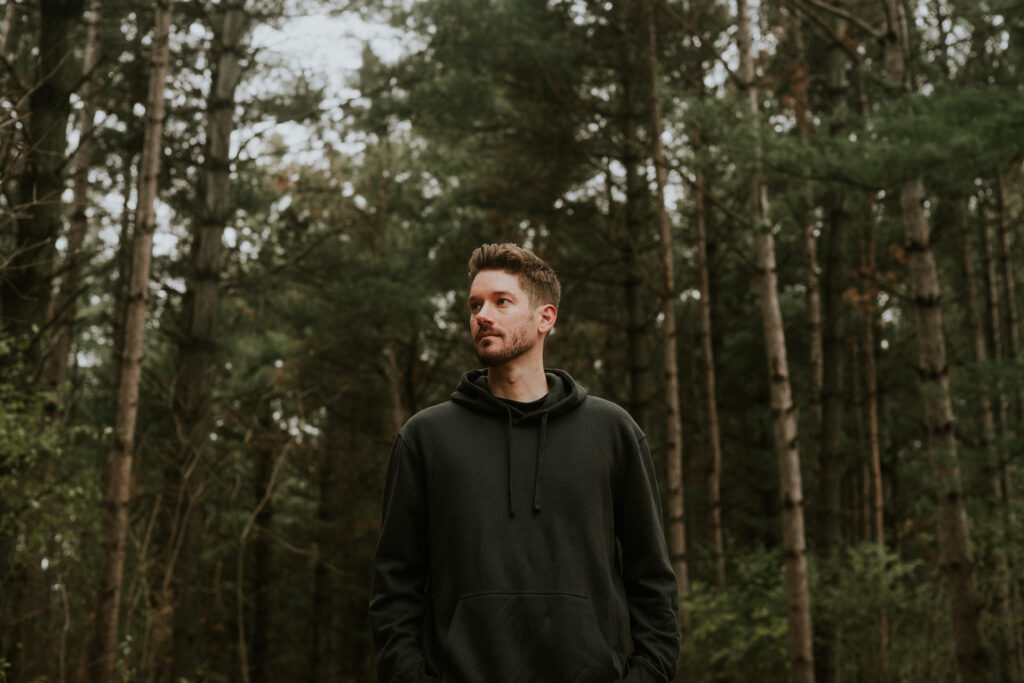
I’ve always been really drawn to all types of electronic music. Ambient, electronica, house, techno, it’s all really exciting to me. When I first started writing my own music, I wouldn’t say that I was that “skilled” of a producer at that time. I had my piano, some microphones, Logic Pro and I came from a piano background, so I naturally gravitated towards what was most familiar to me. It was really my only outlet at that point to get my ideas out.
Even when I was just writing solo piano pieces, or gradually introducing synthesizers into my production, a lot of times what I was listening to and being inspired by most were artists like Jon Hopkins, Rival Consoles, Aphex Twin, Four Tet, Max Cooper, Floating Points etc. Even hearing Deadmau5’s track strobe for the first time was incredibly inspiring to me. I think I always gravitated towards the artist I mentioned above because of their ability to have that versatility between making these beautiful ambient and reflective pieces, while also being able to seamlessly dive into that more energetic electronic style. It’s something I always wanted to pursue as an artist as well, I just didn’t know how to make it at the time.
I think a big change came when I started using Ableton Live as my primary DAW. It really lends itself so well to being able to experiment with these kinds of ideas and is really intuitive for making this type of music. As I got better as a producer, I started getting more comfortable making this style of music, which was really exciting. I made tons of tracks while I was kind of “practicing” making this kind of music that will never see the light of day, ha! I think the only delay with me releasing my electronic music was finally getting to the point where I was happy and excited with what I was making.
There’s so much you can say with your music as an artist. I think by taking my time and developing my craft, it’s allowing me to open new doors and realize new ideas in this new space.
Can you describe the moment you realized electronic music was the direction you wanted to pursue further?

Kinda like I mentioned above, it was always something that was churning in the background, even while I was still just writing solo piano and ambient albums. I think I dropped hints that this was a style I wanted to pursue, especially with Maxy Dutcher and I’s album collab album “Borealis.” After we made that album, I was constantly in the studio practicing making more of this kind of music. I think my soundcloud has something like 300+ private tracks on there that I was making, sending out to friends for feedback and stuff like that.
It wasn’t until I wrote the first demo for my track “Winged” from my Bloom EP that I was like, “Okay, this is starting to get me excited. Maybe I can think about releasing this.” Usually, I like to think that if something is lighting me up and getting me excited, there’s a chance it might do the same for others. Once I finalized that track, I just kept riding the momentum I felt in the studio.
How does your deep house tracks’ creative process differ from your ambient music?
It’s actually somewhat similar for me, at least in the early stages. I almost never have a plan when I initially sit down in the studio. I’m never really thinking “today I’m going to make a dance track, or this time I’m going for an ambient piece.” If I do go in with a plan, that usually gets scrapped pretty early on. I’m just working on intuition and following my muse really. A lot of what gets made depends on how I’m feeling in the studio that day.
One day it might be a calm ambient piece, the next day I’m adding a four on the floor kick drum or breakbeat to something. Sometimes, I’ll write something that I think is for sure going to be more ambient, no drums at all, and I’m just like “I wonder what would happen if I added some drums to this?” Being surprised by music is something that always keeps me coming back. It’s what keeps me motivated in the studio.
I think the biggest difference comes later on in the process, primarily when it comes to arranging a track. There are more “boundaries,” if you will, that you need to stay within just to make sure everything is on time and on or around the grid. I’ll go through quite a few iterations for the arrangement of an electronic piece before I land on something that works well.
Could you explain how personal experiences, like the passing of a close friend, have shaped your musical evolution?
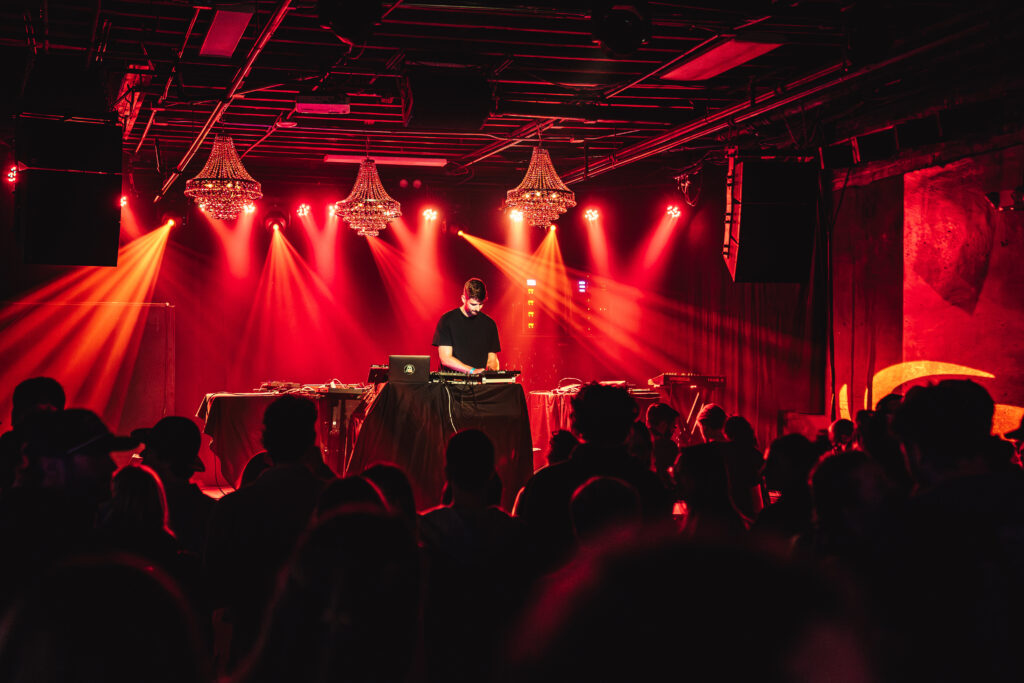
I mean, it’s really the catalyst behind why I make my music and pursue it the way I do. Losing my best friend when we were 23 years old really put a lot of my life into perspective. It’s somewhat cliche, but you only have one shot at living your life, and it can all be over in the blink of an eye. That experience really drove this lesson home for me. I only have one shot at this, why would I not pursue exactly what I want to do with it.
Music is a way for me to process my emotions, work through things, be totally present to what I’m feeling etc. A lot of my ideas come from being present to the emotions I’m feeling. It’s a way for me to capture things that happen in my everyday life and sort of “freeze them in time,” if that makes sense? It also helps me be more present in my day to day as well. There’s inspiration and ideas all around if you’re open to them.
How do you see your musical identity evolving with your transition into more dance-oriented genres?
I think for me, it’s being able to bring that element of surprise to each release. Like I mentioned, being surprised by music is what gets me most excited about it. I get so excited when I see new albums or releases coming from artists like Max Cooper, Jon Hopkins, Nils Frahm (just to name a few,) because I don’t know what to expect. It could be anything from a solo piano piece, reflective ambient piece, some crazy electronica, all the way to a dance floor ready techno track. I really want to lean into that versatility and show that I’m continuously developing my sound.
Thinking about ‘genres’ isn’t something I’m doing so much. I know it’s a hot topic, especially with more dance-oriented music. A lot of these genres have their specific “sounds” and guidelines for what makes something fall into a certain category. But, there are some artists who have broken away from that mold and have gotten to the point where their sound, in a way, IS the genre. That’s what I want to pursue.
I don’t want to be thinking about what genre this is that I’m making, what category does this fall into. I just want to make music that excites me and lights me up.
What techniques do you use to maintain the emotive quality of your music while engaging with a more propulsive electronic sound?
I think a lot of that comes from starting ideas out on the piano, starting simple.
Getting the chords, melodies and harmonic content down first and then working from there. Working in Ableton and on electronic music, the possibilities are so endless. I think having some restraint and knowing when you have a good idea is an important piece of the puzzle. I would say that’s usually where I spend the most time on a track. Once I get there, usually things move pretty quickly and I get into this kind of flow and just follow my intuition.
A lot of my early “practice” tracks I would just be stacking so many ideas on top of one another, hoping that the next thing I added would be what makes the track, to the point where I would lose the plot and it would all just become a mess. I think that’s a common thing, especially when you’re first starting out making this kind of music. As I’ve developed I’ve gotten better at focusing on that initial idea and recognizing when I have something good to move forward with.
What upcoming projects or collaborations can we look forward to that continue to explore your transition into deep house and electronic music?
My main thing right now has been focusing on playing live. I spent quite a while developing a new live set where I can bring these new tracks to life outside the studio. It’s something I’ve missed doing since I was playing as a pianist. I think playing live is also helping me as a producer as well. It’s showing me what works well in what setting, what parts of unreleased tracks work well and what parts don’t. It’s really exciting to dive into.
I’ve also been working on quite a bit of new music in this style which is getting to the demo stage now, so yea, there is a lot more in the works for the near future. You’ll still be hearing ambient music from me as well. I have a double single coming soon with Robot Koch and Elskavon which I’m very excited about.

Will Vance is a professional music producer who has been involved in the industry for the better part of a decade and has been the managing editor at Magnetic Magazine since mid-2022. In that time period, he has published thousands of articles on music production, industry think pieces and educational articles about the music industry. Over the last decade as a professional music producer, Will Vance has also ran multiple successful and highly respected record labels in the industry, including Where The Heart Is Records as well as having launched a new label with a focus on community through Magnetic Magazine. When not running these labels or producing his own music, Vance is likely writing for other top industry sites like Waves or the Hyperbits Masterclass or working on his upcoming book on mindfulness in music production. On the rare chance he's not thinking about music production, he's probably running a game of Dungeons and Dragons with his friends which he has been the dungeon master for for many years.