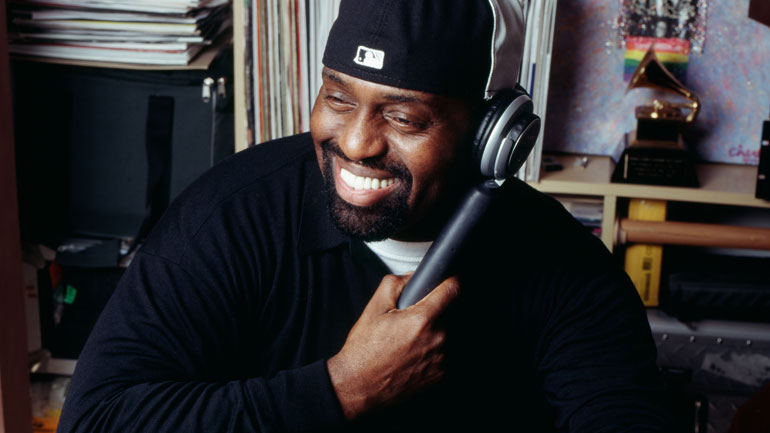
House music began to take shape in the mid to late eighties with guys like Frankie Knuckles, Jesse Saunders, Larry Heard, Steve “Silk” Hurley, Farley, Marshall Jefferson, Farley Jackmaster Funk, etc all leading the charge.
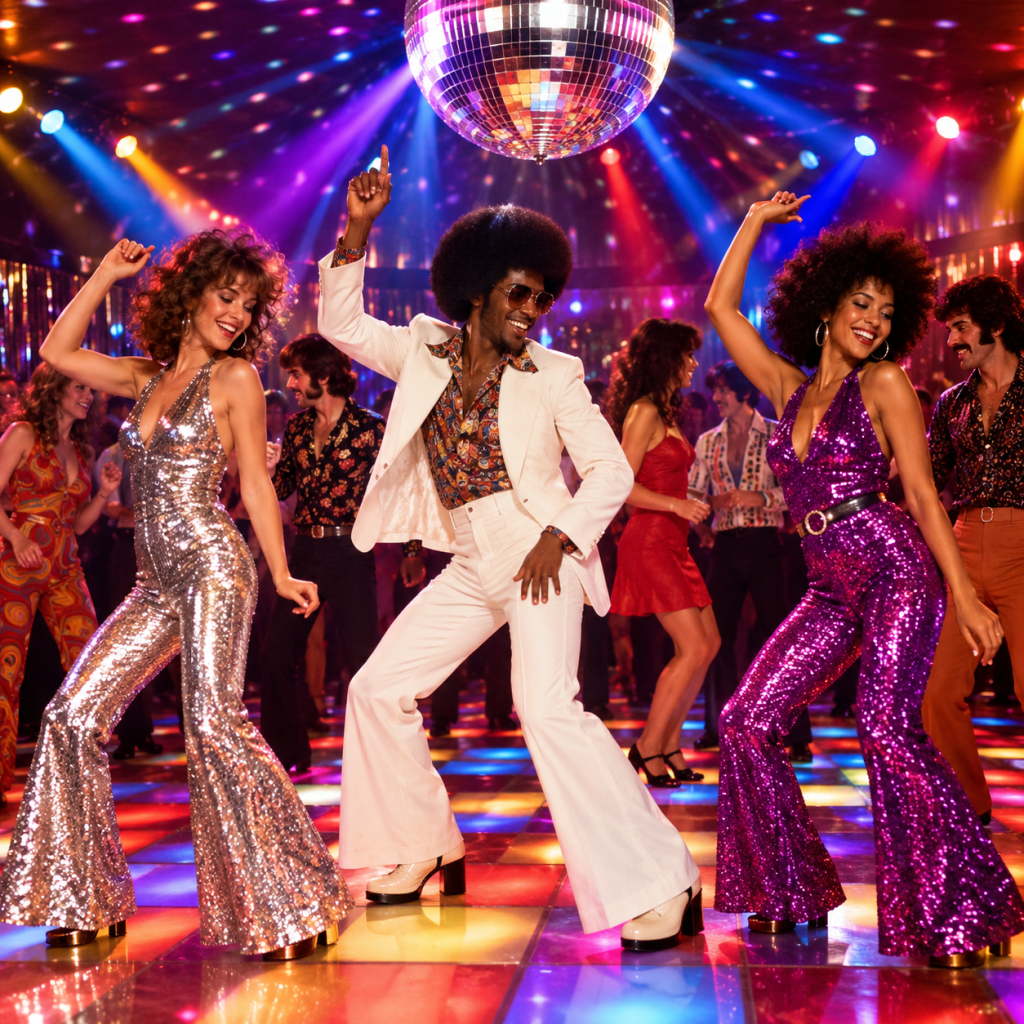
Early deep house songs had a very definitive sound, heavily influenced from euro synth and disco music. As house music started to grow in popularity it started to find new styles and variations and has been fracturing into new sub-genres ever since.
What Was Early Deep House Like?
The style of house that eventually became known as deep house was a lower bpm, more soulful and often included a gospel inspired vocal or jazz sample. The sound of deep house initially was a very American sound coming from Chicago and New York. In the early to mid 90s with the explosion of UK club culture, many UK producers started putting out exceptional deep house tracks as well.
Legendary clubs and club nights like Club Shelter (NYC), Paradise Garage (NYC), The Warehouse (Chicago), The Sound Factory Bar and Sound Factory (NYC), Body & Soul (NYC), etc. Help usher in and cultivate the sound of Deep House that eventually started to work its way into the more mainstream dance clubs, especially in Europe.
Check Out This Documentary About The Birth Of Dance Music <<
The most common mistake in today’s EDM culture is the misuse of deep house classification which is often used to describe more chilled out or melodic tech house.
What Is Deep House Like Today?
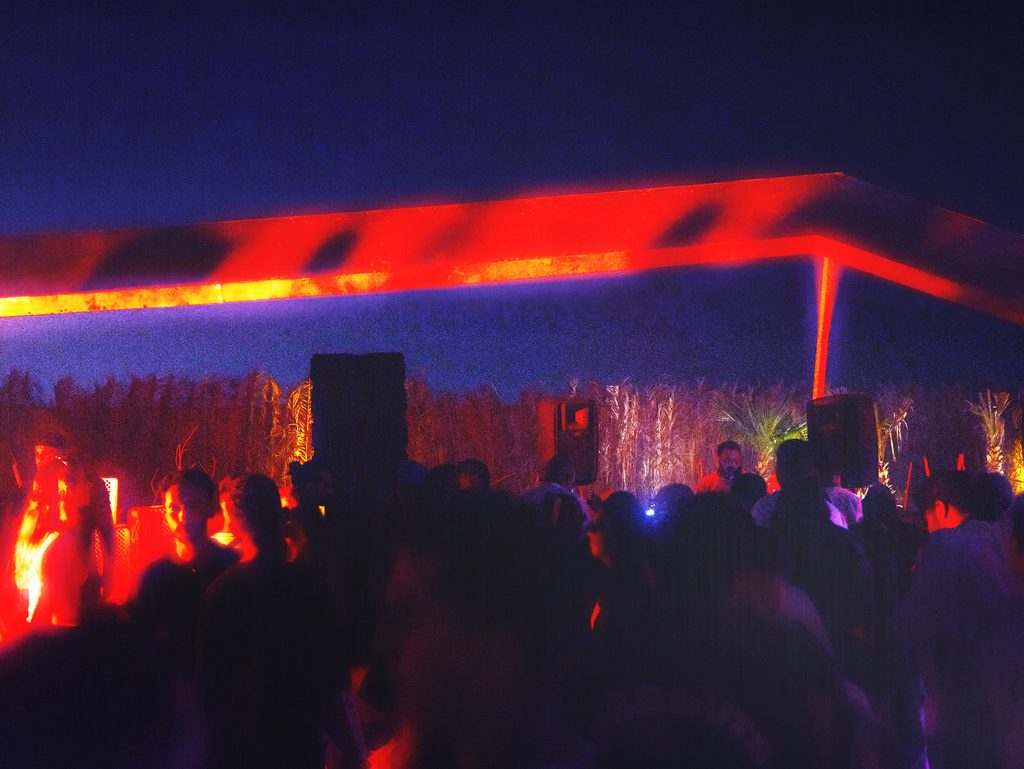
The sound of deep house still continues today and is supported globally with a loyal and incredibly dedicated fanbase. Younger DJs and producers like Soul Clap, The Martinez Brothers and others continue to carry the torch for the soulful side of house music.
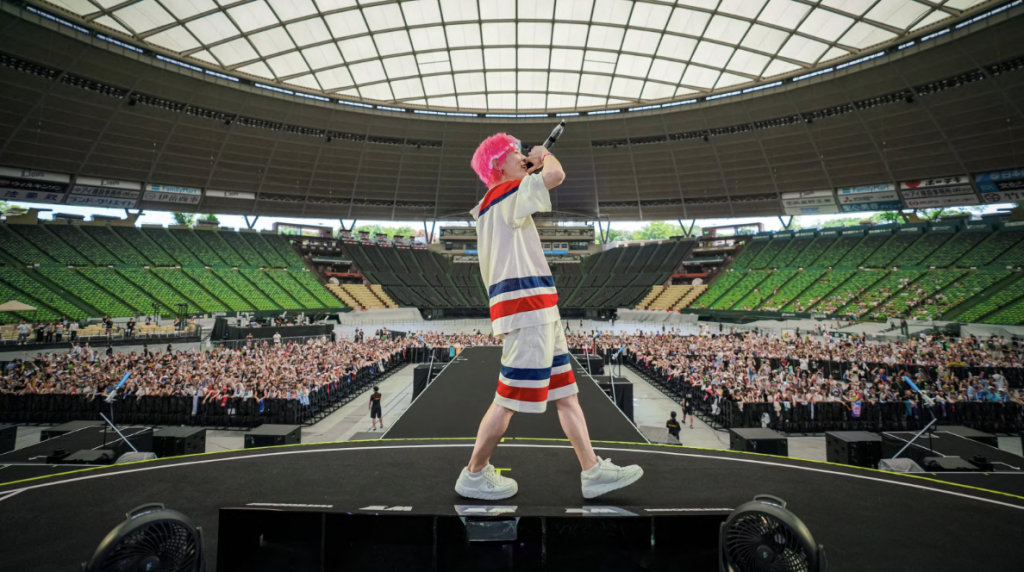
But the sounds of deep house and its many subgenres have changed and morphed today. With the rise in popularity of dance music as a whole, the minimal and grooving compositions have expanded to match the size of the festival stages where it’s played at. Artists like Oliver Heldens and Zhu play high energy house music to crowds of 50k or more, which means it needs higher energy levels and more gimmicky qualities than the genre’s earliest iterations.
If you’re looking for a sound that is the best of both worlds, check out these 9 artists
Here are some examples so that you can compare for yourself.
Here are some examples of early deep house music
Here is what deep house sounds like today

David Ireland is a professional strategist, creative, and marketer. He began his career in 1995 as creator and publisher of BPM Magazine. In August 2000, BPM Magazine merged with djmixed.com LLC, an online media company based in Los Angeles, which later evolved into the Overamerica Media Group [OMG] in 2003. In 2009, Ireland left Overamerica Media Group to serve as the VP of Marketing at Diesel. In 2011, he returned to his roots in media and cofounded the online electronic music publication Magnetic Magazine and created The Magnetic Agency Group. In June 2018, Ireland joined Winter Music Conference (now owned by Ultra Music Festival) as the Director to lead the reboot for 2019 and usher in a new era for the iconic brand. He served as Chief Marketing Officer at Victrola for three years, guiding product innovation and brand growth. He currently serves on the advisory board of Audiopool, a new music tech startup focused on AI-generated music licensing and artist revenue models.