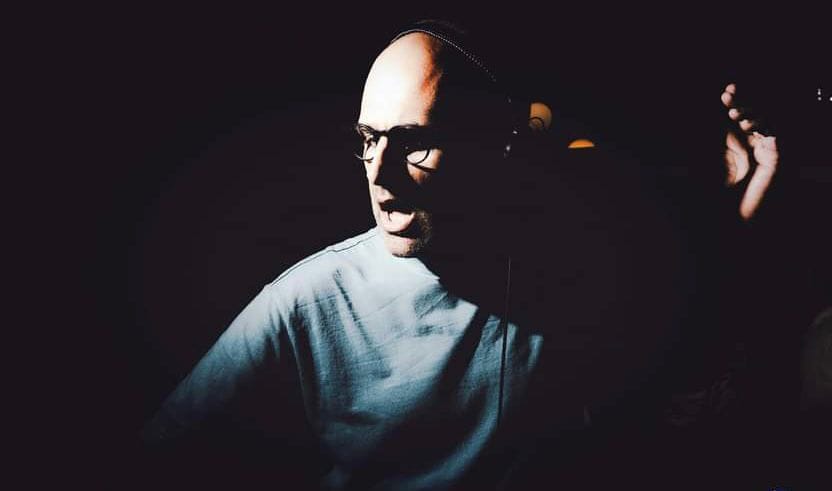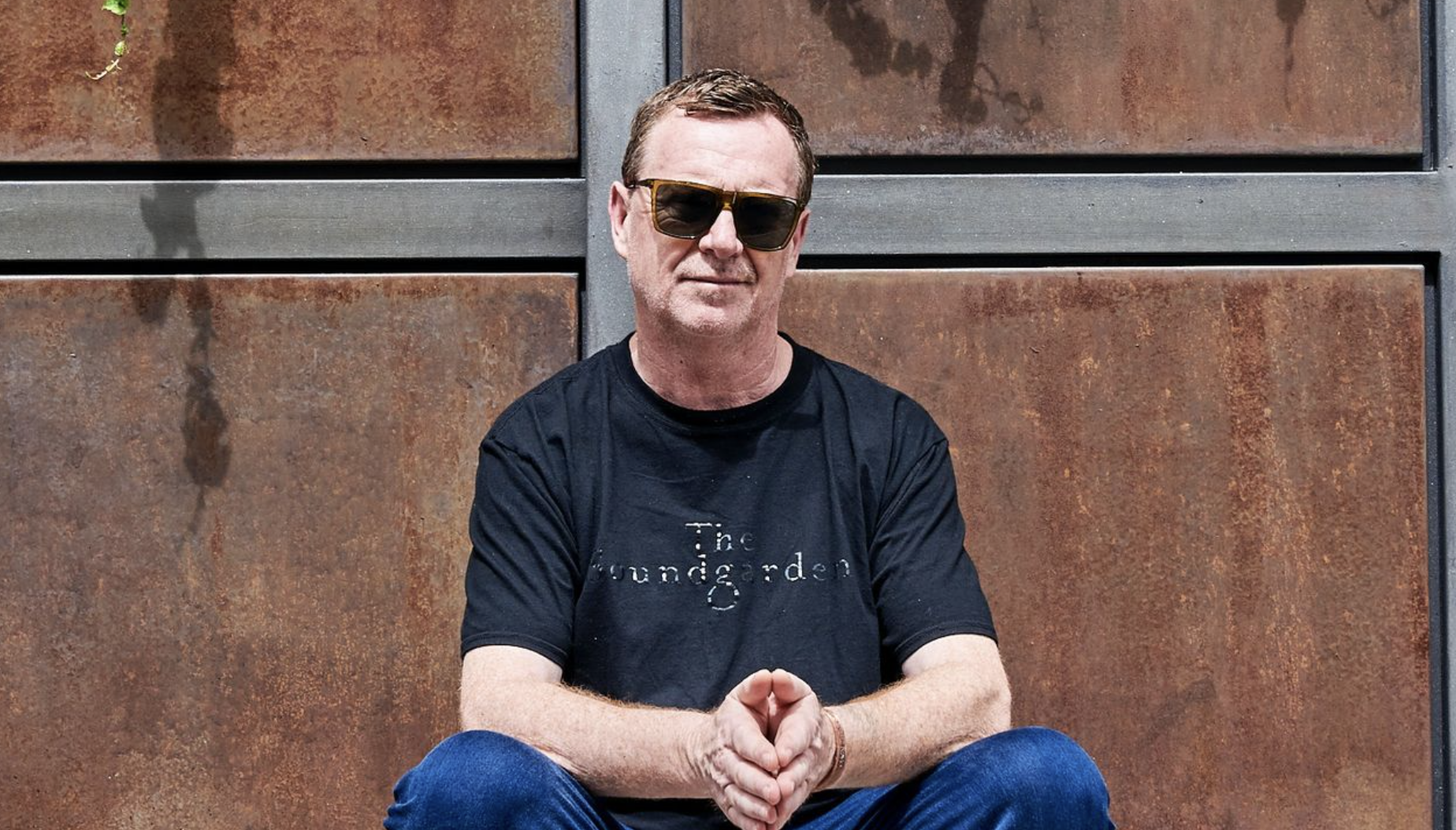
Lingam, an avant-garde producer, redefines how we connect to music through a lense many artists, audiophiles, and consumers take for granted; the lens of hearing impairment. His latest EP, “Becoming You,” focused on swing and texture, featuring two tracks that showcase his distinctive minimal and groove-centric techno style.
We had a chance to sit down with the Tel-Aviv-based artist to pick his brain about how he creates music despite only hearing about 20% of what’s happening around him. Through a combination of technology, trusting his gut, and seeing sounds, he can push through what many think are barriers but what he considers inspiring limitations that push his creativity to the next level.
Join us as we explore Lingam’s world, where the textures of sound are felt, the groove is a language, and the music speaks volumes beyond the reach of hearing.
What inspired the creation of “Becoming You” and “Prequal” in your recent two-track release?
These tracks draw inspiration from the trance scene of the early millennium. The dark, psychedelic textures are reminiscent of my experiences at nature parties, where the bass seemed to float through the trees, creating a mystical journey.
Can you describe the creative process behind your distinctive minimal and textured underground electronic music style?
I mostly don’t use any reference tracks when creating my music. I believe that to make an authentic, distinctive sound and feel, you must disconnect from the outer world and focus on your sounds, your emotions, and energy. When creating my tracks, I start them offline, meaning I can take the computer to nature or my parents’ home, locations that make me feel safe, open-minded, and not distracted by the digital world.
Once I got the main idea, I returned to my studio and continued the track by focusing on sound design and basic arrangement, telling a story I would love to meet and feel on the dance floor. This process allows me to challenge my creativity each time, ensures my music remains unique and true to my artistic vision.
How does your hearing loss shape your music production process?

This is a fascinating question as it is challenging to explain, but I will give you an example that, hopefully, helps you understand. Try to imagine a color-blind painter; he/she can paint a stunning flower, make its shape enjoyable, and give details to the environment around it. However, as he/she failed to see the color combinations, it could be one of the two – or the paint got exciting colors, as the combination between the colors is unique (as the artist sees them), or in the other hand, this will be awful painting as the colors are ugly and not match what we’re expecting to catch. Similarly, I can explain my music production process; as I can’t “see” or hear most of the tones or combine them, I can listen to them with my unique way of hearing.
However, I have a rhythmic feeling, and I can hear the lower tones, so back to our example, it is like I know how to paint the shape of the track, the arrangement, the tension, and the groove, but all the others are like guesswork. Sometimes, I think my track sounds like another track I hear, but the truth (that my college and friends tell me) is it sounds pretty different, and I can’t explain why. I’m a “color-blind” music producer 🙂
Could you elaborate on the techniques you use to compensate for your hearing limitations while producing music? What role has technology played in your music production, especially considering your hearing aids’ Bluetooth connectivity?
I’m heavily leaning on technology by using my hearing aids’ Bluetooth connectivity to help me disconnect from the outside world (they have a function to hear only Bluetooth audio, with no other external audio) and to ensure that my basic rhythm and sound will be like I imagined. When it comes to melody because it is difficult for me to hear the higher tones, I will work on the melody with low tones, like bass or lead bass, that help me to shape the idea and get it complete.
Once I complete the melody, I can shift the frequencies up by one or two octaves and give the complete picture of the higher tones. I’m using my eyes as much as possible, with a visual EQ on the master, to “see” how the higher tones work with the lower, sit on the rhythm, and give special “shapes” to the higher tones. A good example of that is when I see on the EQ that I have too many higher tones that I can’t hear, I will reduce them by cutting the higher tones to ensure I will not make a mistake that I can’t hear.
This is just a nutshell of how I use technology in my music creation process, but I hope it will give you a better understanding of the process.
What advice would you give aspiring musicians facing similar challenges?
First of all, never stop creating, no matter how it sounds or feel, do it again and again, teach your brain by making more and more mistakes and learn from them. Use your friends as your hearing aids.
Ask them to tell only the truth, let them guide you on what sounds better and what sounds worse, and try to find the logical reason why. Don’t let negative opinions discourage you. Believe in your unique perspective, keep pushing forward, and anything will be possible, find your way to make it.
Finally, what message do you want to convey to your fans and listeners through your music?
I’m just at the beginning of my journey.
Through my music, I aim to inspire positive changes and creativity in your lives. I hope you’ll join me on this path and find personal inspiration to influence others positively. I look forward to sharing more of my journey and seeing you on the dance floor in 2024. Let’s continue this adventure together.

Magnetic byline note: This byline is used for staff produced updates and short announcements, often based on press materials and official release information. Editorial responsibility: David Ireland (Editor in Chief) and Will Vance (Managing Editor). About: https://magneticmag.com/about/ Masthead: https://magneticmag.com/masthead/ Contact: https://magneticmag.com/contact/