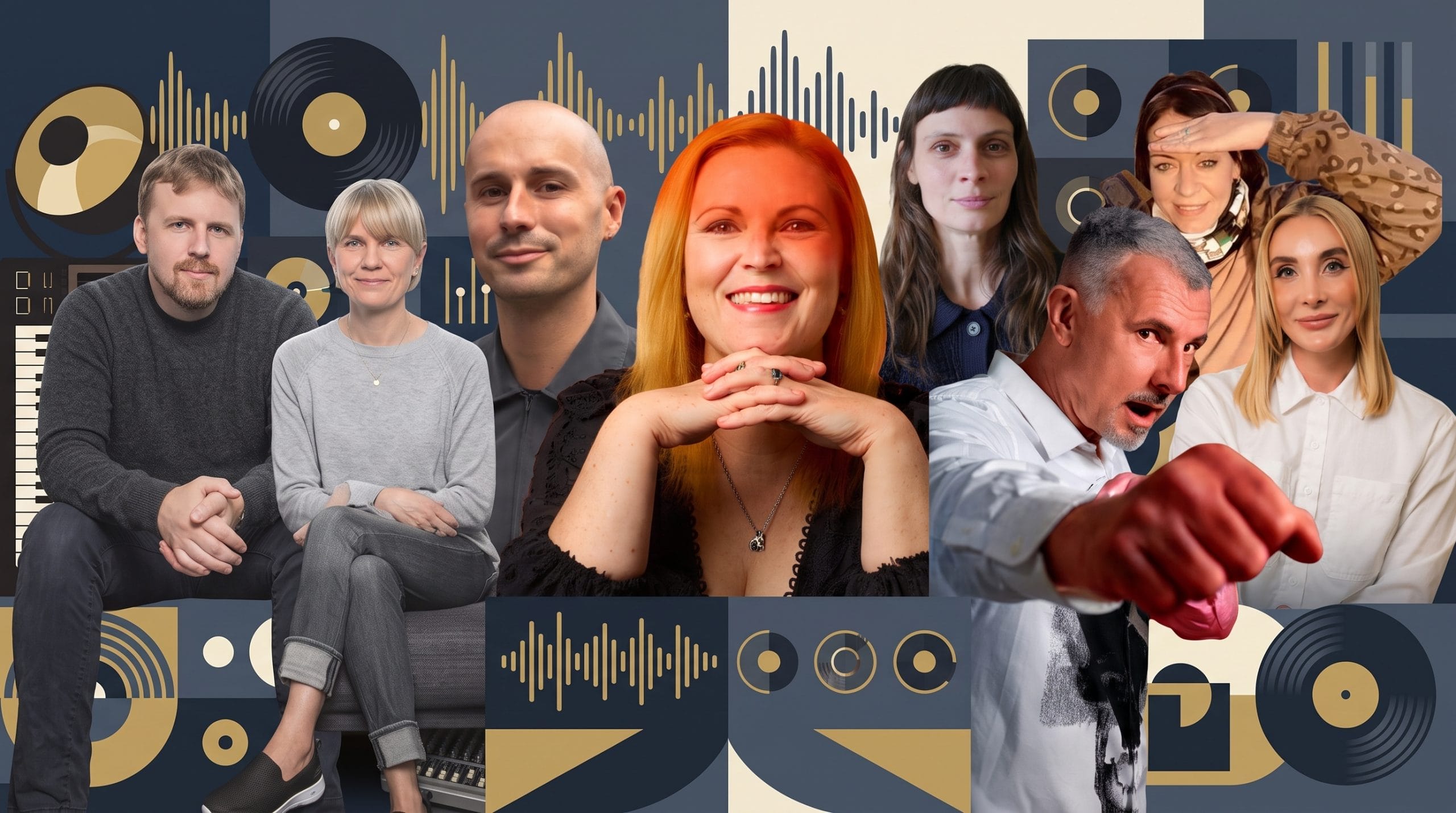
In NPR’s ‘All Things Considered,’ Rick Rubin shared insights on authenticity, creativity, and spirituality. Typical of his interviews, he offered profound knowledge subtly. Among many takeaways, one particularly resonated with me:
As the new year arrives, Rick Rubin’s interview is particularly timely for the producer community. Producer news feeds and whiteboards brim with goals for the year, often repeating extrinsic and two-dimensional ambitions like:
- Sound Design
- Songwriting & Arrangement
- How To Finish A Track
- Release A Track Through A Label
- Get Paid To Produce
- Get More Social Media Exposure
- Mixing & Mastering
- Creating Your Own In-home Studio
But to be honest, these goals are surface level at best and, at worst, can lead to career-ending demotivation when they’re either not accomplished or are found to yield little lasting results when checked off the to-do list. Because it’s incredibly, INCREDIBLY rare for a single track to break an artist or one gig to define a career, and “learn to mix and master” is impossible to quantify.
We at Magnetic are in a unique position to be able to pick the brains of some of the most knowledgeable artists, producers, and personalities in the industry. While most of you are looking to the future, our editorial team has the luxury to look back on all that we’ve learned and synthesized through these conversations and see it through the lens of the interview with Rubin we recently listened to (embedded below).
So let’s dive into some of the best process-driven mindsets and goals you should adopt that, once they become a habit, will be far more effective than a single label signing, gaining X followers on social media, or getting your first paycheck for some various gig work in the music industry.
Value Mentorship (Entel)
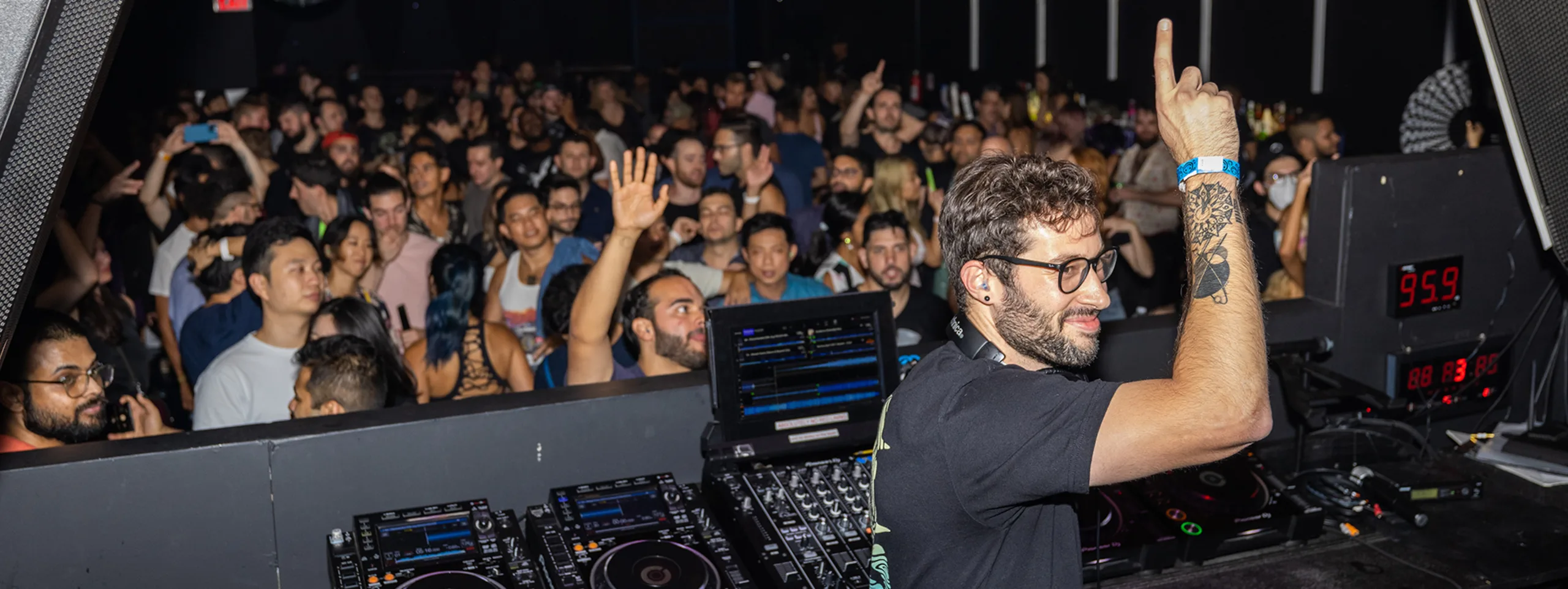
Mentorship is a deeply soulful journey, transcending mere technical skills in music to mold character, instill discipline, and nurture resilience. It’s about a presence, a commitment to absorbing the wisdom, and respecting the time your mentor offers. Each note, beat, and melody is a testament to the hours of shared knowledge and experience. Embracing mentorship is not simply learning to navigate the music industry; it’s about tuning into an authentic and innovative frequency.
It’s less about ascending a traditional ladder and more about expanding the creative landscape of what you can create and become. As Entel’s journey illustrates, mentorship celebrates collaborative growth and the unfolding magic when seasoned experience meets youthful aspiration.
This path of shared growth is marked by the tangible evolution in the mentee’s craft. Reflecting on his own experience, Entel notes:
“Over the last few years, Grum himself (alongside the team at the label) has helped shape my sound, navigate the early and most difficult stages of my career, and even brought me along on an international tour.”
The mentor’s influence is subtly yet profoundly woven into the approaches, perspective, and technique shifts. The mentor-mentee relationship is a bidirectional path of discovery, a collaborative exchange where wisdom and fresh perspectives intermingle freely. As the mentee dives deeper into their artistry, the mentor’s role evolves, always focused on elevating the artist to new artistic realms. This ongoing dialogue is the heartbeat of a flourishing artistic journey, transforming dreams into tangible achievements and nurturing a lasting legacy of innovation and artistic exploration.
For a deeper dive into the transformative power of mentorship in music and the remarkable journey of Entel, read the full interview here.
Prioritize Balance (Ben Tucker)
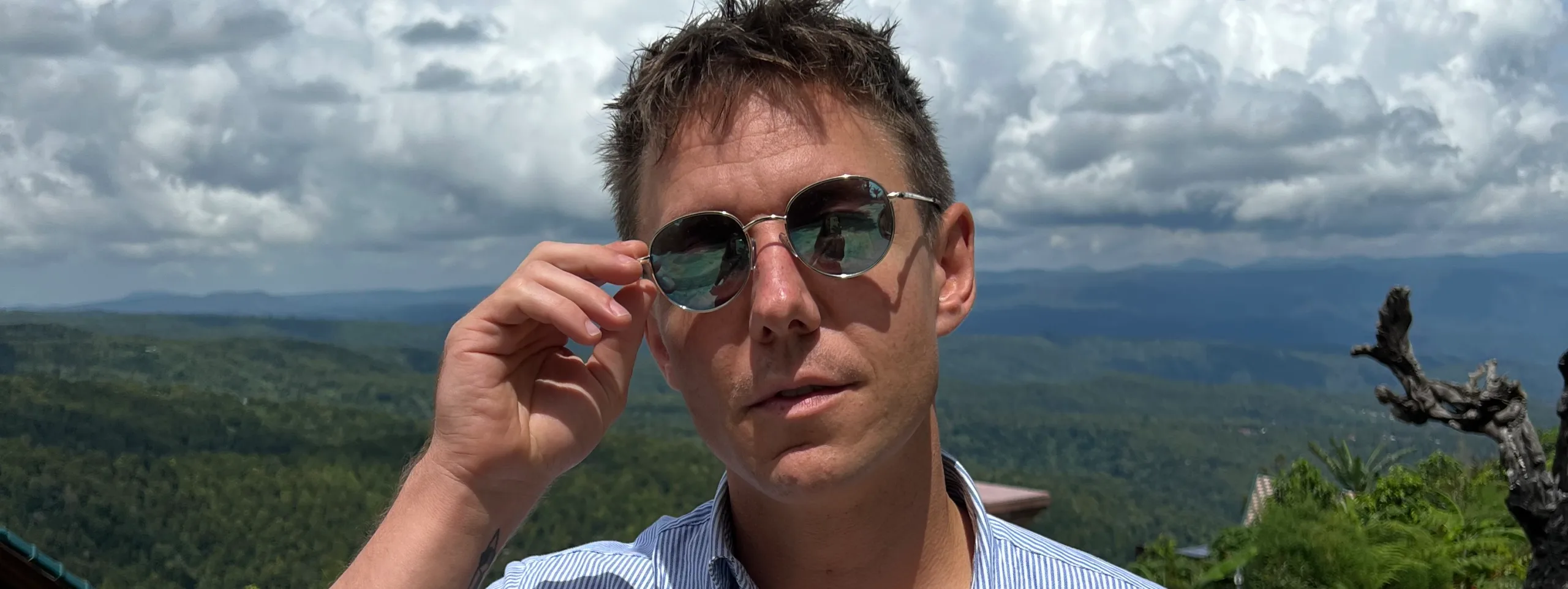
Navigating the harmony of work, life, and music isn’t about segregating time into equal parts but orchestrating a symphony that resonates with your unique rhythm. It’s a nuanced dance, prioritizing what fuels the soul while managing the necessities of life. As Ben Tucker insightfully shares,
“The healthier you feel, the more energy you have, and everything else falls into place!”
This harmony extends beyond physical to mental and spiritual wellness. Rising early, engaging in physical activity, or carving out silent moments for music production are not mere routines; they are rituals, setting the stage for creativity to thrive without the risk of burnout. The secret lies not in stringent schedules but in maintaining a fluid harmony, adapting as life’s rhythms ebb and flow.
However, achieving this balance is not automatic; it demands an active commitment. Tucker reinforces the mantra: “balance, balance, balance.” It’s a conscious decision to allocate time and prioritize life’s facets. Occasionally, it involves declining short-term gratifications to achieve long-term fulfillment in the studio. It’s about recognizing that creativity requires breathing space and that sometimes, stepping back is just as vital as immersing oneself. This quest for balance is not a solitary endeavor but a collective symphony, drawing from the wisdom and experiences of those who’ve voyaged these waters.
For more insights into navigating the complexities of life and music production and how mentorship can play a pivotal role in this journey, read the full interview with Ben Tucker here.
Invest in Long-term Relationships (Erdi Irmak)

Investing in long-term relationships within the music industry is crucial; it’s about building a network that supports and amplifies your artistic vision. Much like in life, relationships in music are about giving and receiving, mutual growth, and shared journeys. As an artist, when you foster these connections, you’re not just creating a network — you’re building a community that resonates with your music’s core values and vision.
Erdi Irmak’s approach to his label, focusing on quality and a good artist roster, reflects the importance of nurturing these relationships — not just for the immediate release or project but for the long-term evolution of your music and brand. In his words,
“We aim to achieve quality and accordingly have a good artist roster as well.”
This speaks volumes about cultivating relationships with like-minded artists and industry professionals. These long-term connections are not just transactional; they are transformational. They foster a creative symbiosis that propels both individual and collective artistic growth. By investing in these relationships, you’re investing in a future where your music and your label are defined not just by what you create, but by the community you’ve cultivated and the shared vision you’re bringing to life.
For deeper insights into building a sustainable career in music through relationship-building, collaboration, and community engagement, read the full interview with Erdi Irmak here.
Prioritize Patience (Will Vance)

Embracing patience in the music industry is integral to surviving and thriving in an environment as dynamic as it is competitive. It’s about understanding that each submission and project is a step in a longer journey. The editorial emphasizes and underscores the multifaceted approach needed in this industry.
“Getting back in the studio to make more music, continue building your network of industry connections…thinking more about your image, your sound, and how these different dots connect to form your brand… Don’t get ahead of yourself even if you see the play count tick up from 0 to 1. A single listen doesn’t mean much, but if the demo listens continue to increase over the coming days, that likely means that the label is considering the demo for signing.”
It’s not just about waiting for a response; it’s about using that time to refine your craft, build your presence, and prepare for the next opportunity. Patience is an active engagement with your career’s trajectory, ensuring you’re always moving forward, even when the pace feels slow.
This insight beautifully captures the essence of patience in music production and submission. It’s about understanding the subtleties of engagement and interest from labels and not rushing the process. Patience here means trusting in the quality of your work and allowing it to find its place, all while you continue to evolve as an artist.
For more insights into the patient art of music creation and submission and for a deeper dive into industry strategies, read the full editorial here.
Constantly Adapt (Doc Brown)

Adaptability in music, especially in today’s rapidly changing digital landscape, is akin to improvisation in jazz; it’s an essential skill that keeps your sound fresh and relevant. Like a musician bends and blends notes, responding to the shifting rhythms and melodies, an artist today must be ready to pivot and evolve with new technologies and audience preferences. Doc Brown, a seasoned DJ making waves on Twitch, exemplifies this adaptability. He mentions,
“I’ve created on-screen triggers that respond to viewer actions & host a 5-round animated trivia quiz on each Sunday episode, among other things.”
This shows a commitment to understanding his platform and using its unique features to enhance the viewer’s experience, turning passive listeners into active participants.
But it’s not just about using new tools; it’s about continuously refining your approach and understanding that what worked yesterday might not work tomorrow. Doc Brown’s journey underscores the need to be innovative and receptive to change. As artists, we must embrace change, continually seeking new ways to engage our audience and express our creativity. This might mean experimenting with new formats, exploring different genres, or finding fresh ways to connect with fans.
For more insights into embracing adaptability and innovation in your music career, read the full interview with Doc Brown here.
More Emotion In Music (…and Life)(Corren Cavini)
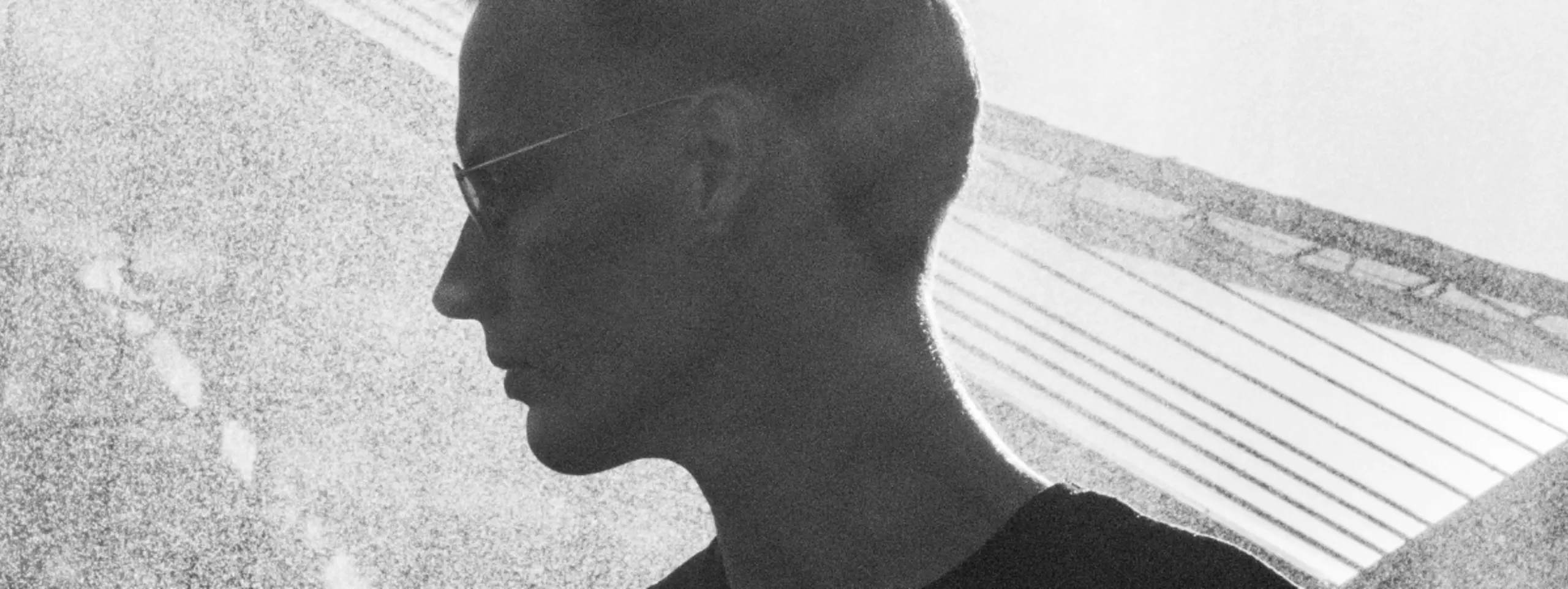
Emotion in music acts as the unseen conductor, orchestrating the connection between the artist’s intention and the listener’s perception. It elevates a track from being merely audible to something deeply felt, cherished, and returned to. Corren Cavini profoundly observes,
“It’s not really a question of adding emotion into a progression; the very core of my creative process is about searching for the right combination of chords and chord voicings to tell the story.”
This articulation captures the heart of impactful music creation. It’s about infusing authentic emotion into every harmonic turn and melodic line, ensuring that each piece narrates a fragment of your narrative. This year, let’s delve deeper into our emotional reservoir, crafting compositions that resonate both in sound and spirit. Let’s ensure every creation mirrors our journey, inviting listeners to hear, feel, engage, and react.
Creating music that touches souls and ignites something profound within requires a mix of vulnerability and courage. As Cavini expresses,
“Accessing your emotions and writing music about that can be incredibly scary. That process is very personal and intimate.”
Let’s welcome that apprehension as a sign of authentic exploration this year. Let’s pledge to grasp music theory or perfect our instruments and understand ourselves, our emotions, and how they translate into our compositions. When music truly resonates, it transcends individuality and captures a shared human experience. Let’s strive to create music that isn’t merely processed by the ears but deeply felt by the heart.
To delve deeper into the craft of creating emotionally resonant music and to understand more about Corren Cavini’s approach, read the full interview here.
Strive for Timelessness (Tim Green)
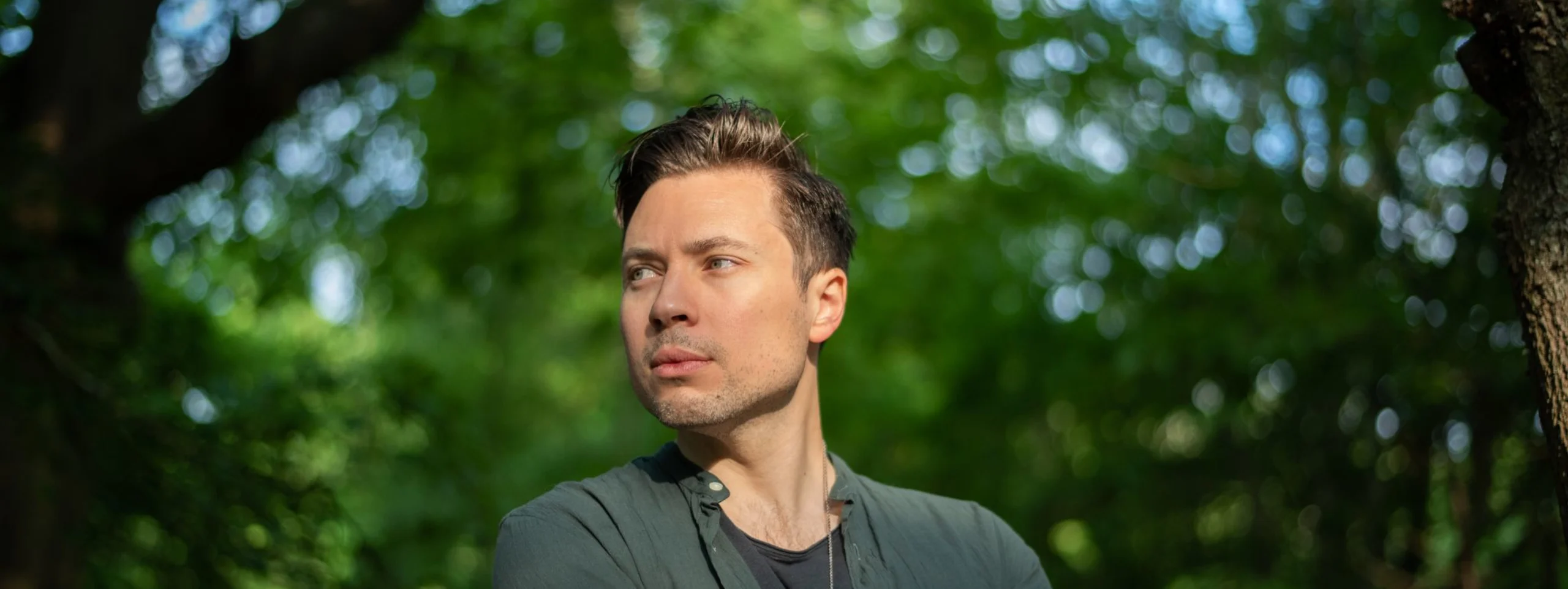
Aspiring for timelessness in music is akin to sculpting songs that profoundly resonate across ages, breaking free from transient trends to become lasting anthems. It’s about weaving each piece with a richness of emotion and genuineness that echoes throughout the human journey. As Tim Green insightfully puts it,
“I aim for sincerity when writing songs and melodies in my music. Something that is truly reflective of me and my personality. And something creates a robust emotional response in me.”
This commitment to authenticity and emotive depth is the cornerstone of music’s enduring appeal, transforming casual listeners into perpetual devotees. It’s about creating melodies and narratives that listeners revisit, discovering fresh significance and comfort with every encounter.
Attaining timelessness is a demanding odyssey. It necessitates an unyielding search for personal authenticity and the bravery to manifest that truth melodically. This humility and acknowledgment that not every piece will echo universally invite an openness in the artistic process, fostering constant evolution and refinement. It’s a pledge to perpetual growth, learning from every melody, performance, and listener interaction. Let’s endeavor to infuse our music with timelessness and embrace the path to it, replete with its uncertainties, lessons, and victories.
For more insights into crafting music that stands the test of time and resonates deeply with listeners, read the full interview with Tim Green here.
Embrace Discipline in All Aspects of Life (Wassu)
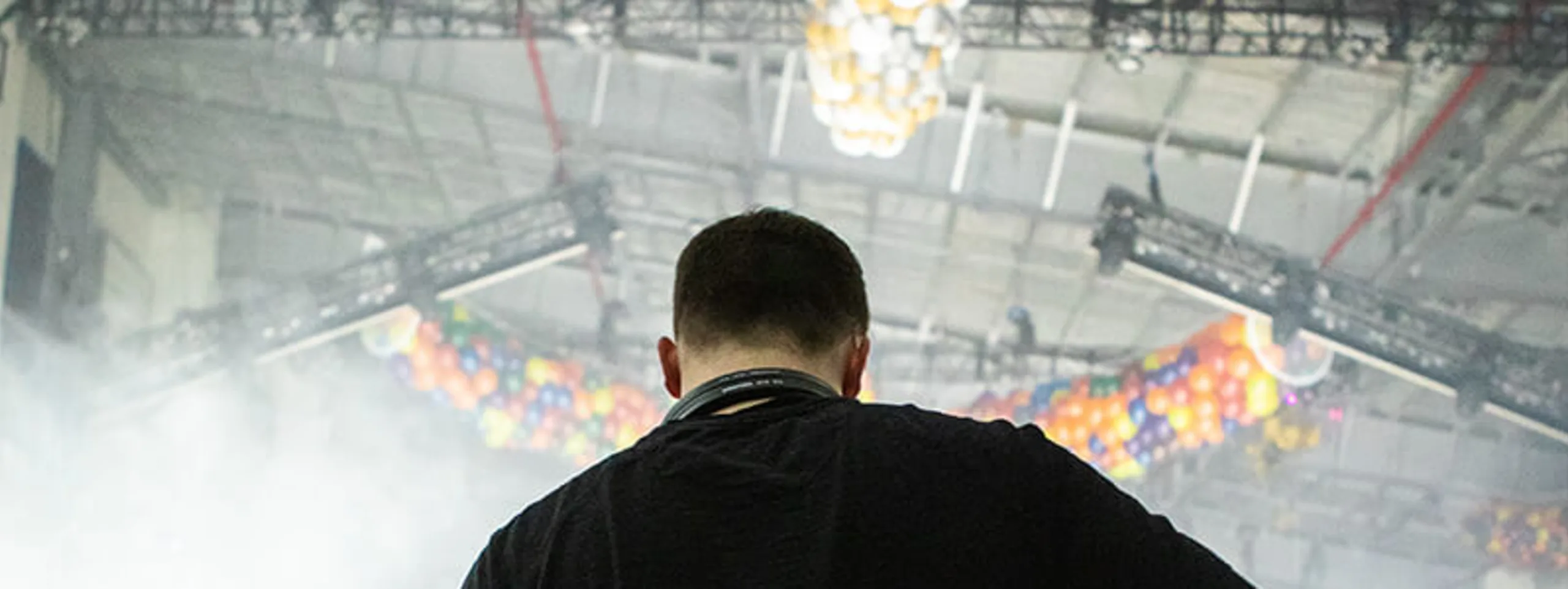
Embracing discipline in all life aspects isn’t merely about adhering to a schedule; it’s about fostering a mindset of unwavering excellence and persistence. Wassu, in his approach, doesn’t view rigorous activities like long-distance running as just a physical endeavor. It’s about the focus, direction, and clarity that energize his aspirations in the studio and in life.
“It’s about compartmentalizing and trying to stick to a schedule,” Wassu states, highlighting the importance of structure in achieving balance and productivity.
This disciplined mindset isn’t confined to physical activities; it permeates the studio, where the same commitment and organization can lead to significant creative breakthroughs. Committing to discipline in all facets of life lays a solid foundation for continuous success and evolution.
Discipline is more than routine adherence; it’s about embracing the resilience and tenacity necessary to chase our ambitions relentlessly. This ethos is particularly pertinent in music production, where the discipline to refine, iterate, and enhance every work facet can significantly lift our artistic expression. It’s about playing the long game, recognizing that each day’s dedication contributes to a broader canvas of accomplishment and satisfaction. Let’s commit to this discipline, propelling ourselves to excel in every endeavor, whether running, composing, or steering through the complexities of life and art.
To delve deeper into the discipline’s transformative power and for more insights from Wassu’s journey read the full interview here.
Connect With Your Music (Spencer Brown)
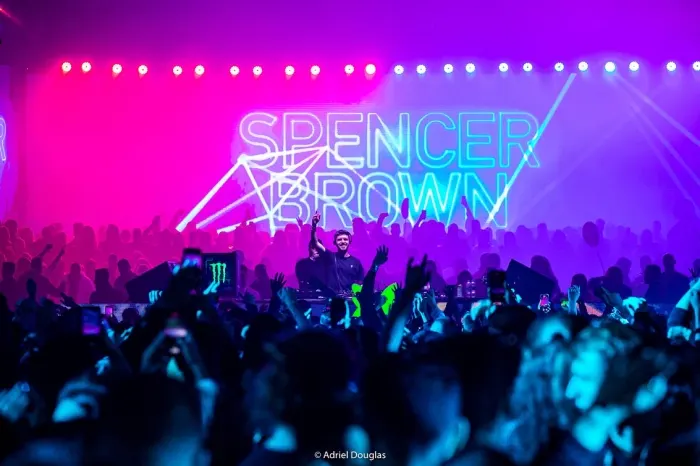
Deepening your connection with your music means more than just understanding its technical composition; it’s about allowing it to become a living part of your daily existence, reflecting and influencing your emotions, thoughts, and experiences. Spencer Brown exemplifies this through his immersive relationship with music, stating,
“I live and breathe music. I’m just living my life constantly with music as the soundtrack.”
This philosophy extends beyond an intimate knowledge of your compositions; it’s about letting them intertwine with your personal story, permitting them to mature and transform alongside you. This year, let’s strive to create music and become one with it, allowing it to become a dynamic, influential force in our lives that guides our perception and articulation.
Furthermore, this deep connection invites us to interact with music holistically, recognizing its role and inspiration in varied forms. It’s about fostering a conversation between the music we create and enjoy, acknowledging that each enhances and informs the other. This symbiotic relationship amplifies our creative instincts and expands our artistic scope. Let’s commit to living intimately with our music, welcoming it as a perpetual partner, a wellspring of inspiration, and a channel for authentic expression. In doing so, our compositions won’t merely be heard but profoundly felt, imprinting an enduring mark on the listener’s soul.
For more insights into fostering a deep, authentic connection with your music, read the full interview with Spencer Brown here.

Magnetic byline note: This byline is used for staff produced updates and short announcements, often based on press materials and official release information. Editorial responsibility: David Ireland (Editor in Chief) and Will Vance (Managing Editor). About: https://magneticmag.com/about/ Masthead: https://magneticmag.com/masthead/ Contact: https://magneticmag.com/contact/