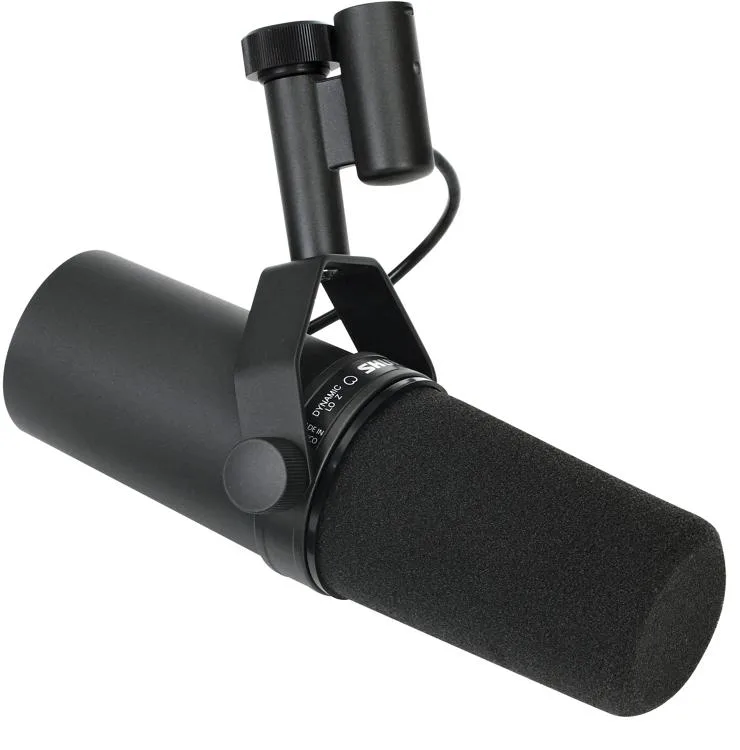
With more and more content being created at home and in smaller creative spaces, the audio world is quickly becoming inundated with entry-level microphones to keep up with the rising demand from musicians, podcasters, streamers, and other content creators. And while some of these newer offerings have proven better than others, the Shure SM7B, initially created and brought to market over two decades ago, remains one of the most popular microphones in the industry.
So we decided it was high time we get our hands on this microphone and use it extensively in the studio and find out whether Shure’s continued success with this mic is just them coasting on a legacy reputation or if it does still manage to be a powerhouse player in terms of quality and reliability years and years after it was released.
So let’s dive into how the Shure SM7B stacks up against other microphones in 2023…
Learn More About This Mic While Supporting Our Team Of Writers With Our Affiliate Partnership With Sweetwater Here
What Is The Shure SM7B?
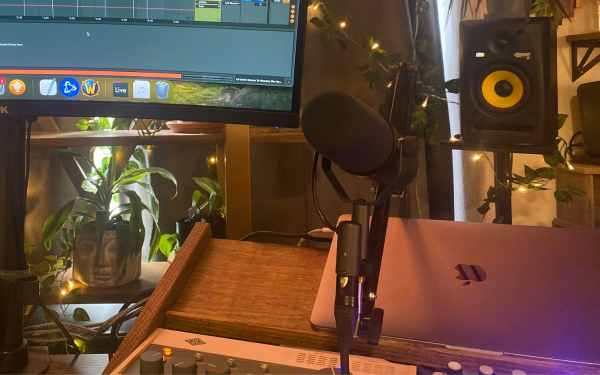
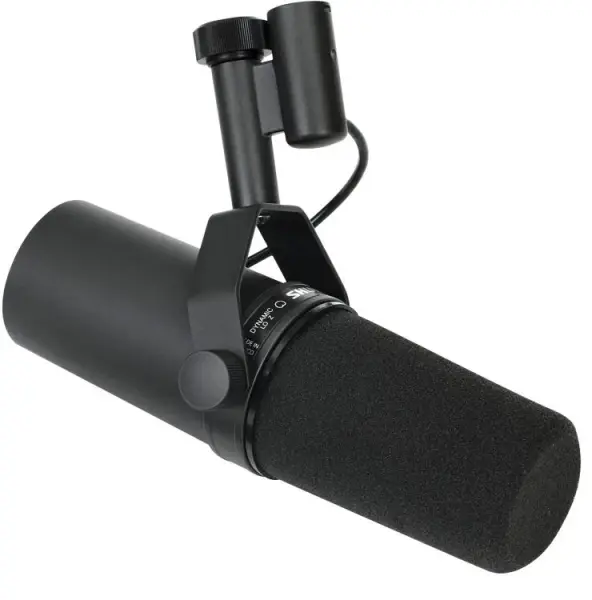
The Shure SM7B, introduced in 2001, is a dynamic microphone widely recognized for its premium construction and reliable performance. With a cardioid polar pattern, it’s excellent at capturing sounds directly in front of the microphone, ignoring off-axis noise. It also includes a pre-installed pop filter and a detachable windscreen to control plosives and fricatives, reducing the need for an external pop filter.
The microphone lets users choose between frequency responses to various recording needs. These include the flat mode for natural audio reproduction, bass rolloff mode for attenuating low frequencies, and presence boost mode for amplifying mids and treble. This flexibility in frequency response, combined with the effective noise rejection, makes it a favorite for clear speech capture and powerful lead vocals.
What I Liked Most About The Shure SM7B
This mic has been an industry standard for over two decades, and it takes a high amount of quality and functionality for any device to stay top dog in such a competitive space. And because listing out every single benefit and boon that the SM7B brings to the table would take up more pages of text than you will likely read, let’s instead dive into the four most standout features that continued to impress me after months of using this in the studio.
Its Sound
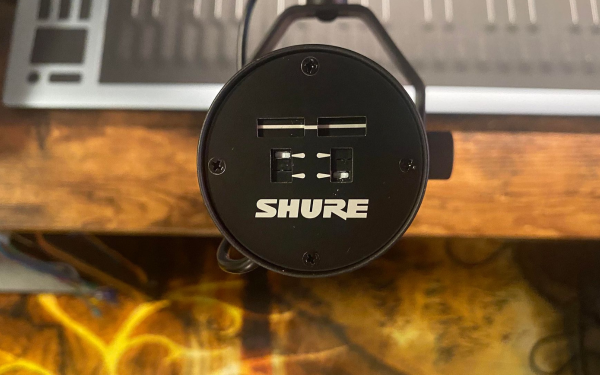
While Shure doesn’t blatantly say that this mic is specifically designed for vocals, there are a ton of bells, whistles, and features that come with the SM7B that give vocal recordings a clear and distinct sound that is easy to fall in love with.
The SM7B’s response covers the entire audible frequency spectrum from 20Hz up to 20kHz. Still, it offers a small-but-noticeable scoop around the low mids that helps remove some of the muddiness and mumble typically seen in your voice around that range. This means that once you get this thing up and rolling, it gives clean and consistent results that sound like you – just better. The mic also gives a gentle coloration to the high-end that helps add extra clarity and presence to vocals, guitars, and more.

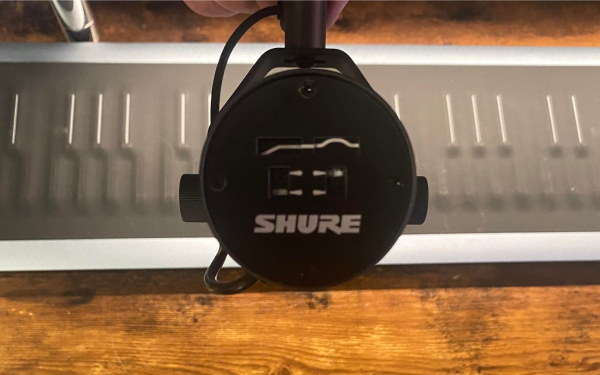
But to add to the versatility in its quality sound, the mic also offers multiple EQ switches that allow you to shape the sound further by either removing the low-end with a gentle rolling off starting around 400Hz which helps remove that often-unwanted rumble and weight mics pick up on vocals. The second offers a better mid-shelf boost around 900Hz-11kHz to help add further clarity to vocals and help that frequency band pop through a mix in a way that sounds modern and professional without any additional processing.
Its Off-Axis Noise Rejection
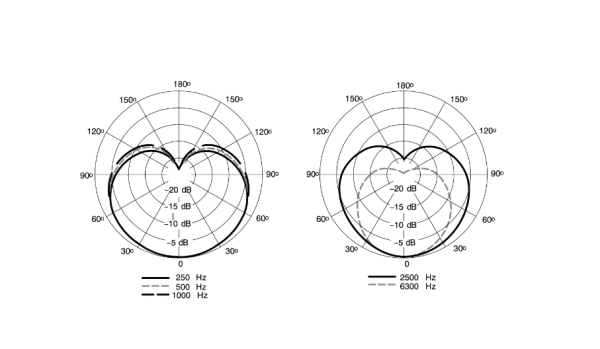
The Shure SM7B is a cardio mic with phenomenal off-axis noise rejection, making it an obvious choice for podcasters who want to avoid the noise bleed from the other interviewees in the room and other clamor that might be going on in the podcast studio or workspace, as it is designed to focus on the audio source directly in front of it, while significantly reducing the pickup of unwanted ambient noise or sound from the sides and back of the microphone. This helps create a clean, focused sound recording by minimizing background noise and emphasizing the intended audio source.
For podcasting, single guitar and vocal tracking, small studio work, and even streaming on platforms like Twitch, the need for focused audio capture is paramount – and in these scenarios, Shure’s directional clarity is unrivaled.
It’s Reliable
The Shure SM7B is one of those mics where 90% of you can buy it once and never have to consider investing in another mic again. Not only is the sound incredibly consistent for years, but its design and build quality are highly durable and withstand more than a bit of wear and tear typically seen in studio work.
And while I have only been using this mic in my studio consistently for the past few months while writing this review, which is not enough time for the health of any industry-standard mic to deteriorate, I did some research. In doing so, I found many SM7B users have been using the same mic they bought a decade ago, and it’s still giving them just as great and consistent results as it did when they first bought them.
Please keep it clean, don’t drop it too often, and this mic will serve you well for years to come.
Its Price
Shure hasn’t changed the price on this mic for a while, and I understand that $399 can be a steep price point for many up-and-coming podcasters and musicians, but honestly, for what you’re getting, this mic is an absolute steal. The clarity of sound, the quality of build, and the versatility that this mic brings into your creative space could easily allow Shure to charge $600+ for it, as it is a mic that belongs in the upper-mid-tier category of pro-audio gear.
But the $399 price tag makes it more widely accessible and could easily be one of the defining factors on why this mic has managed to wiggle its way into the music and podcasting studios of almost every content creator you see.
What I Wasn’t Crazy About
No microphone will be a true catch-all for every need in the studio, and while the Shure SM7B has many awesome things going on in it, there are some things that buyers should consider before snagging this mic. Personally, these were far from deal breakers, but they are worth mentioning.
Its Confined Polar Pattern
The SM7B’s polar pattern makes it incredibly good for capturing the audio directly into it, but it will not pick up much sound or noise from the mic’s sides. While this is great for podcasters, those looking to capture the full sound of the space will lose out on the texture and feel of the environment simply because the mic is only picking up what comes in at its front.
I should note that Shure does not try to hide this fact, and even a little digging into the matter will tell you everything you need to know about different microphones’ polar patterns and its use cases therein. But with a microphone as popular as this, I could see situations where those utterly new to recording assume this mic does EVERYTHING they want and more, which is not the case.
This brings me to my final point…
It Has A Slight Learning Curve
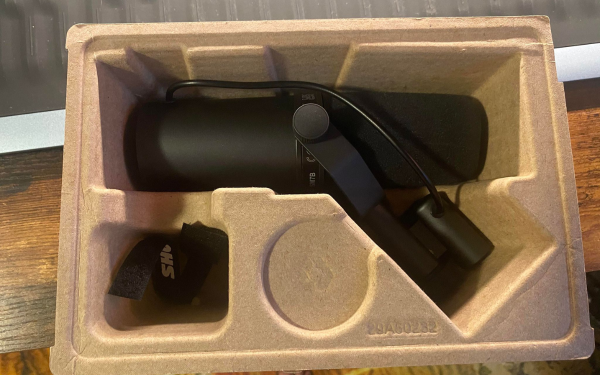
This mic seems incredibly easy to use out of the box, and it’s even easier to assume such after seeing most of your favorite content creators on YouTube and beyond using this microphone daily. But it should be known that to get the most out of this mic; there is a bit of a learning curve if you’re new to the audio world.
The most significant factor new users will experience, aside from its not-so-entry-level price point, will be the main requirements of the Shure SM7B. Which is to say, this mic needs a lot of gains for it to work its magic well, and you’ll need to pair it with a decently powerful pre-amp which would add to the overall cost and complexity for those who want to have a casual podcast with their friends.
That being said, once you have these small initials solved, this is an absolute workhorse of a microphone and is quick and easy to get quality-sounding recordings out of, regardless of what you’re using it on.
Who Is The Shure SM7B For?
Musicians
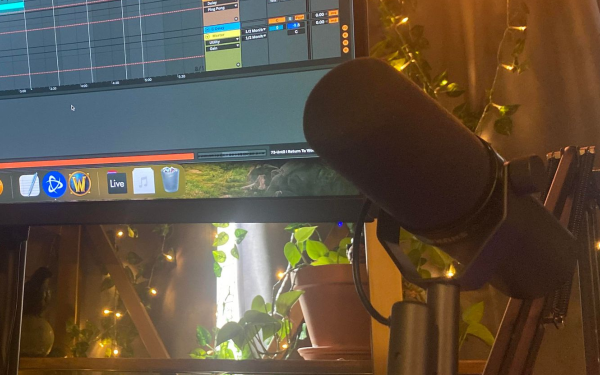
With more and more musicians opting to mix, master, and produce their work themselves instead of investing in expensive studio time, this is an ideal mic to accomplish anything they might need. No, it won’t be able to single-handedly mic up an entire drum mic or record a choral ensemble. But it can cleanly and quickly track an acoustic guitar, vocals, keys, or reamped electric.
VST-Synth-based music has exploded in popularity over the last decade. Still, its influences are the most replicable by the encroaching saturation of AI in the production space, and for any producer or artist looking to stay authentically ahead of the curve, being able to record your real instruments in a small space can easily be what separates you from the myriad of other producers relying on AI to do all of the heavy liftings of music and this mic is the perfect tool to see it done.
Podcasters
This one is easy, as pretty much any podcaster and content creator online uses this mic in their setup. From Jo Rogan to Call Her Daddy and every genre and topic in between, this mic is an ideal mic for podcasters and content creators.
Streamers
Many content creators and streamers you see on sites like Twitch and Kick use these microphones in their setups, often for the same reasons podcasters like Jo Rogan use them.
The Shure SM7B offers both aesthetic and practical appeal. Its professional appearance can elevate the visual aspect of your streaming setup. Additionally, it features a built-in pop filter for cleaner, clearer speech and adjustable EQ switches for customizing sound output. Be mindful, though, this microphone requires a higher gain, so it performs best when used with a robust preamp or audio interface. The Shure SM7B is valuable to any serious streamer’s tech arsenal.
Learn More About This Mic While Supporting Our Team Of Writers With Our Affiliate Partnership With Sweetwater Here
Specs
- Microphone Type:Dynamic
- Polar Pattern:Cardioid
- Frequency Response:50Hz-20kHz
- Output Impedance:150 ohms
- Sensitivity:-59 dBV/Pa
- Low Cut Filter:Bass Roll off
- Color:Black
- Connector:XLR
- Dimensions:7.49″ x 2.5″
- Weight:1.69 lbs.
- Included Accessories:Windscreen, Switch Cover Plate
- Manufacturer Part Number:SM7B

Will Vance is a professional music producer who has been involved in the industry for the better part of a decade and has been the managing editor at Magnetic Magazine since mid-2022. In that time period, he has published thousands of articles on music production, industry think pieces and educational articles about the music industry. Over the last decade as a professional music producer, Will Vance has also ran multiple successful and highly respected record labels in the industry, including Where The Heart Is Records as well as having launched a new label with a focus on community through Magnetic Magazine. When not running these labels or producing his own music, Vance is likely writing for other top industry sites like Waves or the Hyperbits Masterclass or working on his upcoming book on mindfulness in music production. On the rare chance he's not thinking about music production, he's probably running a game of Dungeons and Dragons with his friends which he has been the dungeon master for for many years.