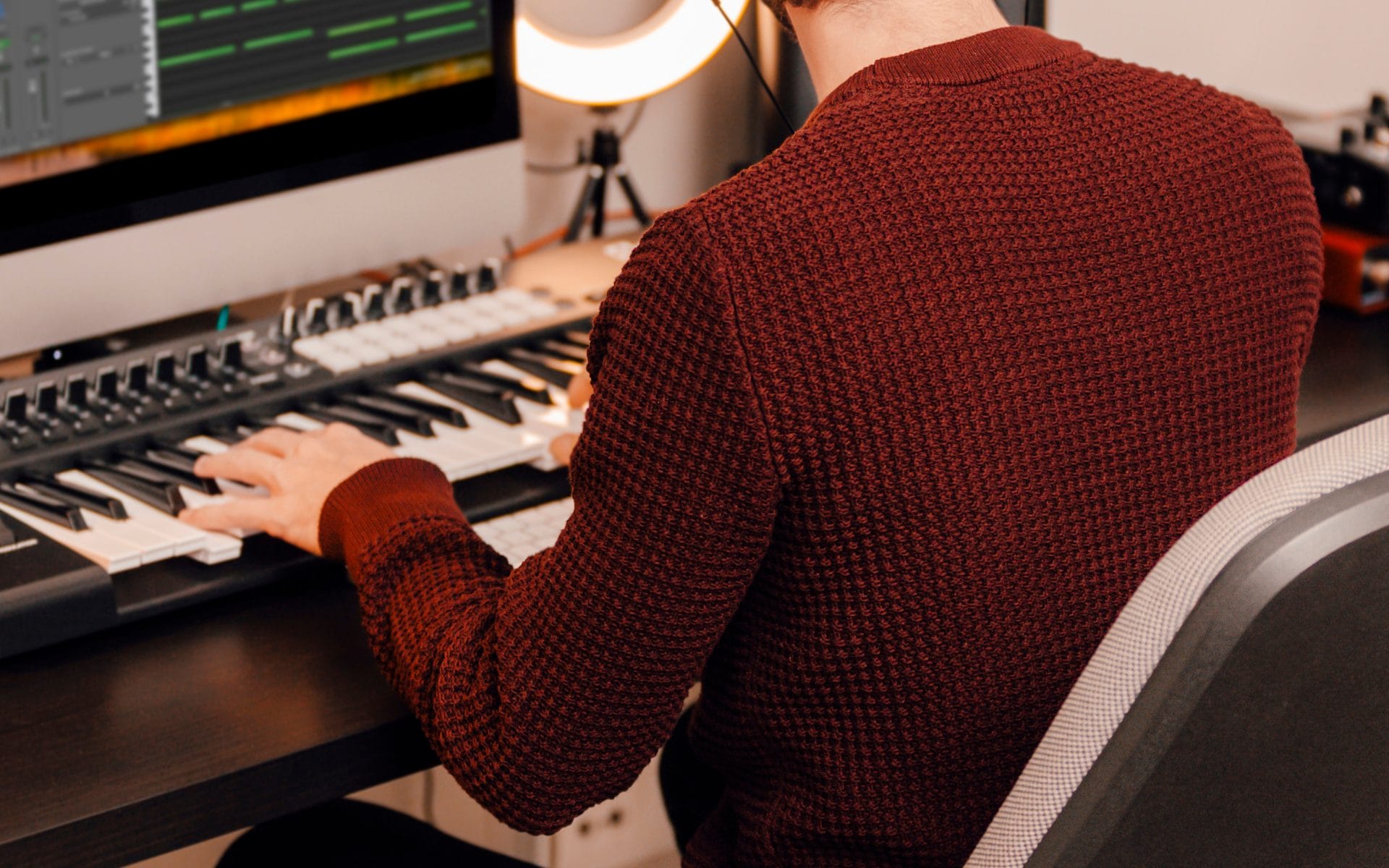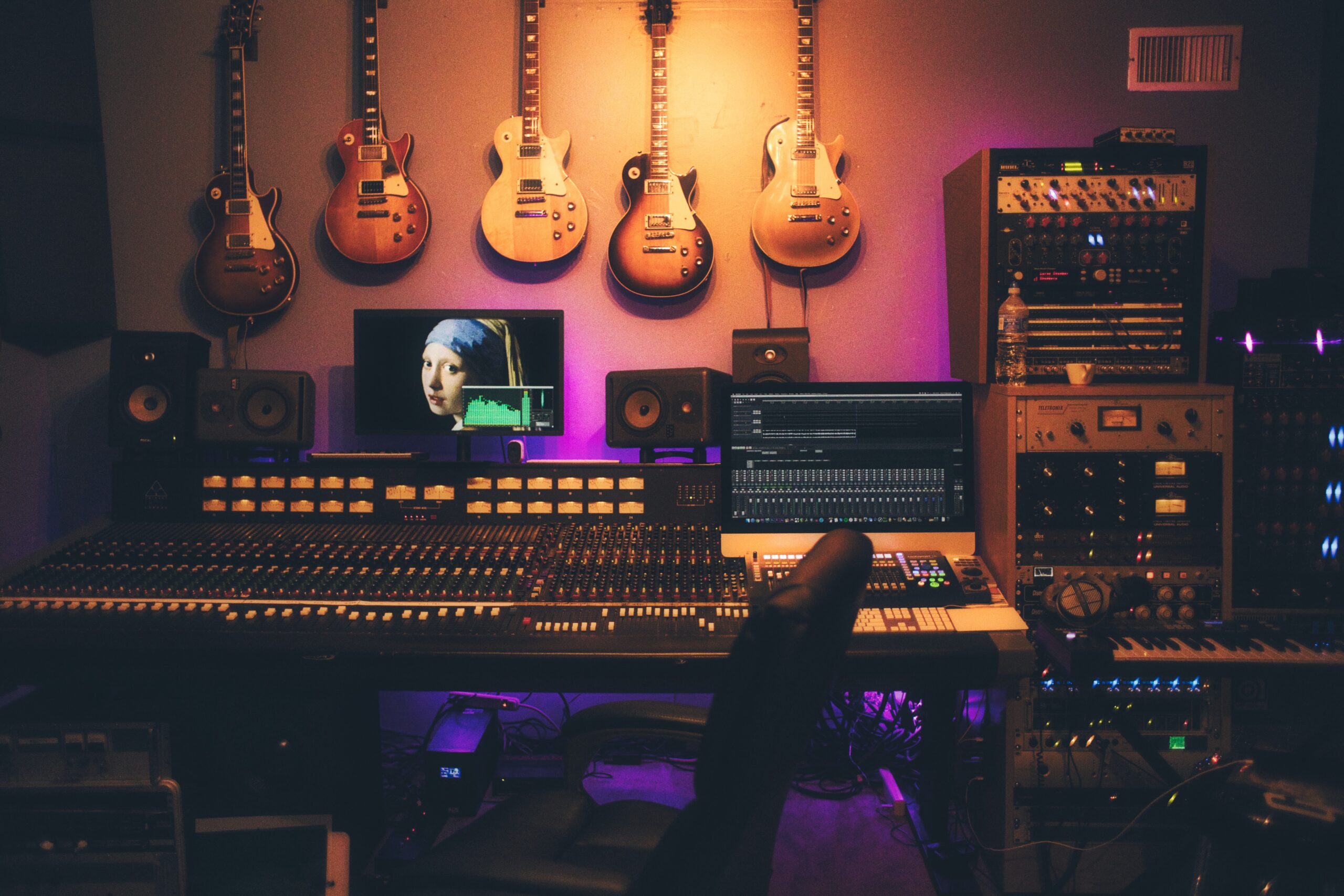
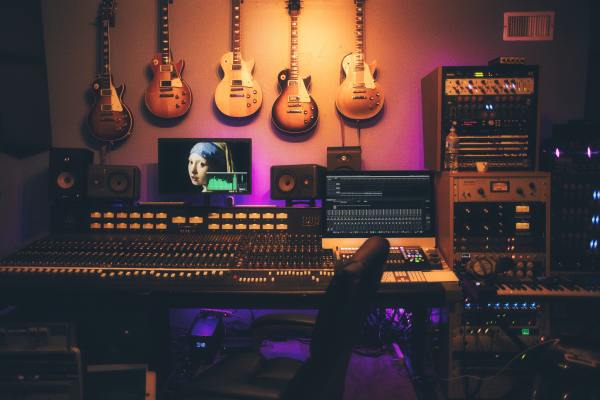
Gone are the days when musicians had to go to professional music studios to rehearse, produce, or record songs. Thanks to a home music studio setup, you can now record music at a professional level from the comfort of your home. In fact, for the past 20 years (and especially the last two years), the affordability and convenience of a home music studio have allowed musicians to produce and record hits. Just the idea of a music studio at home may excite a music enthusiast. But, as a beginner, you may wonder – how can I set up my very own home music studio?
Now you may turn to an experienced musician or a music producer for some tips and tricks on this, but researching and designing your own home music studio has its own fun. If you are seeking ideas on a recording studio design or want to learn the basics of setting up a home music studio, continue reading. This article reveals some tips and ideas on organizing your own home music studios. So, without further ado, let’s get things started!
A perfect plan
The location of the music studio is the priority as it directly affects a certain degree of isolation sounds. Any disturbance from the surrounding environment – be it your neighbor’s house, road trucks, or other street animal sounds – should be blocked to ensure an excellent recording. Be sensible enough to set up your recording music studio. A lower level of windowless locations is a perfect start for recording music and meeting the goals.
Room shape
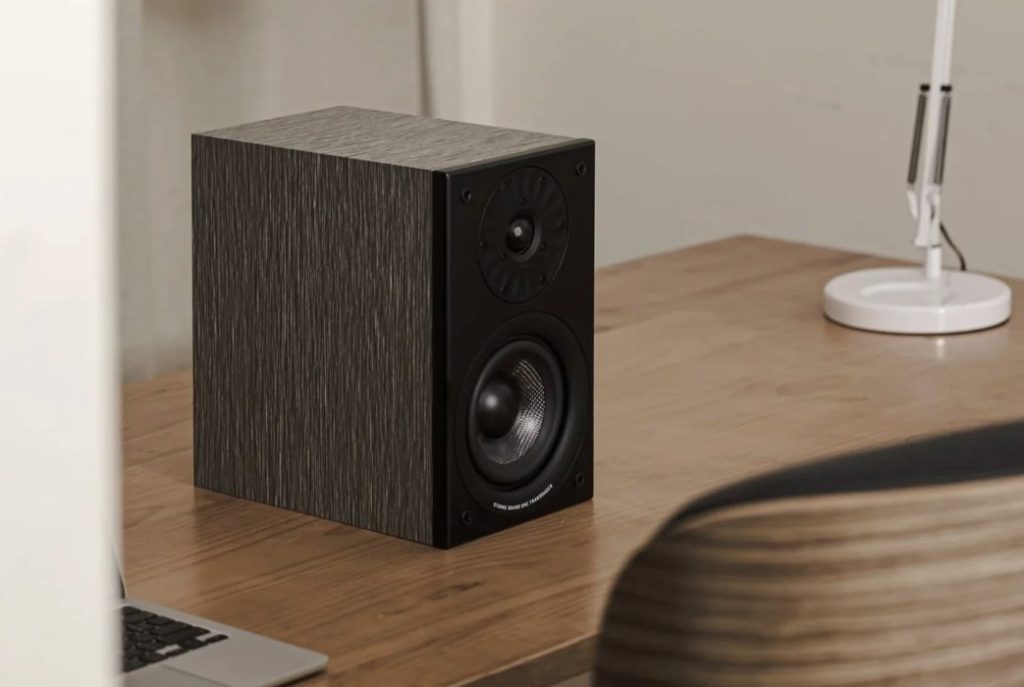
A room shape and proportions should be sufficient for the music to catch scales. There should be ideal proportions of a recording room that supports developing a perfect sound. The room proportion of 1:1.6:2.6 as per height, width, and length are perfect for room acoustics. Moreover, you have to place the music speakers in the right place to get fine tune and sound reflections.
It takes a lot of effort to get a perfect proportion of sound, shape, and room acoustics. Here are some other guidelines for fine-tuning music geometry:
- A large volume is always better for a realistic sound.
- Try avoiding perfect cubes and long narrow spaces with parallel walls.
- Avoid concave surfaces for a music room studio.
- Prefer room dimensions that are not direct multiples of one another as it may disturb the frequencies.
Understand the importance of a perfect room shape. Parallel walls and flat ceilings will result in bouncing sound waves between the wall surface, thus creating an echo effect while recording.
Consideration of the best music room ideas can make a more suitable space for your music record and develop desirable music.
Sound reflection
Hard surfaces usually reflect the sound energy in the space, while soft surfaces tend to absorb it. Sound reverberation and reflection need balanced control. You can adapt to a certain level of reverberation, but it needs added control to avoid sonic nuances.
The sound reflection can be easily controlled through diffusion and absorption techniques. A music room surface should diffuse or break the sound waves to scatter them. Rough surfaces, wood slats, and pivoting panels aid diffusion. Music studio designs should be filled with absorbing materials and diffusion.
Sound absorption
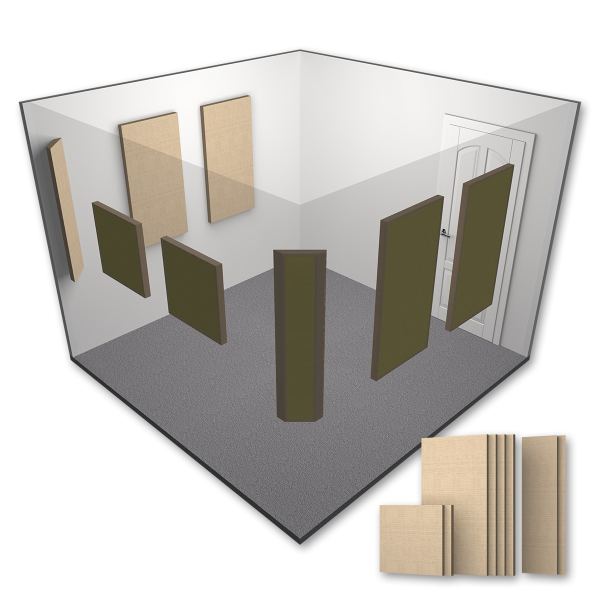
The sound absorption technique is used to reduce sound energy. Rugs, couches, wall hangings, and drapery work quite fine to absorb sufficient sound. It controls reverberation, which may be considered unpleasant at a certain frequency. You can reduce the muddy sound and noise from music with various techniques for sound control.
You can get the egg crate acoustic foam absorbers and cover them with suitable fabric. A colored fabric will make the music room even more attractive, especially with porous plaster finishes. Drywall contributes to the music studio decoration and also absorbs sound to make the music composition clear.
Learn More About Acoustic Solutions Bundles And Treatment Here
Retrofitting and music space construction
There are various types of decoration items available in the market. You can try retrofitting for a perfect music space and acoustical environment. Home studio designs matter a lot as you have to reconstruct the room as per the music record convenience. You can set the design with accurate measurements to fine-tune music with geometric calculations.
Transform the place with adjustable features and add some necessary equipment to your home music studio. You can keep or arrange all the equipment within reach and easily accessible. Know the correct placement of your musical instruments and keep them safely in a particular place. It is quite affordable to organize your music studio set up at home with the right techniques, methods, and instruments.
Tools For Keeping Your Studio Clean
Having been producing in a relatively small space for the better part of the last eight years, I have acquired some pretty useful gear that has changed the game for me and allowed me to keep my studio clean and organized.
Here are the favorite things I have snagged for my studio that help keep it organized and clean, allowing me to focus solely on the creation process.
Macro Max S Air Purifier

This one is a secret game-changer.
Before I brought an air filter into my studio, I was constantly cleaning off all of the dust that had been collected on my laptop and synths. On the surface, it’s just annoying seeing all of your favorite tools accruing a layer of dust. But what’s worst is when that dust starts seeping into the internals of your hardware and starts affecting its performance.
My last laptop suffered from this so poorly that it was actually affecting the typing action of the keystrokes, but having this simple Air Purifier ensures that dust stays out and the air in my room stays clean.
Solaris Slim H3 Heater

Back when I first started producing in college, we lived in an apartment without heating. As such, I got used to producing while wrapping in layers and layers of blankets. When not using the blankets, they were often stored on the bed or in a pile on my floor.
This added more clutter to the floor, caught more wires than I care to admit, and collected further dust. Having a small and, more importantly quiet, a space heater can save you so much space and keep you comfortable no matter what room you’re producing in.
Solaris Slim H3 Heater

These modular wall hangers were mean absolute change changer for my little studio and allowed me to create customized wall racks to hold all sorts of miscellaneous studio gear. I use my Wall Control racks to hang and organized everything from replacement parts for my gear, to chords, to even smaller desktop synths that I am not currently using.
So even if you think your small studio doesn’t have enough storage or places to easily access some of your smaller studio essentials, the Wall Control racks are a godsend.
Hexcal Studio
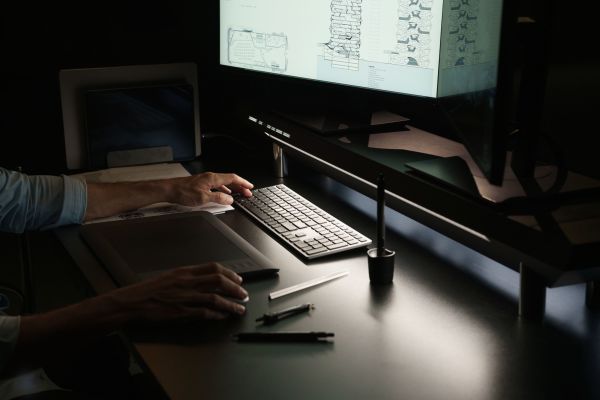
The Hexcal Studio is a game-changer for a few reasons. The first and foremost is that it gets your computer off of the desk space itself, freeing up so much more room for extra studio gear, synths, and coffee cups.
But the amount of utility they packed into this device is next level. It has a ton of cable management slots in the back and even more room inside the Hexcal to help keep your cables tucked away. Out of all of the hassles and issues mentioned about in the body of this article, Hexcal remedies most of them in the fastest and most streamlined way.
Modular Closets

Modular Closets is a great way to instantly add more storage space to your smaller, bedroom studio. Smaller studios’ biggest limitation is their lack of storage as we are often forced to pack everything we want to be organized into whatever closet space comes pre-built in the room. But the Modular Closets allow you to instantly create more storage out of nothing and place it wherever you want in your space.
These are awesome and allow you to build them however you want, which not many other companies on the market are doing these days.

Magnetic byline note: This byline is used for staff produced updates and short announcements, often based on press materials and official release information. Editorial responsibility: David Ireland (Editor in Chief) and Will Vance (Managing Editor). About: https://magneticmag.com/about/ Masthead: https://magneticmag.com/masthead/ Contact: https://magneticmag.com/contact/