All Images Courtesy Of Wharfedale
A bad subwoofer is easy to notice. It makes itself the main character, blooms around every kick drum, turns film scores into a low-frequency mess, and tricks people into thinking more bass automatically means better sound.
A good subwoofer does almost the opposite. It makes the speakers feel larger, gives the room a deeper foundation, adds scale to movies, and lets kick drums land with authority without turning every track into a bass demo. You should notice the system getting better before you notice the subwoofer itself.
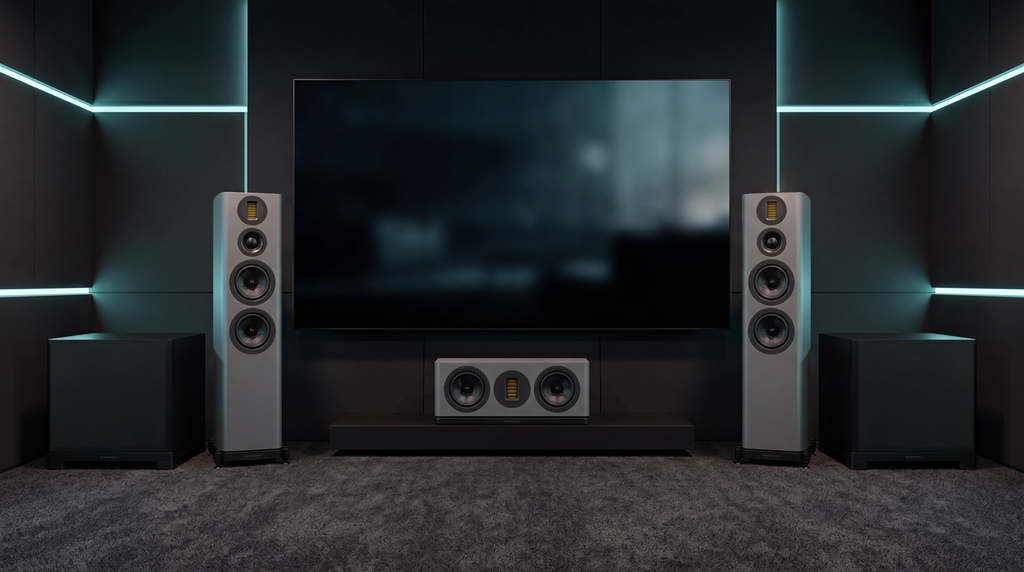
That is the pitch behind Wharfedale’s new NOVA Subwoofer Series.
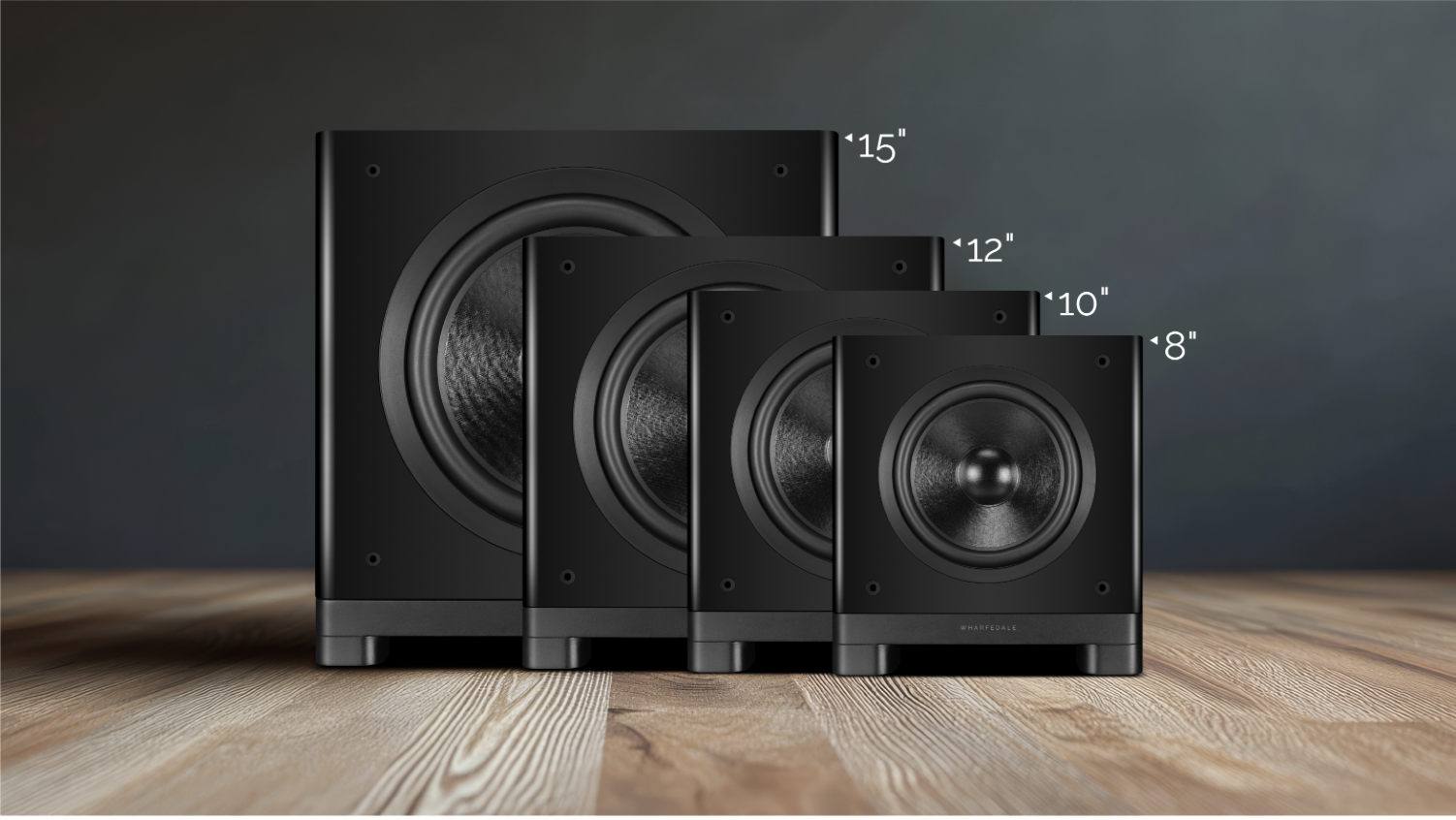
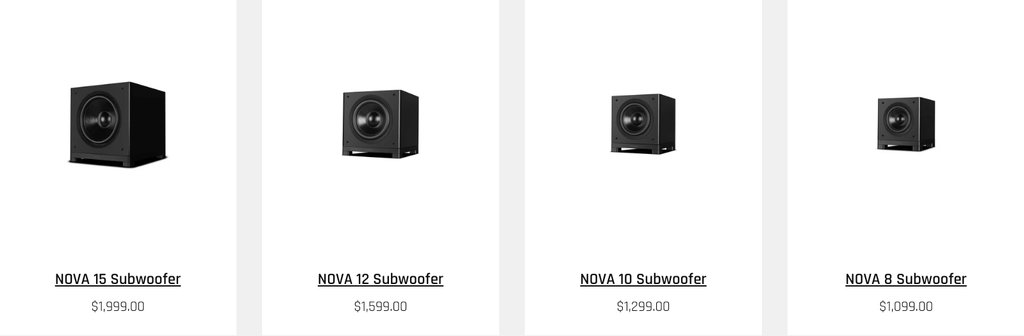
The lineup includes four models: NOVA 8, NOVA 10, NOVA 12, and NOVA 15. Pricing starts at $1,099 for the NOVA 8, then moves to $1,299 for the NOVA 10, $1,599 for the NOVA 12, and $1,999 for the NOVA 15. That gives Wharfedale a clear ladder from compact stereo systems into larger home cinema rooms without forcing everyone into the same cabinet size.
What I like about the framing is that Wharfedale is not selling NOVA as a chest-thump box. The language is about balance, speed, weight, and integration. That is the right conversation to have around subwoofers, especially for people who listen to music as much as they watch films.
I covered a similar low-end question in my piece on PSB’s SubSeries BP7, and the tension is always the same. The sub has to add scale without taking over the system.
NOVA Is Built Around Control, Not Flexing
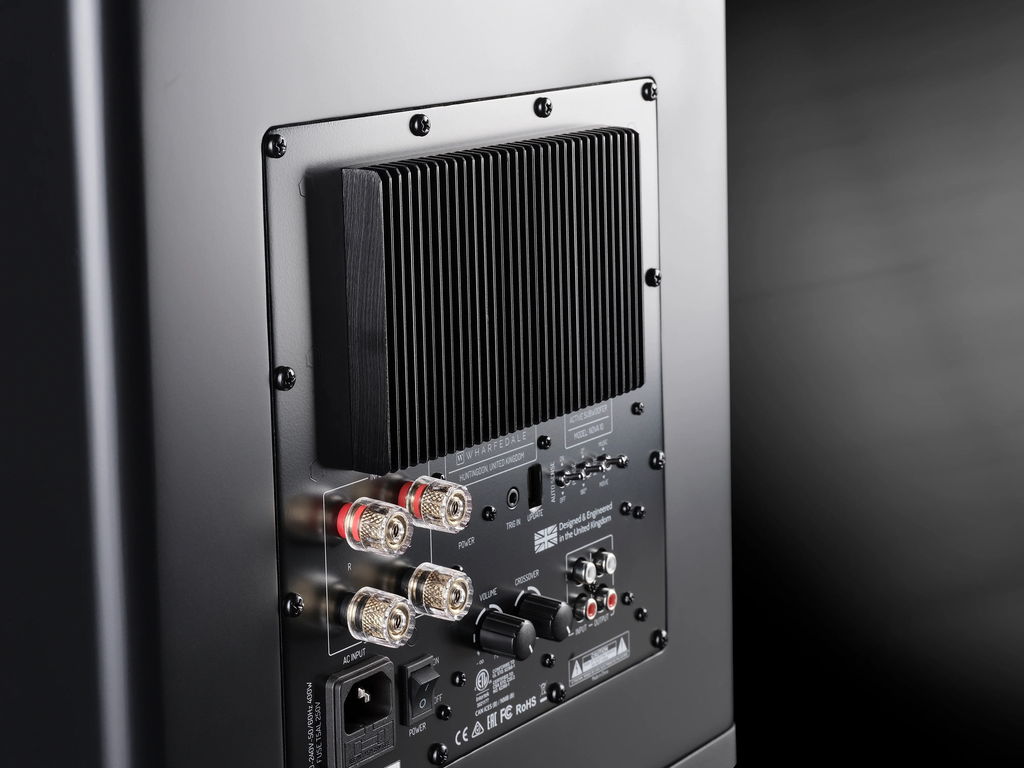
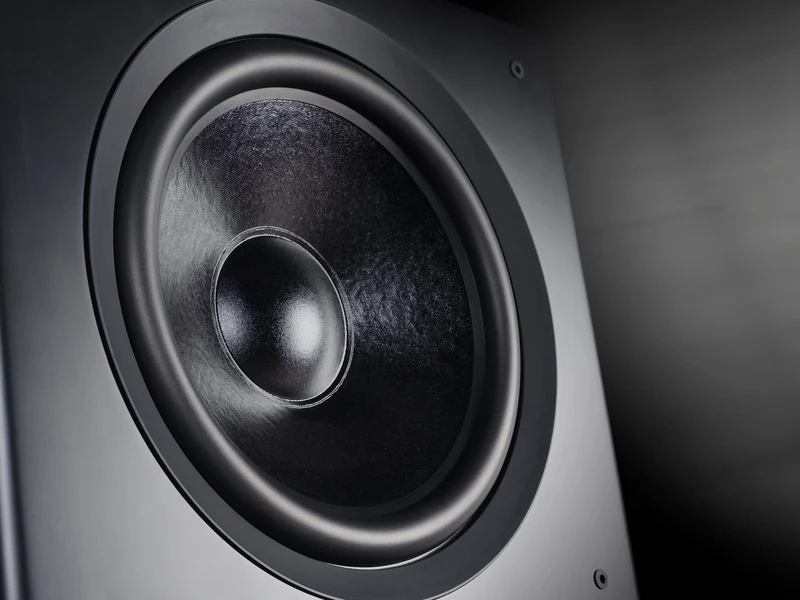
Each NOVA model uses a long-throw driver, a downward-firing Auxiliary Bass Radiator, high-current Class D amplification, and onboard DSP. That combination tells you what Wharfedale is going for.
The long-throw driver handles movement and output. The passive radiator helps extend low-frequency response without relying on a more conventional ported design. The Class D amplifier gives the system power without turning the cabinet into a heat problem. The DSP gives Wharfedale room to tune the response so the sub behaves like part of a system instead of a loose bass generator sitting in the corner.
That last part is the whole thing.
A subwoofer is only as good as the way it integrates. If it is too slow, too loud, crossed over badly, or placed without care, it can make a system less honest. Low end has a way of flattering itself in the room while lying to the listener. You feel the excitement first, then realize a week later that everything sounds inflated.
NOVA seems aimed at people who want low-end extension without losing the voice of the speakers already in the room. Wharfedale’s newsletter mentions pairing NOVA with Elysian, Linton, other Wharfedale models, other brands, or full home theater systems. That is an important point because most people are not building a system from scratch every time they add a sub. They are trying to extend what they already have.
That is where a subwoofer needs manners. It needs to know when to support the main speakers and when to stay out of the way.
Four Sizes Makes the Range Easier to Understand
The smartest thing about the NOVA line may be the four-model spread.
NOVA 8 is the compact option, and Wharfedale positions it for smaller rooms, compact stereo systems, and more discreet home cinema setups. NOVA 10 adds more scale while staying in a middle-ground size. NOVA 12 and NOVA 15 move toward larger systems and rooms that need more authority.
That ladder helps because buying a subwoofer isn’t only about budget. It is about room size, speaker pairing, listening habits, and how much low-end energy the space can actually handle.
An oversized sub in the wrong room can be frustrating. It can overload corners, exaggerate certain notes, and make everything feel disconnected from the main speakers. An undersized sub can run out of authority or feel like it is trying too hard. The right answer usually matches the room and the speakers, not the one with the biggest number on the front.
That is why the NOVA 8 may end up being the sleeper model for many listeners. Small rooms and compact stereo systems often need help below the range where bookshelf speakers start to fade, but they do not always need a giant cabinet dominating the setup.
For people building larger listening rooms or home cinema systems, the NOVA 12 and NOVA 15 are the more obvious plays. They give the range a path into bigger spaces where film scores, electronic music, and low-end-heavy records need more air behind them.
This Is Where Hi-Fi and Home Cinema Meet
The best thing about a well-integrated subwoofer is that it helps music and movies in different ways.
For music, the sub adds foundation. Kick drums gain shape. Bass guitars feel less implied. Electronic low end carries more authority. Ambient and cinematic records feel wider because the room has more information to work with.
For movies, the sub does something more obvious. It gives explosions, engines, impacts, synth drones, and orchestral scores a physical dimension. But even there, the better result is not always louder. It is more convincing.
That distinction matters for Wharfedale because the brand has a long hi-fi identity, but NOVA clearly targets people who want one system to do several jobs. Many modern listeners no longer separate the record room from the TV room. They want one setup that can handle vinyl, streaming, gaming, films, and late-night listening without feeling compromised in every direction.
That is also why the NOVA language around preserving the character of the main speakers matters. If someone pairs a sub with Lintons or Elysians, they probably don’t want the low end to flatten the personality they bought those speakers for in the first place.
I wrote about Wharfedale’s neighboring hi-fi space recently in my Arendal Sound Rosewood Tower piece, where the point was not only performance, but how hi-fi gear sits in a room as an object. Subwoofers have the same issue. Nobody wants a black cube ruining the whole setup unless it earns its footprint.

NOVA Looks Like Wharfedale Filling a Real Gap
Wharfedale has enough speaker history that a new subwoofer range doesn’t need to pretend to reinvent bass. The more interesting angle is simpler: NOVA gives the brand a current, tiered subwoofer family that can sit next to its stereo and home cinema speakers without feeling like an afterthought.
That is what the lineup needed to do.
A pair of Lintons, Super Lintons, Elysians, Dentons, Diamonds, or another speaker brand can all benefit from low-end support if the room and setup call for it. But the subwoofer has to feel like an extension of the system, not a separate personality fighting for attention.
NOVA’s long-throw drivers, passive radiator design, Class D power, and onboard DSP all point toward that goal. The four sizes make the range easier to match to the room. The pricing keeps it in serious-but-not-absurd territory. The whole thing feels like Wharfedale trying to make bass feel grown-up.

Will Vance is a professional music producer who has been involved in the industry for the better part of a decade and has been the managing editor at Magnetic Magazine since mid-2022. In that time period, he has published thousands of articles on music production, industry think pieces and educational articles about the music industry. Over the last decade as a professional music producer, Will Vance has also ran multiple successful and highly respected record labels in the industry, including Where The Heart Is Records as well as having launched a new label with a focus on community through Magnetic Magazine. When not running these labels or producing his own music, Vance is likely writing for other top industry sites like Waves or the Hyperbits Masterclass or working on his upcoming book on mindfulness in music production. On the rare chance he's not thinking about music production, he's probably running a game of Dungeons and Dragons with his friends which he has been the dungeon master for for many years.