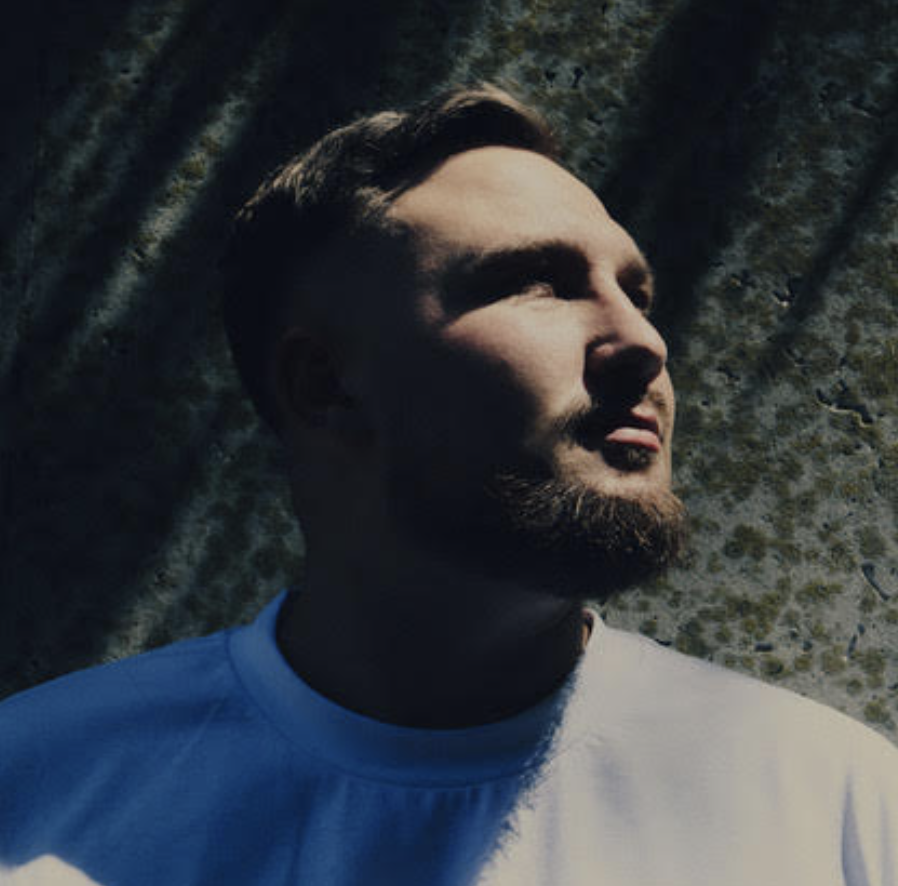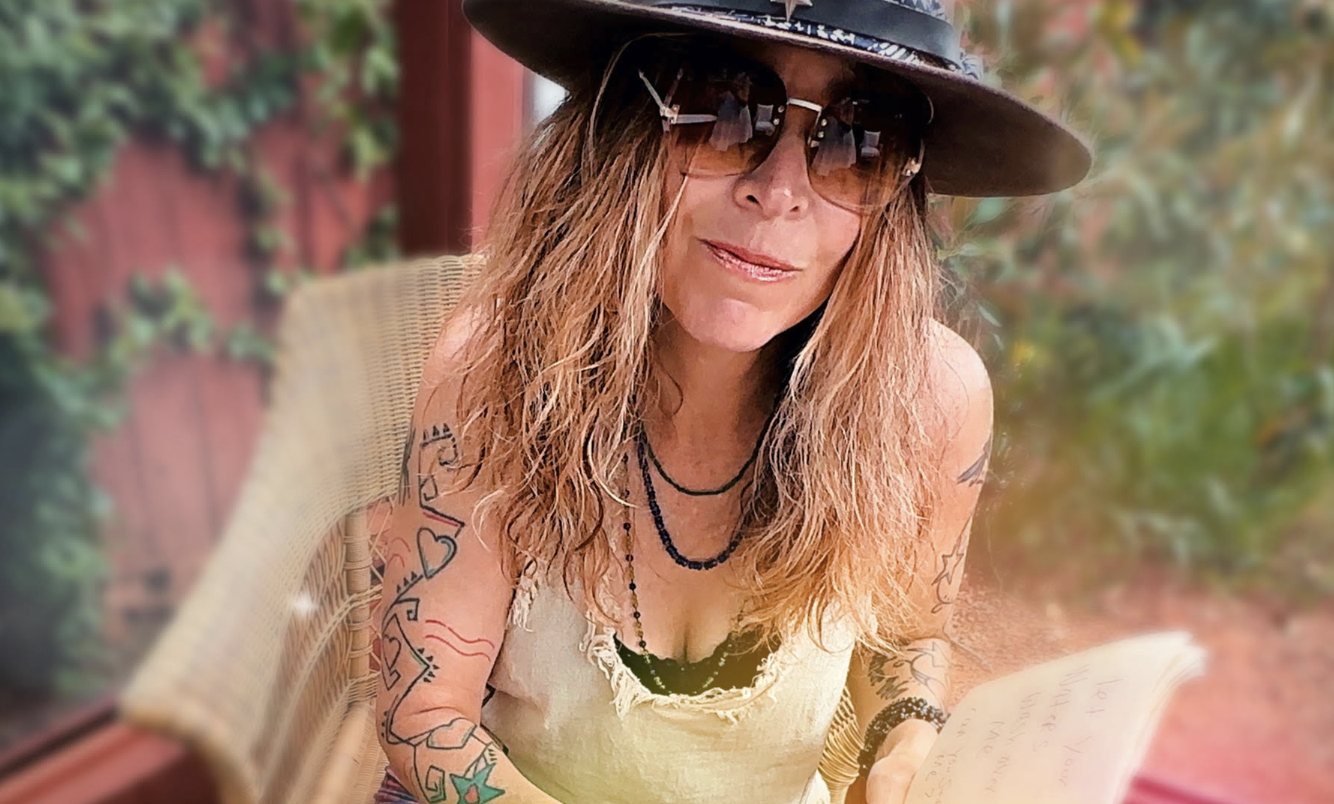
Some spiritual language can flatten a record before anyone gets to the song. It gets too abstract, too soft around the edges, and suddenly the music starts sounding like it exists to explain an idea instead of making you feel one. Starry Venus’ “Do You Feel It” uses a lot of language around energy, embodiment, Venus, Sedona, connection, and the unseen, but the record is more direct than that list suggests which explains why it recently took the #12 spot on the UK’s charts and is also charting on Beatport as well!
It is asking the body to answer before the brain starts sorting everything into categories.
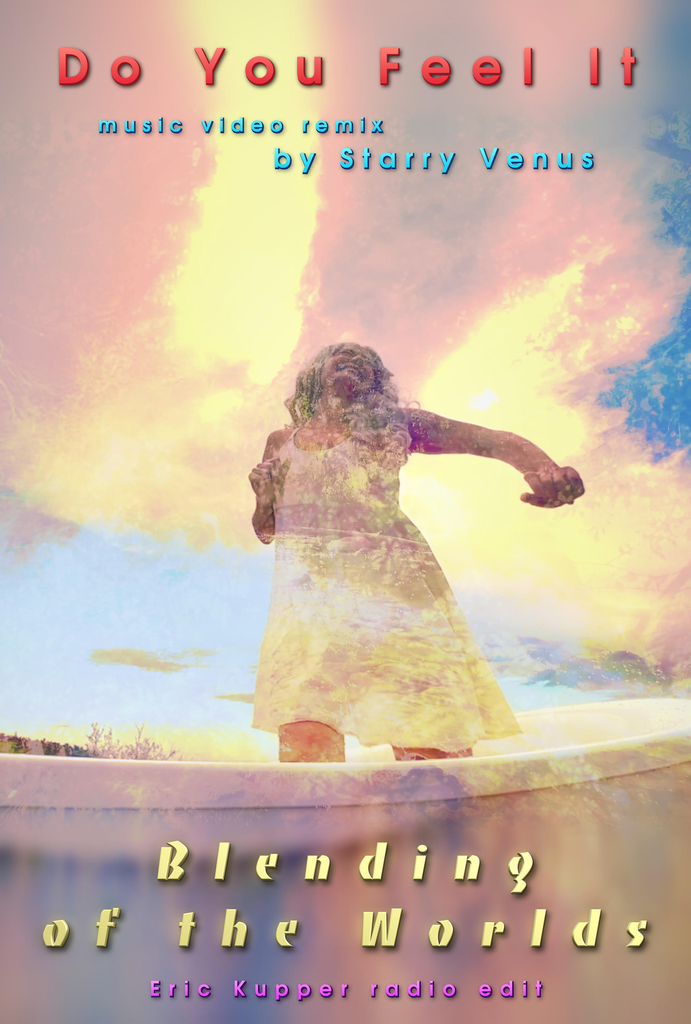
That becomes clearer in Eric Kupper’s remix, which turns the original into a higher-energy dance record without losing the song’s emotional center. The new video, “Blending of the Worlds: Do You Feel It remixed,” pulls footage and visual language from the original “Do You Feel It” video and the Eric Kupper Remix video (which you can watch further down), then edits those worlds together over the radio mix.
The result is Starry Venus, using the remix format to make different versions of the same self meet inside one piece.
That idea aligns with how she talks about Sedona, dance, filmmaking, and the role of feeling as a choice rather than a mood that arrives on its own.
In the interview below, Starry Venus talks about the first impulse behind “Do You Feel It,” why Kupper’s remix felt right, how the video language changed around the song, and why she wants the work to encourage people to get back into their bodies instead of only thinking their way through the moment.
Interview With Starry Venus
What first prompted you to write “Do You Feel It,” and what did you want that question to mean to someone hearing it for the first time?
The “do you feel it” impulse came from my experience here in Sedona. It’s a love song to what I feel when I go out to the land or sit under the stars, which are incredibly powerful. There’s a presence that people visit Sedona for. Actually living here opened up this otherworldly intensity, and that feeling became a very clear, personal connection to the energy of Venus. Not just Venus the goddess. Venus as an energy.
There was a very specific experience I had years ago, on a trail, with the sun setting during some kind of wild astrological Venus conjunction. I looked out and watched the sunset, and there was this huge rainbow around the sun, full, like something out of science fiction, except it was reality, and I was watching it on my walk.
I felt this new energy come through, like a stream of intelligence, a stream of a way of being that I understood and felt in a way I had not before. From that point, I started to have a very personal relationship with this connection to Venus, to that energy and light, an immersion that is not through words or ideas or myth or history. It is something that starts coming through and integrating, and I became more whole, at least as a soul, through that experience and through continuing to have more and more of it here.
A couple of years after that experience, I had an electric handpan sitting around, and that is when the song started. I always had the intention to turn “Do You Feel It” into a dance song too, because I feel there is a very powerful energy in that connection to our earth, to our embodiment, to the full, unlimited expression of our humanity.
So when I ask, “do you feel it,” what I am really asking is, do you feel yourself? Do you feel it in yourself? It is the mystery beyond what is spoken, beyond what is said, something that cannot fit into any label, box, or identity. It is limitlessness. It is not a question that has a definitive answer. It is a question that ideally evokes an experience, and that experience goes back to things I have felt here in Sedona that are beyond cosmic: connecting to a full, embodied consciousness and a freedom of being.
You describe dancing as a way to reconnect with your body and surroundings. Was there a particular experience that informed that idea?
I am not sure I can limit it to one particular experience, but I would say it is a particular choice to say yes to those moments when they are available, and to go into those spaces.
Some of my earliest times going out and dancing were in clubs where everybody was there, connecting to the music, letting go, expressing themselves, and being free without digital devices in the way or much distraction. It was just this energy happening, based in absolute freedom of expression.
I have had those experiences, and sometimes my mind will try to get in the way, or I will make an excuse not to go, but every time I do go and get connected to the music, especially when it is really good music, there is something about it that becomes a world in and of itself.
It can be very liberating to allow yourself to expand, let go, and move to the beat, surrounded by music and people, without having to talk or do anything. No drugs, nothing like that. It is just getting into an aesthetic kind of space, allowing myself to receive the music and connect in whatever way feels authentic. That is the particular experience: finding that authenticity and being free with it. That is the beauty of dance and dance music.
What did you hear in Eric Kupper’s work that made you want his interpretation of this song?
Eric has this beautiful, organic way of putting all the different layers together. You can hear his musicianship, and you can hear that he has an ear for things that is sensitive and subtle, even within dance music.
I am attracted to that sensitivity coming through in the way he composes his remixes. There is an organic rawness he gets into the work, and I think that is why people really respond to it: excellent musicianship, an excellent ear, and an excellent sensitivity to the song itself. You can experience that in almost all of his work. It is like a breath of fresh air, an openness that really works.
I think part of the connection is also in the sounds themselves. I play synthesizers in a very organic way, and I really appreciate that same sensitivity, that same breath and approach that comes from something really human.
His humanity comes across in his work, and I am drawn to that because he has this ability to take a song to exactly what I was hoping would happen while maintaining the sonic integrity of where the root experience is being created from. For me, that organic field is where all of it comes from first.
Did the video concept exist before you heard the remix, or did something in his version suggest the film’s direction?
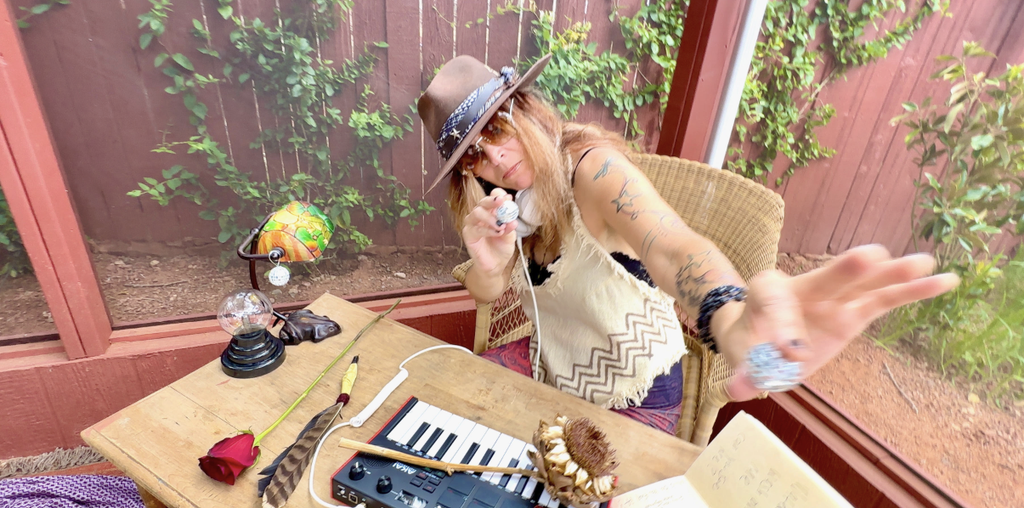
I had made a video for the original song, so I did have some idea, some vision I was working from, one of the pillars I would carry forward. I knew there would be some aspect of that in the remix video that I would want to expand on, but I do not know exactly how it is going to show up until it is actually being created, and they kind of create each other from there.
What is really interesting is that it starts to happen when I am editing. I get my footage, and I have an idea, but the remix and what is happening in it inform the editing process, and that creates its own kind of magic I cannot predict.
I love that part, because it is like playing music. I do not have an exact plan for how I am going to edit it. I am responding to the remix with the footage I have gotten, and the way I am editing it is like playing an instrument, except I happen to be editing a video instead of playing a synthesizer.
Sometimes I will not listen to the music at all while editing, and sometimes I absolutely do and really craft around it, but the remix informs the pacing and the way it all comes together. That unpredictable part is where the magic is, and in that way, they do inform each other.
What did making Starborn teach you that you applied to this video, and what did this production ask you to do differently?
Starborn taught me to trust my instincts, trust my vision, and trust how I know how to direct people in the moment. It showed me what is possible in 90 seconds, which was fascinating to see happen and to have taken seriously as a film. That gave me a lot of trust in my own process.
With this one, I am not sure I did anything fundamentally different. My approach as an artist, as a filmmaker, is not different piece to piece. What was different is the piece itself: this was not 90 seconds, it was six minutes, and it was important to me that this come across as a film, not just an abstract piece of experimental work.
I really wanted it to be taken seriously as a short, art-house type film that gets the concept across. That made me think more about every aspect, maybe more than I have before, so everything in the video is very intentional. It is experimental, but it is intentional. All the layers, all the edits, everything, while still working from the place of knowing that if I do what I did with Starborn, it is going to come across.
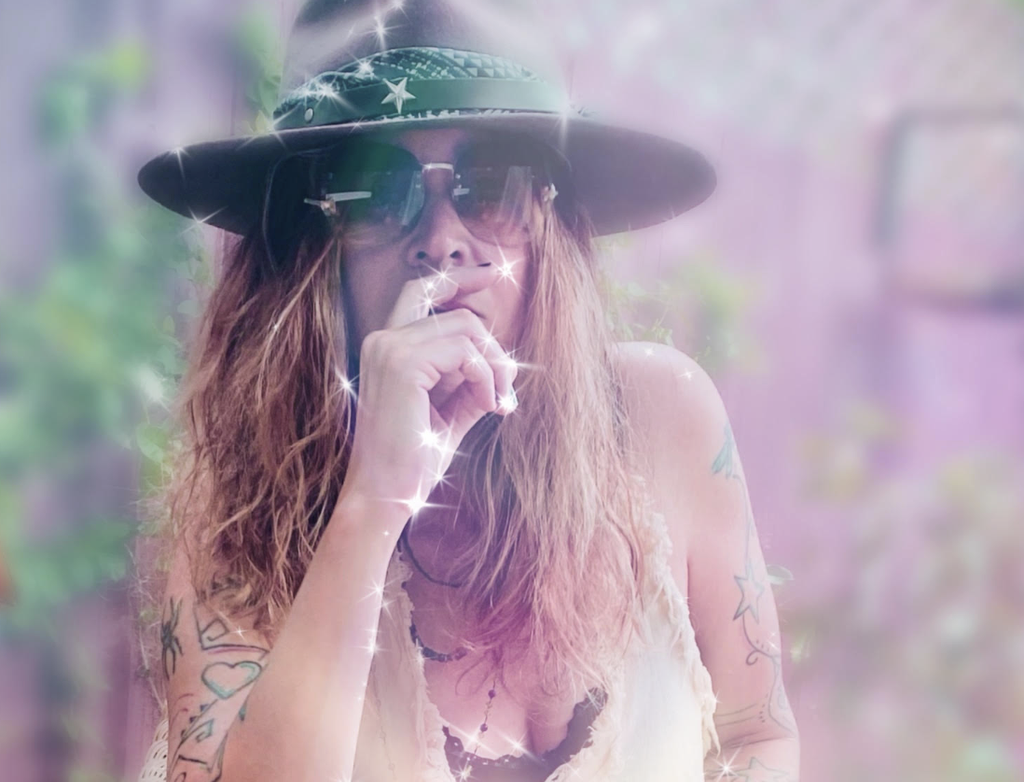
After someone watches “Do You Feel It,” what conversation or action would you most like the film to encourage?
Ideally, besides sharing the work and listening to the song, maybe playing it somewhere and dancing, I hope people just feel it.
I hope it encourages this idea of seeing the connectedness in our reality, in our world, in the events and things happening around us, and in the choices we all have to make every day. We all have things we have to get through, things we are witnessing that can be challenging, and I hope watching it brings even just a little bit of wonder, joy, or connectedness, enough to know, “I feel more connected right now,” and to see how everything is working together even in the middle of challenges.
I hope it evokes a sense of “I am empowered right now to feel it, whatever I want to feel, and I am allowed to feel it.” By feeling and being connected, that is part of my message, and a lot of my work: that is how we heal each other, ourselves, and our environment, especially as we are clearly going through a lot of changes and destruction in the world, things that can be shocking to witness.
I hope it encourages that wonder, that joy, that multi-dimensional connectedness, that spark, and the understanding that choosing to feel it is an act of empowerment you can have anywhere, anytime, not dependent on the song itself.
The video suggests that visually too. It is not linear; through the editing, the pacing, and the layering, I am hoping to activate something, so you do not need anything else. You just watch it and get a little something going that you can carry with you to make yourself and your environment better.
The more empowered we are in feeling it, the more power we are creating in the world to get through these experiences and come out the other side transformed, healing, connected.That is the part that keeps the concept from floating too far away from the music. The song is about feeling, but the remix gives that feeling a practical job. It asks the listener to move. It puts the idea back into rhythm, breath, muscle, and physical permission.
Closing Thoughts
The useful tension in “Do You Feel It” is that Starry Venus works with language that can easily become too abstract, but she keeps pulling it back to the body. Sedona, Venus, energy, consciousness, connection, and empowerment all shape her framing, but the song isn’t asking the listener to agree with a theory. It is asking whether they can feel something happening in themselves.
That is why the Eric Kupper remix matters. Kupper has a long history inside dance music, and his remix gives the song a more immediate physical function. It takes the core question and pushes it toward motion. Starry Venus hears humanity in his work, and that is a useful description because the remix does not treat the original like raw material to overpower. It gives the song more speed and more lift while keeping the root feeling intact.
There is a natural link here to Eric Kupper’s Magnetic feature on Frankie Knuckles, because Kupper’s remix language connects to a lineage where dance music is built for more than escape.
It is built for contact, release, memory, and a certain kind of shared physical intelligence that happens in rooms when a record is doing what it is supposed to do.
That connects with Deniz Reno’s interview on visual art, emotional timing, and dance music. Reno talked about reading the room and using sound to pull people out of their heads.
Starry Venus approaches that from a more cinematic, spiritual angle, but the endpoint is close: music becomes a way to reconnect with the self by going through the body first.
The video side also gives the piece more reason to exist than another standard remix rollout. “Blending of the Worlds” takes footage and concepts from two official videos and turns the radio mix into a meeting point. That matters because Starry Venus is clearly not treating visuals as secondary content. The video is part of the composition. The edits, layers, pacing, and color do the same kind of work as the synths and vocals in the track.
That puts her in conversation with other artists who treat electronic music as part of a wider visual language. Modapit’s interview on multi-dimensional electronic artistry comes to mind because that project also framed music, visual world-building, and performance identity as connected parts of one larger system. Starry Venus operates in a different emotional register, but the impulse is similar: the song doesn’t end at the audio file.
Her answer about Starborn is also telling.
Making a 90-second microshort taught her to trust her instincts, the image, and her directorial decisions in the moment. With “Do You Feel It,” the canvas is longer, more layered, and more explicitly tied to the music, but the lesson carries over. The experimental side only works because the choices are intentional. That distinction matters. Random layering can look busy. Intentional layering can feel like a language.
The larger takeaway is that “Do You Feel It” is not trying to make the listener understand Starry Venus’ experience of Sedona exactly as she experienced it. That would be impossible, and the work would probably be less interesting if it tried. The better move is that she turns the experience into a question. Do you feel it in yourself? Do you feel connected? Do you feel allowed to move, change, open, dance, or simply notice what is already alive in the room?
That question gives the song and video their best entry point.
You do not need to share every part of her cosmology to understand the invitation. The work is asking for attention, movement, and a little less distance from your own body. For a dance record built out of a personal spiritual experience, that is probably the most grounded place it could land.

Magnetic byline note: This byline is used for staff produced updates and short announcements, often based on press materials and official release information. Editorial responsibility: David Ireland (Editor in Chief) and Will Vance (Managing Editor). About: https://magneticmag.com/about/ Masthead: https://magneticmag.com/masthead/ Contact: https://magneticmag.com/contact/