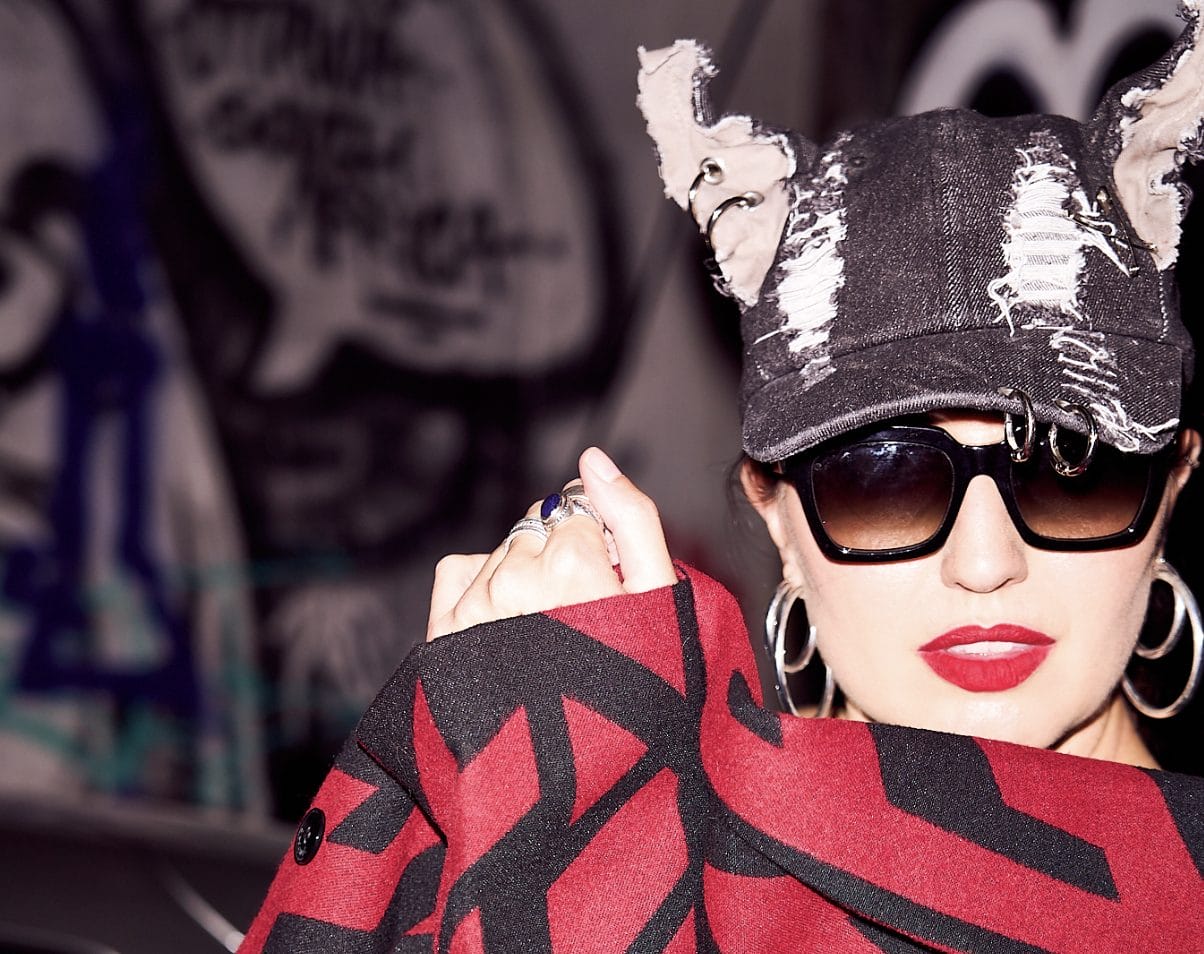
Image Cred: Fred Abramov
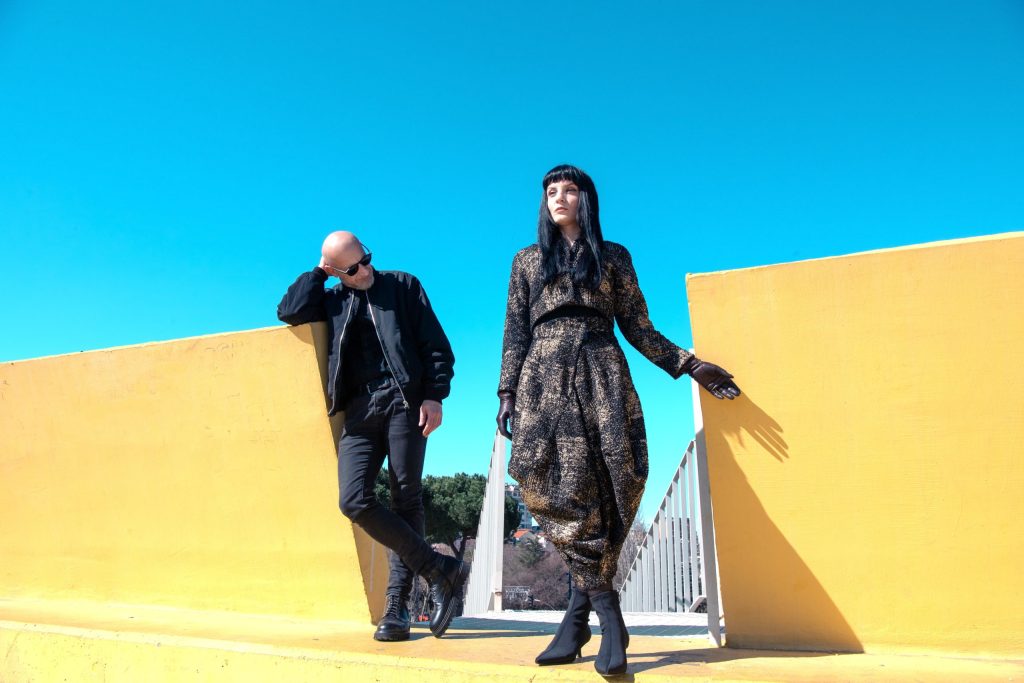
Deniz Reno (@denizreno) enters this conversation through the So Real EP, a new collaboration with Enoo Napa and Phila De Giant on My Other Side of the Moon. The Canadian singer-songwriter, producer, and DJ comes into the release with a practice shaped by songwriting, DJing, live vocals, visual art, and a steady habit of looking outside music for new input. That wider frame gives the interview its point, because Reno speaks about dance music as something built from real experience, close observation, and a strong read on what a room needs.
That perspective runs through the full exchange. Reno talks about psychology, travel, film-set work, and classical music as sources that feed her sets and productions, and she ties that same outlook back to the writing behind So Real.
What comes through is an artist who treats selection, performance, and songwriting as connected parts of the same practice, with curiosity and lived experience doing much of the lifting.
Interview With Deniz Reno

What interests outside of music keep your perspective fresh?
Besides music, I have always been heavily immersed in visual arts due to multiple generations of my family being artists and sculptors, so it came with the DNA. For the past 14 years I have created art pieces and worked on sets for film and television productions like Suicide Squad, Shazam!, for Netflix, Amazon and other streamers.
I travel a lot and I find the combination of making physical works of art and seeing new places and interacting with interesting people from all walks of life contributes in positive ways to my music production. I also started a blog where I interview fascinating people from various industries and at the top of their game
TheFearlessNomad.com . All these hobbies and interests create an endless pool of inspiration for sonic narratives.
Has exploring another discipline ever influenced how you approach DJing?
I’ve always been fascinated with psychology and ‘alternative’ spiritual practices like sound healing etc.
When I started DJing I felt that learning about these two disciplines gave me an entirely new perspective on how music compositions and sound affect people. It also gave me the tools to really understand and mould the audience’s experience on a very visceral level.
When I play, I tap into the energy of the room, I watch and feel every person I can see from the booth and I work on pulling them out of their minds and connecting them with their body and soul so to speak. My approach to DJing is a bit shamanic in that sense, I hold space. I pay attention to what the room needs and responds to and facilitate that experience. Music heals people and psychology and the understanding of these practices helps me act as a conduit for that. I’ve headlined sets before in venues where I’ve ended up playing for 4 – 6 hrs instead of 2 because that’s what the room wanted, and the promoters were like ‘hey if you want to continue go right ahead’. Those nights we’d just go off
Do you see parallels between DJing and other creative practices?
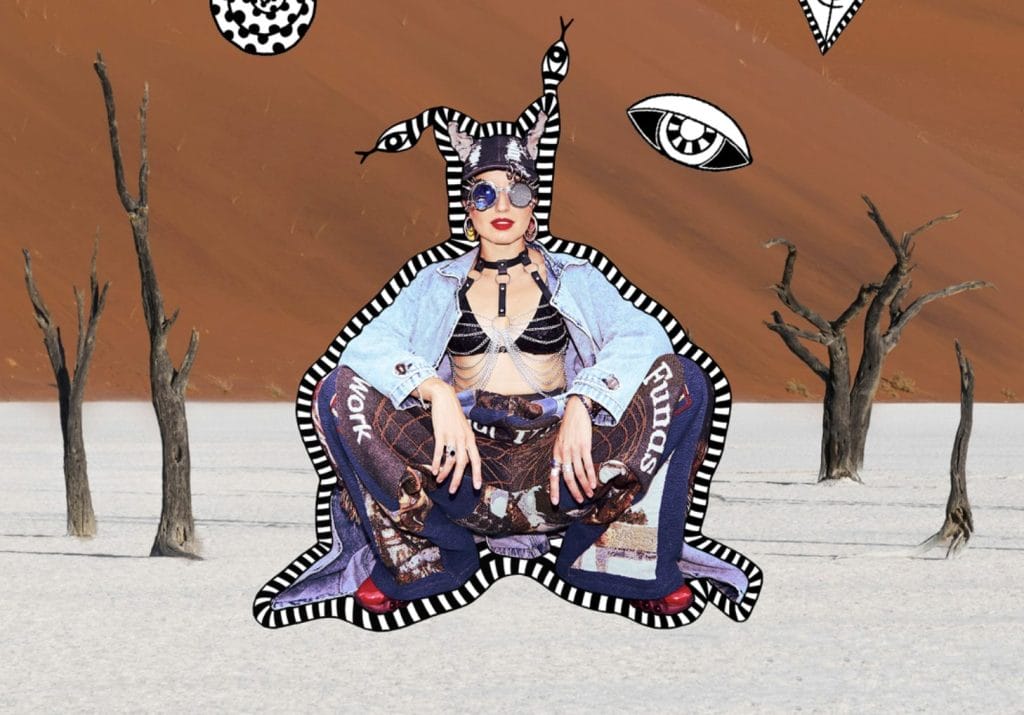
There are definitely parallels between DJing and other creative practices.
You are curating an experience, using particular compositions which carry particular sound frequencies that affect someone psychologically and physiologically in various ways. Just as a visual artist would paint a series that you would see at a show, with a philosophy and colours that evoke a certain mood but can also be interpreted in a million different ways.
Are there habits that help you keep expanding your taste?
I always look for new music. Whether it’s looking through playlists, browsing new releases etc. I also just ask people I meet at the airport or have coffee with, if there’s any cool tunes you’ve heard lately, send them over. Any artist I should listen to? I find that everyone has something to suggest, because music is so universal. People are always happy to share. I also really enjoy listening to other genres, especially classical music.
Once in a blue moon, I’ll get to see an orchestra live and bring some of that back into my productions later.
What kinds of experiences outside the club end up shaping your sets later?
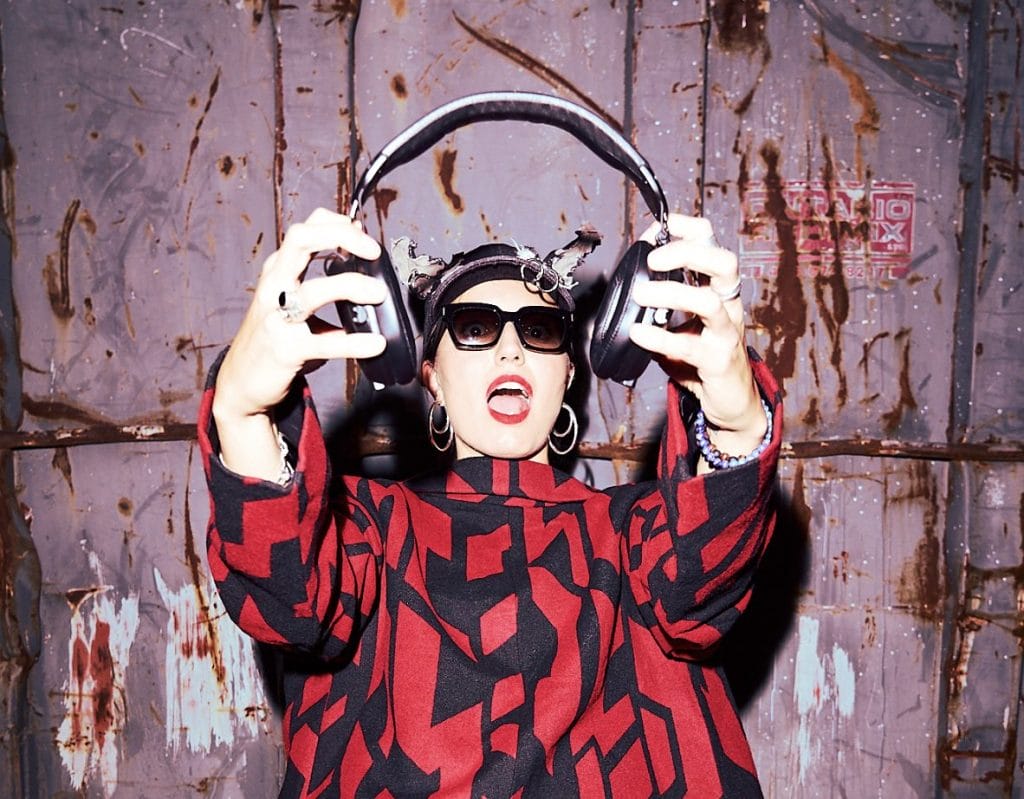
I don’t really pre-plan my sets, but say, if I know that I’m going to be playing in a particular country for a particular audience, I take into consideration what their relationship to the genre may be, and what story I can tell as an artist with my selection.
I’ll sift through hundreds of tracks and flag a certain one that may appeal to that narrative. One of my favourite sets was one I played in my hometown, Almaty. It was biographical, meant to illustrate the journey my life took, from growing up there to immigrating to Canada, travelling and living in Indonesia, and culminating in this moment of coming back two decades later and spinning there for the very first time. I remember I found this organic house track that sampled a soviet childhood nursery rhyme we used to sing at school when I was a kid, that was the very first track I played, and I was holding back tears, you know, I think half the room was, haha.
Like it was such a perfect opener for that set. Those two hours were the soundtrack to three decades of my life, I really had to hold myself together for that one.
How do you absorb new influences while maintaining focus?
That is a good question. I started DJing right off the bat with hybrid sets. So I would spin and do live vocals at the same time.
I’d play my own tracks, but also layer jazz-standard vocals or opera riffs over house or afro-house beats, creating new live edits of popular tracks on the fly. So I’ve always been influenced by the worlds of jazz and classical music but at the same time I was making my own thing with it.
I always try to ground inspiration I get from other sources through the lens of – how can I use this and make something unique with it so I don’t just copy whatever it is, but reimagine and restructure it in an interesting new way.
How important is curiosity beyond music to your long-term growth?
We are in the business of storytelling. You can’t tell meaningful stories a vacuum. You have to live life, explore, be curious, try new things, fall, break, rise back up again. For music to work its magic, it has to be filled with authentic emotion derived from real experiences. All my records are biographical. For example, the ’So Real’ EP I just released with Enoo Napa and Phila De Giant on My Other Side of the Moon Records – where I wrote, sang, and produced the vocals , those tracks are real stories from my life. To write something many people can connect and relate to you have to go out there and live. My focus as a producer and songwriter isn’t as much on pumping out tracks as on living an interesting life that in turn generates interesting music that does something for people, you know?
DJs today need to be cross-disciplinary thinkers to keep pace or even just stay inspired?
I cannot speak to anyone else’s experience but mine.
I think in terms of inspiration, I don’t know any real DJ (especially DJs that have extensive vinyl collections who have been doing this for decades) who didn’t first and foremost do it for the love of music and culture. In terms of pace, if you’re talking about the commercial lanes where you have to be a Music Producer who DJs, which is the lane I find myself in right now, the irony is if you try to keep up the pace as an independent artist, you’ll most often just burn yourself out and compromise your artistic integrity.
The pace is what it is because there are teams of hundreds of people working behind the scenes with artists who set the bar. Yes you have to be educated on how the industry works, the politics, trends, etc. But to have longevity and respect as an artist, you have to create your own corner, make interesting, well-crafted tracks, build a mutually supportive community, and consistently put out good music (not quickly, but with consistent quality).
That can often take years, but this is how real careers are built. And the less ego that’s involved, the farther you’ll go. The creative process has to become akin to breathing air, something that’s just part of your daily life that’s interwoven with all your life experiences from which you draw inspiration.

Will Vance is a professional music producer who has been involved in the industry for the better part of a decade and has been the managing editor at Magnetic Magazine since mid-2022. In that time period, he has published thousands of articles on music production, industry think pieces and educational articles about the music industry. Over the last decade as a professional music producer, Will Vance has also ran multiple successful and highly respected record labels in the industry, including Where The Heart Is Records as well as having launched a new label with a focus on community through Magnetic Magazine. When not running these labels or producing his own music, Vance is likely writing for other top industry sites like Waves or the Hyperbits Masterclass or working on his upcoming book on mindfulness in music production. On the rare chance he's not thinking about music production, he's probably running a game of Dungeons and Dragons with his friends which he has been the dungeon master for for many years.